


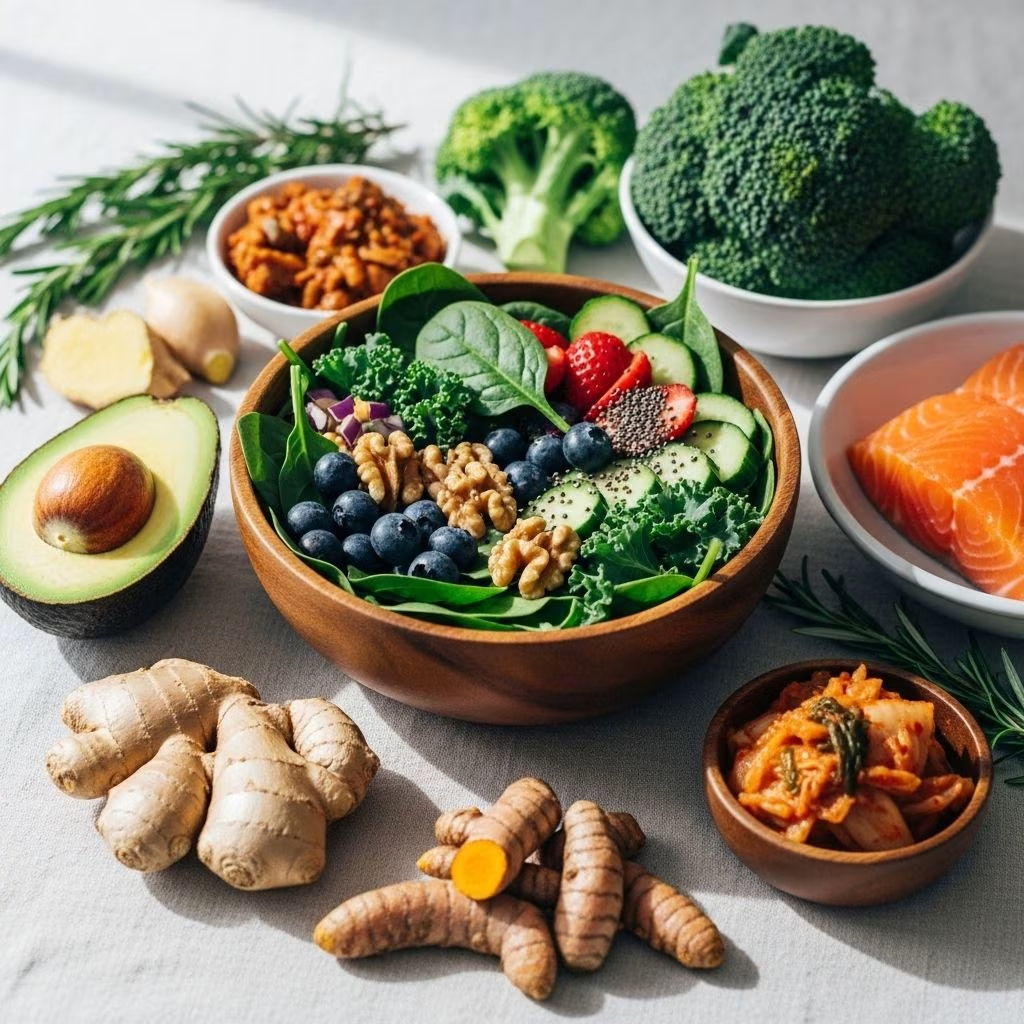
Chronic inflammation in the digestive system is a driving factor behind many common gastrointestinal complaints, from mild bloating to severe disorders such as irritable bowel syndrome (IBS) and inflammatory bowel disease (IBD). Fortunately, dietary strategies centered on anti-inflammatory foods can be powerful tools for soothing the digestive tract, restoring gut balance, and promoting whole-body wellness.
Introduction to Anti-Inflammatory Eating and Gut Health
Chronic inflammation in the digestive system can manifest as abdominal pain, bloating, loose stools, constipation, and discomfort. Over time, persistent inflammation disrupts the gut’s delicate balance, increases intestinal permeability (“leaky gut”), and heightens the risk for many health problems.
Fortunately, a growing body of research highlights the impact of an anti-inflammatory diet—one rich in whole, unprocessed foods—on reducing inflammation and restoring digestive harmony. Unlike conventional diets that focus on restriction, anti-inflammatory eating emphasizes abundance: a wide array of colorful fruits, vegetables, fiber-rich grains, healthy fats, fermented foods, and healing herbs.
How Anti-Inflammatory Foods Soothe Digestion
- Calming Immune Response: Anti-inflammatory foods contain antioxidants and phytochemicals that interrupt the chronic activation of immune cells in the gut lining, reducing tissue irritation.
- Supporting the Gut Microbiome: Many gut-friendly foods act as prebiotics or probiotics, fostering microbial diversity and suppressing pro-inflammatory bacteria.
- Reinforcing the Gut Barrier: Certain nutrients, such as omega-3 fatty acids, fiber, and polyphenols, strengthen tight junctions between gut cells and protect against “leaky gut”.
- Promoting Short-Chain Fatty Acid (SCFA) Production: Fiber and resistant starches ferment in the colon to produce SCFAs, which have powerful anti-inflammatory effects and nourish gut walls.
Categories of Anti-Inflammatory Foods
A truly anti-inflammatory diet includes a variety of foods from these evidence-backed categories:
- Fruits & Vegetables: Especially dark leafy greens, berries, cruciferous vegetables, apples, and citrus fruits.
- Whole Grains: Barley, oats, brown rice, and quinoa, which are rich in fiber and nutrients.
- Healthy Fats: Fatty fish (such as salmon), walnuts, flaxseeds, chia seeds, and extra virgin olive oil.
- Fermented Foods: Yogurt, kefir, sauerkraut, kimchi, and other cultured dairy or vegetable products.
- Legumes & Beans: Lentils, chickpeas, black beans, and other high-fiber pulses.
- Herbs & Spices: Turmeric, ginger, garlic, cinnamon, and fennel.
- Nuts & Seeds: Almonds, walnuts, pumpkin seeds, sunflower seeds, and pecans.
Top 12 Anti-Inflammatory Foods for Digestion
Below is a table summarizing some of the most research-supported anti-inflammatory foods and their digestive benefits:
| Food | Key Nutrients | Gut Health Benefit |
|---|---|---|
| Berries (Blueberries, Strawberries, Raspberries) | Anthocyanins, vitamin C, fiber | Reduce oxidative stress, feed beneficial bacteria, support immune defense |
| Leafy Greens (Spinach, Kale, Swiss Chard) | Vitamin K, beta-carotene, magnesium | Promote healing, regulate gut immunity |
| Cruciferous Vegetables (Broccoli, Cauliflower, Brussels Sprouts) | Isothiocyanates, fiber, sulforaphane | Boost detoxification, reduce gut inflammation |
| Yogurt & Kefir | Probiotics, calcium, vitamin B12 | Replenish healthy bacteria, ease bloating, improve regularity |
| Fatty Fish (Salmon, Sardines, Mackerel) | Omega-3 fatty acids (EPA/DHA) | Lower gut inflammation, reinforce intestinal barrier |
| Extra Virgin Olive Oil | Monounsaturated fats, polyphenols | Reduce inflammation, support stomach lining integrity |
| Nuts and Seeds (Almonds, Walnuts, Flax, Chia) | Healthy fats, magnesium, fiber | Feed gut microbes, reduce irritation, stabilize blood sugar |
| Legumes (Lentils, Chickpeas, Black Beans) | Prebiotic fiber, protein, minerals | Promote SCFA production, enhance regularity |
| Whole Grains (Oats, Barley, Brown Rice) | Soluble fiber, B vitamins, antioxidants | Support slow digestion, regulate microbiome |
| Ginger | Gingerol, antioxidants | Relieves nausea, reduces gut muscle spasms, decreases inflammation |
| Turmeric | Curcumin, essential oils | Potent anti-inflammatory, soothes intestinal lining |
| Garlic | Allicin, prebiotic fiber | Boosts immunity, feeds good bacteria, reduces gas and bloating |
Additional Noteworthy Foods
- Fermented Vegetables: Sauerkraut, kimchi, miso, and tempeh offer probiotic bacteria to improve gut flora balance.
- Herbal Teas: Peppermint, chamomile, and fennel tea are traditional digestive soothers.
- Citrus Fruits: Oranges, lemons, and grapefruits are rich in vitamin C and bioflavonoids, helping to control inflammation and promote tissue repair.
Foods That Aggravate Digestive Inflammation
To achieve optimal results, reducing or eliminating foods that spike inflammation is crucial. The following are common dietary triggers for gut inflammation:
- Ultra-processed foods: Fast foods, ready-made snacks, chips, crackers, and packaged desserts.
- Sugar-sweetened products: Soda, energy drinks, iced teas, and desserts high in added sugar or high fructose corn syrup.
- Refined grains: White bread, white rice, low-fiber cereals, and most traditional baked goods.
- Red and processed meats: Sausages, bacon, ham, and other cured meats rich in preservatives and excess sodium.
- Fried foods: French fries, fried chicken, fried snacks, and heavily battered foods.
- Artificial additives: Excessive preservatives, artificial sweeteners, colorings, and flavor enhancers.
- Excessive alcohol: Can destroy beneficial bacteria, damage the intestinal lining, and heighten inflammation.
Occasional consumption of these foods may be tolerated by healthy individuals, but for those with digestive complaints or a family history of gut disorders, minimizing these triggers can make a notable difference in symptom relief and prevention.
Building an Anti-Inflammatory Diet for Digestive Health
Embracing an anti-inflammatory diet is less about strict rules and more about cultivating a balanced, colorful, and varied plate. Consider the following principles for crafting your gut-soothing meal plan:
- Fill Half Your Plate with Colorful Plants: Strive for a variety of fruits, vegetables, leafy greens, and cruciferous vegetables at every meal.
- Choose Whole Grains: Select oats, barley, and brown rice over white or refined grain products.
- Include Healthy Fats: Incorporate oily fish twice a week, add a tablespoon of olive oil to salads or cooked vegetables, and sprinkle seeds over breakfast or snacks.
- Enjoy Probiotics Daily: Opt for unsweetened yogurt or serve a side of sauerkraut, kimchi, or pickles for gut flora support.
- Flavor with Spices and Herbs: Use ginger, turmeric, garlic, cinnamon, and fennel to add both taste and therapeutic benefits.
- Limit Pro-Inflammatory Foods: Replace processed meats and snacks with nuts, legumes, or homemade meals when possible.
Sample Gut-Soothing Meal Plan
- Breakfast: Overnight oats topped with blueberries, flaxseeds, walnuts, and a dollop of unsweetened yogurt.
- Lunch: Leafy greens salad with quinoa, chickpeas, cherry tomatoes, avocado, olive oil-lemon dressing, and a side of kimchi.
- Snack: A small handful of almonds and a piece of fruit OR chamomile tea with carrot sticks.
- Dinner: Baked salmon with herbed turmeric, steamed broccoli, and roasted sweet potato.
- Dessert: Sliced oranges with cinnamon.
Frequently Asked Questions (FAQs)
What is the fastest way to calm gut inflammation?
Eating a meal focused on anti-inflammatory foods—such as baked fish, steamed greens, and probiotic-rich yogurt—while avoiding processed, fried, and sugary foods can deliver noticeable symptom relief within just a few days. Herbal teas containing ginger or peppermint may also offer quick soothing effects.
Are probiotics always necessary for anti-inflammatory eating?
While probiotics (from fermented foods like yogurt or kimchi) can speed gut healing and microbial diversity, a focus on fiber-rich, plant-based foods still provides substantial anti-inflammatory benefits for digestion, even in the absence of probiotics.
Can children benefit from an anti-inflammatory diet for digestion?
Yes, children with digestive complaints such as constipation, bloating, or mild IBS often see improvement with increased fruits, vegetables, whole grains, and yogurt, and by limiting processed snacks and sodas. However, any major dietary changes should be discussed with a pediatrician.
How long before I notice benefits from an anti-inflammatory diet?
Many people experience improved digestion—such as less bloating, regular bowel movements, and less discomfort—within 2 to 4 weeks of consistent, balanced anti-inflammatory eating. More severe gut inflammation, like that seen in IBD, may take longer and requires medical oversight.
Do anti-inflammatory foods help non-digestive symptoms?
Yes. Research links these foods to improved energy, joint health, heart function, stable blood sugar, reduced risk for certain cancers, and better mood, thanks to the gut-brain axis and systemic reduction of chronic inflammation.
Summary and Practical Tips
An anti-inflammatory diet for digestive health is varied, vibrant, and deeply satisfying. By centering your meals around plant foods, healthy fats, fermented foods, and healing spices—and reducing intake of processed and inflammatory triggers—you support not only gut harmony but also long-term resilience and well-being.
- Experiment with different vegetables and fruits to find favorites you enjoy daily.
- Batch-cook whole grains and legumes for easy meal assembly during the week.
- Grow or buy fresh herbs (like basil, mint, and cilantro) to add both flavor and health benefits.
- Choose extra virgin olive oil as your primary cooking oil.
- Aim for fermented foods several times a week for optimal microbial diversity.
- Limit highly processed, sweet, and fried foods to occasional treats, if at all.
By making these gradual, evidence-backed changes, you can enjoy calmer digestion, improved gut health, and a vibrant, inflammation-resistant body.
References
- https://www.rupahealth.com/post/anti-inflammatory-eating-for-gut-health-connecting-diet-and-digestion
- https://cdhf.ca/en/the-power-of-anti-inflammatory-foods/
- https://www.catholichealthli.org/blog/benefits-anti-inflammatory-diet
- https://pmc.ncbi.nlm.nih.gov/articles/PMC11576095/
- https://www.aol.com/articles/experts-anti-inflammatory-food-improve-182300147.html
- https://www.health.harvard.edu/staying-healthy/foods-that-fight-inflammation
- https://oshihealth.com/best-anti-inflammatory-foods/
- https://health.clevelandclinic.org/anti-inflammatory-diet


