


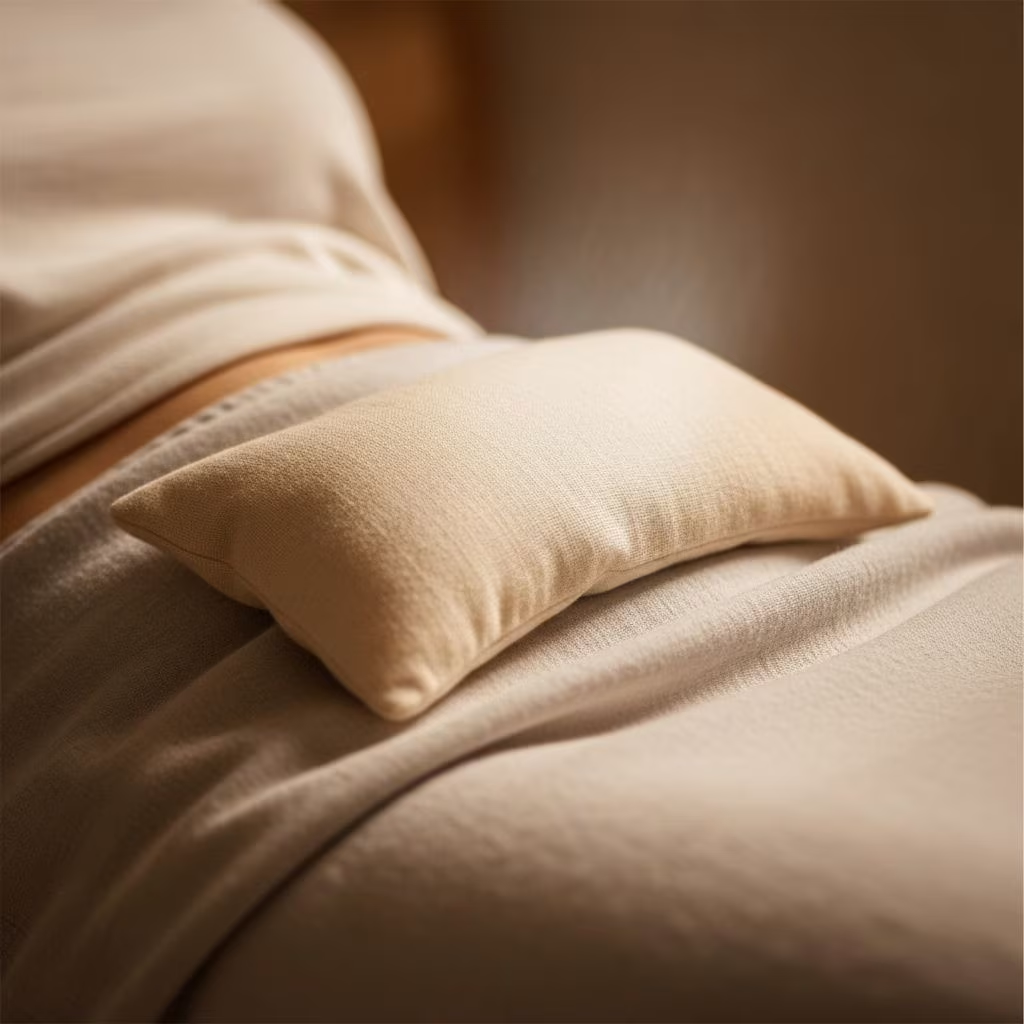
Intestinal cramps, often experienced as episodic or persistent abdominal pain, can arise from various causes such as indigestion, irritable bowel syndrome (IBS), menstrual discomfort, or gastrointestinal (GI) dysfunction. For many, the application of heat packs stands out as an accessible, non-drug, and effective technique for soothing these cramps. This comprehensive guide explores the science, benefits, application methods, and precautions of using heat packs to manage intestinal and abdominal discomfort.
- Table of Content
- Understanding Intestinal Cramps
- Mechanism of Heat Therapy for Abdominal Pain
- Clinical Evidence and Effectiveness
- How to Use Heat Packs Effectively
- Additional Benefits of Heat Packs for Digestive Health
- Safety Precautions and Contraindications
- Combining Heat Therapy with Other Relief Methods
- Frequently Asked Questions (FAQs)
Table of Content
- Understanding Intestinal Cramps
- Mechanism of Heat Therapy for Abdominal Pain
- Clinical Evidence and Effectiveness
- How to Use Heat Packs Effectively
- Additional Benefits of Heat Packs
- Safety Precautions and Contraindications
- Combining Heat Therapy with Other Relief Methods
- Frequently Asked Questions (FAQs)
Understanding Intestinal Cramps
Intestinal cramps are a broad term referring to recurring or sudden pain that typically originates in the intestinal region of the abdomen. They may manifest as sharp pains, dull aches, or wave-like spasms and commonly arise from:
- Indigestion (dyspepsia)
- Irritable Bowel Syndrome (IBS)
- Constipation or diarrhea
- Abdominal distension (bloating)
- Menstrual cramps affecting the lower abdomen
- Gastroenteritis or mild GI infections
Cramps often result from spasms or contractions in the smooth muscle lining the intestines, leading to discomfort or pain. Symptoms may also include bloating, urge for bowel movement, flatulence, and altered bowel habits.
Mechanism of Heat Therapy for Abdominal Pain
Heat therapy involves applying warmth to a specific area of the body using devices like heating pads, warm compresses, or hot water bottles. When applied to the abdomen, heat therapy exerts several beneficial physiological effects:
- Vasodilation: Heat expands (dilates) local blood vessels, boosting blood flow to the abdominal tissues and muscles. This increased circulation helps deliver oxygen and nutrients while removing pain-inducing waste products.
- Muscle relaxation: Warmth helps relax the smooth muscles of the intestinal walls and abdominal wall, reducing spasms and tension that cause cramping and pain.
- Enhanced peristalsis: Heat may stimulate movement within the digestive tract (peristalsis), aiding in food transit and reducing feelings of bloating or fullness.
- Nervous system effects: Gentle heat may dampen the transmission of pain signals to the brain, offering a soothing and comforting sensation.
- Reduction of stiffness: Soft tissue elastic fibers loosen, enhancing flexibility and relieving discomfort from muscle tightness.
Heat thus offers both direct (muscle, tissue) and indirect (comforting, relaxing) contributions to cramp relief.
Clinical Evidence and Effectiveness
Numerous studies support the role of heat application in relieving abdominal discomfort and improving GI function.
Research Highlights
- A controlled trial in ICU patients receiving nasogastric feeding found that patients who received localized heat application to the abdomen experienced significant reductions in abdominal distension, stomach residual volume, and vomiting episodes compared to control groups. This indicates that heat supports improved GI motility and comfort.
- Studies and medical guidance consistently recommend heat as a non-drug, safe, and effective measure for symptoms like IBS pain, indigestion, and bloating.
- Heating pads or hot compresses have also been shown to ease mild to moderate cramps, especially when caused by muscle spasms or stress in the abdominal area.
While heat therapy is not a cure for underlying GI disorders, it can play a valuable role in symptom management and comfort, especially as part of a broader care approach.
How to Use Heat Packs Effectively
Choosing the right type of heat pack, using it safely, and optimizing the duration and placement are crucial for maximum benefit.
Types of Heat Packs
- Electric heating pads: Adjustable, reusable, and provide steady warmth. Must be used per manufacturer guidelines to avoid burns.
- Hot water bottles: Filled with hot (not boiling) water, enclosed in a soft cover. Good for short-term use and portability.
- Microwaveable packs: Filled with grains, seeds, or gel, heated in a microwave. Flexible, ideal for targeting the abdomen, and retain heat for 20-40 minutes typically.
- Disposable heat wraps: Air-activated and convenient for use outside the home.
Application Guidelines
- Apply the heat pack over clothing or use a towel as a barrier to prevent direct skin contact.
- Rest the pack against the lower or mid-abdomen where cramps or pain are felt.
- Typical duration is 15-20 minutes per session; extend or repeat as needed, allowing skin to cool between uses to avoid overheating or burns.
- Never fall asleep with an active/electrical heat pack in place.
- If switching from cold therapy after acute injury or inflammation, wait at least 24-72 hours before applying heat.
Best Practices
- Monitor skin frequently for signs of redness, irritation, or blistering.
- Use heat therapy alongside hydration or gentle movement for even greater relief.
- If using heat for the first time or on behalf of children, elderly, or those with sensory/mobility impairments, supervise closely.
Additional Benefits of Heat Packs for Digestive Health
Beyond cramp relief, heat therapy on the abdomen offers a range of additional benefits:
- Reduction in abdominal bloating: Heat promotes peristalsis, facilitating better movement of gas and stool through the bowels, helping ease distention.
- Support for digestion and absorption: By stimulating circulation and GI motility, heat can help reduce symptoms of indigestion, slow transit, and promote regularity of bowel movements.
- Comfort during menstrual cramping: The lower abdomen often responds to heat with muscle relaxation and pain relief during menstruation.
- Improved sleep quality: For those woken by GI discomfort, applying a heat pack before bed may help relax the muscles, reduce pain, and promote restful sleep.
- Enhanced sense of comfort and relaxation: The warmth of a heat pack provides psychological comfort, which can help calm anxiety often associated with digestive problems.
Safety Precautions and Contraindications
While heat packs are generally safe, some precautions and contraindications must be kept in mind:
| Do’s | Don’ts |
|---|---|
|
|
If in doubt, particularly for children, the elderly, or those with chronic medical conditions, consult a healthcare provider before using heat therapy.
Combining Heat Therapy with Other Relief Methods
For optimal relief of intestinal cramps, heat therapy can be complemented by other strategies:
- Gentle physical movement: Activities like walking or stretching can promote intestinal movement and enhance the effectiveness of heat therapy.
- Hydration: Sipping water or non-caffeinated herbal teas like ginger, peppermint, or chamomile can support digestive relaxation and hydration.
- Dietary adjustments: Eating easily digestible foods in small, regular meals may prevent exacerbation of symptoms.
- Relaxation techniques: Mindfulness, breathing exercises, or gentle yoga can help reduce muscle tension in the gut.
- Seeking medical advice: If symptoms persist or worsen, consult a healthcare professional to rule out underlying causes that may require further treatment.
Frequently Asked Questions (FAQs)
Q: How quickly does a heat pack work for intestinal cramps?
A: Many people begin to feel relief within 5–15 minutes of applying a heat pack. Full relaxation of abdominal muscles may take 20–30 minutes. Effects can last longer when combined with rest and hydration.
Q: Is it safe to use heat packs multiple times a day?
A: Yes, provided the skin is inspected for redness or burns and a cooling period is observed between sessions. Avoid prolonged, continuous use.
Q: Can heat therapy worsen some kinds of abdominal pain?
A: Yes. Pain due to acute inflammation (such as appendicitis or infection) can worsen with heat. Persistent or severe pain should be evaluated by a doctor before using heat therapy.
Q: Are there alternatives to heat packs for relieving intestinal cramps?
A: In addition to heat packs, gentle movement, hydration, herbal teas, dietary adjustments, and OTC remedies may help. Severe, recurring pain or GI symptoms should prompt medical evaluation.
Q: Who should avoid using heat therapy?
A: Those with skin sensitivity, neuropathy, impaired circulation, or who cannot feel heat properly should avoid unsupervised heat therapy. Check with a healthcare provider if you have chronic health conditions.
Summary
Heat packs provide a safe, drug-free, and accessible remedy for mild to moderate intestinal cramps and abdominal discomfort, especially when used properly. They work by increasing local blood flow, relaxing muscles, and supporting digestive transit. While not a substitute for professional care in the presence of severe, persistent, or complex symptoms, heat therapy forms a valuable part of home self-care for digestive relief and comfort.
References
- https://pmc.ncbi.nlm.nih.gov/articles/PMC11216127/
- https://www.vinmec.com/eng/blog/hot-compress-the-abdomen-to-do-en
- http://ucfhealth.com/our-services/lifestyle-medicine/how-to-relieve-ibs-pain-instantly/
- https://ostrichpillow.com/blogs/self-care-magazine/for-minor-abdominal-aches-and-pains-try-a-warm-heating-pad
- https://www.webmd.com/digestive-disorders/remedies-stomach-pain
- https://pmc.ncbi.nlm.nih.gov/articles/PMC9703937/
- https://hyperice.com/blog/treatment/heating-pad-stomach-benefits/


