


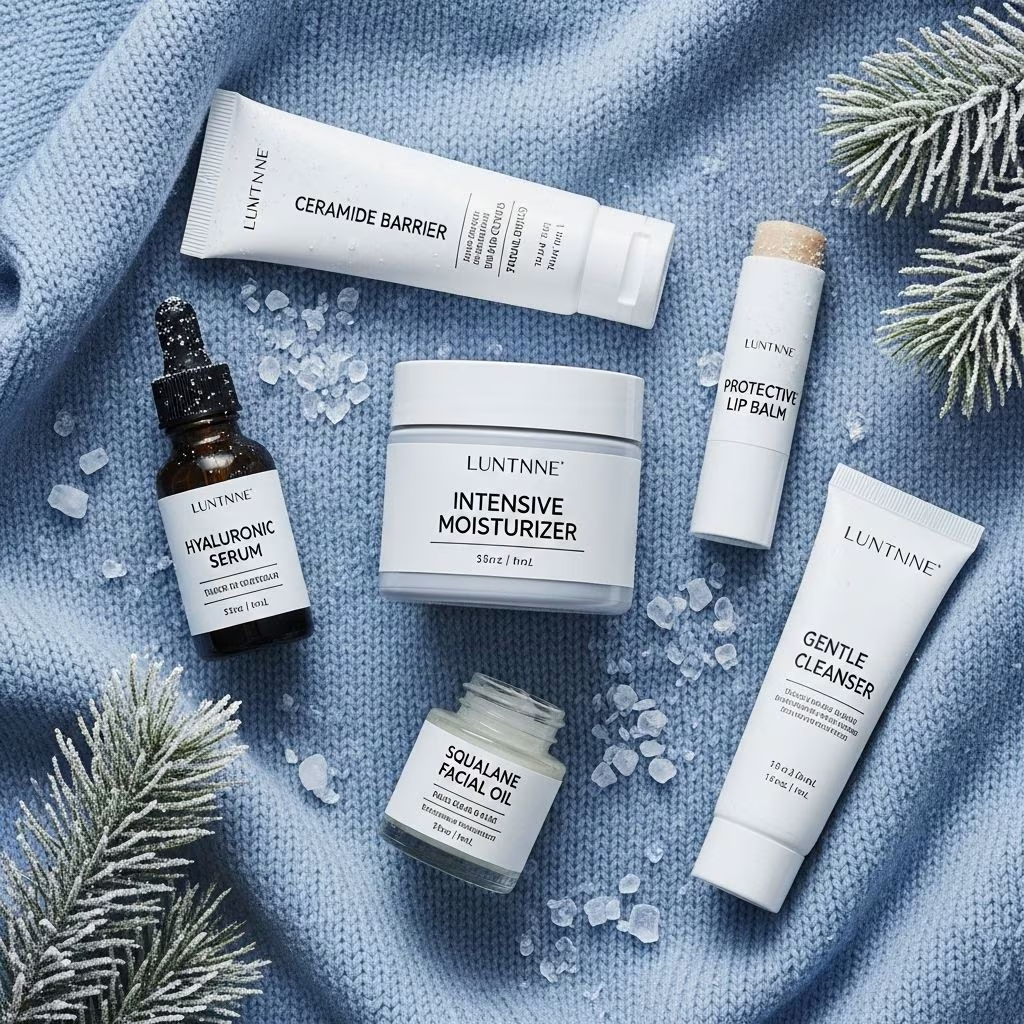
As the temperature drops and the air grows crisper, your skincare routine requires significant adjustments to combat the unique challenges of cold weather and low humidity. These environmental changes draw moisture from the skin, weaken its barrier, and exacerbate dryness, flakiness, and irritation. This comprehensive guide explores evidence-based strategies, trusted actives, and daily practices to help you maintain a resilient, hydrated complexion throughout winter’s harshest months.
Why Your Routine Must Change in Cold, Low Humidity Weather
During the colder months, both outdoor air and heated indoor environments become noticeably drier. The resulting low humidity pulls moisture from your skin at an accelerated rate, often stripping away its protective oils and weakening its natural barrier. Without adapting your skincare routine, you are likely to experience:
- Persistent dryness and flakiness
- Itching and discomfort
- Increased sensitivity or redness
- Exacerbation of conditions such as eczema and chapped lips
- More visible fine lines due to dehydration
Traditional warm-weather routines typically prioritize lightweight hydration and potent active ingredients for exfoliation or brightening. In contrast, winter routines must double down on deep moisturization, gentle cleansing, and barrier repair to counter the effects of cold and dryness.
Understanding Skin Changes in Low Humidity
The skin’s outermost layer, the stratum corneum, acts as a barrier keeping moisture in and irritants out. Low humidity compromises this barrier in several key ways:
- Trans-Epidermal Water Loss (TEWL): Skin loses water to the dry air much faster.
- Compromised Barrier Function: Diminished lipids and proteins lead to a leaky, less effective barrier.
- Reduced Natural Moisturizing Factors: The skin produces fewer natural humectants and oils.
- Heightened Sensitivity: Thinner, drier skin is more prone to irritation and contact dermatitis.
Visual: Comparison Table – Summer vs. Winter Skin Needs
| Factor | High-Humidity, Warm Weather | Low-Humidity, Cold Weather |
|---|---|---|
| Main Challenge | Oiliness, sweat, clogged pores | Dryness, tightness, flakiness |
| Recommended Cleanser | Gel or foaming | Creamy, gentle |
| Key Moisturizer Type | Light lotion or gel | Rich cream or ointment |
| Exfoliation Frequency | 2-3x/week | 1x/week max – gentle only |
Key Active Ingredients for Winter Skincare
Choosing the right actives is crucial in a cold, dry environment. Dermatologists highlight the following essential ingredients for deep hydration and barrier support:
- Humectants: Attract water into the skin. (e.g., hyaluronic acid, glycerin, urea)
- Emollients: Smooth skin and fill in micro-cracks. (e.g., squalane, fatty acids, ceramides)
- Occlusives: Physically block water loss. (e.g., petrolatum, shea butter, mineral oil)
- Ceramides: Replenish key lipids lost in cold, dry air. Essential for barrier repair and maintenance.
- Niacinamide: Soothes redness, boosts ceramide production, counters reactivity.
- Panthenol and Allantoin: Calming actives to reduce irritation from weather stress.
Tip: While actives like vitamin C and retinoids are beneficial, reduce frequency or concentration if irritation increases. Prioritize barrier-repair and hydrating actives during extreme dryness.
Building an Effective Low Humidity Routine
Your winter routine should focus on maximizing hydration, minimizing irritation, and layering products in the correct order for optimal absorption.
Morning Winter Skincare Steps
- Gentle, Creamy Cleanser: Avoid foaming cleansers. Choose a fragrance-free, creamy or oil-based cleanser to remove impurities without stripping oils.
- Hydrating Toner/Essence (Optional): Alcohol-free and packed with humectants.
- Moisturizing Serum: Look for hyaluronic acid, panthenol, or peptides.
- Barrier Repair Moisturizer: Use rich creams with ceramides, squalane, and fatty acids.
- Sunscreen (SPF 30+): UVA rays remain potent in winter, especially with snow glare. Opt for a hydrating, broad-spectrum sunscreen.
Evening Winter Skincare Steps
- Gentle Cleanser: Repeat creamy or oil-based cleanser.
- Hydrating Serum: Preferably with humectants or peptides.
- Treatment (if tolerated): Apply retinoid or exfoliant at reduced frequency. Buffer with moisturizer if irritation occurs.
- Rich Moisturizer / Ointment Seal: Finish with deeply hydrating cream and layer an occlusive ointment (like petrolatum) on very dry spots.
Body and Hands
- Short, Lukewarm Showers: Limit to 10 minutes. Pat skin dry, don’t rub.
- Immediate Post-Shower Moisturization: Apply lotion or cream while skin is still damp to seal in water.
- Frequent Hand Cream Use: After handwashing, reapply barrier-repair hand cream and wear gloves for outdoor protection and household chores.
Protective Habits & Lifestyle Adjustments
Product changes alone are not enough; complementary habits maximize your winter routine’s effectiveness.
- Use a Humidifier: Run a humidifier in your bedroom at night or in main living spaces to keep ambient humidity between 40-50%. This directly reduces trans-epidermal water loss and decreases dryness and static.
- Wear Protective Clothing: Dress in layers and shield skin with gloves, scarves, and hats to reduce wind exposure and chapping.
- Avoid Hot Showers and Baths: Hot water rapidly strips oils from the skin and worsens dehydration.
- Switch to Gentle Laundry Detergent: Fragrance-free and mild formulas prevent fabric-induced irritation.
- Hydrate Internally: Drink adequate water throughout the day, though this will not substitute for external skin moisture.
Adapting for Different Skin Types & Concerns
- Dry or Sensitive Skin: Focus on rich creams, minimize exfoliation, and maximize barrier repair actives.
- Oily or Combination Skin: Do not skip moisturizers—opt for lightweight but occlusive formulas, and use hydrating serums.
- Eczema/Atopic Dermatitis: Use fragrance-free ointments (like petrolatum or Vanicream), daily moisturization immediately after bathing, and wear cotton layers under abrasive fabrics.
- Mature Skin: Layer generously with peptides, hyaluronic acid, and ceramide-rich creams to counter increased dryness and fine lines.
Avoiding Common Winter Skincare Mistakes
- Skipping Sunscreen: Up to 80% of UV rays penetrate clouds and are intensified by snow glare—even in winter.
- Over-exfoliation: Reduce chemical and physical exfoliants, which can compromise an already fragile skin barrier.
- Using Harsh, Foaming Cleansers: Switch to creamy, fragrance-free cleansers to avoid removing essential oils.
- Neglecting Hands and Lips: These thin-skinned areas suffer greatly in cold air; use balms and gloves to protect them.
Frequently Asked Questions (FAQs)
Q: Why does my skin itch more in winter?
A: Dry, cold air draws moisture from the surface of the skin, leaving it parched, tight, and prone to itching. Heating indoors intensifies this effect by lowering humidity further.
Q: What type of moisturizer is best for winter?
A: Dermatologists recommend ointments or rich creams containing ceramides, hyaluronic acid, glycerin, squalane, or petrolatum for maximum hydration and barrier restoration.
Q: Should I continue using retinoids during cold weather?
A: Yes, but reduce the frequency or use a lower concentration, as retinoids can increase sensitivity and dryness when the barrier is already stressed. Buffer with an additional layer of moisturizer.
Q: How often should I shower in winter?
A: Once daily is sufficient—use warm, not hot, water and keep showers under 10 minutes. Moisturize immediately after exiting the shower.
Q: Can a humidifier really help with dry skin?
A: Absolutely. Running a humidifier increases air moisture, helping prevent water loss from the skin and reducing dryness, especially during sleeping hours.
Key Takeaways: Expert-Endorsed Winter Skincare Routine
- Switch to rich, barrier-repair moisturizers and layer humectant-rich serums.
- Limit washing and exfoliation—be gentle to preserve your skin’s natural protection.
- Always use sunscreen, regardless of cloud cover or temperature.
- Employ protective clothing, gloves, and a home humidifier for all-around defense.
- Listen to your skin—reduce actives if you notice new irritation, and add extra hydration whenever skin feels tight, itchy, or flaky.
By understanding and respecting your skin’s shifting needs in cold, dry environments, your winter actives routine can keep you comfortable, healthy, and radiant all season long.
References
- https://dermgroup.org/how-to-protect-your-skin-from-dryness-during-cooler-weather/
- https://www.californiaskininstitute.com/dermatologist-recommended-tips-for-taking-care-of-your-skin-in-cold-weather/
- https://www.skincare.com/expert-advice/skin-care-advice/how-to-prepare-skin-for-winter
- https://www.nm.org/healthbeat/healthy-tips/skin-care-in-the-dry-winter-air
- https://www.cerave.com.au/blog/everyday-skin-care/winter-skin-care
- https://pourmoiskincare.com/blogs/beautyforecast/skincare-routine-steps-should-be-chosen-by-climate-not-skin-type
- https://www.paulaschoice.com/expert-advice/skincare-advice/combination-skin/winter-care-for-oily-combination-skin.html


