


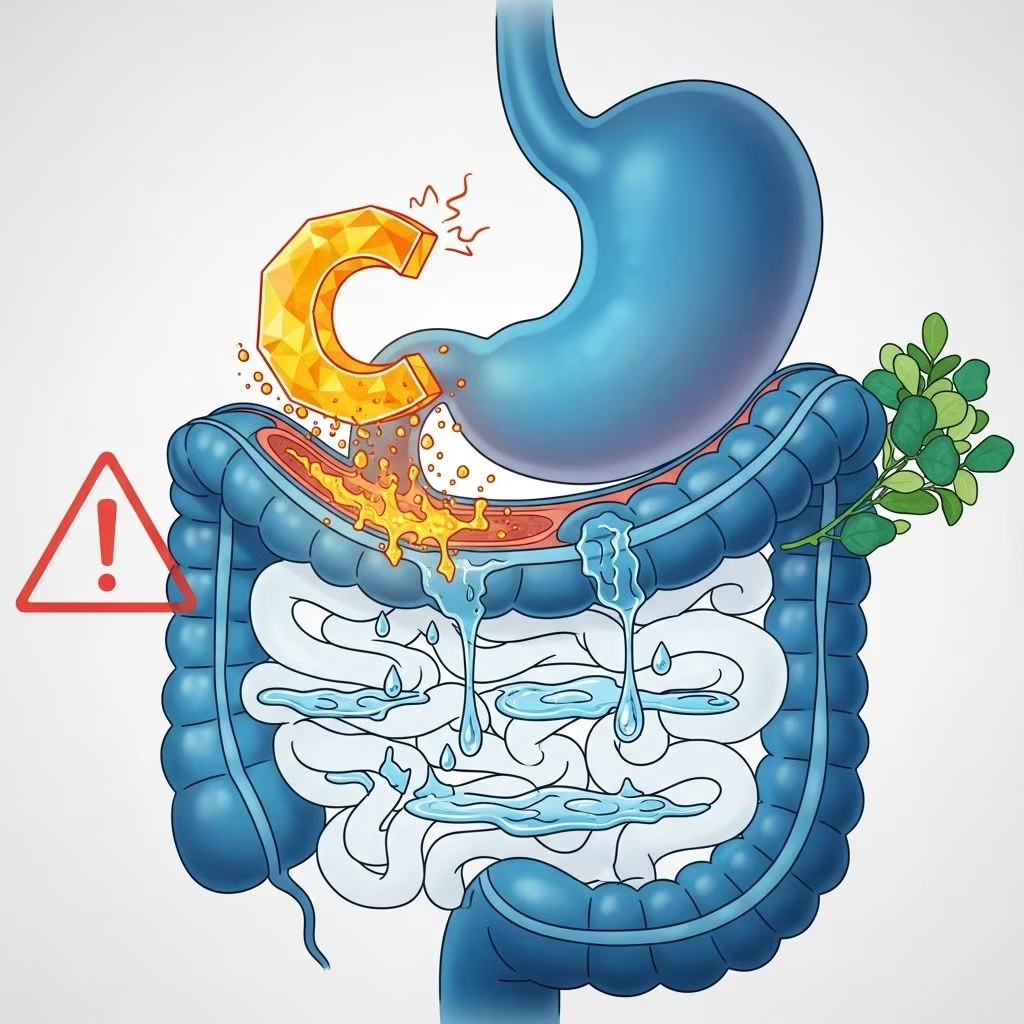
Vitamin C is an essential nutrient celebrated for its immune-boosting, antioxidant, and tissue-repairing properties. However, as the popularity of vitamin C supplementation grows, so do questions about its safety, especially regarding gastrointestinal side effects like diarrhea. This guide provides an in-depth look at why diarrhea occurs after high-dose vitamin C, how to identify risk factors, and how to prevent and manage this uncomfortable side effect for optimal health and peace of mind.
Vitamin C and Diarrhea: The Connection
Vitamin C (ascorbic acid) is water-soluble and must be obtained from dietary sources such as fruits and vegetables, or through supplementation. While the body benefits significantly from vitamin C, consuming quantities beyond what it can absorb leads to excess amounts remaining in the gut, which can cause gastrointestinal distress. Among various potential side effects, diarrhea is one of the most commonly reported after high-dose vitamin C intake.
Causes of Diarrhea After High-Dose Vitamin C
Understanding why diarrhea occurs with excessive vitamin C is key to avoiding this issue and troubleshooting it effectively.
- Osmotic Effect: Excess unabsorbed vitamin C draws water into the intestines (an osmotic effect), causing watery loose stools and diarrhea.
- Sorbitol Additive: Some vitamin C supplements contain sorbitol, a sugar alcohol that is poorly absorbed and known to induce osmotic diarrhea.
- Bowel Tolerance Threshold: Each individual has a personal bowel tolerance for vitamin C. Consuming more than this amount results in GI symptoms, primarily diarrhea.
Combined Effects with Other Agents
Some studies have explored how vitamin C interacts with other agents. For example, co-administering vitamin C with loperamide (an anti-diarrheal medication) in an animal model reduced diarrhea symptoms, although this has limited clinical application.
Who is Most at Risk?
While anyone can experience diarrhea after high-dose vitamin C, some groups are more susceptible:
- Individuals taking megadoses (especially over 2,000 mg per day)
- Children (particularly if given vitamin C supplements containing sorbitol)
- People with sensitive GI tracts, such as those with IBS or a history of malabsorption
- Those using powder or effervescent forms that increase total intake rapidly
- Patients with kidney disease (at higher risk for complications, including kidney stones, but also potentially more GI symptoms)
Recognizing Symptoms
GI symptoms that may arise after high-dose vitamin C supplementation include:
- Diarrhea (loose, watery stools that occur frequently)
- Nausea or vomiting
- Abdominal cramping and bloating
- Flatulence
- Heartburn (rarely)
Most often, symptoms begin soon after exceeding your personal bowel tolerance threshold and resolve quickly after reducing or stopping the supplement.
Dose Thresholds and Safety Guidelines
Understanding safe dosing is crucial for prevention. Different organizations have set slightly different recommended dietary allowances (RDAs) and upper intake levels (ULs):
| Group | RDA (mg/day) | Upper Limit (mg/day) |
|---|---|---|
| Adults | 90 (men), 75 (women) | 2,000 |
| Children (1–3 yrs) | 15 | 400 |
| Pregnant Women | 85 | 1,800 |
| Breastfeeding | 120 | 2,000 |
Key Points:
- Gastrointestinal side effects like diarrhea usually begin to appear when doses exceed 2,000 mg/day.
- Vitamin C from food sources rarely causes these effects, as absorption is tightly regulated.
Titration to Bowel Tolerance
Some health approaches suggest gradually increasing vitamin C until mild GI symptoms occur—then reducing to a point just below this threshold. This is called titrating to bowel tolerance. However, this method should only be attempted with caution and, preferably, under professional supervision.
Prevention Strategies
To minimize the risk of diarrhea when using vitamin C supplements:
- Start with low doses and gradually increase if necessary
- Avoid exceeding the upper intake limit of 2,000 mg/day for adults
- Split doses into multiple intakes per day rather than a single large dose
- Take vitamin C with food to slow absorption and decrease GI distress
- Check supplement ingredients for sorbitol or other sugar alcohols that can worsen diarrhea
- Prioritize dietary sources of vitamin C (fruits and vegetables) over supplements unless otherwise advised by a healthcare professional
Remember: Most healthy adults do not need vitamin C supplements if they consume a balanced diet rich in fruits and vegetables.
How to Manage Diarrhea If It Occurs
- Reduce or discontinue vitamin C supplementation immediately upon developing diarrhea or other GI symptoms
- Stay hydrated by drinking plenty of fluids to replace lost water and electrolytes
- Reintroduce supplements at lower doses only after symptoms have fully resolved
- If needed, use anti-diarrheal medications (under medical guidance)
- Avoid other substances that may irritate the gut during recovery (e.g., caffeine, high-fat foods, artificial sweeteners)
If symptoms are severe or persistent, or accompanied by warning signs (see below), consult a healthcare provider.
Considerations for Special Populations
- Pregnant and breastfeeding women: Should not exceed recommended limits. Large doses not necessary and could cause diarrhea.
- Children: Very sensitive to sorbitol-containing supplements. Excessive dosing can cause severe, prolonged diarrhea.
- Those with kidney problems: At increased risk for complications from high vitamin C; consult a doctor before supplementing.
- Elderly: May be more susceptible to dehydration from diarrhea.
Impact of Supplement Formulations
Different vitamin C supplements may carry varying risks of GI upset. Consider the following:
- Powder vs. tablet: Powders can deliver very high doses at once, increasing risk.
- Buffered formulations: Milder on the stomach but can still cause diarrhea at high doses.
- Sorbitol-containing chewables and gummies: Higher risk of osmotic diarrhea, especially in children.
Check product labels for additives and dose per serving.
When to Seek Medical Attention
While diarrhea caused by excess vitamin C typically resolves on its own, seek medical help if you experience:
- Severe or persistent diarrhea lasting more than 2–3 days
- Signs of dehydration (dizziness, rapid heart rate, dry mouth, decreased urination)
- High fever or blood in stools
- Unintentional weight loss or ongoing GI symptoms
- Suspected overdose in children or high-risk individuals
Frequently Asked Questions (FAQs)
Q: Why does high-dose vitamin C cause diarrhea?
A: The gut can only absorb a limited amount of vitamin C at a time. Excess unabsorbed vitamin C draws water into the bowels (osmosis), causing loose stools and diarrhea.
Q: Is diarrhea from too much vitamin C dangerous?
A: For most healthy adults, diarrhea due to excessive vitamin C is typically mild and resolves when intake is reduced. However, if left unchecked, it can cause dehydration, especially in children or the elderly.
Q: How can I prevent diarrhea when taking vitamin C supplements?
A: To minimize the risk, stay below the 2,000 mg/day upper limit for adults, split doses, take supplements with meals, and check supplement labels for problematic additives like sorbitol.
Q: Can children get diarrhea from vitamin C?
A: Yes. Children are especially sensitive to high doses and to the sorbitol commonly used in chewable vitamin C. Always adhere to recommended pediatric dosages and check labels carefully.
Q: Does vitamin C from food cause diarrhea?
A: Unlikely. Naturally occurring vitamin C in whole foods is absorbed more slowly and is unlikely to reach levels that induce diarrhea.
Summary
Diarrhea after high-dose vitamin C is a well-documented and generally benign side effect, resulting from the gut’s limited absorption and the osmotic action of unabsorbed ascorbic acid. It is preventable by adhering to recommended upper daily limits, choosing wisely among supplement types, and adopting a cautious, individualized approach to dosing. Most cases resolve quickly with discontinuation or dose reduction, but persistent or severe symptoms call for medical evaluation.
References
- https://consensus.app/questions/does-vitamin-c-cause-diarrhoea/
- https://www.healthline.com/nutrition/side-effects-of-too-much-vitamin-c
- https://ods.od.nih.gov/factsheets/VitaminC-HealthProfessional/
- https://www.mayoclinic.org/drugs-supplements-vitamin-c/art-20363932
- https://www.mayoclinic.org/healthy-lifestyle/nutrition-and-healthy-eating/expert-answers/vitamin-c/faq-20058030
- https://www.webmd.com/drugs/2/drug-156552-106/halls-defense/details
- https://www.health.harvard.edu/nutrition/myths-and-truths-about-vitamin-c
- https://prodiadigital.com/en/articles/too-much-vitamin-c
- https://www.mountsinai.org/health-library/nutrition/vitamin-c


