


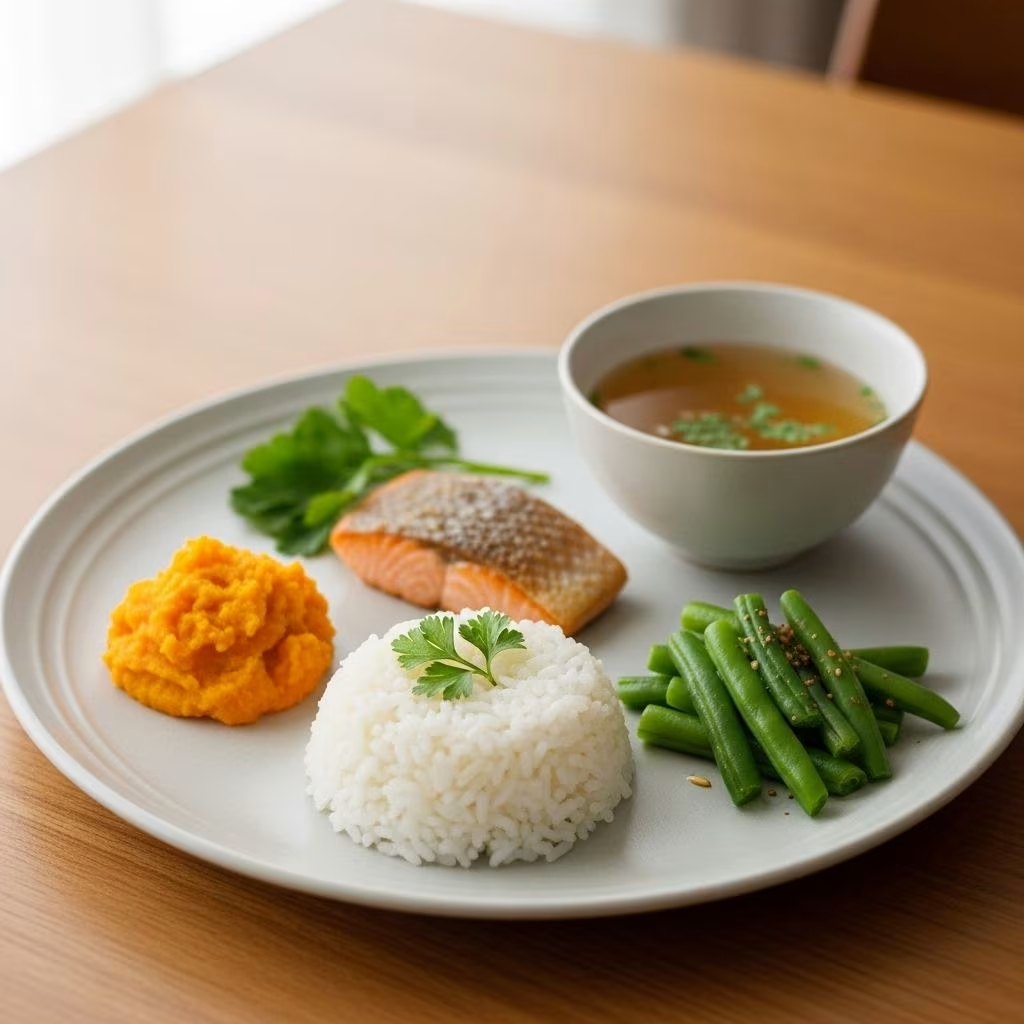
Gastroparesis, meaning ‘stomach paralysis,’ is a chronic condition in which the stomach is unable to empty its contents in a normal manner, leading to symptoms such as nausea, bloating, and early satiety (feeling full quickly). Effective management centers around careful dietary modifications, meal planning, and symptom-specific strategies to optimize nutrition and improve quality of life. This guide offers in-depth, best-practice advice to help individuals live well with gastroparesis.
Understanding Gastroparesis
Gastroparesis slows or stops the movement of food from the stomach to the small intestine, without an evident blockage. Major causes include diabetes, certain medications, surgery interfering with the vagus nerve, and idiopathic factors. Symptoms typically include:
- Nausea and vomiting
- Early satiety
- Bloating
- Abdominal discomfort
- Loss of appetite and possible weight loss
Left unmanaged, gastroparesis can lead to inadequate nutrition and dehydration, necessitating both medical treatment and tailored dietary approaches.
Role of Diet in Gastroparesis Management
Diet is the cornerstone of gastroparesis management. The goals are to:
- Reduce symptoms by minimizing foods and habits that delay gastric emptying
- Provide adequate calories, nutrients, and hydration
- Prevent complications such as malnutrition or gastric obstruction
Many dietary recommendations are based on clinical experience and research on how different food forms and nutrients affect stomach emptying. Consulting a Registered Dietitian is highly advised for individualized care.
Fundamental Dietary Principles
- Eat small, frequent meals: Aim for 4-6 (or more) small meals per day to decrease stomach distention and promote faster emptying. Smaller portions can generate fewer symptoms than large meals and make it easier to meet nutritional needs over the day.
“Reducing the meal size reduces the distention of the stomach from the meal… By eating smaller meals, you may not feel as full or bloated and the stomach may empty faster.” - Choose low-fat foods, except for tolerated liquid fats: Fat naturally slows stomach emptying, but liquid fats (e.g., milkshakes) may be better tolerated and help provide energy when needed.
- Focus on low-fiber foods: Fiber delays gastric emptying and can form bezoars (masses), increasing risk of obstruction. Soft, well-cooked, pureed, or strained fruits and vegetables are preferable.
- Chew foods thoroughly: Well-chewed food is easier to digest and less likely to cause blockages.
- Increase liquid intake: Liquids empty from the stomach more efficiently and can be a crucial source of calories, fluid, and nutrition, especially on days with severe symptoms.
- Monitor and limit foods poorly tolerated by the individual: Track symptoms to create a personalized list of trigger foods, as tolerance varies person to person.
Recommended Foods for Gastroparesis
The following foods are generally easier to digest and less likely to agitate symptoms:
- Breads & Cereals: White bread, low-fiber toast, crackers, plain cereals (e.g., cream of wheat, puffed rice), bagels without seeds, plain pasta, rice.
- Meats & Protein: Lean, well-cooked, ground, or blended meats; fish; eggs; tofu; smooth nut butters (if tolerated).
- Vegetables: Well-cooked and peeled varieties, blended/strained if necessary (carrots, squash, potatoes without skins, beets).
- Fruits: Peeled, well-cooked, or canned fruits (applesauce, peaches, pears). Strained fruit juices without pulp are also good options.
- Dairy: Low-fat/nonfat milk, lactose-free options if sensitive, yogurt (without fruit chunks), smooth cheese, cottage cheese (if tolerated).
- Liquids & Beverages: Clear broths, oral rehydration solutions, sports drinks, non-carbonated fruit drinks.
- Others: Puddings, gelatins, smooth yogurt, mashed potatoes (no skins, limited butter), custards.
When symptoms are severe, pureed foods and liquid meal replacements may help meet nutrition needs without solid foods.
Quick-Reference Table: Best Foods for Gastroparesis
| Food Category | Recommended Choices |
|---|---|
| Breads & Cereals | Refined breads, rice, low-fiber cereal, plain pasta |
| Protein | Eggs, ground meats, smooth nut butters, soft tofu |
| Vegetables | Cooked carrots, peeled potatoes, strained squash |
| Fruits | Applesauce, canned peaches, fruit juices (without pulp) |
| Dairy | Low-fat milk, yogurt (smooth), cheese (mild, smooth) |
| Liquids | Broths, electrolyte drinks, water |
Foods to Avoid or Limit
Several foods can worsen gastroparesis symptoms or increase the risk of complications:
- High-fat foods (fried items, fatty cuts of meat, cream-based sauces): These slow gastric emptying and increase symptom risk.
- High-fiber foods and supplements (bran, raw vegetables, whole grains, nuts, seeds, dried fruit, legumes): Fiber exacerbates delayed emptying and can form bezoars.
- Foods that are hard or cannot be chewed well (broccoli stems, cabbage, corn, popcorn, tough meats, citrus membrane): Chewing helps, but avoid if swallowing pieces is unavoidable.
- Carbonated beverages and alcohol: Can distend the stomach, worsen symptoms, and irritate digestion.
- Spicy or acidic foods: Vary by individual tolerance, but can cause discomfort in some.
Meal Planning & Preparation Tips
- Meal Frequency: Distribute calorie/energy intake across 4-6 (or more) small meals per day to avoid feeling overfull and support steady blood sugar.
- Food Texture: Choose soft, well-cooked, or pureed foods. Use a blender or food processor for tougher foods when necessary.
- Cooking Techniques: Steaming, boiling, or slow-cooking foods until very tender makes them easier to digest.
- Personalized Food Diary: Track meals and symptoms to identify patterns and individual tolerances.
- Chewing Thoroughly: Take time to chew each bite completely—this can significantly improve digestion.
- Timing: Leave ample time between the last meal/snack and bedtime to help the stomach empty before you sleep.
Hydration & Liquid Nutrition
- Optimize fluid intake: Aim for at least 6-8 cups (~1.5–2 liters) of fluid per day, adapting as individual hydration needs dictate.
- Best beverage options: Water, clear broths, oral rehydration solutions, and low-fiber vegetable or fruit juices. Sports drinks may help if vomiting or dehydration is an issue.
- When solids are difficult: Switch to full or partial liquid meals—blend solid foods or use medical nutrition drinks to maintain calorie and nutrient intake.
- Use liquid nutrition supplements: If weight loss or nutrition deficits are a concern, talk to your healthcare provider about using products such as Ensure, Boost, or specialty low-fiber, low-fat medical nutrition drinks.
Advanced Nutrition Strategies
- Fortification: Add protein powders, nonfat milk powder, or oils (if tolerated) to soups, porridges, yogurts, and smoothies for extra energy and nutrients.
- Pureed recipes: Create pureed versions of favorite meals using extra liquids and a blender.
- Work with a Registered Dietitian: For severe cases, an RD can formulate meal plans, suggest supplements, and help prevent malnutrition.
- Medical nutrition interventions: In rare, severe cases, tube feeding or parenteral nutrition may be recommended by a medical professional.
Sample Meal Plan for Gastroparesis
Below is an illustrative day of meals for someone with mild-to-moderate gastroparesis, based on expert dietetic guidance.
| Meal | Menu Example |
|---|---|
| Breakfast | 1 cup cooked cream of wheat 1/2 cup lactose-free or nonfat milk 1 scrambled egg 1/2 cup diluted, pulp-free orange juice |
| Morning Snack | 1 serving instant breakfast supplement (mixed with skim milk) |
| Lunch | 1 cup clear chicken noodle soup 6 saltine crackers 1/2 cup applesauce |
| Afternoon Snack | 6 oz plain yogurt (smooth) 1/2 banana (well-mashed, if needed) |
| Evening Meal | 3 oz baked white fish 1/2 cup mashed potatoes (without skins) 1/2 cup cooked carrots |
| Evening Snack | 1/2 cup pudding (smooth, low-fat) |
Lifestyle & Additional Management Tips
- Physical Activity: Gentle post-meal activity (such as light walking) may stimulate gastric motility.
- Upright Position After Eating: Stay upright for at least 1-2 hours after meals to promote gravity-assisted emptying.
- Stress Reduction: Practice relaxation techniques to help manage digestive symptoms, since stress can exacerbate abdominal discomfort.
- Medical Management: Take prescribed medications as directed, and discuss any changes in symptoms or weight with your physician regularly.
- Monitor Blood Sugar (if diabetic): Gastroparesis may impact glucose control—coordinating care with a diabetes specialist is crucial.
Frequently Asked Questions (FAQs)
Q: Why is fiber restricted in gastroparesis diets?
Fiber, especially in large quantities, delays gastric emptying and can form bezoars, which are masses that can obstruct the stomach. This can make symptoms worse and increase complications.
Q: Should all fats be avoided if I have gastroparesis?
No. While solid fats and high-fat foods can slow stomach emptying, liquid forms of fat (such as in milk, shakes, or certain nutritional drinks) are often better tolerated and can help with calorie intake. Individual tolerance should guide choices.
Q: Is it safe to use over-the-counter fiber supplements?
Generally not. Most fiber supplements increase gastrointestinal bulk and can make symptoms worse. Always consult your doctor or dietitian before using these products.
Q: When should I see a dietitian about gastroparesis?
If you experience frequent nausea, vomiting, weight loss, or difficulty getting enough nutrients, a Registered Dietitian can provide personalized advice, help identify tolerable foods, and design a comprehensive nutrition plan.
Q: What if my symptoms prevent all solid food intake?
If you cannot tolerate solid foods for prolonged periods or are losing weight, switch to pureed or full-liquid diets as advised by your doctor. Medical nutrition drinks may be recommended temporarily while addressing underlying issues.
Q: Can I still enjoy eating out with gastroparesis?
Yes, but make safe choices: Order small, soft-textured dishes, avoid salads, fried foods, and raw produce, and ask the kitchen to prepare meats or vegetables very soft or pureed as needed. Bring tolerated snacks for emergencies.
References
- https://aboutgastroparesis.org/treatments/dietary-lifestyle-measures/basic-dietary-guidelines/
- https://www.niddk.nih.gov/health-information/digestive-diseases/gastroparesis/eating-diet-nutrition
- https://med.virginia.edu/ginutrition/wp-content/uploads/sites/199/2023/12/Gastroparesis-Diet-Tips-2023.pdf
- https://my.clevelandclinic.org/-/scassets/files/org/digestive/gastroparesis-clinic/diet-for-gastroparesis.ashx?la=en
- https://www.med.umich.edu/1libr/Gastro/GastroparesisNutrition.pdf
- https://www.chop.edu/health-resources/food-medicine-food-therapy-gastroparesis
- https://pmc.ncbi.nlm.nih.gov/articles/PMC9526854/
- https://cdhf.ca/en/diet-plan-for-gastroparesis/
- https://gi.org/topics/gastroparesis/


