


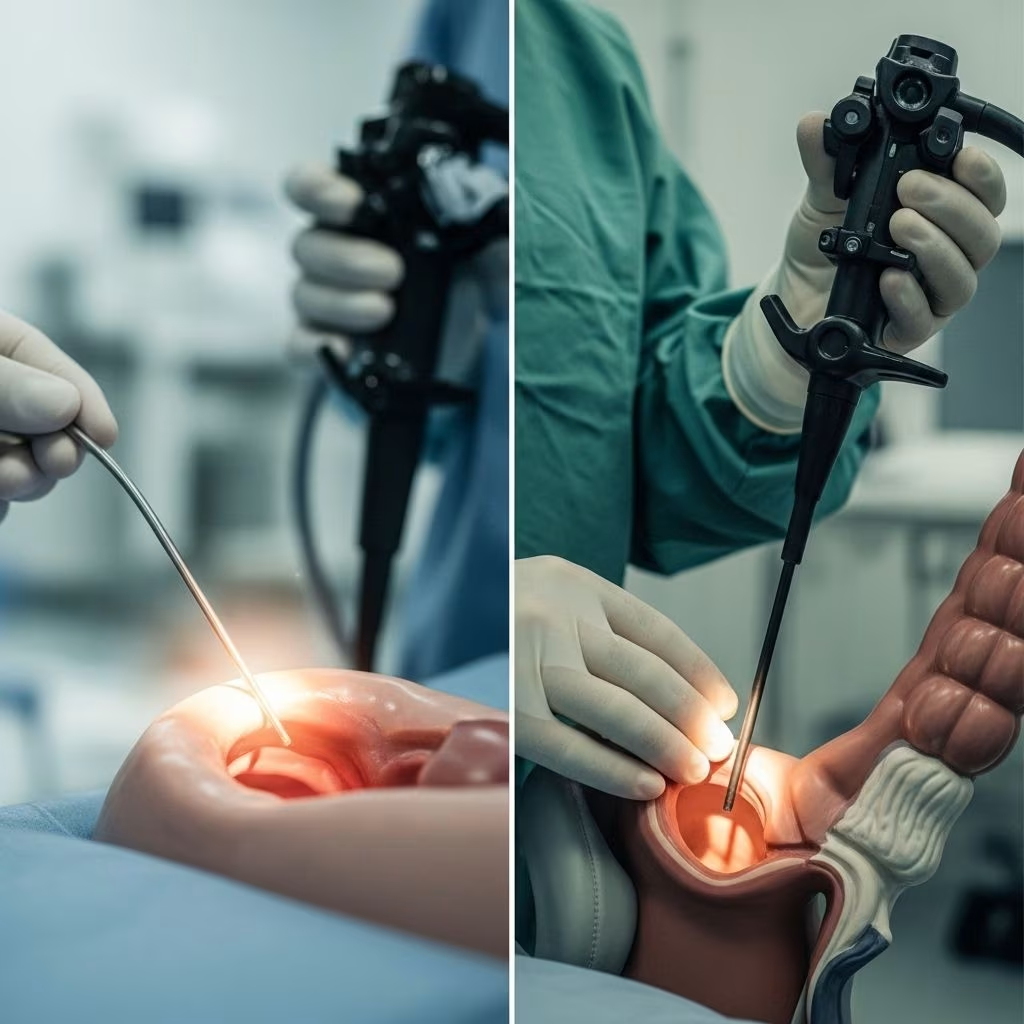
Understanding Endoscopy and Colonoscopy Procedures
Both endoscopy and colonoscopy are minimally invasive diagnostic procedures designed to allow a direct view of the body’s internal organs. These tests are fundamental in detecting, diagnosing, and managing a wide variety of gastrointestinal (GI) conditions, from ulcers and inflammation to polyps and early-stage cancers. Despite their similarities in technology, these procedures serve different purposes, examine different parts of the GI tract, and require distinct preparation steps.
Overview of Endoscopy and Colonoscopy
Endoscopy is a broad term for procedures that enable physicians to examine internal organs using an instrument called an endoscope—a flexible tube outfitted with a light and camera. Colonoscopy, a subtype of endoscopy, targets the colon and rectum. Both tests are used for diagnosing and sometimes treating digestive tract diseases, but their focus areas and clinical indications differ greatly.
What is Endoscopy?
Endoscopy refers to any procedure using an endoscope to look inside the body. It is most commonly performed for the upper GI tract and may include the:
- Esophagus
- Stomach
- Duodenum (first part of the small intestine)
- Other systems such as airways (bronchoscopy) or urinary tract (cystoscopy)
Endoscopy enables visualization, biopsy, removal of abnormal growths, and treatment of bleeding or other lesions. A gastroenterologist can recommend it for persistent heartburn, nausea, difficulty swallowing, upper abdominal pain, or gastrointestinal bleeding.
Types of Endoscopy
- Upper GI Endoscopy (Esophagogastroduodenoscopy, EGD): Examines esophagus, stomach, and duodenum.
- Bronchoscopy: Evaluates airways and lungs.
- Cystoscopy: Looks at the bladder and urinary tract.
- Endoscopic Retrograde Cholangiopancreatography (ERCP): Investigates bile ducts and pancreas.
Primary Uses of Endoscopy
- Diagnosing ulcers, tumors, inflammation, and abnormal growths
- Treating bleeding or blockages
- Removing polyps or foreign objects
- Obtaining tissue samples (biopsies)
What is Colonoscopy?
Colonoscopy is a specialized endoscopic procedure focused solely on the colon (large intestine) and rectum. It uses a colonoscope (similar to the endoscope) to visualize and assess the lining of the colon, identify abnormalities, and perform therapeutic interventions.
Primary Uses of Colonoscopy
- Screening for colorectal cancer, especially in individuals over 45 or those at higher risk
- Detecting and removing polyps (precancerous growths)
- Investigating chronic diarrhea, bleeding, unexplained weight loss, or changes in bowel habits
- Obtaining tissue samples for pathology
If polyps or suspicious areas are found during colonoscopy, they can be removed or biopsied immediately, which is crucial for cancer prevention and early detection.
Colonoscopy as a Preventive Tool
- Reduces risk of colon cancer through early detection and removal of precancerous polyps
- Monitors chronic conditions, such as inflammatory bowel disease (IBD)
Core Differences Between Procedures
| Feature | Endoscopy | Colonoscopy |
|---|---|---|
| Area Examined | Upper GI tract (esophagus, stomach, duodenum) & others | Colon and rectum only |
| Entry Point | Mouth, nose, or incision | Anus |
| Main Diagnostic Purpose | Heartburn, swallowing problems, ulcers, inflammation | Screening for colon cancer, polyps, chronic bowel symptoms |
| Procedure Duration | 10–60 minutes (variable) | 30–60 minutes |
| Preparation | Fasting | Bowel cleansing with strong laxatives |
| Sedation | Mild to moderate (varies) | Moderate (often deeper sedation) |
| Recovery Time | Usually a few hours | Usually the same day; resume normal activities next day |
Both are generally outpatient procedures, share similar technology, and are highly effective in investigating GI symptoms, but their diagnostic focus and sequence vary.
Who Needs Endoscopy or Colonoscopy?
Endoscopy is often recommended for:
- Persistent heartburn or acid reflux
- Unexplained upper abdominal pain
- Difficulty swallowing
- Vomiting, nausea, or GI bleeding
- Evaluating ulcers, tumors, or chronic inflammation
Colonoscopy is often recommended for:
- Adults over age 45 for colon cancer screening
- Family history of colon cancer or polyps
- Persistent changes in bowel habits (e.g., diarrhea, constipation)
- Bloody stool, abdominal pain, unexplained anemia or weight loss
Preparation for Procedures
Endoscopy Preparation
- Fasting for at least 6–8 hours prior to the procedure to ensure an empty stomach
- Stopping certain medications as instructed
- Occasional instructions to avoid drinking water just before test
Colonoscopy Preparation
- More intensive than endoscopy: complete bowel cleansing with powerful laxatives over 1–2 days prior to procedure
- Clear liquid diet 24 hours before the test
- Fasting on the day of procedure
- Arranging transportation home due to sedation effects
Proper preparation is essential for a clear view and accurate diagnosis. Inadequate bowels cleansing can result in a suboptimal exam, requiring rescheduling.
The Procedure Process
How Endoscopy Works
- Patient is settled in procedure room
- Sedation is administered, typically intravenous but sometimes local anesthetic
- Endoscope is gently inserted through the mouth, advanced to the area to be examined
- Real-time video feed allows doctor to inspect and, if needed, biopsy or treat abnormal areas
- Procedure typically lasts 10–30 minutes
How Colonoscopy Works
- Patient is positioned on their side, sedation is administered
- Colonoscope is gently inserted through the anus, advanced through colon
- Doctor examines entire colon and rectum, can remove polyps or take biopsies
- Procedure takes 30–60 minutes
Both procedures are usually painless due to sedation, but patients may remember little or nothing afterwards.
Recovery and Post-Procedure Care
- Recovery from both procedures usually takes a few hours; patients are monitored until sedation wears off.
- Eating and drinking resumes shortly after endoscopy if no intervention was performed.
- After colonoscopy, minor bloating or mild cramping from air introduced during the procedure is normal.
- Patients should not drive or make important decisions for the rest of the day due to residual sedation.
- Potential for minor symptoms: sore throat after endoscopy, mild bleeding after polyp removal during colonoscopy.
Benefits and Risks
Benefits
- Direct visualization and diagnosis of GI problems, often avoiding the need for major surgery
- Opportunity to intervene immediately, such as removing polyps, stopping bleeding, or taking biopsies
- Significant reduction in mortality from colon cancer when screening is performed regularly
Risks
- Minor risks: discomfort, bloating, sore throat
- Serious complications (<1%): bleeding, infection, perforation of the GI tract (hole in organ wall)
- Adverse reaction to sedatives (rare, especially with proper monitoring)
Risks are extremely low, especially when procedures are performed by experienced professionals.
Frequently Asked Questions (FAQs)
Q: Is endoscopy painful?
A: Thanks to sedation and local anesthesia, most patients do not feel pain. Minor soreness in throat may occur afterwards but resolves quickly.
Q: How long do the procedures take?
A: Endoscopies usually finish within 10–30 minutes, colonoscopies within 30–60 minutes, depending on complexity.
Q: Are there alternatives to these procedures?
A: Some imaging tests (such as CT colonography or barium studies) provide indirect views but cannot obtain biopsies or treat lesions.
Q: How often should I have a colonoscopy?
A: Screening typically begins at age 45 and is repeated every 10 years unless higher risk or abnormal findings dictate earlier repeat.
Q: What happens if a polyp is found?
A: Polyps can often be removed during the procedure and sent to laboratory for analysis. Removal helps prevent future cancer development.
Q: What if I can’t tolerate anesthesia?
A: Sedation options are tailored. For severe sensitivities, discuss alternatives such as lighter sedation or sedative-free approaches with your doctor.
Q: Can I eat or drink after my procedure?
A: Yes, after recovery from sedation and once your doctor confirms it is safe, usually within a few hours.
Conclusion
Endoscopy and colonoscopy are essential diagnostic tools in modern medicine, enabling direct visualization of gastrointestinal organs, early detection of disease, and prompt intervention when needed. Understanding their similarities, differences, preparation, and risks can help patients approach these procedures with confidence and ensure the best possible outcomes for their digestive health. Always consult your gastroenterology specialist for personalized advice and care tailored to your medical needs.
References
- https://gapgi.com/endoscopy-vs-colonoscopy-whats-the-difference/
- https://www.northlakegastro.com/understanding-the-differences-endoscopy-vs-colonoscopy
- https://www.healthline.com/health/endoscopy-vs-colonoscopy
- https://www.digestive-health.net/blog/upper-endoscopy-and-colonoscopy-key-differences-and-when-you-need-them/
- https://www.gastroconsa.com/endoscopy-vs-colonoscopy-whats-the-difference/
- https://www.healthdirect.gov.au/surgery/upper-gi-endoscopy-and-colonoscopy
- https://my.clevelandclinic.org/health/diagnostics/25126-endoscopy
- https://www.carecredit.com/well-u/health-wellness/endoscopy-vs-colonoscopy/


