


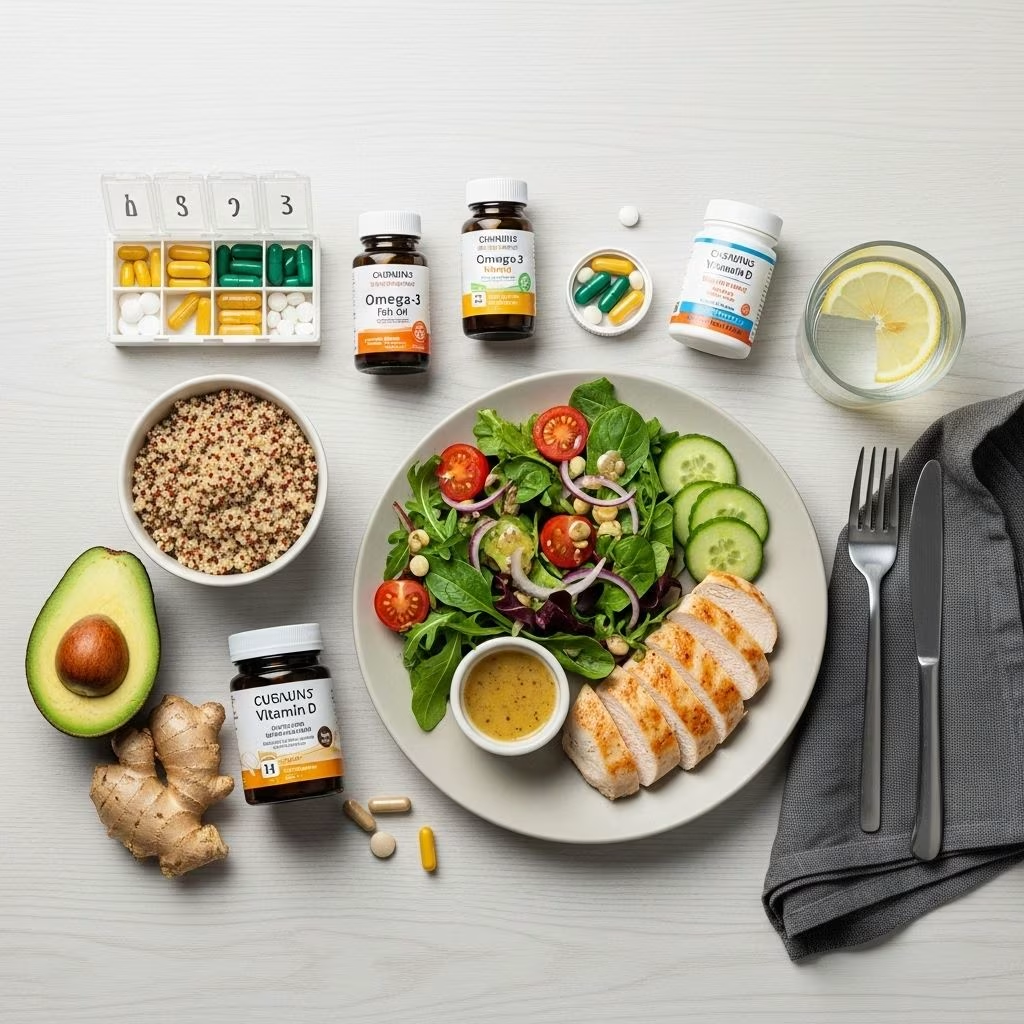
Maintaining remission in Inflammatory Bowel Disease (IBD) — including Crohn’s disease and ulcerative colitis — requires a comprehensive approach that integrates evidence-based dietary patterns, strategic supplementation, and individualized care. While medication remains central to long-term IBD management, nutrition can improve quality of life, reduce risk of relapse, replenish micronutrient stores, and support healing. This guide explores current best practices for diet and supplementation during IBD remission, covering practical strategies, emerging research, and frequently asked questions.
Understanding IBD Remission
Remission in IBD is a state where the symptoms of inflammation — such as abdominal pain, diarrhea, and fatigue — are minimal or absent. Achieving and sustaining remission is the cornerstone of IBD management, as ongoing inflammation increases the risk of complications and reduces quality of life. Dietary patterns can support remission by:
- Correcting and preventing nutritional deficiencies
- Promoting gut healing and mucosal integrity
- Supporting medication effectiveness
- Reducing risk of relapse by avoiding trigger foods
However, no single diet works for all individuals with IBD. Collaboration with a registered dietitian or IBD specialist is crucial.
Principles of Nutrition in Remission
Patients in remission should aim for a well-balanced, individualized diet that provides sufficient calories, protein, vitamins, minerals, and fluid. Core principles include:
- Variety: Include diverse foods from all food groups to cover micronutrient needs.
- Hydration: Drink at least 8–10 glasses of water per day for adequate hydration and intestinal function .
- Fiber: If tolerated, gradually increase high-fiber carbohydrates (e.g., oat bran, legumes, barley) to support digestive health .
- Monitor triggers: Use food diaries to identify and avoid foods that have previously caused symptoms .
Evidence-Based Dietary Patterns for IBD Remission
| Dietary Pattern | Key Features | Evidence & Recommendations |
|---|---|---|
| High Fiber Diet | Fruits, vegetables, whole grains (as tolerated), plant proteins | Strongly recommended if well tolerated; fiber supports remission and gut health |
| Semi-Vegetarian Diet | Primarily plant-based, occasional fish and meat, dairy and eggs allowed | Emerging evidence for high remission rates, particularly in Crohn’s disease |
| Mediterranean Diet | High in plant foods, olive oil, fish, low in red meat | Optional; limited studies suggest potential benefit |
| Limiting n-6 PUFAs and trans fats | Reduce oils like corn, safflower, margarine; avoid processed foods | Strongly recommended |
| Low FODMAP Diet | Limits fermentable carbs in people with persistent symptoms | Optional for IBS-like symptoms in IBD remission |
The choice of dietary pattern should be individualized, taking into account personal preferences, tolerances, and nutritional status. There is currently no single diet universally proven to maintain remission in all people with IBD .
Semi-Vegetarian Diet: A Promising Approach
In a Japanese trial, a semi-vegetarian diet significantly reduced relapse rates in Crohn’s disease compared to omnivorous diets (92% remission after two years). This diet included:
- Plant foods as the basis of meals
- Eggs and dairy allowed
- Fish once weekly; meat once every two weeks
While promising, larger studies are needed to confirm these findings .
Mediterranean Diet
Although not specific to IBD, the Mediterranean diet is high in antioxidant-rich fruits and vegetables, olive oil, and omega-3 fatty acids, and low in red and processed meats. Some evidence suggests this pattern may reduce inflammation and support gut health .
Foods to Emphasize
The following foods and nutrients are typically encouraged during IBD remission, subject to individual tolerance:
- Colorful fruits and vegetables: Cooked, skinless, or pureed options can be gentler on digestion if necessary.
- High-fiber whole grains: Oat bran, barley, brown rice, and whole-wheat pasta provide fiber and nutrients.
- Lean proteins: Poultry, fish, eggs, tofu, and lean meats.
- Healthy fats: Olive oil, canola oil, fatty fish (salmon, sardines).
- Dairy products: If tolerated; lactose-free or dairy substitutes as needed .
- Legumes and nuts: As tolerated; may need to limit if high fiber causes symptoms.
- Fluids: Adequate water intake to prevent dehydration.
Vitamin and mineral supplementation may be advised if dietary sources are insufficient or absorption is impaired.
Foods to Limit or Avoid
Commonly recommended dietary exclusions (individual response varies):
- High-fat and fried foods
- Processed meats and red meats (especially beef, pork, lamb)
- Refined carbohydrates (sugary drinks, sweets, white bread, pastries)
- Alcohol and caffeine (can stimulate the bowel and worsen symptoms)
- Spicy foods
- Raw fruits and vegetables (if symptoms occur; cooked versions may be better tolerated)
- Seeds, nuts, and popcorn (potentially irritating if strictures or prior blockages)
- Foods high in n-6 polyunsaturated fats (corn, safflower oil, margarine, processed foods)
Always individualize restrictions based on personal tolerance and discuss with your care team before excluding entire food groups.
Supplementation Recommendations
Several supplements have demonstrated benefits for maintaining IBD remission or correcting specific deficiencies:
| Supplement | Indication | Evidence & Dose | IBD Type |
|---|---|---|---|
| Vitamin D | Frequency of deficiency is high; supports immune and gut health | Strongly recommended, minimum 1200 IU/day, aiming for serum 25(OH)D >75 nmol/L | Both CD and UC |
| Psyllium (soluble fiber) | Helps maintain remission, regulate bowel movements | Recommended, 4 grams/day | Ulcerative Colitis |
| Curcumin (from turmeric) | Anti-inflammatory properties | Optional, 1 gram twice daily | Ulcerative Colitis |
| Oat bran | Source of soluble fiber | Optional, 20 grams/day | Ulcerative Colitis |
| Germinated Barley Foodstuff | Fermentable fiber for gut health | Optional, 20 grams/day | Ulcerative Colitis |
| Wheat bran | Source of insoluble fiber | Optional, ½ cup daily | Crohn’s Disease |
- Iron, Vitamin B12, Folate, Calcium, Zinc, Magnesium: Supplement according to individual deficiency, especially after surgeries or in patients with restrictive diets or impaired absorption.
- Omega-3 fatty acids: Not routinely recommended for remission maintenance, but dietary sources (fatty fish, flaxseed) can be included .
Special Dietary Approaches
Some patients or practitioners may consider specialized diets in select circumstances.
- Partial Enteral Nutrition (PEN): Involves using an oral nutritional supplement to provide 25–50% of caloric needs alongside whole foods, mainly used for Crohn’s disease, especially in pediatrics. Can help sustain remission but should be supervised by a clinician .
- Exclusive Enteral Nutrition (EEN): Complete liquid nutrition, generally reserved for inducing remission rather than maintaining it.
- Low FODMAP Diet: Restricts fermentable carbohydrates to manage persistent IBS-like symptoms in those already in remission . Not a primary remission-maintenance diet.
- Specific Carbohydrate Diet, Paleo Diet, IBD Anti-Inflammatory Diet (IBD-AID): Interest exists but evidence is not sufficient to recommend these approaches outside of individual experimentation guided by an expert .
Meal Planning and Practical Tips
Consistent, mindful eating can support digestive comfort and nutritional adequacy during remission. Consider the following strategies:
- Eat smaller, more frequent meals to limit intestinal workload.
- Reintroduce high-fiber foods slowly after a flare and monitor tolerability.
- Prepare foods by steaming, roasting, or baking rather than frying.
- Keep a food and symptom diary to identify potential triggers for relapse or discomfort .
- Consult a dietitian experienced in IBD for personalized advice and troubleshooting.
- Test for food intolerances (e.g., lactose) if relevant symptoms persist.
- Plan balanced meals: Each meal should include a source of complex carbohydrate, lean protein, healthy fat, and a variety of fruits or vegetables (as tolerated).
Sample Day of Eating During IBD Remission*
| Meal | Example Foods |
|---|---|
| Breakfast | Oatmeal with banana, chopped walnuts, and lactose-free milk |
| Snack | Applesauce or a small serving of yogurt |
| Lunch | Grilled chicken breast, cooked carrots and green beans, brown rice |
| Snack | Hummus and pita or cooked lentil patty |
| Dinner | Baked salmon, potato mash, steamed zucchini, olive oil drizzle |
| Evening Snack | Rice cakes or fruit juice |
*Customize based on individual tolerances, preferences, and nutritional requirements.
Frequently Asked Questions (FAQs)
Q: Is there a universal ‘IBD diet’ that works for everyone in remission?
No. Individual responses vary greatly. Many people tolerate varied diets during remission, but the key is identifying triggers and eating a balanced, nutrient-rich diet. Collaboration with a dietitian is essential .
Q: Should I avoid fiber during remission?
Fiber is generally beneficial if tolerated, as it helps support gut bacteria and regular bowel movements. However, some individuals with strictures or recent flares may need to reintroduce fiber slowly .
Q: Do I need to avoid lactose or dairy products?
Dairy is encouraged if tolerated. Some may develop lactose intolerance; symptoms like bloating or diarrhea after consuming dairy warrant trying lactose-free products or alternatives .
Q: Are supplements always necessary?
Not always, but many with IBD are at risk for deficiencies (e.g., vitamin D, iron, B12, calcium). Blood work and professional advice should inform supplement use .
Q: Can I drink alcohol or coffee in remission?
It depends on individual tolerance. Alcohol and caffeine can cause GI symptoms in some people; moderation or avoidance is prudent if symptoms occur .
Q: Should I try an elimination or fad diet?
It is not recommended to eliminate major food groups without professional guidance, as this can lead to deficiencies and doesn’t guarantee better disease control .
Q: Is the Mediterranean or semi-vegetarian diet safe for children with IBD?
These diets provide balanced nutrition and are generally safe but should be supervised by specialists to ensure adequate growth and nutrient intake, especially for children and adolescents.
Key Resources
- Crohn’s & Colitis Foundation: Diet and Nutrition Guidance for IBD Patients
- Cleveland Clinic: IBD Diet Recommendations
- NIH: Nutrition in IBD – Peer Reviewed Reviews
Disclaimer: This information is general guidance. For a personalized management plan, consult your gastroenterologist and registered dietitian experienced with IBD care.
References
- https://www.uhhospitals.org/services/digestive-health-services/conditions-and-treatments/small-and-large-intestine/inflammatory-bowel-disease/diet-guide
- https://pmc.ncbi.nlm.nih.gov/articles/PMC5372922/
- https://www.crohnscolitisfoundation.org/patientandcaregivers/diet-and-nutrition/special-ibd-diets
- https://www.crohnscolitisfoundation.org/patientsandcaregivers/diet-and-nutrition/what-should-i-eat
- https://www.uchealth.com/en/media-room/articles/ibd-diet-guide
- https://crohnsandcolitis.ca/About-Crohn-s-Colitis/IBD-Journey/Diet-and-Nutrition-in-IBD/Eating-and-Drinking-with-IBD
- https://pmc.ncbi.nlm.nih.gov/articles/PMC7400838/
- https://www.monashfodmap.com/blog/diet-for-ibd/


