


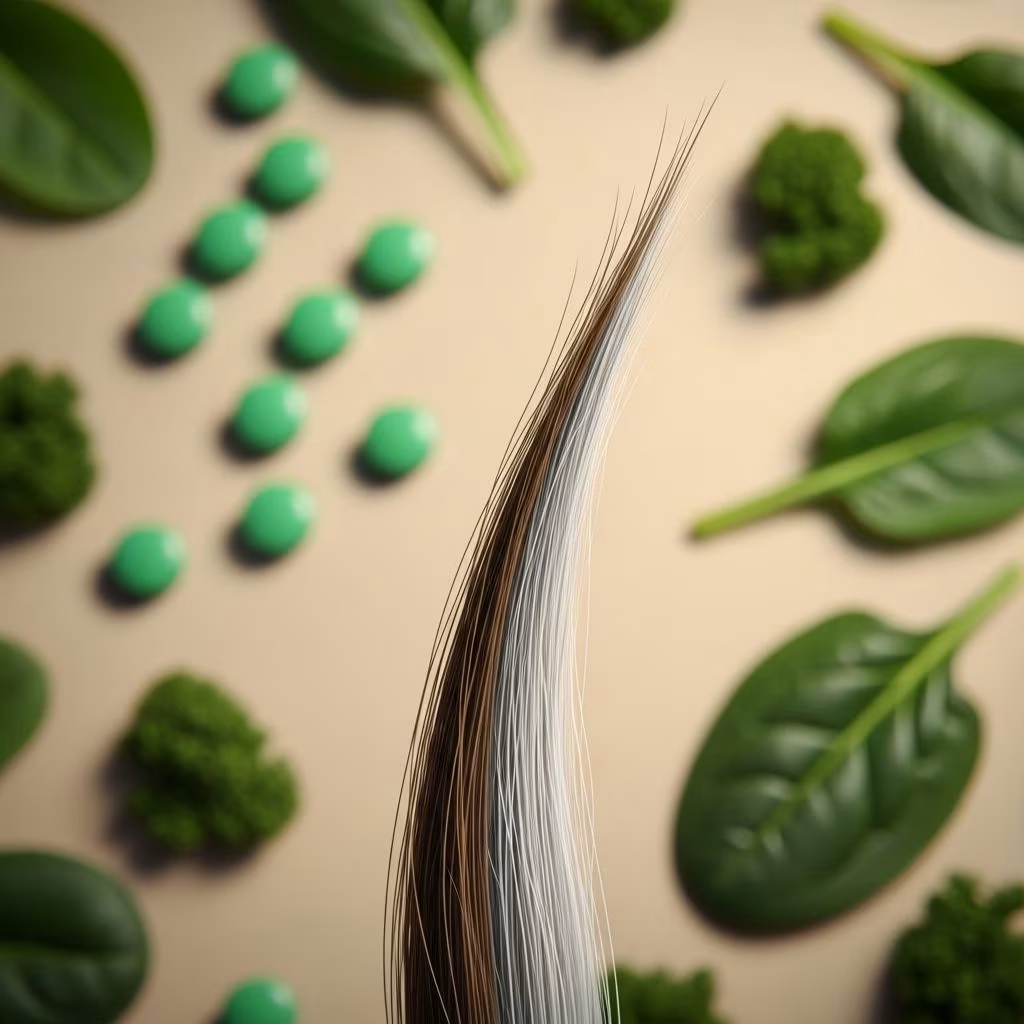
What is Premature Hair Graying?
Premature hair graying (canities), defined as loss of hair pigment before the age of 30 in Caucasians, 25 in Asians, and 30 in Black populations, is a common yet often distressing condition. Normally, hair color is produced by melanocytes—pigment-producing cells in hair follicles—which synthesize melanin. As we age, melanocyte activity decreases, resulting in reduced melanin production and gray hair. However, when this process occurs earlier than expected, it is termed premature graying. According to dermatological research, a variety of factors can trigger premature graying, including genetic predisposition, oxidative stress, nutritional deficiencies, and lifestyle habits.
What is Folic Acid?
Folic acid, also known as vitamin B9 or folate, is a water-soluble B vitamin essential for DNA synthesis, red blood cell formation, and cell division. It is naturally found in leafy greens, legumes, nuts, and fortified cereals. The body uses folic acid to support healthy growth and regeneration of tissues, including skin, nails, and hair.
The Centers for Disease Control and Prevention (CDC) recommends that women of childbearing age consume 400 mcg of folic acid daily to prevent neural tube defects in pregnancy, but its benefits extend beyond maternal health to general cellular maintenance and hair pigmentation.
Link Between Folic Acid Deficiency and Premature Graying
Emerging research suggests a plausible connection between folic acid deficiency and premature hair graying. A 2017 study published in the International Journal of Trichology reported that young people with premature graying had significantly lower levels of folic acid, biotin, and vitamin B12 compared to their peers without premature gray hairs. Another study found an association between the severity of graying and the prevalence of folic acid deficiency, indicating that as gray hair increased, so did the likelihood of having insufficient folic acid levels.
Folic acid is crucial for cell growth and differentiation, including melanocytes—the cells responsible for hair color. Insufficient folic acid may impair melanocyte function, leading to reduced melanin production and earlier onset of gray hair.
However, it’s important to note that while observational studies show an association, more robust clinical trials are needed to establish a definitive causal relationship. Still, correcting nutritional deficiencies, including folic acid, is considered a reasonable approach to potentially slow the progression of premature graying.
Symptoms of Folic Acid Deficiency
Folic acid deficiency can manifest in various ways, including:
- Fatigue and weakness
- Headaches
- Pale skin
- Smooth, tender tongue and mouth sores
- Reduced appetite
- Premature hair graying
Severe deficiency can lead to folic acid deficiency anemia, characterized by decreased red blood cell production, which impacts oxygen delivery to tissues, including hair follicles. While folic acid deficiency is linked to hair graying, current evidence does not strongly associate it with hair loss.
Other Nutritional Factors Affecting Hair Pigmentation
Folic acid is not the only nutrient linked to hair pigmentation. Research indicates that deficiencies in the following nutrients may also contribute to premature graying:
| Nutrient | Role in Hair Pigmentation | Evidence |
|---|---|---|
| Vitamin B12 | Supports melanocyte function and DNA synthesis | Lower levels found in individuals with premature graying; pernicious anemia patients often gray earlier |
| Vitamin D3 | May influence melanin synthesis | Low levels associated with premature graying in some studies |
| Iron (Ferritin) | Essential for hair health and pigmentation | Deficiency linked to premature graying |
| Copper | Required for melanin production | Low levels found in individuals with premature graying |
| Calcium, Zinc, Selenium | Support oxidative defense and cell health | Occasional connections, but less evidence than other nutrients |
Protein-energy malnutrition and chronic disease can also lead to reversible hypopigmentation. Addressing these deficiencies may help maintain or restore hair color in some cases.
Genetic and Lifestyle Factors
While nutrition is important, genetics play a dominant role in determining when your hair turns gray. Early graying often runs in families, and the age at which graying begins varies by ethnicity. Lifestyle factors such as smoking, pollution, and chronic stress can accelerate oxidative damage to melanocytes, further promoting premature graying.
Smoking, in particular, has been strongly linked to premature graying, likely due to increased oxidative stress and DNA damage in hair follicle cells. Chronic stress may also contribute, as stress hormones can negatively affect melanocyte stem cells. Repeated plucking of gray hairs is sometimes thought to promote graying, though evidence is limited and the mechanism is unclear.
Diagnosis and Testing
If premature graying is a concern, especially without a family history, clinicians may recommend tests for:
- Serum folic acid levels
- Vitamin B12 and D3 levels
- Iron (ferritin), copper, and other micronutrients
- Thyroid function
Identifying deficiencies allows for targeted supplementation and dietary adjustments. Routine screening for these deficiencies in individuals with early graying is increasingly recognized as a sensible approach.
Prevention and Treatment
To minimize the risk of premature hair graying, consider the following strategies:
- Eat a balanced diet: Incorporate foods rich in folic acid (leafy greens, beans, nuts), vitamin B12 (meat, dairy, fortified cereals), and other essential nutrients.
- Consider supplementation: If dietary intake is insufficient, folic acid supplements may help, especially when deficiency is confirmed through testing.
- Reduce oxidative stress: Avoid smoking, limit sun exposure, and manage stress through relaxation techniques.
- Avoid hair trauma: Repeated plucking of gray hairs may harm follicles and is not recommended.
- Medical evaluation: For persistent or rapidly progressing graying, consult a healthcare provider to rule out underlying conditions such as thyroid disorders or autoimmune diseases.
Myths and Misconceptions
Several myths surround hair graying, including the idea that plucking one gray hair causes more to grow in its place (not supported by strong evidence). Another common belief is that stress alone causes all gray hair; while chronic stress may contribute, genetics and nutrition play a larger role. There is also no scientific basis to claims that gray hair can be permanently reversed by any supplement or topical treatment—existing gray hairs cannot regain their original color, but further graying may be slowed with proper nutrition and lifestyle changes.
Frequently Asked Questions (FAQs)
Q: Can taking folic acid reverse or stop gray hair?
A: While folic acid may help slow the progression of premature graying if a deficiency exists, it cannot restore color to already gray hairs. The focus should be on prevention and maintaining overall hair health.
Q: How much folic acid should I take daily to prevent gray hair?
A: The CDC recommends 400 mcg of folic acid daily for women of childbearing age; adults should aim for this amount through diet or supplements, but higher doses should only be taken under medical supervision.
Q: Are there any risks to taking folic acid supplements?
A: Most people tolerate folic acid well, but excessive intake can mask vitamin B12 deficiency. Consult a healthcare provider before starting high-dose supplements.
Q: Is premature graying always a sign of nutritional deficiency?
A: No, premature graying is often genetic. However, if no family history exists, nutritional deficiencies (especially folic acid, B12, and iron) should be considered.
Q: Can stress cause gray hair?
A: Chronic stress may accelerate the graying process by increasing oxidative stress, but it is not the sole cause—genetics and nutrition are more significant factors.
Conclusion
Premature hair graying is influenced by a complex interplay of genetics, nutrition, oxidative stress, and lifestyle. Folic acid deficiency has emerged as a potentially modifiable risk factor, supported by observational studies showing lower folic acid levels in individuals with early graying. While more definitive research is needed, addressing nutritional gaps—particularly in folic acid, vitamin B12, and iron—offers a practical approach to delaying or mitigating the onset of gray hair. A nutrient-rich diet, avoidance of harmful lifestyle habits, and targeted supplementation when necessary are key strategies for maintaining hair color and overall health.
Ultimately, while gray hair is a natural part of aging, those experiencing premature graying can take proactive steps by focusing on nutrition, stress management, and consulting healthcare professionals for personalized advice.
References
- https://www.mdhair.co/article/premature-hair-graying
- https://www.forhers.com/blog/folic-acid-deficiency-symptoms-hair
- https://www.vitaminforlife.org/folic-acid-your-hair/
- https://pmc.ncbi.nlm.nih.gov/articles/PMC6290285/
- https://pmc.ncbi.nlm.nih.gov/articles/PMC5514791/
- https://www.statesmanjournal.com/story/life/livingwell/2017/01/19/enough-folic-acid-can-cause-fatigue-even-gray-hair/96799750/
- https://onlinelibrary.wiley.com/doi/10.1111/ijd.17580
- https://www.medicalnewstoday.com/articles/320288


