


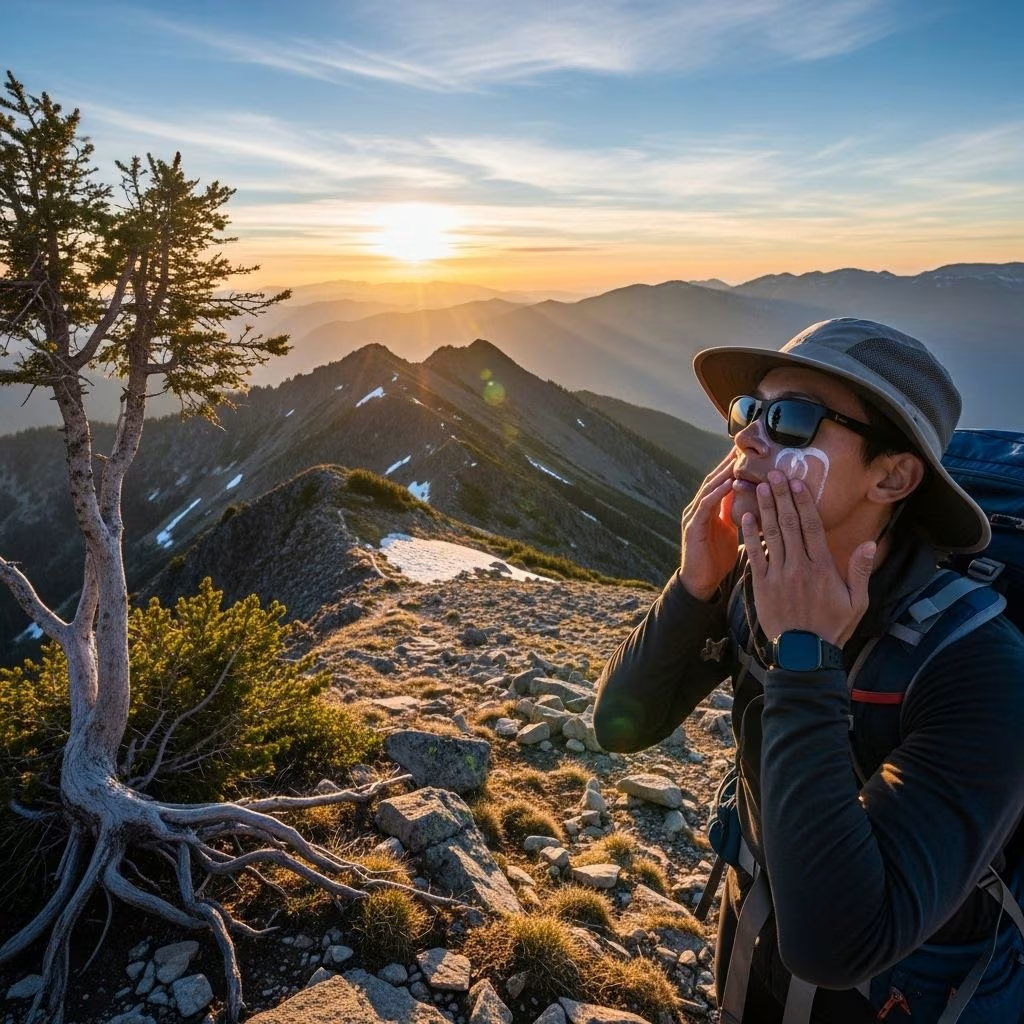
Living at high altitudes offers breathtaking views, fresh air, and an exhilarating lifestyle. However, it presents unique challenges for your skin, from parched air and increased UV exposure to premature signs of aging. This comprehensive guide outlines the essential skincare adjustments for high-altitude environments, helping you achieve healthy, glowing skin while thriving in elevated climates.
Unique Challenges of High-Altitude Skin
High-altitude regions—typically above 2,500 feet—pose distinctive problems for skin health. Understanding these challenges is the first step toward building an effective skincare routine.
- Dry, thin air: Reduced atmospheric pressure leads to lower humidity, which strips moisture from the skin and impairs its natural barrier.
- Intensified UV exposure: UV radiation increases by roughly 10% for every 1,000 feet above sea level, increasing the risk of sunburn, hyperpigmentation, and accelerated aging.
- Decreased oxygen levels: Cells receive less oxygen, slowing healing and reducing collagen production, which may advance the appearance of fine lines and dullness.
- Temperature extremes: Fluctuating cold, wind, and sun exposure can lead to irritation, redness, and increased vulnerability to environmental stressors.
- Increased need for internal and external hydration: Dehydration occurs more rapidly, demanding a dual focus on topical and internal hydration.
Hydration Strategies for Mountain Skin
Hydration is the foundation of effective high-altitude skincare. Lack of moisture leads to tightness, flaking, sensitivity, and an aged appearance. Implement these strategies:
- Switch to rich moisturizers: Light gels and lotions often fail at altitude. Use creams or balms with ingredients such as hyaluronic acid, shea butter, ceramides, coconut oil, or avocado oil to replenish and lock in moisture.
- Layer hydrating products: Combine a hydrating serum (e.g., with hyaluronic acid), followed by a nourishing cream, and finish with an occlusive balm if skin is very dry.
- Use hydrating face mists: Spritz your skin with a mist containing aloe vera, chamomile, or cucumber throughout the day for instant refreshment and relief from dryness.
- Include moisture-boosting masks: Once or twice weekly, use a deeply hydrating mask to restore plumpness and soothe irritation.
- Runner-up for hydration: Install a cool-mist humidifier at home to add moisture to dry indoor air, especially during winter or heating season.
- Hydrate internally: Drink plenty of water—at least 50-60 oz (1.5-1.8 L) daily. Increased respiration at altitude can hasten dehydration.
- Lip care: Use a hydrating, occlusive lip balm with SPF to prevent lips from cracking and chapping.
Sun Protection Essentials
Sun damage is amplified at altitude and can occur year-round, even during winter or on cloudy days. Aggressive sun protection is critical.
- Use broad-spectrum sunscreen: Apply SPF 30 or higher with UVA/UVB and antioxidant protection, regardless of skin tone or weather.
- Apply generously and often: Reapply every two hours if outdoors, and after sweating or water exposure. Don’t neglect the ears, neck, and hands.
- Wear protective gear: Supplement sunscreen with wide-brimmed hats, UV-blocking sunglasses, long sleeves, and UPF-rated clothing where possible.
- Choose SPF lip balm: Protect your lips from actinic damage with a broad-spectrum SPF 15+ product.
- Consider antioxidant serums: Serums with vitamin C or E can help neutralize free radical damage and repair sun-stressed skin.
| Protection Challenge | Low Altitude | High Altitude |
|---|---|---|
| UV intensity | Standard (<10% risk increase per 1000 ft) | 10% increased UV per 1000 ft |
| Risk of sunburn | Moderate | High (sunburn can develop rapidly) |
| SPF recommended | SPF 15-30 adequate for most | SPF 30-50+ recommended |
Moisturizer and Product Choices
At higher altitudes, what works at sea level often falls short. Here’s how to choose your arsenal wisely:
- Favor heavier textures: Rich creams, balms, and ointments provide a vital barrier that preserves hydration in an ultra-dry climate.
- Seek barrier-repair ingredients: Look for ceramides, cholesterol, fatty acids, and squalane to rebuild your skin’s protective layer.
- Avoid harsh exfoliants: Over-exfoliation or strong acids can worsen dryness and sensitivity. Opt for gentle exfoliation only if your skin tolerates it.
- Choose hydrating cleansers: Use creamy, sulfate-free cleansers that cleanse without stripping natural oils.
- Pick antioxidant-rich products: Vitamin C, E, niacinamide, and other antioxidants help fight environmental damage, inflammation, and pigmentation.
- Embrace face oils: Oils like jojoba, rosehip, seabuckthorn, and argan can boost hydration and protect without clogging pores if used judiciously.
Nighttime and Recovery Care
Harness the body’s repair cycle while you sleep. Nighttime is an opportunity to restore skin and arm it for the next day’s stresses.
- Night creams and sleeping masks: Invest in nourishing, barrier-strengthening night treatments packed with peptides or ceramides.
- Oxygenating facials: Professional oxygen infusion facials can boost skin vitality, supporting regeneration in oxygen-deprived high-altitude environments.
- Intensive restorative serums: Look for formulas addressing redness, irritation, or ‘altitude-aged’ skin with calming botanicals and high-potency antioxidants.
- Hydrating balancers/toners: Use moisture-rich toners rather than astringent formulas, which may strip vital oils.
Advanced Treatments for Altitude-Aged Skin
Regular skincare may need a boost from targeted treatments, particularly for those noticing accelerated aging, pigmentation, or persistent dryness.
- Microneedling and chemical peels: Under professional guidance, these treatments improve skin texture and tone, stimulate collagen, and address uneven pigmentation caused by altitude-exacerbated sun exposure.
- IPL (Intense Pulsed Light): Effective for minimizing pigmentation and sun-spots common in high-altitude dwellers.
- IV nutrient therapy: Some clinics offer vitamin and antioxidant infusions to support overall skin health from within.
Nutrition and Lifestyle Factors
The holistic approach to skincare is critical at altitude. Fortifying the skin from the inside is as vital as topical maintenance.
- Vital hydration: Regular water intake supports all organ functions, especially the skin in dry climates.
- Balanced diet: Aim for a nutrient-rich diet with healthy fats (avocado, seeds, nuts), antioxidants (berries, greens), and lean protein to support natural barrier repair and glow.
- Avoid excessive caffeine or alcohol: Both can dehydrate skin further, compounding dryness.
- Prioritize sleep: Quality rest is essential for skin repair, especially after exposure to sun and wind.
Common Mistakes to Avoid
- Neglecting year-round sun protection: Even skiers and winter hikers frequently skip sunscreen, assuming cold weather provides immunity. UV is intensified in the mountains.
- Over-exfoliating: Too-frequent use of physical or chemical exfoliants can compromise the skin barrier, increasing sensitivity and dryness.
- Using lightweight products only: Gels and fluid moisturizers may work in humid valleys or at sea level but are insufficient in arid, alpine environments.
- Ignoring the lips and delicate areas: Failing to protect these vulnerable spots accelerates chapping, burning, and aging.
Frequently Asked Questions (FAQs)
Q: Why does my skin get so dry at high altitude?
A: Air at high altitudes has significantly lower humidity and air pressure, which accelerates water loss from the skin and disrupts its natural barrier, causing dryness and sensitivity.
Q: How often should I reapply sunscreen in the mountains?
A: Apply broad-spectrum SPF 30+ at least every two hours, especially if sweating, skiing, or after water exposure—even in overcast or snowy conditions.
Q: Can I use my regular skincare products from sea level?
A: Most sea-level formulations, especially lightweight gels or lotions, are too weak for extreme dryness at altitude. Switch to richer, barrier-repair creams and hydrating serums for best results.
Q: What ingredients should I avoid at high altitude?
A: Avoid harsh exfoliants, strong retinoids (unless your skin is well-acclimated), alcohol-heavy toners, and products with high fragrance content, as these increase sensitivity and dehydration.
Q: Is professional skincare worth it in mountain climates?
A: Targeted treatments like oxygen facials, advanced peels, or nutrient infusions can be particularly beneficial in combating altitude-specific skin issues, but always consult a licensed professional for tailored guidance.
Q: Do I need to change my routine with the seasons?
A: Yes—winter often demands extra moisture, while increased summer sun may call for antioxidant boosts and more frequent sunscreen application. Adjust your regimen as climate, temperature, and activities shift throughout the year.
Conclusion
Adapting your skincare routine for high-altitude living requires understanding the unique climate challenges, prioritizing intensive moisture, upgrading sun protection, and carefully choosing products and lifestyle habits. With proper adjustments, radiant, resilient skin is absolutely achievable in the mountains—no matter how high you climb.
References
- https://www.contourbodyspa.com/blogs/news/10-benefits-of-high-altitude-skincare-how-to-glow-in-glenwood-springs
- https://www.telluridefacials.com/blogs/news/the-ultimate-guide-to-skincare-in-high-altitude-environments
- https://pourmoiskincare.com/blogs/beautyforecast/high-elevation-skin-care-how-to-help-your-skin-thrive-in-high-altitudes
- https://www.skinelite.com/blog/skincare-for-different-altitudes-a-highflying-guide-to-glowing-skin/
- https://theskincompany.com/colorado-altitude-speeds-up-wrinkle-formation/
- https://www.clinikally.com/blogs/news/thriving-skin-at-high-altitudes-conquering-the-mountain-glow
- https://velvetfiles.com/effects-of-dry-climate-on-skin/
- https://thealpinistas.com/blog/dont-stress-the-dryness-high-altitude-skin-help-is-here-e18072/
- https://www.payot.com/en/blogs/news/comment-prendre-soin-de-ma-peau-en-altitude


