


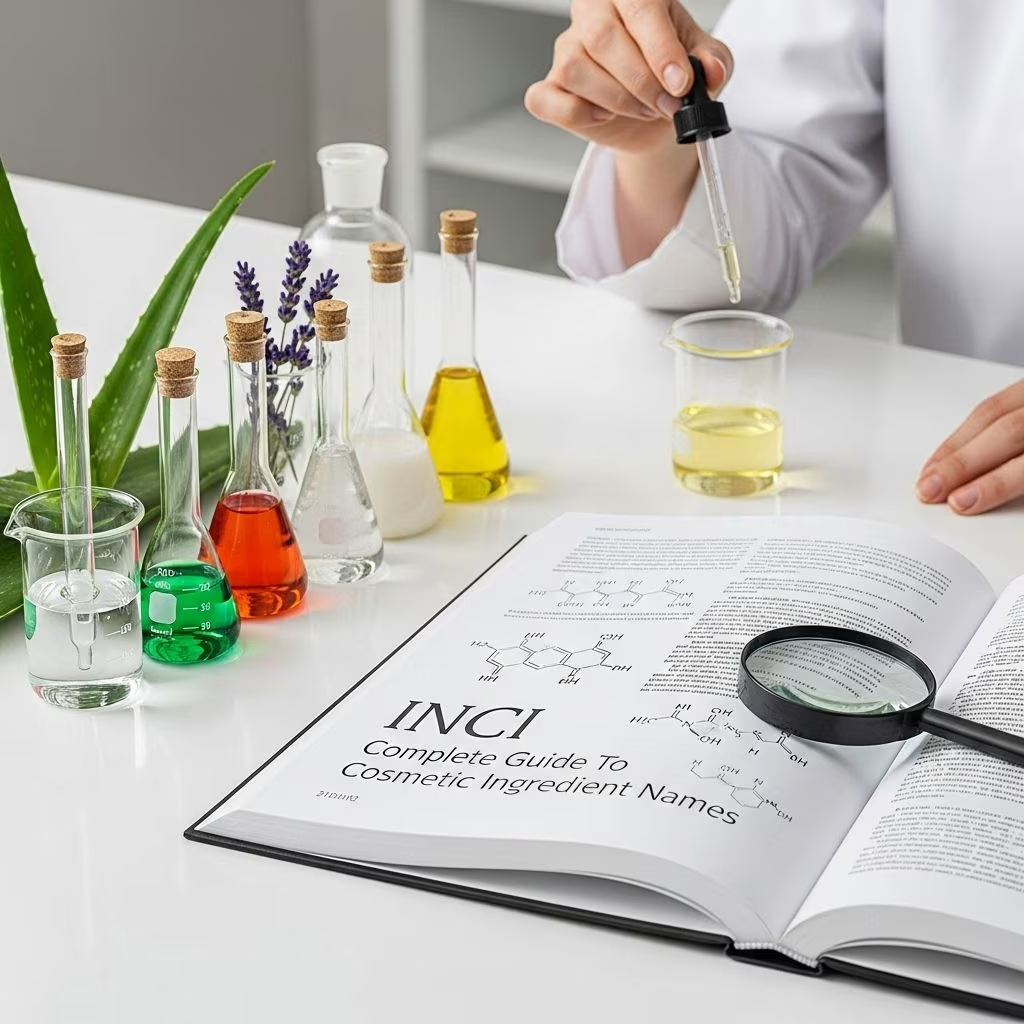
Introduction to INCI
INCI, or International Nomenclature of Cosmetic Ingredients, is a systematic naming system used for identifying ingredients in cosmetic products. Developed by the Personal Care Products Council (PCPC), previously known as the Cosmetic, Toiletry, and Fragrance Association (CTFA), INCI names provide a uniform way to list ingredients on product labels, ensuring clarity and consistency across different markets worldwide.
History of INCI
The INCI system was initiated in the early 1970s by the CTFA as a response to the growing need for standardized ingredient naming in the cosmetic industry. This initiative was part of a broader consumer movement during the 1960s, aiming to improve transparency and safety in product labeling. Over time, the system has evolved to include thousands of ingredients, with new names being added regularly to reflect advancements in cosmetic technology and the development of new ingredients.
How INCI Works
INCI names are created by combining scientific, English, and Latin names. These names serve as unique identifiers for cosmetic ingredients, facilitating international recognition and compliance. For instance, ingredients derived from plants often include their Latin names, while chemical compounds may use standardized English terminology. This system ensures that ingredients are easily identifiable regardless of their country of origin or the language spoken there.
Key Elements of INCI Names
- Standardization: INCI names are consistent across different regions and languages, making it easier for consumers and manufacturers alike to understand product compositions.
- International Recognition: The use of INCI names is recognized globally, which aids in the harmonization of labeling practices across different countries.
- Scientific Basis: These names are based on scientific and Latin terminology, ensuring that they are accurate and precise.
Importance of INCI
The importance of INCI lies in its role as a universal language for cosmetic ingredients. It helps consumers to identify ingredients they may be allergic to or prefer to avoid, thereby enhancing safety and personal choice. Additionally, INCI facilitates compliance with regulatory requirements, especially in regions like the European Union, where the use of INCI names is mandatory for cosmetic labeling.
Regulations and Compliance
Regulations such as the EU’s Cosmetic Regulation (EC) No 1223/2009 require cosmetic ingredients to be listed using INCI names on product labels. This requirement ensures that products sold in the EU adhere to strict safety standards and provide clear information to consumers. The process of obtaining an INCI name involves submitting an application to the PCPC, which reviews and updates the list regularly to reflect new developments in the industry.
Example of INCI Names
The INCI system includes a wide range of ingredients, from natural oils and waxes to synthetic chemicals. Below are some examples of common INCI names:
| Common Name | INCI Name |
|---|---|
| Sunflower Oil | Helianthus Annuus (Sunflower) Seed Oil |
| Jojoba | Simmondsia Chinensis (Jojoba) Seed Oil |
| Olive Oil | Olea Europaea (Olive) Fruit Oil |
| Lavender Oil | Lavandula Angustifolia (Lavender) Oil |
| Aloe Vera Leaf Gel | Aloe Barbadensis Leaf Juice |
| Vitamin E | Tocopherol |
Frequently Asked Questions (FAQs)
Q: What does INCI stand for?
A: INCI stands for International Nomenclature of Cosmetic Ingredients.
Q: Why are INCI names important?
A: INCI names ensure consistency and clarity in labeling, aiding consumer safety and regulatory compliance.
Q: How are INCI names developed?
A: INCI names are developed by the Personal Care Products Council (PCPC) based on established nomenclature conventions.
Q: Are INCI names mandatory worldwide?
A: While INCI names are widely used, they are not mandatory in all countries. However, they are required in regions like the European Union.
References
- https://formulabotanica.com/inci-explained/
- https://www.mvskintherapy.com/blogs/beauty-rebel/we-now-display-the-inci-names-for-all-our-raw-ingredients-what-does-this-mean-and-why
- https://www.cosmedesk.com/blog/what-is-the-meaning-of-inci-name/
- https://sisneo.com/en/blog/how-to-read-the-inci-of-a-cosmetic/
- https://www.revivalabs.com/glossary/inci/
- https://incidecoder.com/ingredient-lists
- https://en.wikipedia.org/wiki/International_Nomenclature_of_Cosmetic_Ingredients
- https://www.cirs-reach.com/Cosmetic_Inventory/International_Nomenclature_of_Cosmetic_Ingredients_INCI.html


