


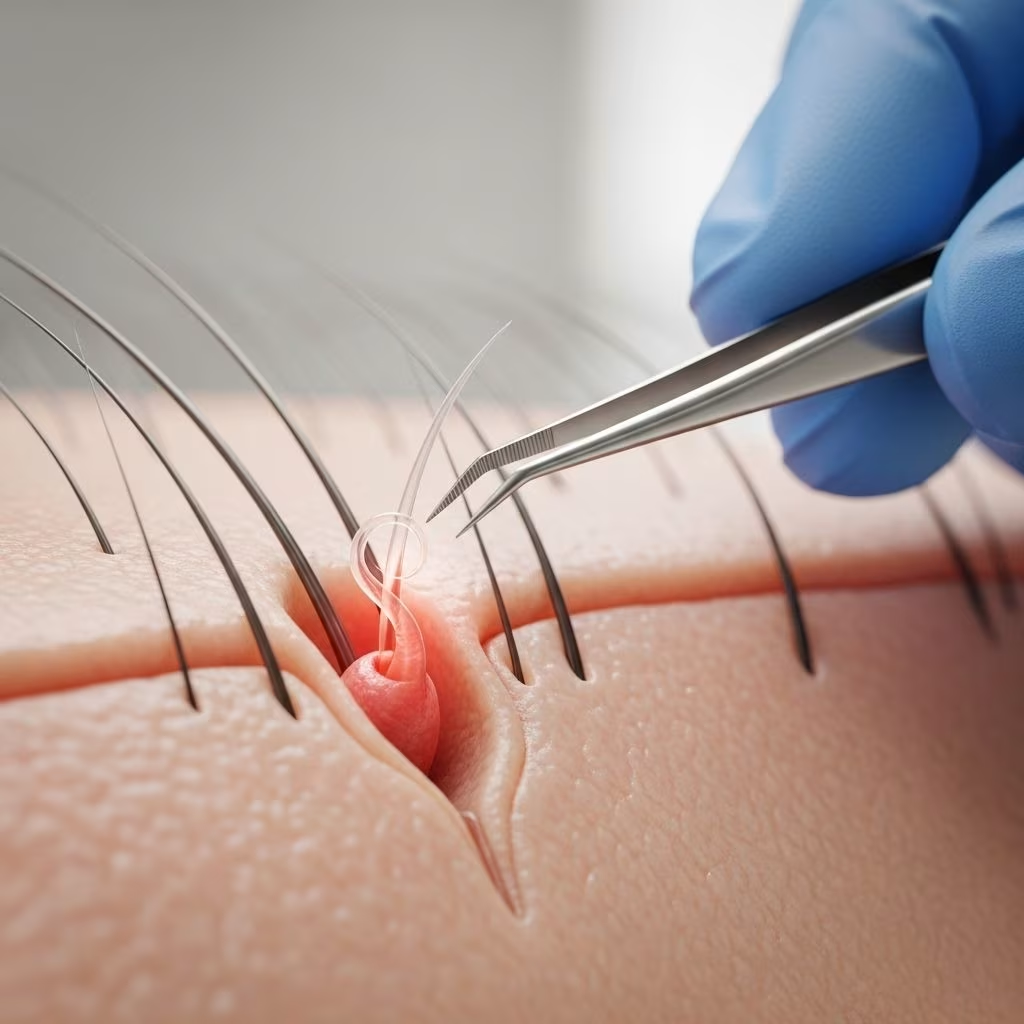
Understanding Ingrown Hairs
Ingrown hairs occur when a hair curls back or grows sideways into the skin instead of rising out of the follicle. This typically happens after shaving, waxing, or plucking, when the sharp tip of the hair can pierce the skin surface, causing inflammation, redness, and sometimes infection. Curly or coarse hair types are especially prone to ingrown hairs due to their natural curl pattern, which makes them more likely to re-enter the skin.
Ingrown hairs are not usually dangerous but can be unsightly, itchy, and occasionally painful. Left untreated, they may form cysts or lead to hyperpigmentation, especially in individuals with darker skin tones.
Recognizing Ingrown Hairs
It’s important to correctly identify ingrown hairs before attempting any treatment, as not all skin bumps after hair removal are ingrown hairs. Common signs include:
- Small, raised, red bumps (sometimes with a visible hair trapped beneath the skin)
- Itching or tenderness in the affected area
- Sometimes, small pus-filled blisters
- In darker skin, potential for dark spots or hyperpigmentation after healing
If the bump is larger than 1cm, very painful, persists for more than a week, or shows signs of infection (such as increasing redness, warmth, or pus), it’s important to seek medical advice rather than attempting home treatment.
Safe Protocols for Extraction
Preparation
Before attempting any extraction, ensure your hands and tools are clean to minimize the risk of infection:
- Wash your hands thoroughly with antibacterial soap.
- Sterilize tweezers or a needle with rubbing alcohol.
Warm Compress
This is the most effective first-line treatment for ingrown hairs and cysts. A warm compress softens the skin, reduces inflammation, and can bring the hair closer to the surface.
- Soak a clean washcloth in warm (not hot) water.
- Apply gentle pressure to the affected area for 10–15 minutes.
- Repeat 3–4 times daily for several days.
Gentle Exfoliation
After 1–2 days of warm compress treatment, gentle exfoliation can help free the trapped hair:
- Use a mild chemical exfoliant (such as salicylic acid or glycolic acid) or a soft physical scrub.
- Avoid aggressive scrubbing, which can irritate the skin and push the hair deeper.
- Exfoliate no more than 2–3 times per week to avoid over-drying the skin.
Extraction Technique
Only attempt extraction if the hair is clearly visible at the skin’s surface. Never dig into the skin, as this can cause infection and scarring.
- Position the sterilized tweezers or needle to gently lift the hair loop just above the skin’s surface.
- Grasp the exposed end of the hair with tweezers and pull it out gently in the direction of hair growth.
- If the hair does not come out easily, do not force it—continue with warm compresses and exfoliation.
Post-Extraction Care
- Apply an antibacterial ointment (such as bacitracin or neomycin) to prevent infection.
- Use a non-comedogenic, soothing moisturizer to keep the skin hydrated.
- Avoid shaving or waxing the area until it has fully healed.
First Aid and Treatment
In addition to extraction, several treatments can help reduce inflammation and speed healing:
- Hydrocortisone creams: These can reduce redness and itching, but should be used sparingly and not on broken skin.
- Over-the-counter anti-inflammatory products: Look for products containing salicylic acid or benzoyl peroxide to reduce inflammation and prevent infection.
- Specialized ingrown hair treatments: Some products are formulated specifically to treat and prevent ingrown hairs, often containing both exfoliating and anti-inflammatory ingredients.
Prevention Strategies
Preventing ingrown hairs is often easier than treating them. Consider the following strategies:
- Exfoliate regularly: Gentle exfoliation 2–3 times per week can help keep pores clear and prevent hairs from becoming trapped.
- Moisturize: Hydrated skin is less likely to develop ingrown hairs.
- Shave wisely: Use a sharp, clean razor and shave in the direction of hair growth. Avoid stretching the skin while shaving, as this increases the risk of hairs being cut too short and curling back into the skin.
- Try alternative hair removal methods: Waxing, sugaring, or depilatory creams may reduce the risk compared to shaving, especially for people prone to ingrown hairs. However, ingrown hairs can still occur with these methods depending on hair type and technique.
- Avoid tight clothing: Tight garments can irritate the skin and increase friction, contributing to ingrown hairs.
When to Seek Professional Help
While most ingrown hairs can be treated at home, certain situations require medical attention:
- The bump is larger than 1cm, very painful, or lasts more than a week.
- Signs of infection are present: increased redness, warmth, pus, or fever.
- Recurring ingrown hairs in the same area, especially if they cause scarring or hyperpigmentation.
- If you have diabetes or a compromised immune system, consult a healthcare provider early, as you may be at higher risk for complications.
Advanced Treatments
For persistent or recurrent ingrown hairs, professional treatments may offer a longer-term solution:
Laser Hair Removal
Laser hair removal targets the hair follicle, reducing hair growth and the likelihood of ingrown hairs. It is effective for most skin and hair types (except fine or gray hair) and typically requires 6–10 sessions for best results. Modern devices are designed for comfort and safety, minimizing discomfort and side effects.
Electrolysis
Electrolysis uses an electric current to destroy individual hair follicles, offering permanent hair reduction. It is suitable for all hair types but can be time-consuming for large areas.
Professional Extraction
Dermatologists and skilled aestheticians can safely extract deep or recurrent ingrown hairs using sterile techniques. They may also prescribe topical or oral medications for severe cases.
| Method | Effectiveness | Risk of Ingrown Hairs | Notes |
|---|---|---|---|
| Shaving | Temporary, quick | High | Exacerbates risk, especially with coarse/curly hair |
| Waxing/Sugaring | Lasts weeks | Moderate | Still possible, especially with improper aftercare |
| Laser Hair Removal | Long-term/Permanent | Low | Reduces occurrence by targeting follicles |
| Electrolysis | Permanent | Very Low | Destroys follicles individually |
Frequently Asked Questions (FAQs)
Q: What causes ingrown hairs?
A: Ingrown hairs result when a hair curls back into the skin after shaving, waxing, or plucking, often due to hair type, improper removal techniques, or lack of exfoliation.
Q: Can I pop an ingrown hair?
A: It’s not recommended to pop or squeeze an ingrown hair, as this can cause infection or scarring. If the hair is visible at the surface, carefully extract it with sterile tools after softening the skin with a warm compress.
Q: How do I know if my ingrown hair is infected?
A: Signs of infection include increased redness, swelling, pain, pus, or a feeling of warmth around the bump. If these occur, seek medical attention promptly.
Q: Are there any home remedies for ingrown hairs?
A: Yes, warm compresses, gentle exfoliation, and hydrocortisone creams can help, but avoid aggressive scrubbing or digging into the skin.
Q: When should I see a doctor for an ingrown hair?
A: Consult a healthcare provider if the bump is large, very painful, lasts more than a week, or shows signs of infection. Recurrent ingrown hairs or those causing scarring also warrant professional evaluation.
Q: Can laser hair removal prevent ingrown hairs?
A: Yes, laser hair removal reduces the risk of ingrown hairs by destroying the hair follicle, leading to long-term or permanent hair reduction.
References
- https://laserville.com/en/how-to-remove-ingrown-hairs-an-overview-of-removal-methods/
- https://nghianippersusa.com/blogs/beauty-techniques/how-to-remove-ingrown-hair-safely-a-comprehensive-guide
- https://www.theminorsurgerycenter.com/blog/ingrown-hair-cyst-removal-at-home
- https://aventusclinic.com/how-to-remove-ingrown-hair-cyst/
- https://my.clevelandclinic.org/health/diseases/17722-ingrown-hair
- https://waxcenter.com/blogs/news/a-complete-guide-to-ingrown-hair-self-care
- https://www.youtube.com/watch?v=gBd5kuzQ4To
- https://www.naircare.com/en/education/how-to-get-rid-of-ingrown-hairs
- https://amaskincare.com/17-tips-for-removing-and-preventing-ingrown-hairs/


