


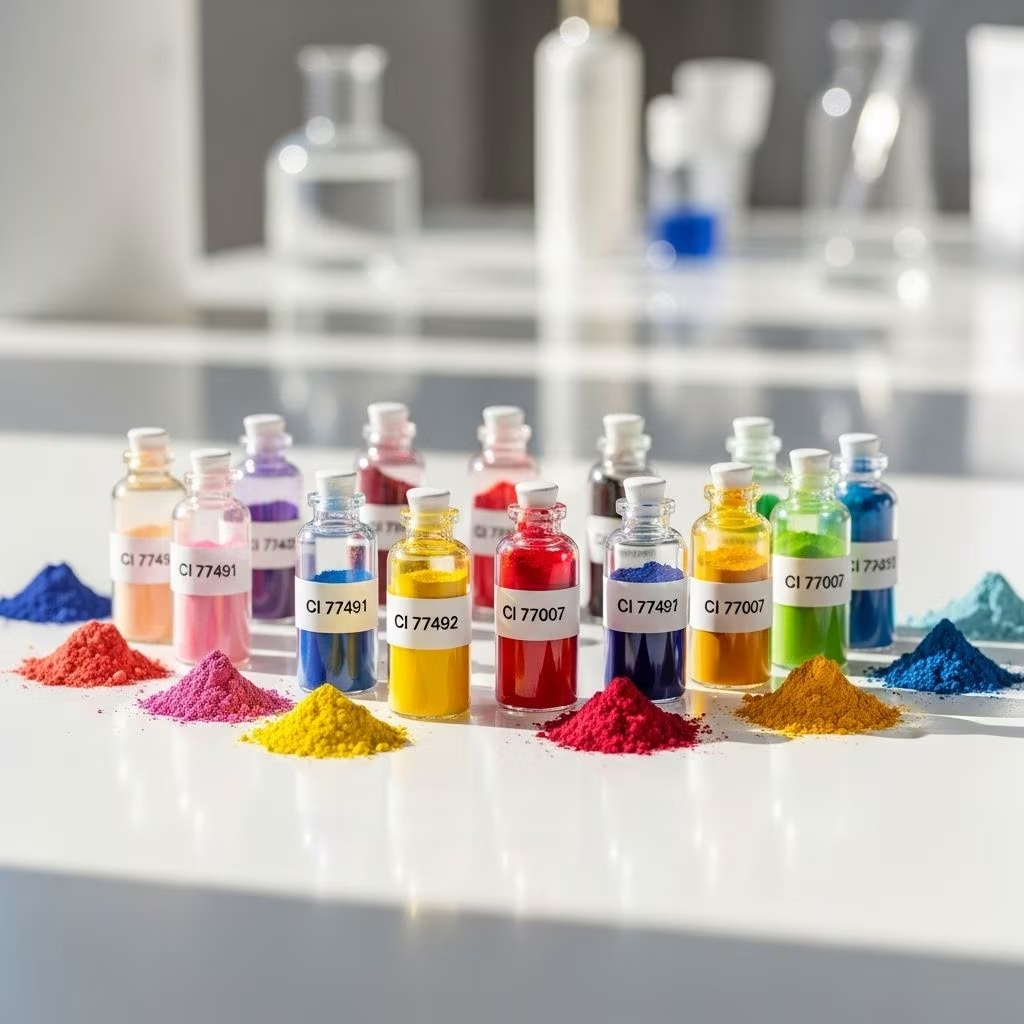
Introduction to Skincare Colorants
Skincare products often contain a variety of colorants to enhance their appearance and functionality. These colorants are crucial not only for aesthetic purposes but also for their potential effects on skin health when used in products like foundations, lip balms, and moisturizers. Understanding these colorants starts with knowing what CI numbers are and how they are used.
What Are CI Numbers?
CI numbers, or Color Index numbers, are part of a universal system used to identify and classify colorants or pigments in cosmetics and skincare products. Each CI number is unique and corresponds to a specific pigment, providing clarity on the ingredients used in a product. For instance, CI 77891 refers to Titanium Dioxide, a common white pigment used to lighten shades in both makeup and skincare products.
Structure of CI Numbers
A CI number typically consists of a prefix ‘CI’ followed by a hyphen and a series of numbers. This structure allows for clear recognition and differentiation between various colorants. For example:
- CI 77491 refers to Iron Oxide Red, commonly used to impart a reddish tone to products.
- CI 77266 is Carbon Black, a deep black pigment used for intense coloring.
- CI 77492 represents Iron Oxide Yellow, another popular pigment in cosmetics.
Types of Skincare Colorants
Skincare colorants can be broadly categorized into organic and inorganic pigments.
Organic Pigments
Organic pigments are derived from carbon-based compounds and are often used in products that require vibrant colors. Examples include:
- CI 21095: Yellow 14, an organic yellow pigment.
- CI 12477: Red 210, an organic red pigment.
Inorganic Pigments
Inorganic pigments, on the other hand, are derived from minerals and are known for their durability and stability. Common examples include:
- CI 77491: Iron Oxide Red, a mineral-derived red pigment.
- CI 77891: Titanium Dioxide, a white pigment used for lightening.
Role of CI Numbers in Skincare
The role of CI numbers extends beyond just identification. They help consumers understand the potential behavior of colorants in products, including how they might interact with skin and how they may fade over time. This is particularly important in skincare, where product stability and skin compatibility are crucial.
Regulations and Restrictions
Regulations regarding the use of CI numbers and colorants vary globally. In the EU, for instance, the use of certain colorants is restricted or banned due to safety concerns. It’s essential for manufacturers to comply with local regulations when using CI-numbered colorants in their products.
Frequently Asked Questions (FAQs)
Q: What do CI numbers signify?
A: CI numbers, or Color Index numbers, are unique identifiers for colorants used in cosmetics and skincare products. They provide information about the chemical composition and potential effects of these colorants.
Q: Are CI numbers the same as INCI names?
A: While CI numbers are part of the Color Index system used for identifying colorants, INCI names are international nomenclature used to identify ingredients in cosmetic products. They are related but serve different purposes.
Q: How do I use CI numbers to choose skincare products?
A: By understanding what CI numbers represent, you can make informed choices about the products you use. For example, if you prefer products with natural ingredients, recognizing inorganic pigments like Iron Oxide (CI 77491) can guide your selection.
Conclusion
Understanding CI numbers is essential for both consumers and manufacturers in the skincare industry. These numbers not only help identify the colorants used in products but also provide insights into their potential behavior and stability. By recognizing what CI numbers signify, you can better navigate the world of skincare and cosmetics, making more informed choices about the products you use.
References
- https://shopshaydanielle.com/blogs/the-lesson-library/get-to-know-your-pigments-understanding-ci-numbers-made-simple
- https://us.typology.com/library/what-is-ci-77491-and-what-is-its-purpose
- https://www.youtube.com/watch?v=M186YsY6Ncc
- https://colour-index.com/introduction-to-the-colour-index
- https://images.chemycal.com/Media/Files/TBT/20_2528_00_e.pdf
- https://www.fda.gov/industry/color-additives/color-additives-and-cosmetics-fact-sheet
- https://adoreyes.com/blogs/news/the-truth-about-synthetic-dyes-in-cosmetics-what-you-need-to-know
- https://www.generalcosmeticsafety.co.uk/cosmetic-colour-ingredients/


