


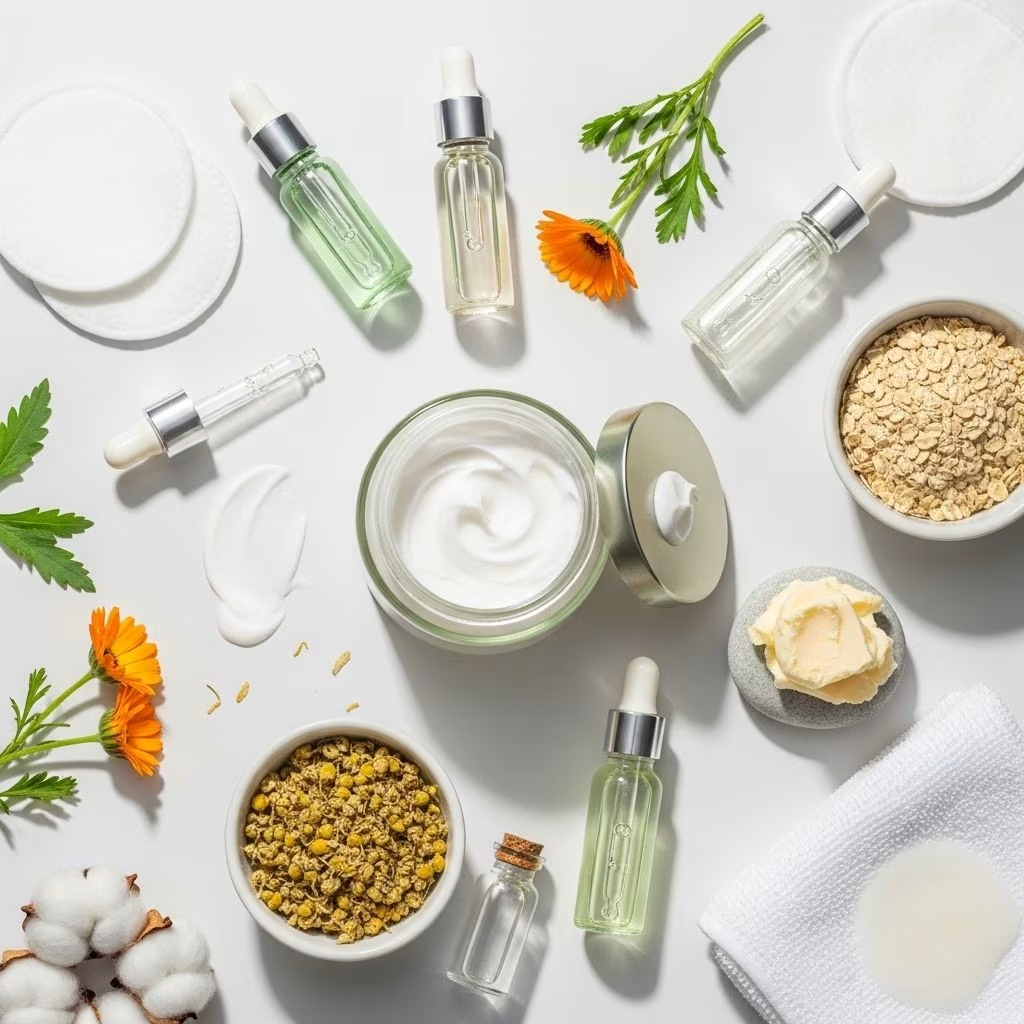
Eczema & Rosacea Skincare Ingredients: The Expert’s Guide
Eczema and rosacea are chronic inflammatory skin conditions marked by irritation, redness, and sensitivity. Choosing the right skincare ingredients is paramount to managing symptoms and protecting skin health. This extensive guide explores beneficial and harmful ingredients, recommended skincare routines, product choices, and frequently asked questions, providing a practical resource for anyone seeking relief and support for sensitive skin.
Overview of Eczema and Rosacea
Eczema (atopic dermatitis) and rosacea are two distinct but often-overlapping skin conditions that affect millions. Although they differ in cause and progression, both trigger irritation, visible redness, and require careful skincare management to minimize flare-ups and protect the skin barrier.
- Eczema: Usually presents as dry, itchy, and sometimes scaly patches. Flare-ups commonly result from environmental triggers, allergens, or even harsh skincare products.
- Rosacea: Characterized by persistent facial redness, visible blood vessels (telangiectasia), flushing, and sometimes acne-like bumps. It is triggered by stress, weather, spicy foods, sun exposure, and irritants.
Common Causes and Symptoms
Understanding the root cause helps inform ingredient choices and routine adjustments:
- Eczema: Imbalance or weakness in the skin barrier, genetic predisposition, and triggers like allergens, soap, or fragrances.
- Rosacea: Vascular instability, immune hyper-reactivity, and frequent irritant-induced inflammation.
Symptoms often overlap, including:
- Redness or flushing
- Visible broken blood vessels
- Dry, itchy, or stinging skin
- Swelling or bumpy texture
- Heightened sensitivity to cosmetic products or sun
Beneficial Skincare Ingredients
Both eczema and rosacea-prone skin benefit from gentle, hydrating, anti-inflammatory, and barrier-repairing ingredients. These ingredients calm irritation, retain moisture, and minimize visible redness and sensitivity.
- Hyaluronic Acid: Attracts and binds water, improving hydration and reducing dryness, a common trigger for both conditions.
- Ceramides: Essential for skin barrier repair, reduce flare-ups, improve moisture retention, and soothe inflammation.
- Niacinamide (Vitamin B3): Calms redness and irritation, strengthens barrier function by increasing ceramide production, and reduces swelling.
- Azelaic Acid: Delivers anti-inflammatory and antimicrobial benefits, reduces redness and bumps, and is approved for mild to moderate rosacea.
- Aloe Vera: Renowned for its cooling, soothing properties, relieves irritation, and calms redness for all skin types.
- Allantoin: Shields the skin, reduces redness, and helps ease irritation.
- Green Tea Extract: Rich in antioxidants like ellagic acid, soothes skin and reduces visible redness.
- Licorice Extract: Contains glycyrrhizin and glabridin, which calm and reduce redness.
- Chamomile: Natural anti-inflammatory, quiets irritation and lessens redness.
- Vitamin K: Helps normalize vascular response by inhibiting histamine, reducing flushing.
- Zinc Oxide & Titanium Dioxide: Mineral-based sun protection, less likely to cause irritation compared to chemical sunscreens.
- Oat Extract: Soothes and helps maintain the moisture barrier.
- Glycerin & Shea Butter: Deeply hydrating and barrier-supportive ingredients, suitable for both conditions.
Ingredients to Avoid
Harsh, irritating ingredients can exacerbate eczema and rosacea symptoms and must be avoided. Dermatologists emphasize regularly reading ingredient labels for these potential triggers.
- Fragrances (synthetic or natural)
- Exfoliants and abrasive scrubs
- Witch hazel and alcohol-based toners
- Retinol (unless specifically prescribed for rosacea under doctor supervision)
- Alpha- and beta-hydroxy acids (AHA/BHA such as glycolic or salicylic acid)
- Menthol, eucalyptus, peppermint oil
- Sodium lauryl sulfate
- Chemical-based sunscreens
- Heavy preservatives and parabens
Daily Skincare Routine Recommendations
Simplifying your skincare routine and selecting minimal, gentle formulations are crucial for managing both eczema and rosacea.
- Cleansers: Use mild, unscented, non-foaming cleansers that leave skin hydrated and don’t strip natural oils.
- Moisturizers: Opt for cream-based, fragrance-free formulas with ceramides, hyaluronic acid, or shea butter to restore and strengthen the skin barrier.
- Sunscreen: Always use a mineral-based (zinc oxide or titanium dioxide) sunscreen, as chemical filters can aggravate sensitive skin.
- Serums & Treatments: Only introduce one new ingredient at a time, and patch-test before use. Stick to anti-inflammatory ingredients and avoid exfoliants.
- Makeup: Choose products labeled non-comedogenic, fragrance-free, and designed for sensitive skin. Green-tinted primers can help neutralize facial redness in rosacea.
Product Recommendations
Below are dermatologist-favored products for rosacea-prone skin, and many suggestions apply equally to sensitive or eczema-prone skin:
- Cleansers
- Vanicream Gentle Facial Cleanser – Hydrating, simple formula
- Bioderma Sensibio H2O Micellar Water – Soothing, makeup removal without irritation
- Aveeno Calm + Restore Nourishing Oat Face Cleanser – Oat extract calms and hydrates
- Alastin Ultra Calm Cleansing Cream – Contains oat extract, supports the moisture barrier
- Moisturizers
- La Roche-Posay Toleriane Double Repair Face Moisturizer – Contains ceramides and niacinamide
- Clinique Redness Solutions Daily Relief Cream – Calms redness, green tint to neutralize flush
- SkinFix Barrier+ Triple Lipid Peptide Face Cream – Ceramides, hyaluronic acid, shea butter, peptides
- SkinCeuticals Redness Neutralizer – Chamomile extract, anti-inflammatory and moisturizing
- Sun Protection
- Broad-spectrum, mineral-based sunscreens: look for zinc oxide, titanium dioxide, fragrance-free formulas
Always consult with a dermatologist before starting new products, especially if you have highly reactive skin or require prescription therapy for moderate to severe conditions.
Comparative Table: Eczema vs. Rosacea Skincare Ingredients
| Ingredient | Recommended for Eczema | Recommended for Rosacea | Main Benefit | Notes |
|---|---|---|---|---|
| Ceramides | Yes | Yes | Barrier repair, hydration | Both conditions benefit from barrier support |
| Niacinamide | Yes | Yes | Reduces redness, supports skin barrier | Improves ceramide production, anti-inflammatory |
| Azelaic Acid | Mildly | Yes | Calms inflammation, antimicrobial | FDA-approved for rosacea papules & pustules |
| Oat Extract | Yes | Yes | Soothing, moisturizing | Calms both itchiness and redness |
| Shea Butter | Yes | Mildly | Hydration, barrier support | Non-comedogenic, deeply moisturizing |
| Glycerin | Yes | Yes | Moisture retention | Universal hydrator for sensitive skin |
| Alcohol, Fragrance, Menthol | No | No | Irritant, can exacerbate flare-ups | Should be avoided for both conditions |
| Exfoliants, Retinol, Strong Acids | No | No | Irritation, barrier disruption | Use only under dermatologist guidance |
| Mineral Sunscreens (Zinc, Titanium Dioxide) | Yes | Yes | UV protection, low irritation | Essential daily use |
| Chamomile, Aloe Vera, Licorice Extract | Yes | Yes | Anti-inflammatory, soothing | Ideal for sensitive, inflamed skin |
Frequently Asked Questions (FAQ)
Q: Can I use the same skincare for eczema and rosacea?
A: Many soothing, barrier-repairing ingredients—like ceramides, niacinamide, and oat extract—are beneficial for both. Always avoid irritants like fragrances, alcohol, and harsh exfoliants. However, some active treatments (e.g., azelaic acid for rosacea) may not be suitable for eczema without physician guidance.
Q: Are natural ingredients always safer?
A: Not always. Some natural extracts (e.g., menthol, eucalyptus, witch hazel) can be very irritating. Stick to dermatologist-recommended soothing ingredients: aloe vera, chamomile, oat, and licorice extract.
Q: Why is sunscreen crucial, and which type is best?
A: UV exposure is a major trigger for both conditions. Mineral-based sunscreens (zinc oxide or titanium dioxide) are gentler, start working immediately, and are less likely to irritate sensitive skin.
Q: Should I avoid all acids?
A: Strong acids (glycolic, salicylic acid, alpha/beta hydroxy acids) should be avoided by most people with eczema or rosacea. Azelaic acid is an exception for rosacea, but only as directed by a dermatologist.
Q: How do I patch-test new products?
A: Apply a small amount of new product to an area behind your ear or on your forearm. Wait 24 hours to observe any reaction before using on your face.
Q: What should I do if my skin is flaring up?
A: Discontinue all new skincare products, return to a simple routine of gentle hydrating cleanser, basic barrier-repairing moisturizer, and mineral sunscreen. Consult your dermatologist promptly for personalized advice.
Q: Can diet affect eczema and rosacea?
A: Triggers for both may be dietary (spicy foods, alcohol, dairy, etc.), but this varies. Keeping a symptom diary and reviewing with your dermatologist or allergist can help pinpoint individual triggers.
Conclusion
Managing eczema and rosacea requires ongoing care, attention to ingredient lists, and a commitment to gentle skincare practices. Choosing soothing, hydrating, and barrier-repairing ingredients while avoiding irritants is the cornerstone of effective symptom control. Collaboration with a skincare professional ensures safe product selection and helps protect your skin’s long-term health.
References
- https://forefrontdermatology.com/top-rosacea-skincare-products-dermatologists-recommend/
- https://prequelskin.com/blogs/skin-notes-skincare-blog/cosmetic-ingredients-that-help-with-rosacea
- https://pmc.ncbi.nlm.nih.gov/articles/PMC3168246/
- https://www.webmd.com/skin-problems-and-treatments/eczema/ss/slideshow-best-and-worst-cosmetic-ingredients-for-eczema
- https://ruddiskincare.com/blogs/news/rosacea-vs-eczema-whats-the-difference
- https://nationaleczema.org/blog/8-skincare-ingredients-to-avoid/
- https://www.miracle10.com/blogs/skincare/spotlight-on-eczema-rosacea-how-to-treat-them
- https://slmdskincare.com/blogs/learn/eczema-vs-rosacea-whats-the-difference
- https://www.paulaschoice.com/beautypedia-ingredient-checker
- https://www.rosacea.org/patients/skin-care-and-cosmetics


