


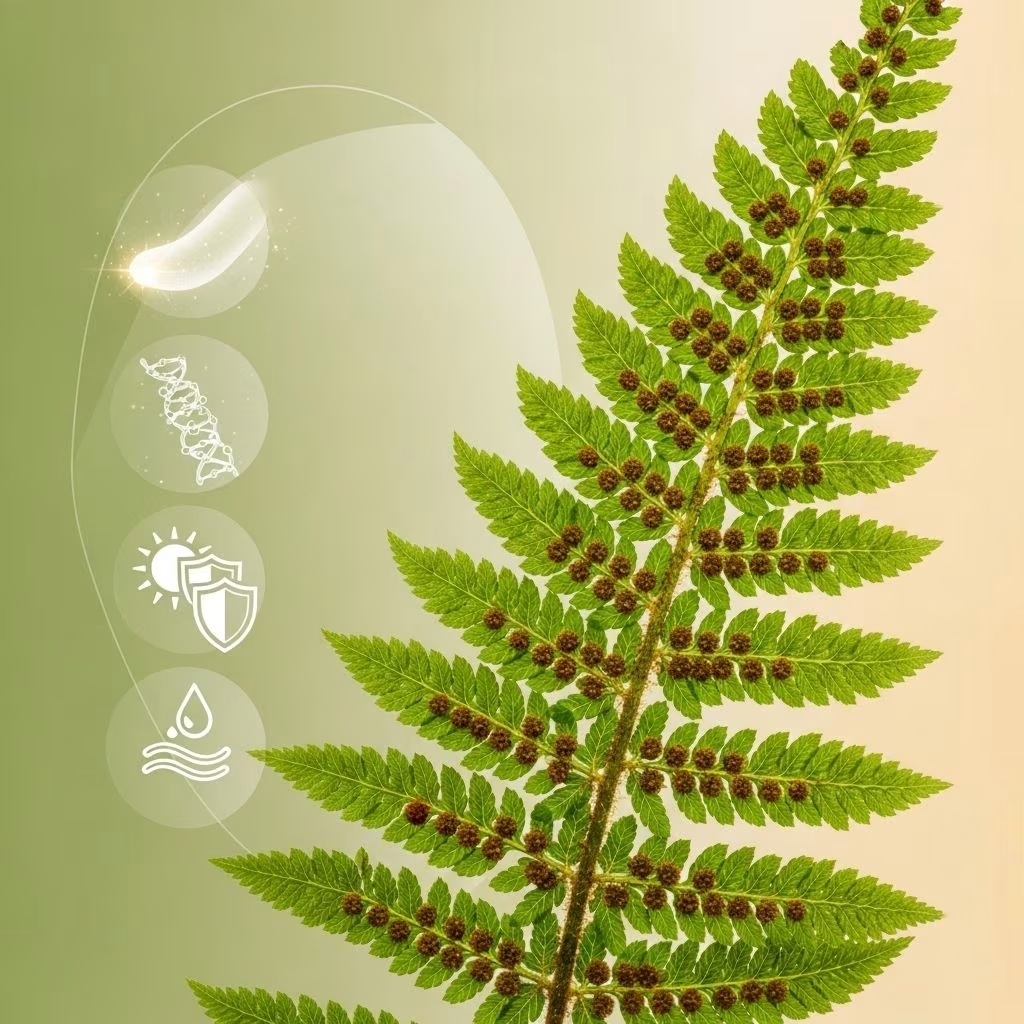
In the quest for comprehensive skin protection and optimal health, nature has provided us with remarkable solutions. Among these natural treasures, Polypodium Leucotomos extract stands out as a groundbreaking discovery in dermatological science. This tropical fern extract, originating from the rainforests of Central and South America, has revolutionized our understanding of photoprotection and skin health.
Polypodium Leucotomos, a member of the Polypodiaceae family, has been used traditionally for centuries by indigenous populations for its anti-inflammatory and healing properties. Modern scientific research has validated these traditional uses and uncovered additional remarkable benefits that make this extract a valuable addition to contemporary skincare and health regimens.
Understanding Polypodium Leucotomos
Polypodium Leucotomos is a tropical fern that has captured the attention of researchers worldwide for its exceptional photoprotective properties. First introduced to Europe in 1788 following botanical expeditions to Peru and Chile, this remarkable plant has since become the subject of extensive scientific investigation.
The extract is derived primarily from the rhizomes and leaves of the plant, which contain a complex array of bioactive compounds. These compounds work synergistically to provide comprehensive protection against various environmental stressors, particularly ultraviolet radiation damage.
What makes Polypodium Leucotomos extract particularly unique is its ability to provide both systemic and topical protection. Unlike traditional sunscreens that only offer surface-level protection, this extract works at the cellular level to enhance the skin’s natural defense mechanisms.
Key Active Compounds and Mechanisms
The therapeutic efficacy of Polypodium Leucotomos extract stems from its rich composition of bioactive compounds. The extract contains several important phenolic compounds that contribute to its protective effects:
Primary Active Compounds
Phenolic Acids: The extract is rich in various phenolic acids including chlorogenic acid, ferulic acid, caffeic acid, and coumaric acid. These compounds are powerful antioxidants that neutralize harmful free radicals and reduce oxidative stress.
Saponins: These naturally occurring compounds contribute to the extract’s anti-inflammatory properties and help enhance the bioavailability of other active compounds.
Vinyl Acid: This compound plays a crucial role in the extract’s photoprotective mechanisms and helps maintain cellular integrity under UV stress.
Mechanisms of Action
The protective effects of Polypodium Leucotomos extract operate through multiple sophisticated mechanisms. The extract functions as a comprehensive cellular protector, working through several interconnected pathways to shield the skin from damage.
At the molecular level, the extract interferes with the cascade of harmful reactions triggered by UV exposure. It prevents the formation of reactive oxygen species, reduces inflammatory responses, and helps maintain normal cellular function even under oxidative stress.
Photoprotective Benefits
One of the most extensively studied and clinically proven benefits of Polypodium Leucotomos extract is its remarkable photoprotective capacity. Clinical research has demonstrated that oral supplementation with this extract provides significant protection against UV-induced skin damage.
UV Protection Mechanisms
Studies have shown that oral ingestion of 480 mg of Polypodium Leucotomos extract significantly reduces sunburn redness at 24 hours after UV exposure. Biopsy specimens from treated individuals show fewer sunburn cells, indicating reduced cellular damage at the tissue level.
The extract works by increasing the minimal erythema dose (MED), which is the amount of UV radiation required to cause visible redness of the skin. In clinical trials, subjects treated with Polypodium Leucotomos extract showed a greater likelihood of increased MED compared to placebo-treated subjects, with 8 subjects showing improvement versus only 1 in the placebo group.
Erythema Reduction
Polypodium Leucotomos extract has been proven effective in reducing UV-induced erythema intensity. Clinical studies demonstrate that 10 subjects in the extract group showed decreased erythema intensity compared to only 3 subjects in the placebo group, representing a statistically significant improvement.
This reduction in erythema is not merely cosmetic; it reflects genuine cellular protection and reduced inflammatory response to UV exposure. The extract helps maintain skin integrity and prevents the cascade of harmful reactions that typically follow UV damage.
Antioxidant Properties
The antioxidant capacity of Polypodium Leucotomos extract is fundamental to its therapeutic benefits. The extract functions as a systemic antioxidant, providing comprehensive protection against oxidative stress throughout the body.
Free Radical Scavenging
The phenolic compounds in Polypodium Leucotomos extract are highly effective at neutralizing various types of free radicals. These reactive molecules are constantly generated in our bodies through normal metabolic processes and environmental exposures, including UV radiation.
By scavenging these harmful free radicals, the extract helps prevent oxidative damage to cellular components including DNA, proteins, and lipids. This protection is crucial for maintaining healthy cellular function and preventing premature aging.
Cellular Protection
The extract’s antioxidant properties extend beyond simple free radical scavenging. It helps maintain the integrity of cellular membranes, protects mitochondrial function, and supports the body’s natural antioxidant enzyme systems.
This comprehensive cellular protection translates into visible benefits for skin health, including improved texture, reduced signs of photoaging, and enhanced overall skin resilience.
Skin Cancer Prevention
Perhaps one of the most significant potential benefits of Polypodium Leucotomos extract is its role in skin cancer prevention. Research has demonstrated that the extract possesses antimutagenic properties, meaning it helps prevent DNA damage that can lead to cancerous changes.
DNA Protection
UV radiation is a major cause of DNA damage in skin cells, leading to mutations that can result in skin cancer. Polypodium Leucotomos extract helps protect DNA from this damage through multiple mechanisms, including direct antioxidant activity and enhancement of natural DNA repair processes.
Studies have shown that topical application of the extract immediately prior to UVB exposure reduces the number of sunburn cells and decreases expression of p53, p21, and ki-67 cells in the epidermis. These markers are associated with DNA damage and cellular stress, indicating that the extract provides genuine protection at the molecular level.
Clinical Evidence
While long-term placebo-controlled studies are still needed to demonstrate definitive reductions in skin cancer incidence, preliminary evidence is encouraging. An uncontrolled study of patients with xeroderma pigmentosum, a condition associated with extremely high skin cancer risk, showed promising results.
In this study, only 7 of 18 patients treated with both topical and oral Polypodium Leucotomos extract developed new skin cancers over a 12-month period, suggesting potential protective effects in high-risk populations.
Anti-Aging Effects
The anti-aging benefits of Polypodium Leucotomos extract are closely related to its photoprotective and antioxidant properties. By preventing UV damage and oxidative stress, the extract helps maintain youthful skin appearance and function.
Photoaging Prevention
Photoaging, caused primarily by UV exposure, is responsible for many visible signs of aging including wrinkles, age spots, and loss of skin elasticity. Polypodium Leucotomos extract helps prevent these changes by protecting against the underlying cellular damage that drives the aging process.
The extract helps maintain collagen integrity, supports healthy cellular turnover, and prevents the accumulation of damaged proteins that contribute to aged appearance. Regular use can help preserve skin’s youthful characteristics and prevent premature aging.
Skin Texture and Appearance
Beyond preventing damage, Polypodium Leucotomos extract may help improve existing signs of aging. Its anti-inflammatory properties help reduce redness and irritation, while its antioxidant effects support healthy cellular function and regeneration.
Clinical Applications and Therapeutic Uses
The therapeutic applications of Polypodium Leucotomos extract extend beyond basic photoprotection to encompass various dermatological conditions and health concerns.
Photosensitivity Disorders
For individuals with photosensitivity disorders such as polymorphic light eruption, Polypodium Leucotomos extract offers significant benefits. Higher doses of up to 960 mg daily have been shown to reduce the severity of polymorphic light eruption and increase the number of UV exposures required to trigger reactions.
The extract has also demonstrated effectiveness in managing solar urticaria, with studies showing reduction in severity of symptoms in affected individuals.
Pigmentary Disorders
Polypodium Leucotomos extract has shown promise in treating various pigmentary disorders including vitiligo and melasma. Its immunomodulatory properties help regulate melanocyte function and may contribute to more even skin pigmentation.
Inflammatory Skin Conditions
The anti-inflammatory properties of the extract make it beneficial for various inflammatory skin conditions including atopic dermatitis and psoriasis. It helps reduce inflammation and supports the skin’s natural healing processes.
Dosage and Safety Profile
Clinical studies have established that Polypodium Leucotomos extract has an excellent safety profile with minimal side effects when used as directed.
Recommended Dosage
The most commonly studied and effective oral dosage is 240 mg taken twice daily, totaling 480 mg per day. This dosage has been proven safe and effective in multiple clinical trials for periods of up to 60 days.
For specific conditions or higher protection needs, dosages up to 960 mg daily have been used safely under medical supervision.
Safety Profile
Clinical trials have demonstrated that Polypodium Leucotomos extract is well-tolerated with minimal adverse effects. In studies, some subjects reported mild episodic fatigue, bloating, and headaches, but these were not believed to be treatment-related.
The extract showed no changes in safety assessments including physical examinations, vital signs, and clinical laboratory parameters including hematology, comprehensive metabolic panel, and clotting times.
Forms and Availability
Polypodium Leucotomos extract is available in various formulations to suit different needs and preferences:
Oral Supplements
Oral capsules are the most common form and act as systemic antioxidizing agents. These provide comprehensive protection from within and are ideal for daily supplementation.
Topical Applications
The extract is also available in topical formulations including gels, creams, sprays, and compact makeup powders. These provide localized protection and can be used in combination with oral supplements for enhanced benefits.
Topical applications are particularly useful for targeted protection of specific areas or for individuals who prefer external application methods.
Frequently Asked Questions
How long does it take to see results from Polypodium Leucotomos extract?
Clinical studies have shown measurable benefits within 28 days of consistent use. However, optimal protection typically develops over 60 days of regular supplementation. Some individuals may notice improved sun tolerance within the first few weeks of use.
Can Polypodium Leucotomos extract replace sunscreen?
No, Polypodium Leucotomos extract should be used as an adjunct to traditional sun protection methods, not as a replacement. It provides an additional layer of protection that works synergistically with sunscreens and protective clothing for comprehensive UV defense.
Are there any side effects associated with Polypodium Leucotomos extract?
The extract has an excellent safety profile with minimal reported side effects. Some individuals may experience mild fatigue, bloating, or headaches, but these are rare and typically not treatment-related. Clinical studies have shown no significant adverse effects with standard dosing.
Who should consider taking Polypodium Leucotomos extract?
The extract is beneficial for anyone seeking enhanced photoprotection, particularly individuals with fair skin, those with photosensitivity disorders, people who spend significant time outdoors, or anyone interested in preventing photoaging and supporting skin health.
Can Polypodium Leucotomos extract be taken with other supplements?
Yes, Polypodium Leucotomos extract can typically be taken with other supplements. However, it’s always recommended to consult with a healthcare provider before combining supplements, especially if you have underlying health conditions or take medications.
How should Polypodium Leucotomos extract be stored?
Store the extract in a cool, dry place away from direct sunlight and heat. Follow the storage instructions on the product label, and ensure the container is tightly sealed to maintain potency and prevent degradation of active compounds.
Conclusion: Polypodium Leucotomos extract represents a significant advancement in natural photoprotection and skin health. With its proven benefits in UV protection, antioxidant activity, and potential skin cancer prevention, this remarkable fern extract offers a valuable addition to comprehensive skin care regimens. As research continues to unveil additional benefits, Polypodium Leucotomos extract stands as a testament to nature’s ability to provide sophisticated solutions for modern health challenges.
References
- https://pmc.ncbi.nlm.nih.gov/articles/PMC4345929/
- https://dermnetnz.org/topics/polypodium-leucotomos
- https://pmc.ncbi.nlm.nih.gov/articles/PMC9861608/
- https://www.explorationpub.com/Journals/em/Article/1001117
- https://jcadonline.com/effectiveness-polypodium-leucotomos-extract-melasma-asian-skin/
- https://clinicaltrials.gov/study/NCT02813902
- https://www.dermspecpa.com/what-is-polypodium-leucotomos/


