


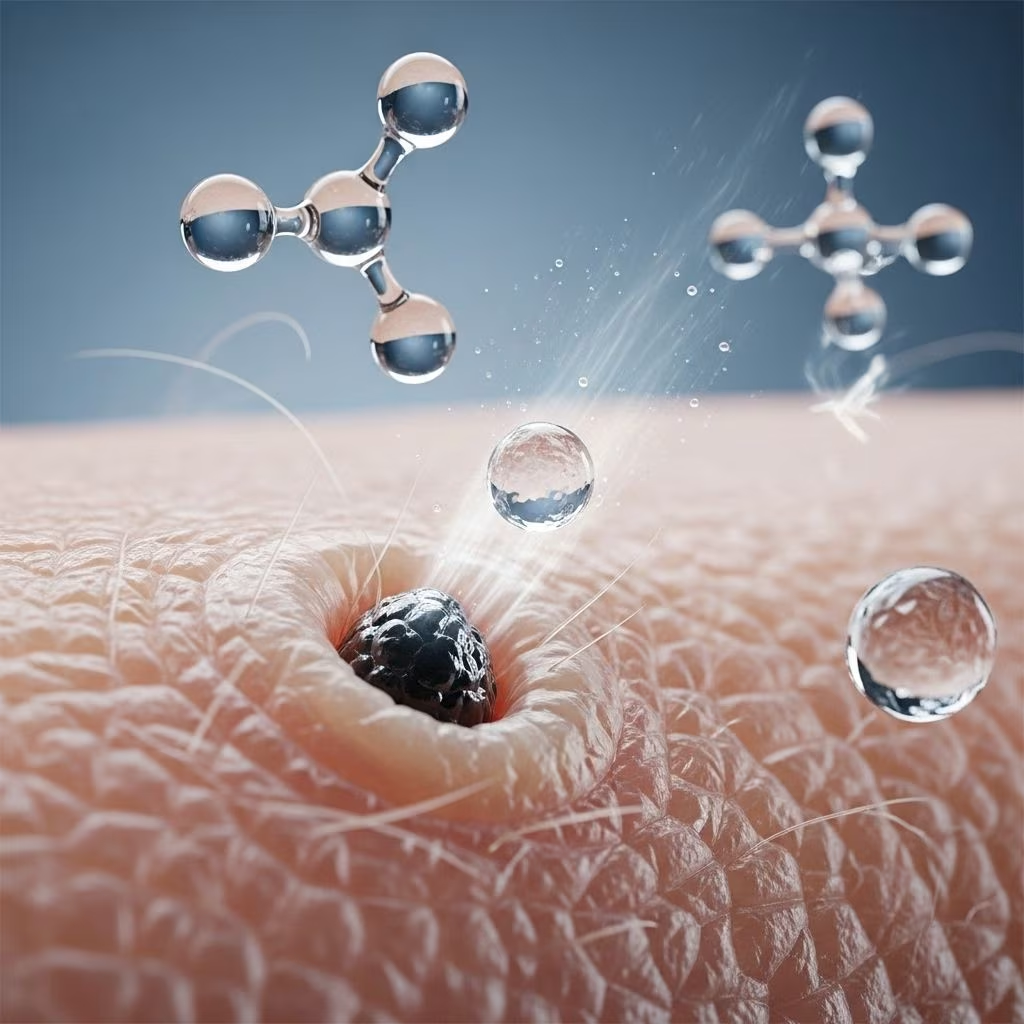
The relationship between dehydration and blackheads is a topic of growing interest among dermatologists, skincare enthusiasts, and those battling acne-prone skin. With conflicting advice circulating online, understanding the true scientific connection between your skin’s hydration and the formation of blackheads is crucial. This article explores the evidence, key mechanisms, and practical recommendations to empower you with trustworthy knowledge.
Introduction to Blackheads and Dehydration
Blackheads are a specific form of comedonal acne caused by the clogging and oxidation of skin pores, often misunderstood as solely a problem of oily skin. Dehydration refers to insufficient water content in the body or skin, impacting how skin functions and looks. In recent years, experts have debated whether dehydration can directly or indirectly contribute to the occurrence of blackheads.
How Do Blackheads Form?
To assess the link between dehydration and blackheads, one must first understand the process by which blackheads develop:
- Pores (Follicles) become clogged with a mixture of sebum (skin oil) and dead skin cells.
- The pore opening remains open, allowing air to oxidize the sebum, turning it dark, hence the term “blackhead”.
- Factors contributing to this clogging include excessive sebum, abnormal skin cell turnover, external dirt, and sometimes bacteria.
Multiple triggers exist, but pore congestion is required for blackhead formation.
Understanding Dehydrated Skin vs Dry Skin
| Characteristic | Dehydrated Skin | Dry Skin |
|---|---|---|
| Definition | Lacks water (a temporary condition) | Lacks oil and water (a skin type) |
| Appearance | Dull, tight, increased sensitivity, shiny zones due to overcompensation | Rough, flaky, persistently dry |
| Root Cause | Insufficient water inside the skin; environmental or lifestyle | Genetic, usually chronic |
| Skin Oil | Can still be oily (compensatory overproduction) | Low oil production |
| Common Triggers | Climate change, harsh skincare, illness, diet, excess sun | Genetics, aging, medical conditions |
Confusing dehydrated with dry skin can hinder effective treatment.
The Scientific Link Between Hydration and Blackheads
How could dehydration—instead of merely oiliness—make one more prone to blackheads?
- Pore Collapse: Dehydrated skin has less water content, reducing skin “plumpness”. This causes pores to collapse, leading to ineffective lubrication of pore linings and slowed oil passage.
- Oil Trapping: Trapped oil is more likely to mix with dead skin cells before reaching the surface, forming the plug that characterizes blackheads.
- Overproduction of Oil as Compensation: Dehydration can signal to your skin to increase oil (sebum) production, creating a paradoxical combination: oily yet dehydrated skin. Excess sebum further increases the risk of clogged pores and blackheads.
- Skin Cell Turnover: Inadequate hydration disrupts the normal shedding of dead cells, so they remain on the skin and contribute to pore blockages.
- Weak Skin Barrier: Skin with insufficient moisture has a weakened barrier, making it more susceptible to environmental aggressors and potentially more inflammation after pore blockages form.
Thus, a two-way interaction emerges: dehydration leads to pore and barrier dysfunction, elevating the risk of blackhead formation even in non-oily skin types.
Dehydration, Skin Surface, and Sebum Dynamics
Dehydration changes how your skin’s surface and pores operate:
- Pores appear shrunken, possibly restricting the outflow of oil.
- The skin surface becomes uneven and less elastic, as shown by research measuring the extensibility and hydration of the outermost skin layer (stratum corneum).
- The “hard plug” is more likely to form when oil movement is stunted and mixes with retained dead cells, highlighting the mechanical role of hydration in pore maintenance.
Key research indicates that although additional water consumption may enhance skin hydration, the association with sebum production (the oil that causes blackheads) and skin surface pH remains unclear and warrants further investigation.
Current Evidence: What the Science Says
- A moderate amount of evidence suggests improved hydration increases the water content of the stratum corneum—the skin’s outer barrier—thereby reducing clinical signs of dryness and roughness.
- Improved skin elasticity and flexibility can theoretically support more effective oil passage through pores, decreasing blockage risk.
- However, robust scientific studies directly linking dehydration and blackhead formation are scarce. Much of our understanding comes from theoretical skin physiology and smaller clinical studies.
- Several researchers stress that while hydration optimizes skin health, comedones (blackheads and whiteheads) have complex causes beyond hydration alone, such as genetics, hormone levels, skincare choices, and environmental exposures.
To summarize, the consensus is that dehydrated skin may increase conditions favorable for blackheads, but dehydration is rarely the root or only cause. It is more accurate to say that dehydration can exacerbate pre-existing vulnerabilities to acne and comedones.
Does Drinking More Water Prevent Blackheads?
One of the most enduring skincare myths is that drinking plenty of water will cure acne and prevent blackheads. What does the evidence say?
- Hydration does support healthy skin: Drinking adequate amounts of water helps the skin remain elastic, resilient, and better able to flush out waste.
- Not a standalone solution: Almost all dermatologists agree that water consumption alone will not resolve blackhead-prone skin or treat acne.
- Marginal effects: Some individuals, especially those who are already mildly or severely dehydrated, might see visible improvements in skin smoothness, softness, and perhaps reduced pore congestion after increasing their water intake.
A healthy skin barrier relies not just on internal water (from drinking) but also effective external skincare (proper cleansers, moisturizers, and non-comedogenic products).
Lifestyle and Skincare Tips to Prevent Blackheads
- Maintain Steady Hydration: Aim for adequate internal hydration by consuming water according to your body’s needs, climate, and physical activity levels.
- Choose Gentle Cleansers: Use mild, non-stripping cleansers to clean skin without erasing protective oils and moisture.
- Don’t Over-Exfoliate: Over-exfoliation can worsen both dehydration and barrier damage, increasing blackhead risk.
- Use Lightweight Moisturizers: Hydrating gels and serums with humectants (hyaluronic acid, glycerin) attract water and reduce dehydration.
- Protect from Environmental Stressors: Sun, wind, and pollution increase water loss and should be countered with sunscreen and barrier creams.
- Non-Comedogenic Products: Choose skincare labeled non-comedogenic to avoid additional pore clogging.
- Monitor Diet and Nutritional Balance: Ensure dietary intake of essential fatty acids and micronutrients, as deficiencies—such as in linoleic acid—have been linked with acne-prone skin.
Myths and Misconceptions
- Myth: Drinking massive amounts of water alone eliminates blackheads and acne.
Reality: While water is essential, blackheads are multifactorial. Effective acne management requires a combination of hydration, skincare, and sometimes medical treatment. - Myth: Only people with oily skin get blackheads.
Reality: Anyone can develop blackheads, particularly if the skin is dehydrated, which may induce increased oil production and blockage-prone pores. - Myth: All rough, flaky skin is just dry skin needing oil.
Reality: Skin can be dehydrated (lacking water but still oily) and display roughness or flaking, especially if over-cleansed or exposed to harsh environments.
Frequently Asked Questions (FAQs)
Q: Can dehydration by itself cause blackheads?
No scientific study has shown dehydration alone causes blackheads, but it can create conditions where pores are more likely to become clogged, especially when oil production increases to compensate for lost moisture.
Q: How can I tell if my skin is dehydrated?
Perform the “cheek pinch” test: lightly squeeze your cheek’s skin. If it wrinkles and does not quickly bounce back, dehydration is likely. Symptoms also include dullness, tightness, and increased sensitivity.
Q: Will drinking eight glasses of water per day clear up my skin?
While commonly recommended, there’s limited evidence directly linking a set amount of water with breakouts. Individual needs vary, and water alone won’t treat blackheads, but it supports healthier-looking skin.
Q: Should I use moisturizers if I have blackhead-prone skin?
Yes – opt for lightweight, non-comedogenic moisturizers rich in water-attracting ingredients. These help address dehydration without contributing to further pore blockage.
Q: What other lifestyle habits support clearer skin?
- Gentle, consistent cleansing routine
- Balanced diet with healthy fats
- Protection from excessive sun, heat, and wind
- Avoiding harsh, stripping skincare products
Conclusion
The connection between dehydration and blackheads rests on emerging science and logical skin physiology: insufficient skin hydration disrupts pore function and may prompt excessive oil production, increasing blackhead risk. However, dehydration is rarely the sole culprit—genetics, hormones, skincare habits, and environmental factors also drive blackhead formation. Optimal skin clarity is best achieved by maintaining proper hydration—inside and out—while adopting holistic, evidence-based skincare practices and consulting a dermatologist for persistent issues.
References
- https://www.templeclinic.co.uk/blogs/is-there-a-connection-between-dehydrated-skin-and-acne/
- https://navamd.com/face-forward-blog/hydration-and-acne-does-drinking-water-actually-help
- https://www.youtube.com/watch?v=tKwCy02S2-s
- https://pubmed.ncbi.nlm.nih.gov/29392767/
- https://www.healthline.com/health/dehydrated-skin
- https://pmc.ncbi.nlm.nih.gov/articles/PMC4529263/
- https://www.nature.com/articles/srep36062
- https://www.healthline.com/nutrition/does-drinking-water-help-acne


