


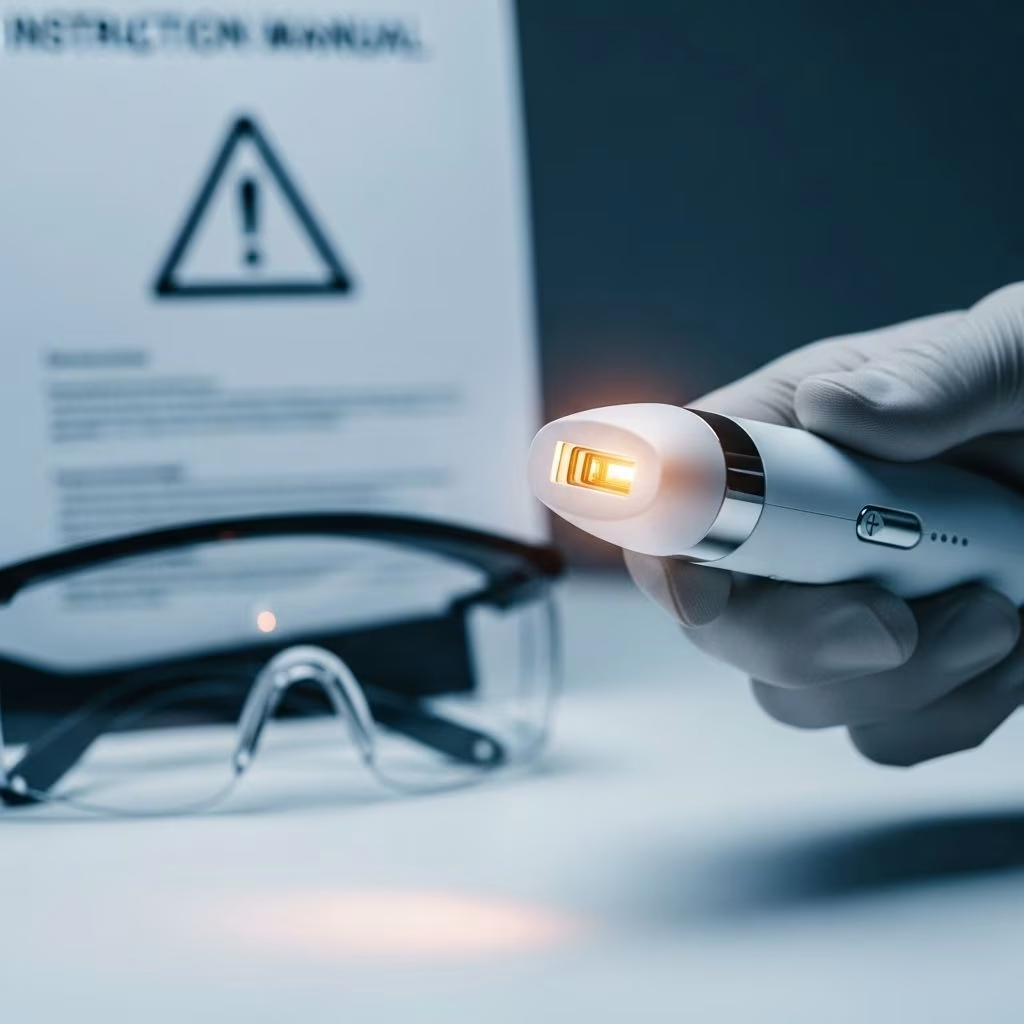
At-home laser devices—including laser hair removal machines, skin rejuvenation tools, and laser engravers—have become increasingly accessible, allowing users to achieve professional-level results without leaving their homes. However, improper use can result in severe injuries, fires, and even permanent vision loss. This guide draws on expert recommendations, regulatory guidelines, and clinical insights to help you use these devices safely and with confidence.
Understanding the Risks of At-Home Laser Devices
Lasers are highly concentrated beams of light. When used correctly, at-home laser devices can safely remove hair, rejuvenate skin, or engrave materials. However, misuse can cause:
- Eye Injuries: Irreversible damage, including blindness, from accidental exposure to the laser beam .
- Skin Damage: Burns, blistering, discoloration, or scarring if the device is used incorrectly .
- Fire Hazards: Risk of ignition of flammable materials or household items near the device .
- Electrical Hazards: As with any powered device, improper use or damaged cords may lead to electrical shock or fire .
- Toxic Fumes: Some laser processes release hazardous fumes from treated materials .
Understanding these risks is the foundation for safe laser device use at home.
Regulations and Safety Standards
At-home laser devices are regulated by authorities like the U.S. Food and Drug Administration (FDA) and must comply with the Federal Laser Product Performance Standard (FLPPS). Manufacturers must clearly label the device’s hazard class and provide safety instructions. Medical and cosmetic lasers are usually Class 1, 2, 3R, 3B, or 4 – with Class 4 being the most hazardous [10].
- Check Device Certification: Only use devices cleared or approved by regulatory bodies such as the FDA, CE, or similar.
- Read the Manual: The manufacturer’s instructions reflect safety requirements tailored to your device’s laser class, output, and intended use .
- Observe Local Laws: Some regions restrict sales or use of certain laser devices at home.
General Precautions Before Use
- Read the entire user manual and any warning labels on the device .
- Inspect the device for visible damage before every session.
- Choose a well-ventilated, uncluttered workspace.
- Ensure all pets and children are out of the treatment area during operation.
- Do not bypass any safety interlocks or protective features on the device .
- Have a fire extinguisher and first-aid kit accessible.
Eye Protection Guidelines
Your eyes are at highest risk when using lasers. Even brief exposure to the beam or its reflection can cause instant, irreversible retinal damage .
- Always wear appropriate laser safety glasses that match your device’s wavelength (for example, 10,600nm for CO2 lasers or specific ranges for diode/fiber lasers) .
- Ensure all bystanders, including family and pets, are also protected or kept outside the laser area.
- If your device comes with an enclosure, keep it shut during operation; do not override safety interlocks.
- Never look directly at a laser beam or its reflection—laser beams can reflect off shiny surfaces and still harm eyes.
| Class | Description | Eye Risk |
|---|---|---|
| 1 | Low-power, generally safe under normal use | Minimal |
| 2 | Low-power, safe for accidental exposure (visible) | Low (blink reflex) |
| 3R/3B | Medium–high power; hazardous with direct eye exposure | Moderate to high |
| 4 | High-power; can cause serious eye and skin injuries | Extreme — direct/reflected exposure is dangerous |
Skin Safety and Pre-Treatment Steps
Laser and IPL (intense pulsed light) devices can harm the skin if used without proper precautions. Follow these steps for each session:
- Always perform a patch test on a small area 24 hours before widespread use, especially if you are using a new device or setting .
- For hair removal, shave the area rather than waxing or plucking, to prevent skin irritation and ensure the laser targets the hair follicle .
- Clean, dry, and remove lotions, deodorants, perfumes, and cosmetics before use, as these can scatter laser energy or catch fire .
- Do not treat recently tanned or sunburned skin; heightened sensitivity increases the risk of burns or pigmentation changes.
- If you have a history of skin disorders, consult a dermatologist before using an at-home device .
- Use the lowest effective energy setting, especially for your first treatments or if you have a darker skin tone (increased risk of burns or discoloration) .
Operating the Device Safely
- Follow all manufacturer instructions for settings, contact time, and recommended technique .
- Do not pass the device over one skin area more than recommended—overlapping exposures increase burn risk .
- Keep the laser’s activation switch and emergency shutoff easily accessible during use .
- Remain focused—never use the device when tired, distracted, or under influence of substances.
- Start with a small, controlled area instead of treating large areas initially. This allows easy monitoring for delayed reactions.
- Refrain from using the device near flammable objects, chemicals, or loose fabrics .
Fire and Material Safety
Flammable materials and certain household objects can ignite during laser operation. To prevent fires and accidental burns, adhere to these precautions:
- Remove flammable products—such as hairspray, alcohol-based skin products, nail polish, and certain cosmetics—from the treatment area .
- Keep fabrics, drapes, packaging, and plastic objects away from the working area, especially if using a high-powered device.
- Use fire-resistant mats or towels if necessary and keep a water reservoir nearby.
- If treating hair, ensure it is damp or covered with a wet towel to reduce ignition risk .
- Check that electrical cords and outlets are undamaged and properly rated for your device.
- Never leave the device unattended while powered on.
- Have a fire extinguisher (Class A—multipurpose dry chemical) within reach.
Device-Specific Safety Tips
Laser Hair Removal Devices
- Only treat skin areas recommended by the manufacturer (e.g., some devices are not suitable for the face or sensitive areas).
- Use latest-generation devices with built-in skin sensors for added safety.
- Monitor treated areas for redness, burns, or pigmentation changes for 24–48 hours after each session .
IPL Skin Devices
- Wear UV-protective glasses, as IPL emits a broad spectrum of light that can still damage the eyes .
- Do not treat the same area twice during one session.
- Avoid IPL treatment on tattoos, dark moles, or pigmented lesions to prevent burns or scarring.
Laser Engravers and Cutters
- Use only recommended materials—some plastics (e.g., vinyl) produce toxic fumes or ignite easily .
- Ensure proper ventilation and filtration.
- Double-check all covers, enclosures, and interlocks are in place during use.
- Never override safety mechanisms—even for maintenance or adjustments.
Aftercare and Monitoring
- Apply soothing creams or aloe vera to skin after laser treatments unless contraindicated by the manufacturer or your physician.
- Protect recently treated skin from sun exposure; use sunscreen with high SPF if area is exposed during healing period.
- Observe treated areas for adverse effects (excessive redness, swelling, blistering, pain). Seek medical attention for severe or persistent symptoms .
- For laser engravers, allow the workspace to air out after use to dissipate any lingering fumes.
Frequently Asked Questions (FAQs)
Q: Can at-home laser devices cause permanent damage?
A: Yes, if used improperly, at-home laser devices can cause permanent eye damage (including blindness), severe burns, scarring, and pigmentation changes .
Q: Are these devices safe for people with all skin tones?
A: Lasers and IPL are safest on lighter skin tones and darker hair. Improper use on darker skin increases burn and pigment change risk. Specialized devices are available for different skin types; always check compatibility and perform a patch test .
Q: Is eye protection always necessary, even for cosmetics lasers?
A: Yes. Never operate any wavelength laser without certified protective eyewear that matches your device, regardless of its intended use or safety claims .
Q: What materials should never be cut or engraved with home laser engravers?
A: Avoid PVC/vinyl (emits toxic chlorine gas), polycarbonate, some foams, and unknown plastics. Research your material before use for safety and effectiveness .
Q: What should I do if I get burned or injured?
A: Flush burns with cool (not ice) water and seek medical care if blisters, severe pain, or persistent redness occur. For eye injuries, seek urgent ophthalmic care .
Final Thoughts on Safe Laser Use
At-home laser devices offer impressive results for hair removal, skin care, and even crafting—but only in the hands of informed, careful users. Always prioritize safety by following all instructions, using appropriate protective gear, and maintaining a safe environment. If you have any doubts about the device, your skin type, or your workspace, consult a medical professional or the device manufacturer before proceeding.
Remember: safety is not optional. Proper habit formation will ensure your at-home laser device delivers its benefits without unnecessary risks.
References
- https://www.aslms.org/docs/default-source/for-professionals/mentorship-program/alsms-laser-safety-guide.pdf?sfvrsn=1f1f43b_7
- https://www.microcenter.com/site/mc-news/article/laser-safety-tips.aspx
- https://myethosspa.com/is-home-laser-hair-removal-safe/
- https://www.ulike.com/blogs/hair-removal/13-safety-tips-and-practices-for-using-ipl-hair-removal-devices
- https://www.mayoclinic.org/tests-procedures/laser-hair-removal/about/pac-20394555
- https://pmc.ncbi.nlm.nih.gov/articles/PMC8918178/
- https://phillips-safety.com/laser-safety/laser-safety-guidelines/
- https://www.fda.gov/radiation-emitting-products/home-business-and-entertainment-products/laser-products-and-instruments
- https://beware-of-laser.squarespace.com/s/Guidelines_on_the_safety_of_light_based.pdf
- https://www.lia.org/resources/laser-safety-information/laser-safety-standards


