


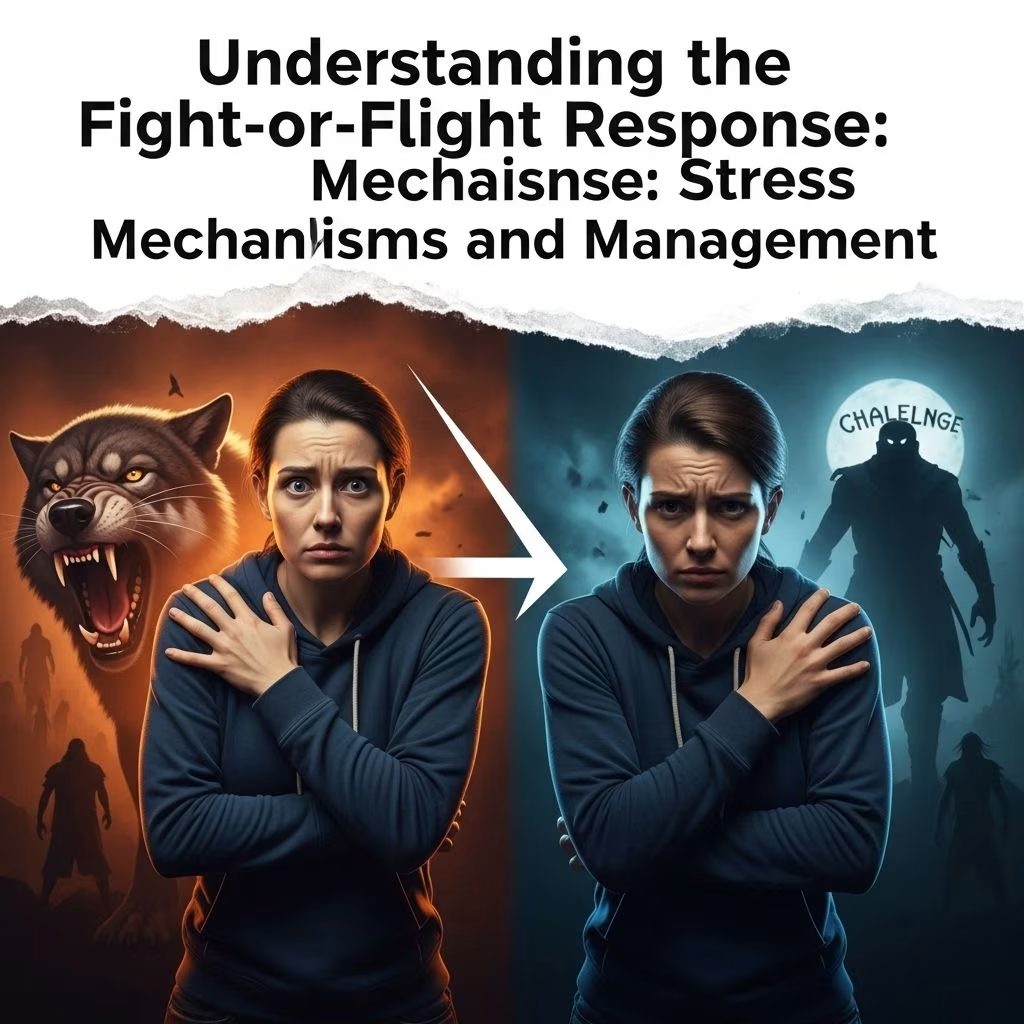
The fight-or-flight response is a fundamental and automatic physiological reaction to perceived threats or danger. Developed early in human evolution, it enables rapid decision-making for survival, preparing the body either to confront (fight) or escape (flight) harmful situations. Modern investigations have broadened this model to include ‘freeze’ and ‘fawn’ responses, reflecting a range of human reactions to stress. This article explores the biology, psychological triggers, symptoms, and health impacts of the fight-or-flight response, offering effective methods for managing stress in daily life.
What Is the Fight-or-Flight Response?
The fight-or-flight response refers to an acute stress reaction, orchestrated by the sympathetic nervous system, triggered when an individual perceives immediate danger. Hormones such as adrenaline (epinephrine) and cortisol flood into the bloodstream, causing distinct physiological and psychological changes that prepare the body for quick action.
These responses include:
- Increased heart rate
- Elevated blood pressure
- Rapid breathing
- Enhanced alertness and muscle tension
- Heightened senses
Originally vital for survival in hostile environments, this response still governs reactions to both physical and psychological stressors in modern contexts, from workplace pressures to social conflicts.
The term ‘fight-or-flight’ now often encompasses related reactions—freeze and fawn—bringing focus to a broader spectrum of human stress responses.
The Four ‘F’ Stress Responses
- Fight: Confrontation and aggression against a perceived threat.
- Flight: Avoidance or escape from danger.
- Freeze: Inaction or immobilization in stressful situations.
- Fawn: Appeasement or people-pleasing behaviors to diffuse threats.
Physiological Pathways: How the Stress Response Works
The fight-or-flight response is activated by the sympathetic nervous system (SNS). Once the brain registers a threat, the SNS signals the adrenal glands to release stress hormones.
Here’s what typically occurs:
| Trigger | Hormonal Response | Physical Effects |
|---|---|---|
| Perceived Threat | Adrenaline, Cortisol Release | Heart rate rises, muscles tense, breathing accelerates |
| Activation of SNS | Fight-or-flight signals throughout body | Increased alertness, pupils dilate, skin paleness/flushing |
| Suppression of Nonessential Functions | Reduced digestion/growth hormones | Energy redirected to survival-oriented tasks |
These reactions prioritize survival. For example, digestion, reproductive hormone release, and tissue repair slow down while the body concentrates on rapid movement and heightened awareness.
Once the threat passes, the parasympathetic nervous system restores balance, calming the body and resuming normal functions.
Triggers of the Fight-or-Flight Response
Though originally associated with physical threats, the fight-or-flight response is now frequently triggered by psychological or social stressors.
Common triggers include:
- Tense workplace situations or strict deadlines
- Arguments or interpersonal conflict
- Public speaking or social scrutiny
- Unexpected, loud noises or accidents
- Sudden health scares
- Traumatic memories and reminders
For people with anxiety disorders or PTSD, even relatively minor stressors may cause a pronounced fight-or-flight reaction.
Signs and Symptoms of the Fight-or-Flight Response
During the fight-or-flight response, the body and mind undergo distinct, observable changes. Symptoms may vary in intensity and duration, but typically include:
Physical Signs
- Rapid heartbeat and pulse
- Increased blood pressure
- Shallow or rapid breathing
- Muscle tension or trembling
- Dry mouth
- Sweating (palms, forehead, underarms)
- Pupil dilation, flushed or pale skin
- Tight jaw, clenched fists
- Nausea or stomach discomfort
Emotional and Cognitive Signs
- Heightened alertness or hypervigilance
- Difficulty focusing
- Racing thoughts or mental “fog”
- Intense fear, anxiety, or rage
- Compulsive urge to act—fight, escape, or freeze
- Irritability or emotional outbursts
Detailed Breakdown: Fight, Flight, Freeze, and Fawn Responses
Fight Response
- Confrontational behavior (yelling, physical aggression)
- Explosive temper, intense anger
- Tension in jaw, fists, or whole body
- Feeling shameful or remorseful after outbursts
- Impulsive reactions to authority/sources of threat
Flight Response
- Compulsion to escape or avoid stressors
- Restlessness, fidgeting, or constant movement
- Panic when forced to remain still
- Excessive exercise, micromanaging environment
- Ending relationships abruptly, fear of commitment
Freeze Response
- Inability to move, act, or speak in stressful situations
- Feeling numb, withdrawn, or “stuck”
- Dissociation or mental blankness
- Hoping threat will pass without engaging
Fawn Response
- People-pleasing to avoid conflict
- Submission or attempts to appease threat
- Over-accommodating, seeking validation from others
These responses may be present to varying degrees and can become habitual, especially in individuals who faced frequent danger or stress during early development.
Evolutionary Origins of the Fight-or-Flight Response
The fight-or-flight response evolved as a survival tool, enabling humans (and many animals) to respond quickly to predators or physical danger. While actual threats such as attacking animals are rare today, the primal mechanisms remain, often triggered by psychological and social stress.
Modern life sees these ancient responses activated by non-life-threatening situations, such as job interviews or public speaking. The body does not always distinguish between physical and psychological threats, resulting in potentially disproportionate stress reactions.
Impact of Chronic Stress and Hyperarousal
When the fight-or-flight response is activated too frequently or remains persistent, it can lead to hyperarousal—a state where the body and mind are perpetually ready for action, even when there is no present danger.
- Chronic anxiety and panic attacks
- Insomnia and unrestful sleep
- Irritability, mood swings, and angry outbursts
- Difficulty concentrating or relaxing
- Physical symptoms: headaches, gastrointestinal issues, and persistent muscle tension
Long-term effects of sustained stress reactions include increased risk of hypertension, heart disease, weakened immune function, digestive disorders, and mental health challenges such as depression or PTSD.
The Role of the Nervous System
The body’s stress system is coordinated by the autonomic nervous system:
- Sympathetic Nervous System (SNS): Triggers activation and mobilization of energy for fight, flight, freeze, or fawn responses.
- Parasympathetic Nervous System (PNS): Calms the body after stress, restoring functions like digestion, tissue repair, and relaxation.
This dynamic balance enables rapid action during threats, then safe recovery when calm is restored.
Coping Mechanisms and Stress Management
Though the fight-or-flight response is automatic, it can be managed through conscious coping strategies and lifestyle interventions. Effective techniques include:
- Mindfulness Meditation: Focusing attention on present sensations to reduce anxiety and promote calm.
- Breathing Techniques: Slow, diaphragmatic breathing signals the parasympathetic nervous system to calm the body.
- Physical Activity: Exercise helps dissipate excess adrenaline and tension.
- Progressive Muscle Relaxation: Systematically tensing and releasing muscles reduces physical symptoms of stress.
- Cognitive Behavioral Therapy (CBT): Evidence-based psychotherapy for changing harmful thought patterns and reactions.
- Social Support: Sharing experiences with trusted family or friends improves emotional resilience.
Seeking professional help may be necessary for persistent or severe symptoms, such as those seen in trauma-related disorders.
Fight-or-Flight Response in Modern Life
Although no longer facing wild predators, people today encounter chronic stressors—deadlines, relationship challenges, financial worries—that can trigger the same physiological reactions. Constant activation of the stress response may undermine health and well-being, making the identification and management of triggers and symptoms essential.
Frequently Asked Questions (FAQs)
Q: What causes the fight-or-flight response?
A: The response is triggered by any situation the brain interprets as threatening, whether physical, emotional, or social. Common triggers are sudden shocks, confrontation, trauma, or anxiety-producing events.
Q: Is the fight-or-flight response always harmful?
A: No. It is designed to protect and enhance survival by mobilizing physical and mental resources. Harm only occurs when the response is triggered too frequently or is not adequately resolved, leading to chronic stress, anxiety, and health problems.
Q: Can you consciously control the fight-or-flight response?
A: While the initial response is automatic, techniques like breathing exercises, meditation, and grounding strategies can help calm the system and restore balance.
Q: What are the signs that the fight-or-flight response is active?
A: Physical signs include a rapid heartbeat, muscle tension, sweating, and shallow breathing. Emotional signs include anxiety, irritability, difficulty focusing, and intense urge for action or avoidance.
Q: How can trauma affect the fight-or-flight response?
A: Trauma often heightens sensitivity to stressors, making the response more easily triggered, and sometimes leading to prolonged hyperarousal or maladaptive behaviors such as chronic avoidance or aggression.
Key Takeaways
- The fight-or-flight response is a crucial survival mechanism with complex effects on body and mind.
- It is triggered by real or perceived threats, both physical and psychological.
- Chronic activation can be harmful; effective management includes mindfulness, relaxation, therapy, and support.
- Awareness of personal triggers and symptoms enables healthier responses to stress.
Grounding Techniques for Calming the Stress Response
- Breathing exercises: Try 4-7-8 breathing or box breathing to slow heart rate and promote calm.
- Body scans: Mentally scan from head to toe, noticing sensations without judgment.
- Visualization: Imagine yourself in a safe, peaceful setting.
- Physical anchoring: Touching a textured object or focusing on the feel of your feet on the ground can redirect attention.
If anxiety or panic persist, consulting a mental health professional is recommended for personalized support and treatment.
References
- https://www.webmd.com/mental-health/what-does-fight-flight-freeze-fawn-mean
- https://www.ptsduk.org/its-so-much-more-than-just-fight-or-flight/
- https://health.clevelandclinic.org/what-happens-to-your-body-during-the-fight-or-flight-response
- https://my.clevelandclinic.org/health/symptoms/hyperarousal
- https://socialanxietyalliance.org.uk/fight-or-flight-response/
- https://www.cancer.gov/publications/dictionaries/cancer-terms/def/fight-or-flight-syndrome
- https://www.health.harvard.edu/staying-healthy/understanding-the-stress-response
- https://www.ncbi.nlm.nih.gov/books/NBK541120/


