


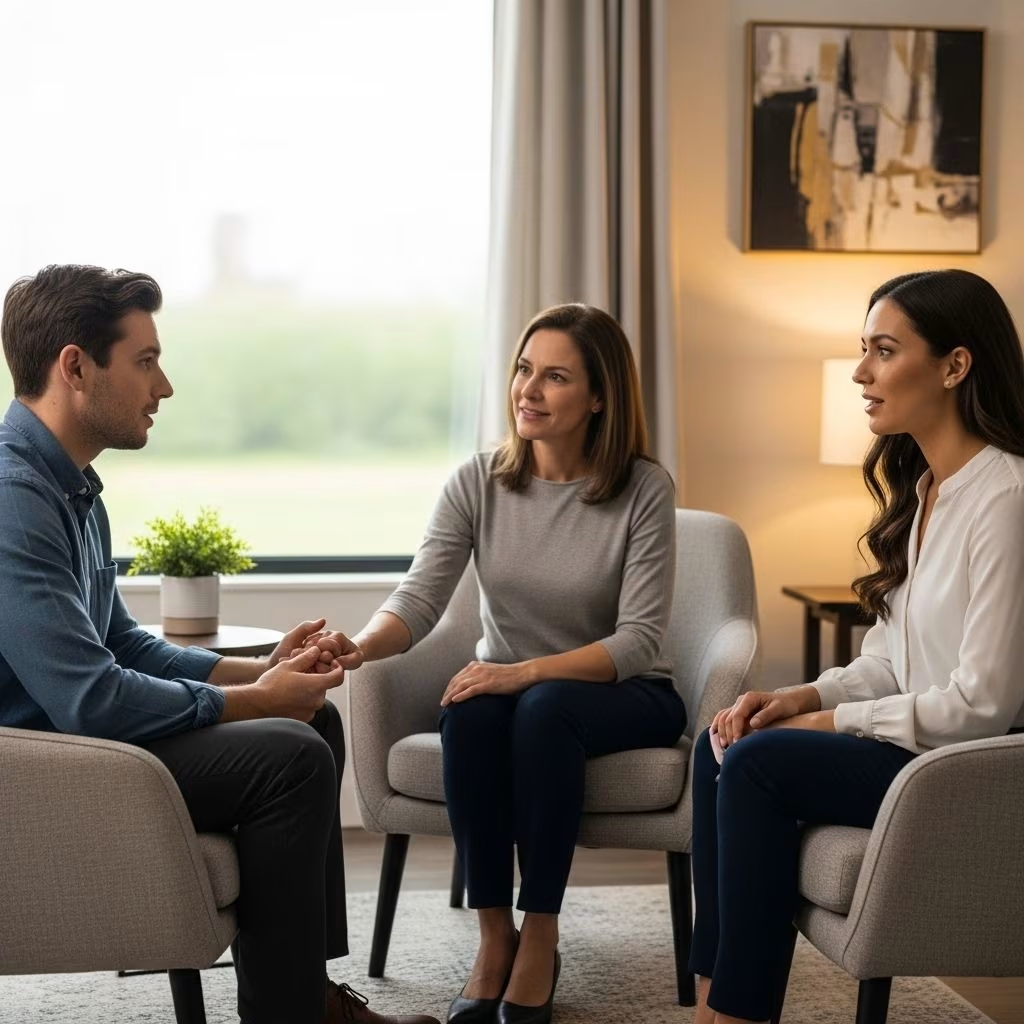
Relationship counseling—also known as couples therapy—has become an increasingly accepted and valuable resource for partners seeking to nurture, restore, or strengthen their bond. Whether you are experiencing repeating conflicts, struggling with communication issues, or wish to deepen your connection, seeking help from a professional can offer clarity, healing, and the tools needed for lasting change.
What Is Relationship Counseling?
Relationship counseling is a specialized form of therapy designed to help couples of all types recognize and resolve conflicts, improve communication, and enhance their relationships. This process is facilitated by a licensed therapist or counselor who is typically trained in dealing with interpersonal and relational dynamics.
- Also called couples therapy or marriage counseling
- Involves both partners or, in some cases, individual sessions
- Aims to address current challenges, long-standing issues, or premarital concerns
- Can be beneficial for couples at any stage of their relationship
Counseling sessions are generally structured, focusing on actionable changes and guided by evidence-based therapeutic techniques. Some therapists use approaches such as Emotionally Focused Therapy (EFT), the Gottman Method, or Cognitive Behavioral Therapy (CBT) tailored to relationship issues.
When Should You Consider Relationship Counseling?
Couples may benefit from counseling at various points, not just when relationships are in crisis. Common triggers include:
- Communication problems: Frequent misunderstandings, unresolved arguments, or difficulty expressing feelings
- Trust issues: Infidelity, secrecy, or lingering resentment
- Recurring conflicts: The same arguments occur repeatedly without resolution
- Major life transitions: Adjusting to parenthood, moving, career changes, or loss
- Loss of intimacy: Diminished affection, sexual dissatisfaction, or emotional distance
- Desire for growth: Strengthening an already healthy relationship or preparing for marriage
There is no “wrong” time to seek help. In fact, many couples find that earlier intervention leads to better outcomes.
Goals and Benefits of Relationship Counseling
The desired outcomes of couples therapy are unique to each relationship. However, common goals include:
- Improving communication skills
- Resolving conflict constructively
- Rebuilding trust and intimacy
- Developing empathy and understanding
- Establishing shared goals or values
- Learning to express needs safely and honestly
Counseling can benefit couples in the following ways:
- Deeper understanding of individual roles and relationship dynamics
- A neutral, safe environment to voice feelings and concerns
- Personal and shared growth: Gaining insight and tools for healthier relating
- Structured support for navigating life’s transitions
- Greater relationship satisfaction: Research shows therapy improves both relationship health and overall well-being
| Benefit | How Counseling Supports It |
|---|---|
| Communication | Develops listening, empathy, and effective expression of needs |
| Conflict resolution | Teaches de-escalation, negotiation, and compromise skills |
| Emotional intimacy | Builds trust and vulnerability in a guided setting |
| Perspective-taking | Helps each partner better understand the other’s experiences and emotions |
| Resilience | Strengthens coping mechanisms for handling life’s stressors together |
What to Expect in Relationship Counseling
Counseling can be an unfamiliar process for most. Here is what typically happens:
- Assessment Phase: The therapist gathers background information, learns about the relationship’s history, and identifies current concerns.
- Goal Setting: You and your partner clarify what you hope to achieve. Goals may relate to communication, intimacy, or managing conflict.
- Intervention: The therapist suggests exercises, assigns homework (such as communication tasks or reflection exercises), and models healthy interaction patterns.
- Progress Review: Periodically, you assess progress, challenges, and adapt the focus as needed.
- Termination: Counseling eventually ends when you both feel equipped with tools to maintain progress independently, or as agreed upon with your counselor.
Sessions can include both joint and individual meetings, depending on what the therapist deems most beneficial. The environment is nonjudgmental—aiming to help, not to assign blame.
Types of Relationship Counseling Approaches
Different therapists may use various evidence-based frameworks. Some common approaches include:
- Emotionally Focused Therapy (EFT): Focuses on building secure emotional bonds and addressing patterns driven by deeper emotional needs.
- The Gottman Method: Structured, research-based model teaching emotional connection, conflict management, and positive interactions.
- Cognitive Behavioral Therapy (CBT): Addresses and shifts unhealthy thinking patterns, communication styles, and behaviors.
- Imago Relationship Therapy: Explores how childhood experiences influence adult relationships, fostering empathy and conscious partnership.
Therapists may combine modalities or tailor their approach to your unique needs.
Skills and Strategies Developed in Counseling
Couples therapy centers around skill-building that partners can use in daily life, including:
- Active listening: Focusing wholly on your partner’s words and feelings
- Assertive communication: Expressing needs directly yet respectfully
- De-escalation: Managing heightened emotions during conflict
- Problem-solving: Collaborative tools for resolving disagreements
- Empathy cultivation: Learning to see and validate the other’s perspective
How Effective Is Relationship Counseling?
Research consistently demonstrates that relationship counseling can make a significant positive impact. Studies show that 70–80% of people who participate in couples therapy report improved satisfaction compared to those who do not seek help.
Therapeutic gains include heightened emotional intimacy, reduced conflict, and enhanced individual mental health. Success is most likely when both partners are motivated, open, and willing to undertake the work required—both inside and outside the session room. However, not every relationship will be preserved; in some cases, the outcome may be a healthy, amicable separation or redefinition of the partnership.
Common Misconceptions About Couples Therapy
- Only “broken” relationships need counseling: In reality, many healthy couples benefit from therapy as a preventative or growth-oriented practice.
- The therapist will side with one partner: Effective counselors maintain neutrality, creating space for both voices.
- Seeking help means failure: Pursuing growth and support is a sign of commitment, not defeat.
- Therapy is only about communication: While communication is a core theme, therapy addresses emotions, values, and behavioral patterns as well.
Choosing a Relationship Counselor
It is important to find a therapist with the right credentials and experience. Consider the following when choosing a counselor:
- Licensure and specialization in marriage, family, or couples therapy
- Comfort and rapport—both partners should feel able to be honest with the therapist
- Therapeutic approach (evidence-based modalities and alignment with your values)
- Practical considerations: Location, fees, availability, and insurance coverage
Preparing for Your First Counseling Session
Going into therapy can be daunting. To prepare:
- Discuss your goals as a couple and individually
- Be open to feedback and new perspectives
- Commit to honesty—with each other and with the therapist
- Remember that progress takes time, and setbacks may occur
How Long Does Relationship Counseling Take?
There is no universal timeline. Some couples gain the insights and tools needed within a few sessions, while others benefit from ongoing work over several months. The duration often depends on:
- The complexity and depth of issues presented
- Level of commitment from both partners
- Progress toward established therapeutic goals
Many therapists conduct brief, goal-oriented treatments, though some couples prefer a longer, open-ended process.
Online and In-Person Counseling Options
Modern relationship counseling is accessible via in-person sessions, online video platforms, or a hybrid of both. Teletherapy offers increased flexibility and privacy, particularly for busy couples or those with geographical barriers. Both formats are generally effective; the choice often comes down to personal preference and logistical constraints.
Frequently Asked Questions (FAQs)
Can Relationship Counseling Save My Relationship?
Couples therapy can significantly improve communication, address negative patterns, and rebuild connection. However, success also depends on the willingness of both partners to actively engage and apply what is learned. Even if the relationship cannot be “saved” in its original form, therapy can help both parties reach a healthier, mutually respectful resolution.
What If My Partner Refuses to Attend?
Individual counseling can still be beneficial. A therapist can help you process your feelings, explore your options, and develop strategies for managing relationship challenges. Sometimes, as one partner witnesses growth, the other becomes more open to joining counseling in the future.
Is Everything Discussed in Counseling Confidential?
Yes. Licensed therapists are bound by confidentiality, with exceptions only in cases of threats to safety or as required by law. Both partners should feel safe sharing openly.
Does Insurance Cover Relationship Counseling?
Coverage varies widely by provider and policy. Some plans cover therapy under mental health benefits; others do not. Check with your insurance and ask the therapist about fees, sliding scale options, and payment plans.
Can Relationship Counseling Work for Unmarried Couples or Non-Traditional Partnerships?
Absolutely. Relationship counseling is appropriate for all couples—regardless of marital status, sexual orientation, or duration of the relationship. The principles of healthy communication, respect, and conflict resolution are universal.
Key Takeaways
- Relationship counseling is a safe, structured resource for couples at any stage seeking improvement or healing.
- Therapy provides tools for better communication, effective conflict resolution, increased empathy, and stronger connection.
- Success relies on honest participation from both partners, appropriate expectations, and a skilled therapist.
- Help is available both in person and online, with a range of evidence-based modalities to support diverse needs.
If you and your partner are facing challenges or simply want to strengthen your relationship, seeking help is a proactive, positive step toward greater satisfaction and resilience together.
References
- https://www.talkspace.com/blog/benefits-of-couples-therapy/
- https://advancedpsychiatryassociates.com/resources/blog/benefits-of-couples-therapy
- https://www.abhayawellness.com/does-couples-therapy-actually-work/
- https://pmc.ncbi.nlm.nih.gov/articles/PMC10087549/
- https://positivepsychology.com/couples-counseling/
- https://insightclinicalcounseling.com/the-process-of-couples-counseling-its-not-scary/
- https://pmc.ncbi.nlm.nih.gov/articles/PMC3490822/
- https://www.shieldbearer.org/how-does-couples-therapy-work/


