


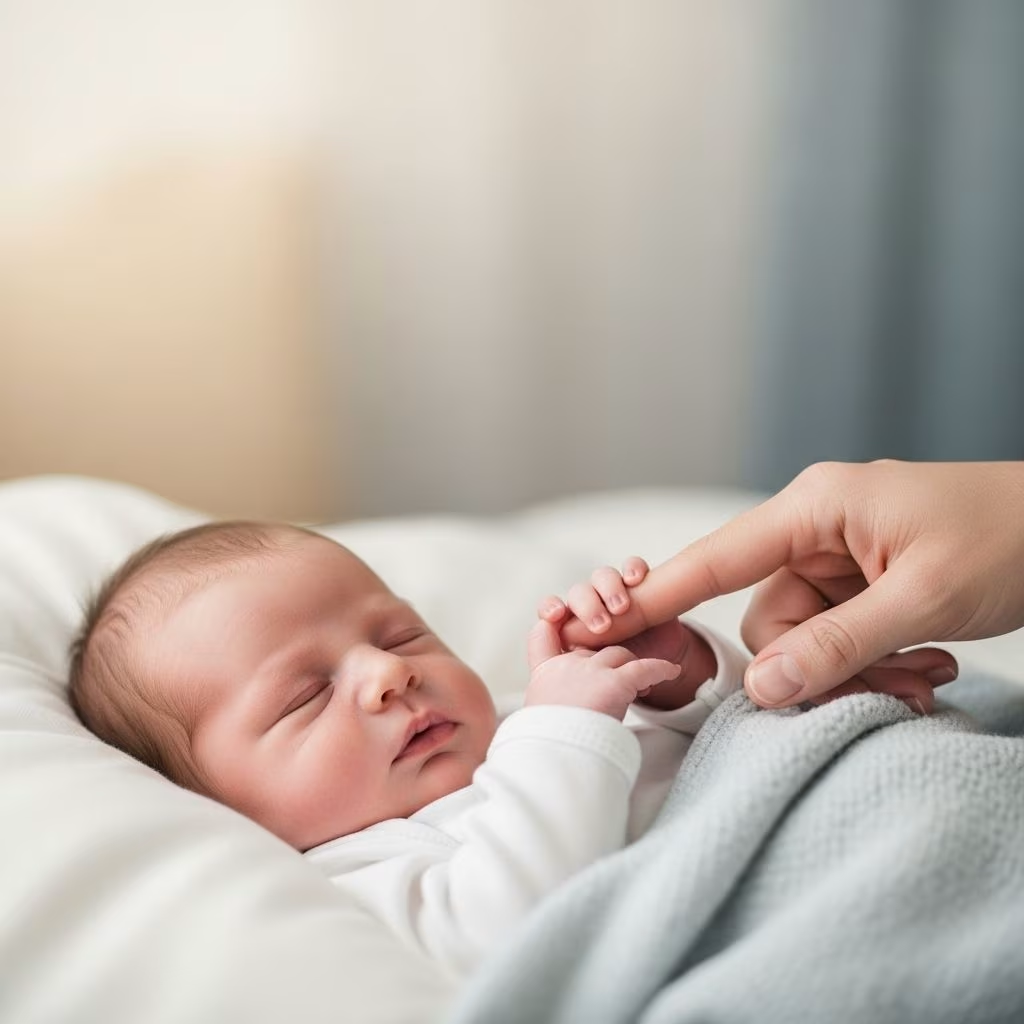
Erikson’s Trust vs. Mistrust Stage: Foundations of Personality
The first stage of Erik Erikson’s psychosocial development theory—trust versus mistrust—explains how early experiences profoundly influence a person’s sense of security, confidence, and the ability to build lasting relationships. This stage, spanning from birth to about 18 months, sets the groundwork for the individual’s ongoing psychological development and worldview.
Understanding Erikson’s Psychosocial Development Theory
Erikson’s theory of psychosocial development outlines eight stages spanning the entire lifespan. Each stage presents a core psychological conflict or challenge, such as trust versus mistrust, which the individual must confront and resolve. Successfully navigating each crisis fosters strengths and virtues necessary for healthy growth, while unresolved challenges can lead to persistent psychological difficulties.
- Eight Stages of Development: Trust vs. mistrust, autonomy vs. shame and doubt, initiative vs. guilt, industry vs. inferiority, identity vs. role confusion, intimacy vs. isolation, generativity vs. stagnation, and integrity vs. despair.
- Stage 1: Trust vs. Mistrust focuses on the earliest period of life and lays the foundation for all subsequent stages.
When Does the Trust vs. Mistrust Stage Occur?
This stage takes place from birth through approximately 18 months. During this time, infants are entirely dependent on their caregivers to meet their basic needs, such as nourishment, comfort, safety, and affection.
| Stage | Age Range | Central Conflict | Key Question |
|---|---|---|---|
| 1. Trust vs. Mistrust | Birth – 18 months | Trust or Mistrust | “Can I trust the world?” |
Core Concepts of Trust vs. Mistrust
Erikson believed that human beings are social creatures whose development depends heavily on their interactions with others. In the initial stage, the primary question is whether the infant’s caregivers are reliable and consistent in meeting the child’s needs.
- Basic Trust: A belief that the world is safe and that others are dependable, formed when caregivers respond appropriately to the infant’s needs.
- Mistrust: Arises from inconsistent, neglectful, or harsh responses, resulting in suspicion and insecurity.
How Is Trust Developed?
Infants learn who to trust through daily interactions:
- If caregivers consistently provide warmth, nourishment, and comfort—for example, feeding the baby when hungry, responding to cries, and offering affection—the child learns that others are dependable and forms a sense of trust.
- This confidence fosters feelings of safety and security, enabling the baby to venture into the world, try new things, and form healthy attachments in the future.
- If, instead, the infant’s needs are met with indifference, unpredictability, or even hostility, mistrust forms, making the child feel anxious, withdrawn, or fearful.
Examples of Trust vs. Mistrust in Action
- Example of Trust: A baby cries because of hunger, and the caregiver quickly soothes the infant and provides milk. Over time, the baby comes to expect that their needs will be met, fostering trust in others and the world.
- Example of Mistrust: If a baby’s cries are habitually ignored or met with frustration, the baby may come to doubt that their environment or caregivers are dependable, which can result in persistent wariness or anxiety.
The Lasting Impact of Early Trust
Erikson emphasized that the resolution of this stage shapes not just childhood but impacts an individual’s entire life—especially in areas like emotional regulation, attachments, and social participation. The sense of trust built in infancy forms the bedrock of psychological safety, emotional security, and a willingness to engage with the world throughout one’s life.
- Positive Outcomes: Healthy interactions lead to strong relationships, higher self-esteem, positive worldview, emotional resilience, and adaptability to new experiences.
- Negative Outcomes: Persistent mistrust can contribute to social withdrawal, anxiety, relationship difficulties, and negative expectations about the world.
The Importance of Balance: Trust, Mistrust, and Realism
While trust is crucial, Erikson stressed that a degree of healthy suspicion is also necessary for navigating life. An overly trusting individual may become too gullible or vulnerable to exploitation, while excessive mistrust leads to loneliness and isolation. Achieving a balance allows for discernment—trusting worthy people but remaining cautious with those who may cause harm.
The Spectrum of Trust and Associated Challenges
- Over-trusting Children: May have difficulty distinguishing safe from unsafe situations and might become targets for manipulation.
- Overly Mistrustful Children: Could struggle with peer relationships, show signs of social anxiety, depression, loneliness, or even behavioral challenges as they grow.
What Factors Shape Trust in Infancy?
- Consistency: Regular, predictable caregiving routines foster trust. Inconsistency creates doubt and insecurity.
- Affection and Attunement: Warm, loving responses—reading and responding to the child’s cues—communicate reliability.
- Physical and Emotional Safety: A secure environment where the infant feels protected enhances their trust in others.
- Caregiver Wellbeing: The caregiver’s own mental and emotional health influences their ability to provide consistent and sensitive care.
The Critical Role of the Caregiver
During trust vs. mistrust, primary caregivers have profound influence. Their consistent presence and responsiveness allow infants to grow confident that their needs will be met. Conversely, chronic absence, unpredictability, or harshness can sow lifelong seeds of mistrust, shaping attachment styles and expectations from future relationships.
Long-Term Consequences of Trust vs. Mistrust
If basic trust is securely established, individuals enter later life stages with the psychological asset of hope—believing the world can be good, and people can be dependable. Without it, they may experience ongoing difficulties:
- Lack of trust can result in persistent feelings of fear, suspicion, or withdrawal from groups and intimate relationships.
- Research suggests both extremely high and very low levels of trust are linked to social and emotional adjustment problems. A moderate, calibrated level of trust is ideal.
- Challenges with trust may also result in diminished adaptability and chronic insecurity throughout life.
Interplay with Subsequent Stages
Erikson theorized that each stage builds upon the previous one. The outcome of the trust versus mistrust crisis influences how the individual approaches future stages:
- Autonomy vs. Shame and Doubt: With trust, children feel safe exploring independence. Without it, they may doubt their abilities.
- Initiative vs. Guilt: Trust fosters initiative and active engagement; mistrust can inhibit motivation and creativity.
Modern Applications: Parenting, Education, and Therapy
Understanding the importance of trust development in infancy informs multiple fields:
- Parenting: Emphasizes the importance of sensitive, consistent care and building routines that help infants predict their world.
- Early Childhood Education: Structures and teacher responsiveness should promote security and predictability.
- Therapy and Mental Health: Therapists consider the roots of trust and mistrust in attachment patterns, self-esteem, and relationship issues.
Key Takeaways
- The trust vs. mistrust stage is foundational, potentially affecting interpersonal skills, security, and sense of hope throughout a person’s life.
- Caregivers’ responses to infants set enduring psychological patterns.
- Balance—neither naïvely trusting nor chronically suspicious—is essential for adjustment.
Frequently Asked Questions (FAQs)
What is Erikson’s trust vs. mistrust stage?
It’s the first stage of psychosocial development, occurring from birth to around 18 months. Infants learn to trust or mistrust their caregivers and, by extension, the world, based on their experiences of consistent care or neglect.
What happens if a child develops mistrust in this stage?
Chronic mistrust can lead to lifelong anxiety, social withdrawal, trouble building and maintaining relationships, and a generally pessimistic worldview. These challenges often persist into adolescence and adulthood.
Can trust be restored if mistrust develops in infancy?
While early experiences are powerful, growth and healing are possible. Supportive relationships, therapy, and positive attachments in later life can help rebuild trust, though it may require significant time and support.
Are there benefits to having some mistrust?
Yes. Erikson and subsequent research suggest that a healthy dose of skepticism is adaptive. It helps individuals navigate risk and protect themselves against harm, as long as mistrust does not overwhelm their ability to form connections.
How can parents and caregivers promote trust?
By responding reliably and sensitively to the infant’s needs—feeding, comforting, and offering affection—caregivers provide a sense of safety and predictability, fostering trust and healthy emotional development.
Summary Table: Erikson’s Eight Stages (Condensed)
| Stage | Conflict | Approximate Age | Virtue Developed |
|---|---|---|---|
| 1 | Trust vs. Mistrust | Birth–18 months | Hope |
| 2 | Autonomy vs. Shame and Doubt | 18 months–3 years | Will |
| 3 | Initiative vs. Guilt | 3–6 years | Purpose |
| 4 | Industry vs. Inferiority | 6–12 years | Competence |
| 5 | Identity vs. Role Confusion | 12–18 years | Fidelity |
| 6 | Intimacy vs. Isolation | Young adulthood | Love |
| 7 | Generativity vs. Stagnation | Middle adulthood | Care |
| 8 | Integrity vs. Despair | Late adulthood | Wisdom |
Conclusion
Erikson’s trust vs. mistrust stage underscores the critical importance of early caregiving on lifelong psychological health. Secure, responsive, and consistent care builds trust—the cornerstone of healthy personality and resilient, fulfilling relationships.
References
- https://study.com/learn/lesson/eriksons-trust-vs-mistrust-basic-examples.html
- https://www.youtube.com/watch?v=XFtPqSh9OpU
- https://pmc.ncbi.nlm.nih.gov/articles/PMC5069074/
- https://www.simplypsychology.org/erik-erikson.html
- https://www.ncbi.nlm.nih.gov/books/NBK556096/
- https://dictionary.apa.org/basic-trust-versus-mistrust
- https://www.isbe.net/CTEDocuments/FCS-640021.pdf
- https://www.sketchy.com/mcat-lessons/the-psychosocial-theory-of-development


