


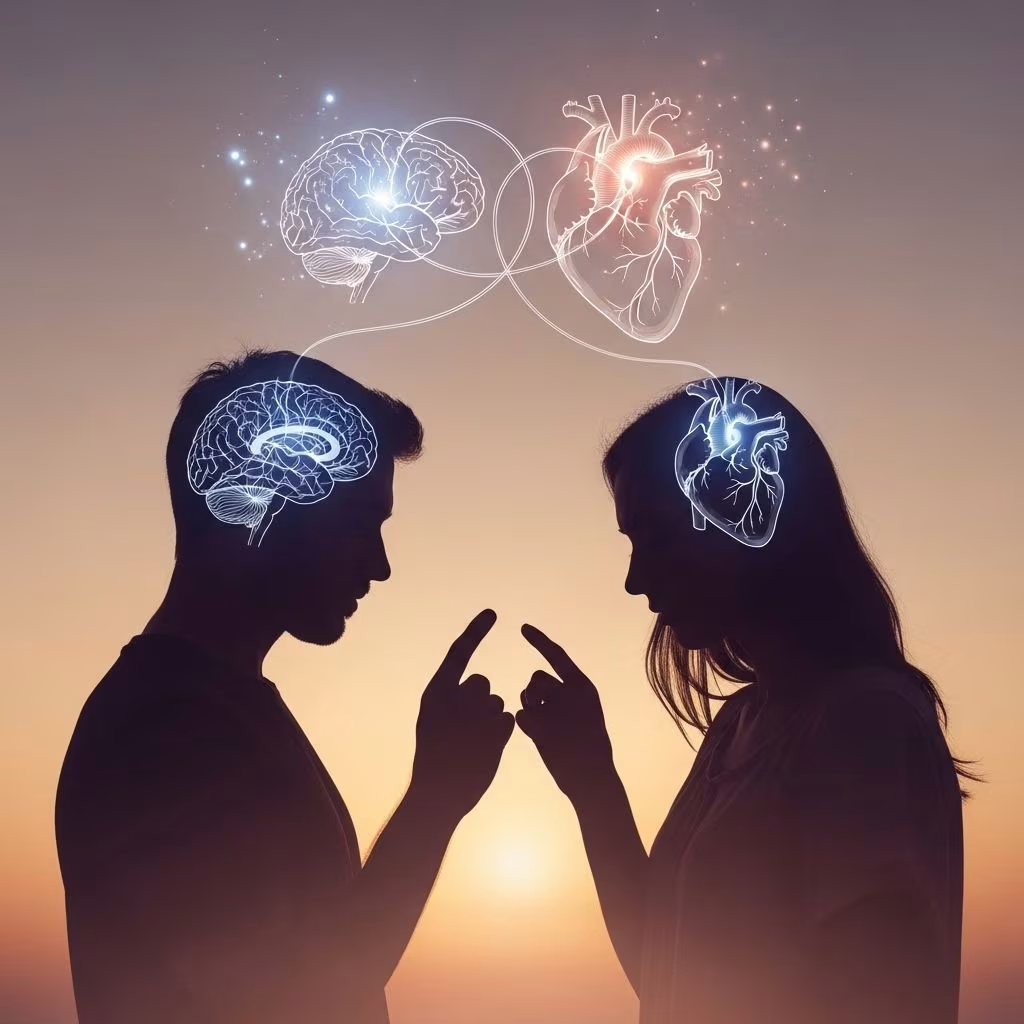
Am I in Love? How to Tell If Your Feelings Are Real
Many people find themselves wondering if what they’re experiencing is real love, simple infatuation, or merely a fleeting attraction. Love can entirely shift your emotional landscape, but distinguishing it from the rush of a crush isn’t always simple. This article will guide you through the telltale signs of being in love, the differences between love and infatuation or lust, and how to gain deeper clarity about your emotions.
Understanding What Love Really Means
Love is a complex, multifaceted emotion that encompasses affection, care, commitment, and deep mutual understanding. Unlike a passing crush or mere physical attraction, love tends to grow and deepen with real connection and experience. Love means valuing another person not just for their presence in your life, but for who they truly are, and wanting happiness and fulfillment for them, sometimes even above your own.
Quick Self-Check: Common Questions About Love
- Do you think about your partner constantly? Does your mind return to them, even during daily tasks?
- Are you excited to share good news with them first? Do you want their opinion on important decisions?
- Do you find yourself thinking about their needs and happiness?
- Are you ready to accept their flaws or differences?
- Does the idea of a shared future make you hopeful?
If you answered yes to most of these, you might be experiencing love—though, as you’ll see below, real love is also defined by depth, commitment, and mutual growth.
Core Signs That Indicate You’re in Love
Based on psychological research, relationship experts, and firsthand experiences, here are some strongly validated indicators of true love:
- They’re always on your mind. You think about them frequently, perhaps even more than you expect.
- You prioritize their happiness. Their well-being matters deeply to you—you want them to succeed, feel joy, and feel understood.
- Mutual future planning. You start to see them in your future, making plans big and small that include them.
- You embrace their quirks. Those little oddities or imperfections feel endearing rather than annoying.
- You care about their interests. Even if you don’t share every hobby, you find yourself wanting to learn about what excites them.
- Your emotional connection feels deep. Conversations go beyond the surface, and you feel heard and valued.
- You feel comfortable being your authentic self. There’s a sense of safety in being open and vulnerable.
- You want to express your feelings. Saying “I love you” feels natural, regardless of how long you’ve known each other.
- Physical affection feels meaningful. Sex and intimacy take on a new, more fulfilling dimension.
- You trust them and want to build trust. Trust grows with honest conversations and shared vulnerability.
- You want the relationship to last. There’s hope and excitement for durability and growth together.
- Life feels richer and more exciting. Love often brings renewed energy and optimism.
- You support their goals and dreams. Their success and happiness matter to you beyond your own benefit.
- You respect their boundaries. Love includes honor for differences and independent needs.
How to Tell the Difference: Love vs. Infatuation vs. Lust
It’s common to confuse infatuation and lust with love, especially in the early days of a romantic connection. Here is a side-by-side comparison to help clarify the differences.
| Love | Infatuation | Lust |
|---|---|---|
| Grows steadily over time; deep emotional connection | Strong obsession or attraction that comes on quickly | Primarily physical or sexual desire |
| Acceptance of flaws and imperfections | Tends to idealize the person, overlooking red flags | Focuses on pleasure and gratification |
| Desire for mutual happiness, genuine care | Worries or anxiety when apart | Superficial, often short-lived excitement |
| Plans for a realistic future together | Difficulty imagining real long-term future | No real interest in future plans |
| Trust, respect, and honest vulnerability | Feelings of insecurity, high highs and low lows | Focuses on immediate experience, not connection |
| Continues and expands beyond physical intimacy | Often fades as excitement wanes | Fades after physical needs are met |
Characteristics of Infatuation
- Rapid, intense attraction that often overwhelms logical thinking
- Overestimating someone’s positive qualities
- Feeling anxious or insecure when apart
- Little understanding of their full personality
- Tendency to imagine unrealistic scenarios/idealized future
Lust: What Sets It Apart
- Primarily fueled by sexual attraction or fantasy
- Desire for physical intimacy dominates interactions
- Emotional connection is often minimal or absent
- Usually short-lived if not paired with deeper feelings
- May diminish quickly after physical desire is satisfied
Deeper Aspects: The Science of Love
From a scientific and psychological perspective, the experience of falling in love is both emotional and physiological. Studies show that:
- Your brain chemistry changes. Love triggers a rise in dopamine and oxytocin, creating feelings of excitement, pleasure, bonding, and attachment.
- Heart rates synchronize. Research reveals that the heart rates of couples in love often mirror each other—even without physical contact, suggesting a unique physiological bond.
- Shared experiences increase intimacy. Engaging in new activities together deepens your connection and helps keep the relationship vibrant.
- Attachment and comfort grow over time. As the relationship matures, the rush of attraction is replaced by lasting attachment and security.
Psychological Components of Love
- Intimacy: Sharing your true self and supporting each other emotionally.
- Passion: Physical attraction and romantic desire, which may evolve as the relationship deepens.
- Commitment: The decision to stay together and build a life, even as circumstances change.
How to Figure Out Your Feelings: Steps for Self-Reflection
- Pay attention to your thoughts and feelings. Do you feel genuine happiness for their success? Does thinking about them bring you comfort and not just excitement?
- Notice how you deal with conflict. Love isn’t just about good times. How do you both handle disagreements or tough spots? Healthy love involves working through conflict respectfully.
- Reflect on your openness and honesty. Are you comfortable sharing your real thoughts, dreams, and vulnerabilities?
- Ask about your shared future. Can you realistically picture a long-term partnership? Is there mutual respect for each other’s growth?
- Examine your expectations. Are you trying to change them, or do you accept and celebrate their authenticity?
- Assess stability. Is your attraction consistent, or does it come and go with intensity?
What If You’re Unsure?
If your feelings don’t fit neatly into one category or you’re struggling to tell if it’s more than infatuation or lust, that’s okay. Love is rare and precious, but it’s not always instantaneous or clear. Consider talking to trusted friends, a therapist, or counselor to explore your emotions further. Relationships evolve, and it’s normal for clarity to take time.
Healthy Love vs. Unhealthy Patterns
- Healthy love encourages growth, respect, and patience. Your relationship helps both partners become their best selves.
- Unhealthy attachment is characterized by jealousy, trying to control the other person, or unrealistic dependence.
- If your love causes more anxiety, fear, or insecurity than joy and comfort, consider reevaluating the dynamic.
Frequently Asked Questions (FAQs)
Q: What is the difference between love and infatuation?
A: Infatuation involves quick, intense emotions and often centers around fantasy or idolizing someone, rather than knowing them deeply. Love, in contrast, is built through time, understanding, acceptance, and genuine care, including during tough times.
Q: How do I know if I’m in love or just attracted to someone?
A: Physical attraction often comes first, but true love develops as emotional intimacy, respect, and trust grow. If you value their personality and happiness as much as or more than their appearance, you may be moving toward love.
Q: Can lust turn into love?
A: Lust can sometimes develop into love when you get to know someone beyond the physical and connect on emotional and intellectual levels. This requires time, communication, and mutual respect as you build shared experiences and trust.
Q: Are there stages in falling in love?
A: Yes. Often, relationships progress from initial attraction/lust to infatuation, and, for some, to lasting love—characterized by real understanding, respect, and enduring commitment.
Q: Is there a ‘right’ time to say ‘I love you’?
A: There’s no universal timeline—some people feel ready quickly, while others need more time to build trust and depth. What matters is that the words reflect real feelings, not pressure or impulse.
Takeaways and Self-Care
- Falling in love is exciting, but it’s also a vulnerable process. Give yourself grace as you sort out your feelings.
- Real love is revealed over time, through both joy and adversity.
- Don’t rush: allow your emotions to develop naturally. Trust, intimacy, and mutual respect are slow-built foundations.
- Communicate openly with your partner. If you’re unsure about your feelings, share your experience; they may feel similarly.
When to Seek Guidance
If you’re experiencing anxiety, confusion, or distress around your emotions or relationship, consider reaching out to a mental health professional. Sometimes relationships can expose underlying patterns, such as fear of intimacy, that are best explored with compassionate, expert support.
Summary Table: Signs of Love, Infatuation, and Lust
| Love | Infatuation | Lust |
|---|---|---|
| Grows slowly, deep emotional ties, values partner’s happiness | Quick, overwhelming feelings, idolization | Sexual desire and physical attraction |
| Realistic acceptance of flaws and good communication | Idealization, anxiety, and superficial connection | Short-term satisfaction driven by excitement |
| Shared long-term visions and goals | Little real thought about future together | No interest in relationship beyond sex |
Final Thoughts
Whether you’re analyzing the first stirrings of emotion or re-examining a long-term partnership, the path to understanding love is unique to each individual. By considering the signs, reflecting on your experiences, and valuing patience and honesty, you give both yourself and your relationship the best opportunity to flourish. Remember, love isn’t just a feeling—it’s a series of choices, actions, and understandings that enrich every stage of life.


