


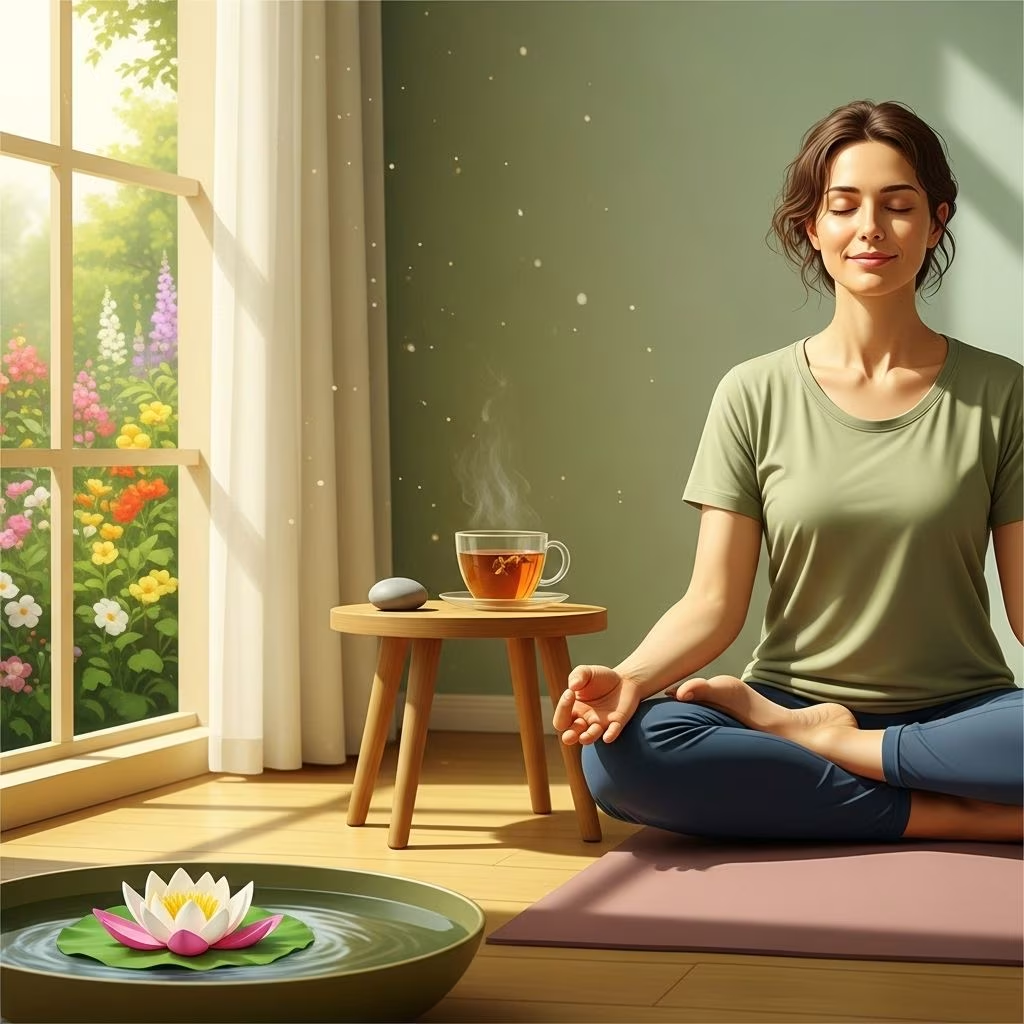
Ways to Cleanse Your Mind and Body for Enhanced Well-Being
Cleansing your mind and body is essential in today’s fast-paced, stress-filled environment. Holistic, science-backed strategies can restore clarity, promote emotional balance, and improve overall health. This comprehensive guide explores actionable steps for detoxifying your lifestyle, conquering clutter, replenishing your mind, and rejuvenating your body.
Understanding the Mind-Body Connection
Modern health experts and ancient wisdom alike increasingly recognize the mind-body connection as central to achieving long-lasting wellness. Emotions literally shape physical health, influencing everything from heart rate to immune response. Practices that harmonize both mental and physical states create a foundation for holistic healing and improved resilience.
Emotional awareness, spiritual reflection, and scientific understanding merge in approaches like mindfulness and somatic therapies, ensuring true wellness addresses both the inner and outer self.
Powerful Strategies to Detox Your Mind
Declutter Physical Space for Mental Clarity
Clutter in your home or work environment increases stress, lowers productivity, and can even negatively affect physical health. Organizing and cleaning your space helps restore a sense of control, which is vital for mental stability.
- Remove unused items: Sort and donate belongings you no longer need.
- Create dedicated spaces: Designate areas for work, relaxation, and sleep to reduce mental fatigue.
- Organize regularly: Build small habits to keep your environment tidy and prevent overwhelming accumulation.
Research indicates that people who maintain cleaner, organized homes report better health and lower levels of stress and depression.
Practice Mindfulness and Meditation
Mindfulness—staying present and aware—offers proven benefits for stress management and emotional regulation. Meditation quiets the mind, helps reframe stressful thoughts, and builds mental resilience.
- Mindful breathing: Spend 5-10 minutes focusing solely on your breath, observing each inhale and exhale.
- Guided imagery: Use visualization techniques to create a sense of peace and mental clarity.
- Body scans: Methodically notice physical sensations and release tension throughout your body.
- Sensory deprivation: Temporary retreats into quiet, dark settings can accelerate emotional healing and foster new mental pathways.
Mindfulness techniques are core practices at mental health retreats, where they lower stress hormones and promote emotional stability.
Break Free from Negative Thought Patterns
Persistent negative thoughts trap the mind in cycles of anxiety and emotional distress. Evidence-based therapies such as cognitive behavioral therapy (CBT) and dialectical behavior therapy (DBT) help reprogram negative thinking and promote healthier emotional responses.
- Challenge negative beliefs: Write down recurring anxious or critical thoughts, then counter them with positive evidence.
- Practice gratitude: List three things you’re thankful for every day.
- Limit news and social media: Reducing exposure to negativity helps restore balance and optimism.
Combining mindfulness with CBT or DBT can significantly improve cognitive functioning and mood.
Engage in Emotional Cleansing Activities
Emotions build up just as mental clutter does. Processing feelings through healthy outlets relieves psychological stress and fosters emotional wellness.
- Express yourself: Journaling, art, and conversation help release bottled emotions.
- Practice forgiveness: Letting go of grudges clears mental space for joy and peace.
- Use relaxation techniques: Yoga, tai chi, and progressive muscle relaxation dissipate tension and foster calm.
Effective Body Cleansing Techniques
Hydrate Generously
Water is vital for flushing toxins from your system, promoting cell renewal, and maintaining mental clarity. Aim to drink at least eight 8-ounce glasses daily. Adding lemon or cucumber can enhance detoxification and taste.
Eat Nourishing, Whole Foods
- Build balanced meals: Include a variety of fruits, vegetables, lean proteins, and healthy fats.
- Avoid processed foods: Reduce sugar, additives, and unhealthy fats that burden the body’s natural cleansing systems.
- Incorporate fiber: Supports digestion and regular elimination of toxins.
Whole foods provide antioxidants and nutrients that promote healthy brain function and physical vitality.
Support Serotonin Detox
Serotonin, the “feel-good” neurotransmitter, influences both mood and physical cravings. Serotonin levels can be thrown off by chronic stress, poor diet, or substance use.
| Practice | Benefits for Serotonin Detox |
|---|---|
| Physical activity (walking, yoga) | Boosts serotonin production and regulation, elevates mood |
| Healthy sleep hygiene | Restores balance to neurotransmitter levels, supports healing |
| Sunlight exposure | Stimulates natural serotonin synthesis |
| Mindful eating | Minimizes cravings, stabilizes blood sugar, improves clarity |
Engage in Regular Physical Activity
Exercise delivers a potent mind-body detox. Movement increases blood flow, speeds up waste removal, reduces inflammation, and releases endorphins that naturally elevate mood.
- Choose enjoyable activities such as walking, swimming, dancing, or cycling.
- Aim for at least 150 minutes of moderate activity per week.
- Practice stretching or gentle yoga for restorative benefits.
Create Restful Sleep Habits
Sleep is your body’s master reset, vital for both physical and mental healing. Poor sleep impairs detoxification processes, inflames stress hormones, and lowers cognitive function.
- Maintain a consistent sleep schedule—even on weekends.
- Limit screen use before bed to support melatonin production.
- Create a calming bedtime routine—warm bath, herbal tea, or light reading.
Pursue Gentle Detoxification Practices
Cleansing does not mean deprivation. Instead, gentle detox methods honor your body’s balance and support overall wellness:
- Detox baths: Soak in Epsom salt baths to relax muscles and aid toxin release.
- Deep breathing: Oxygenates your cells and supports elimination of carbon dioxide.
- Herbal teas: Support liver function and digestion with teas such as ginger, peppermint, or dandelion.
Mental Wellness through Organization
Clean to Regain Control and Focus
Tidying up is more than aesthetics—it reasserts personal control and triggers immediate stress relief. Routine cleaning and decluttering can offer psychological benefits such as improved concentration and reduced anxiety.
- Start with small, manageable areas—a single drawer or shelf.
- Invite help or make it a group activity for accountability and fun.
- Celebrate progress, not perfection; incremental steps have lasting payoff.
Beware of Over-Cleaning
While cleanliness supports mental health, compulsive cleaning can be a sign of anxiety that disrupts daily life. If organizing becomes a source of stress, consider speaking with a mental health professional for guidance. Healthy routines emphasize balance, not perfection.
Create Lasting Lifestyle Changes
- Establish routines: Repetition builds habits; set regular times for mindfulness, movement, and cleaning.
- Set achievable goals: Break large changes into small steps to prevent overwhelm and ensure sustainability.
- Track progress: Reflection reinforces commitment and provides motivation through visible improvement.
- Seek support: Share your intentions with friends, family, or professional counselors for mutual encouragement and accountability.
Frequently Asked Questions (FAQs)
How does clutter affect mental health?
Clutter increases feelings of chaos, stress, and distraction. Cleaner environments are linked to improved mental clarity, emotional stability, and even better physical health.
Can detoxifying my mind really improve my body?
Yes. Emotional health impacts physical systems—stress hormones, heart rate, immune function, and more. Activities that cleanse the mind often boost physical well-being and vice versa.
What are signs I need a mental cleanse?
If you feel stuck in negative thought patterns, overwhelmed by routine, or struggle with sleep and focus, it may be time to try mind-cleansing strategies. Persistent stress or anxiety also warrants intervention.
Is fasting necessary for body detox?
Not usually. While intermittent fasting may offer benefits, most people improve wellness through hydration, clean eating, movement, and restorative sleep. Extreme fasts often do more harm than good.
How often should I declutter my mind and space?
Integrate cleansing routines weekly or monthly for best results. Mindfulness and emotional cleansing can occur daily, while physical decluttering may be done seasonally or as needed.
Summary Table: Mind and Body Cleansing Practices
| Practice | Mind Benefits | Body Benefits |
|---|---|---|
| Decluttering | Reduces stress, restores focus | Increases activity, may improve health |
| Mindfulness Meditation | Quiets mind, promotes clarity | Lowers cortisol, boosts mood |
| Physical Exercise | Eases anxiety, improves sleep | Detoxifies, strengthens immunity |
| Clean Eating | Stabilizes emotions, improves cognition | Flushes toxins, supports digestion |
| Quality Sleep | Resets mood and cognition | Restores energy, promotes healing |
Key Takeaways
- Cleansing requires integrating mental, emotional, and physical practices.
- Simple steps—decluttering, mindfulness, hydration, and clean eating—yield powerful results.
- Balanced routines and self-care behaviors are sustainable and promote lifelong wellness.
Resources for Further Support
- Professional mental health counseling
- Mindfulness and meditation apps
- Nutrition and fitness coaching
- Community groups and wellness retreats
True healing starts by honoring both mind and body—embracing their inherent connection unlocks resilience, balance, and sustained well-being.
References
- https://www.unanijournal.com/articles/344/9-2-13-146.pdf
- https://choicehousecolorado.com/serotonin-detox/
- https://bayareacbtcenter.com/the-science-behind-mental-health-retreats-how-they-rewire-your-brain-for-lasting-changes/
- https://www.fepblue.org/news/2023/02/08/17/34/The-Mental-Power-of-Cleaning
- https://amac.us/newsline/lifestyle/mental-health-benefits-of-home-organization/


