


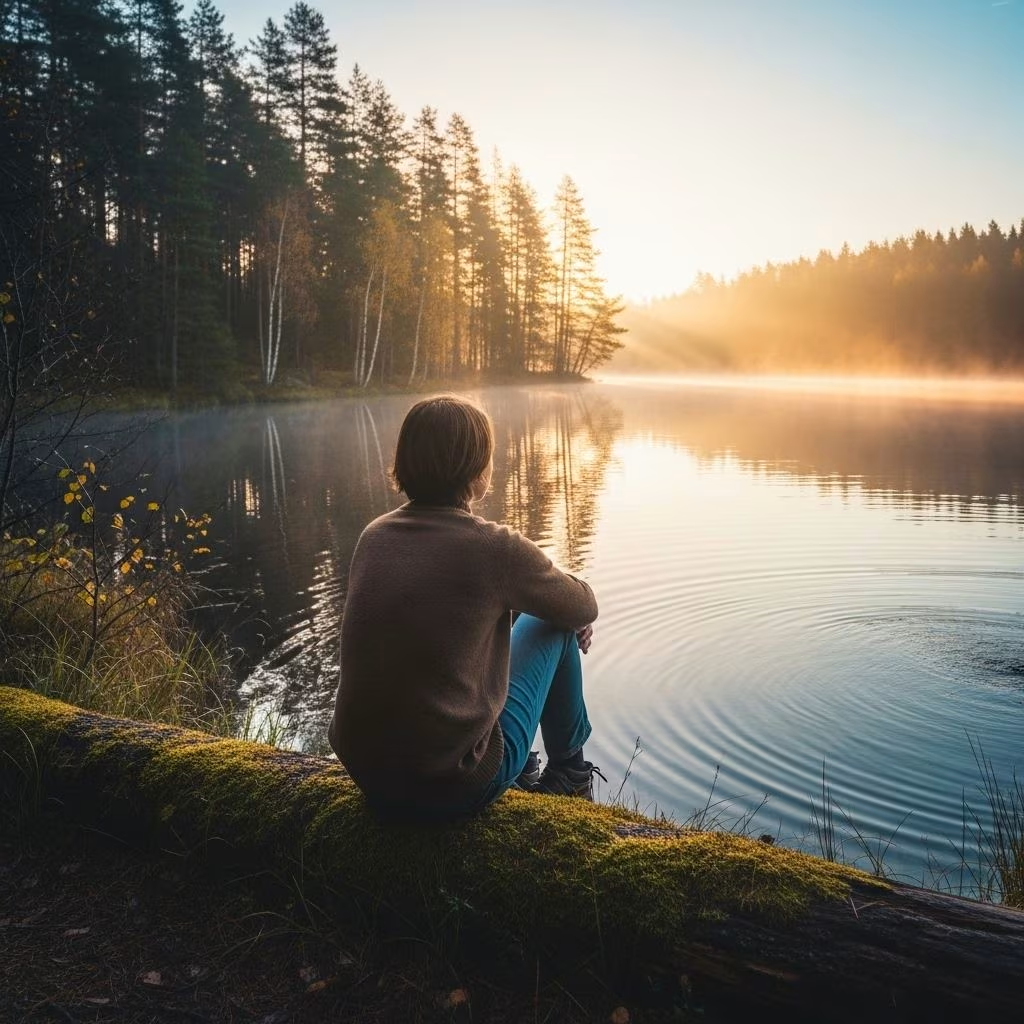
In a world driven by constant social interaction and digital connection, the idea of being intentionally alone is often misunderstood. Alone time, when embraced thoughtfully, is not synonymous with loneliness. Instead, it is a dynamic and essential component for robust mental health, resiliency, and personal growth. This article explores the transformative power of solitude, addresses its benefits and pitfalls, and offers guidance on harnessing its potential to enhance overall well-being.
What Does Alone Time Really Mean?
Alone time refers to periods when you are physically or mentally on your own, free from the immediate presence or demands of others. It can involve reflection, rest, pursuing hobbies, or simply doing nothing. Importantly, healthy solitude is a choice—distinguished from unwanted isolation—and can provide a sense of freedom, autonomy, and deeper self-awareness.
Key Benefits of Alone Time for Mental Health
- Emotional Regulation: Solitude lowers emotional arousal, helping you manage stress and respond thoughtfully rather than react impulsively.
- Creativity Enhancement: Alone time allows your mind to wander, fostering fresh ideas and imaginative thinking.
- Self-Awareness: Time alone lets you reflect on your values, aspirations, and feelings, deepening your understanding of yourself.
- Productivity and Focus: Free from social distractions, you can concentrate more deeply and accomplish meaningful work.
- Independence: Solitude encourages self-reliance and confidence in navigating life’s challenges.
- Improved Relationships: By clarifying your needs and boundaries in solitude, you relate more authentically to others.
- Better Sleep: Time spent unwinding alone can help you relax, leading to improved sleep quality.
Solitude vs. Loneliness: Understanding the Difference
While solitude is a voluntary and nourishing experience, loneliness emerges from a perceived lack of meaningful social connection. Feeling isolated can activate stress systems in the body, undermine immune function, and increase vulnerability to anxiety and depression. The crucial distinction lies in intention and satisfaction: alone time is enriching when chosen, but potentially harmful when imposed or accompanied by feelings of rejection.
| Aspect | Solitude | Loneliness |
|---|---|---|
| Experience | Chosen, fulfilling | Unwanted, distressing |
| Effects | Restorative, clarifies thinking | Increases stress and sadness |
| Control | Autonomous | Passive, powerless |
| Impact on Health | Improves wellbeing | Raises health risks |
How Alone Time Benefits Different Areas of Life
Emotional Resilience
Spending dedicated time alone allows your nervous system to “reset” and recover from social stressors. This downtime helps ground your emotions, offering perspective on challenges and enabling thoughtful coping strategies.
Self-Reflection and Growth
Solitude is an opportunity for self-exploration. Without external distractions, you can examine your beliefs, desires, and life direction with greater clarity. This supports emotional intelligence and stronger decision-making skills.
Creativity and Problem Solving
Alone time creates fertile ground for new ideas. When your mind is not preoccupied with social obligations, it can wander, make creative connections, and develop innovative solutions to problems.
Focus and Productivity
Interruptions can derail deep work. Alone time enables intense concentration, helping you tackle complex tasks more efficiently and with higher quality results.
Independence and Confidence
By making choices without outside influence, you reinforce your ability to act autonomously, leading to greater confidence and self-efficacy.
Relationship Health
Paradoxically, spending time alone often fortifies interpersonal relationships. By processing your emotions and clarifying boundaries in solitude, you are better equipped to connect meaningfully with others and nurture healthier bonds.
Eight Transformative Benefits of Alone Time
- Improved Sleep Quality: Practicing solitude, especially in the evenings, soothes your mind and facilitates restful sleep.
- Elevated Creativity: The “mental space” unchecked by social evaluation is rich fertile ground for imagination.
- Deepened Self-Awareness: Alone time invites honest introspection that sharpens personal insight.
- Greater Emotional Regulation: Emotional intensity often subsides in the absence of social triggers, allowing feelings to settle.
- Freedom to Choose Activities: Solitude lets you prioritize your own interests without compromise, enriching your happiness.
- Enhanced Empathy: Understanding yourself leads to increased empathy and patience with others.
- Boosted Productivity: With fewer distractions, solo time can be highly effective for creative pursuits or work tasks.
- Stronger Relationship Satisfaction: Stepping back to recharge helps prevent resentment and deepens your engagement with others when you reconnect.
Signs You Might Need More Alone Time
- You feel consistently overwhelmed by social commitments or crowded schedules.
- Your creativity or productivity is stalled, and you struggle to concentrate.
- Minor irritations with others feel magnified, causing you to become impatient or withdrawn.
- You rarely have time for self-care, personal reflection, or your favorite hobbies.
- You experience burnout, exhaustion, or increasing anxiety during group interactions.
What Happens When You Don’t Get Enough Alone Time?
A shortage of solitude can disrupt emotional regulation, increase irritability, and contribute to chronic stress, impacting both mental and physical health. Symptoms may include:
- Heightened stress responses (restlessness, increased heart rate, tension)
- Difficulty concentrating or remembering information
- More frequent anxiety or low mood
- Weakened problem-solving and decision-making capacity
- Greater susceptibility to burnout or conflict in relationships
Over time, neglecting alone time can erode your sense of self, reduce resilience, and even elevate the risk for mental health conditions like anxiety and depression.
Alone Time Through the Lifespan
While all people benefit from intentional solitude, some groups and life stages require or appreciate alone time differently:
- Children and Adolescents: Structured solo time can help youngsters develop independence and emotional intelligence.
- Young Adults: Purposeful time alone is vital for navigating identity formation, building self-esteem, and managing social stressors associated with transitions.
- Working Adults: Busy schedules make it essential to carve out moments for solitary rest and reflection.
- Older Adults: Healthy solitude combats isolation and maintains psychological health, especially after major life changes.
- Introverts: May find recharging through alone time crucial for energy and well-being, but solitude benefits everyone regardless of personality.
How to Make Alone Time Work for You
Maximizing the mental health benefits of solitude requires intention. Here are strategies to incorporate nourishing alone time into daily life:
- Schedule regular “me time” by blocking out periods—even 10–20 minutes—without interruptions.
- Turn off digital devices and notifications to minimize distractions.
- Pursue activities that foster joy and reflection, such as journaling, art, walks, or meditation.
- Practice mindfulness to stay present during solitary moments.
- Reframe solitude as an opportunity for care, not deprivation.
- Communicate your needs for alone time to friends or family so they can support your boundaries.
Can You Have Too Much Alone Time?
Yes. Excessive solitude, especially if it stems from social avoidance or a lack of supportive relationships, can spiral into loneliness and depression. Identify the difference:
- Are you choosing time alone, or avoiding social contact due to fear or sadness?
- Do you feel restored after being solo, or increasingly disconnected and down?
Balance is key. Aim to intentionally integrate solo time with meaningful connections to protect against harmful isolation.
Frequently Asked Questions
What are the best ways to use alone time for mental health?
Engage in activities that promote reflection and relaxation, like journaling, yoga, creative hobbies, or nature walks. Make sure your alone time is intentional and free of distractions for the greatest benefit.
How can I tell if I need more alone time?
If you notice feelings of overwhelm, irritability, or creative stagnation, or you rarely have time for yourself, consider prioritizing solitude in your routine.
Is alone time only important for introverts?
No. While introverts may crave it more, people of all personality types benefit from periods of solitude for emotional regulation, personal growth, and creativity.
Can too much solitude be unhealthy?
Excessive, non-voluntary alone time can lead to isolation, loneliness, and depression. The healthiest alone time is balanced with positive social interactions and a sense of purpose.
Are there risks if I avoid alone time altogether?
Yes, persistent avoidance of solitude can lead to chronic stress, loss of self-identity, and increased risk for mental health challenges such as anxiety and burnout.
Summary Table: Alone Time and Mental Health
| Benefit | Description |
|---|---|
| Emotional Regulation | Allows processing and calming of strong feelings |
| Creativity | Encourages idea generation and imaginative thinking |
| Self-Awareness | Deepens insight into personal identity, values, goals |
| Productivity | Improves focus and work quality, especially for demanding tasks |
| Relationship Satisfaction | Prevents burnout, enhances communication |
| Sleep Quality | Reduces stress, improves evening relaxation |
| Autonomy | Supports confidence, decision-making skills |
Conclusion
Alone time is not a luxury—it is a mental health essential. When approached mindfully and intentionally, it can restore energy, nurture creativity, bolster self-understanding, and support lasting emotional health. Strive for a balanced approach, weaving together meaningful solitude and supportive social connection to achieve a resilient, flourishing mind.
References
- https://www.choosingtherapy.com/benefits-of-being-alone/
- https://www.calm.com/blog/alone-time
- https://health.osu.edu/health/mental-health/alone-time-is-important-for-mental-health
- https://scholarsarchive.byu.edu/cgi/viewcontent.cgi?article=1017&context=familyperspectives
- https://psychcentral.com/health/signs-you-need-a-little-me-time
- https://jedfoundation.org/resource/benefits-of-being-alone/
- https://www.apa.org/news/podcasts/speaking-of-psychology/solitude
- https://pmc.ncbi.nlm.nih.gov/articles/PMC3874845/


