


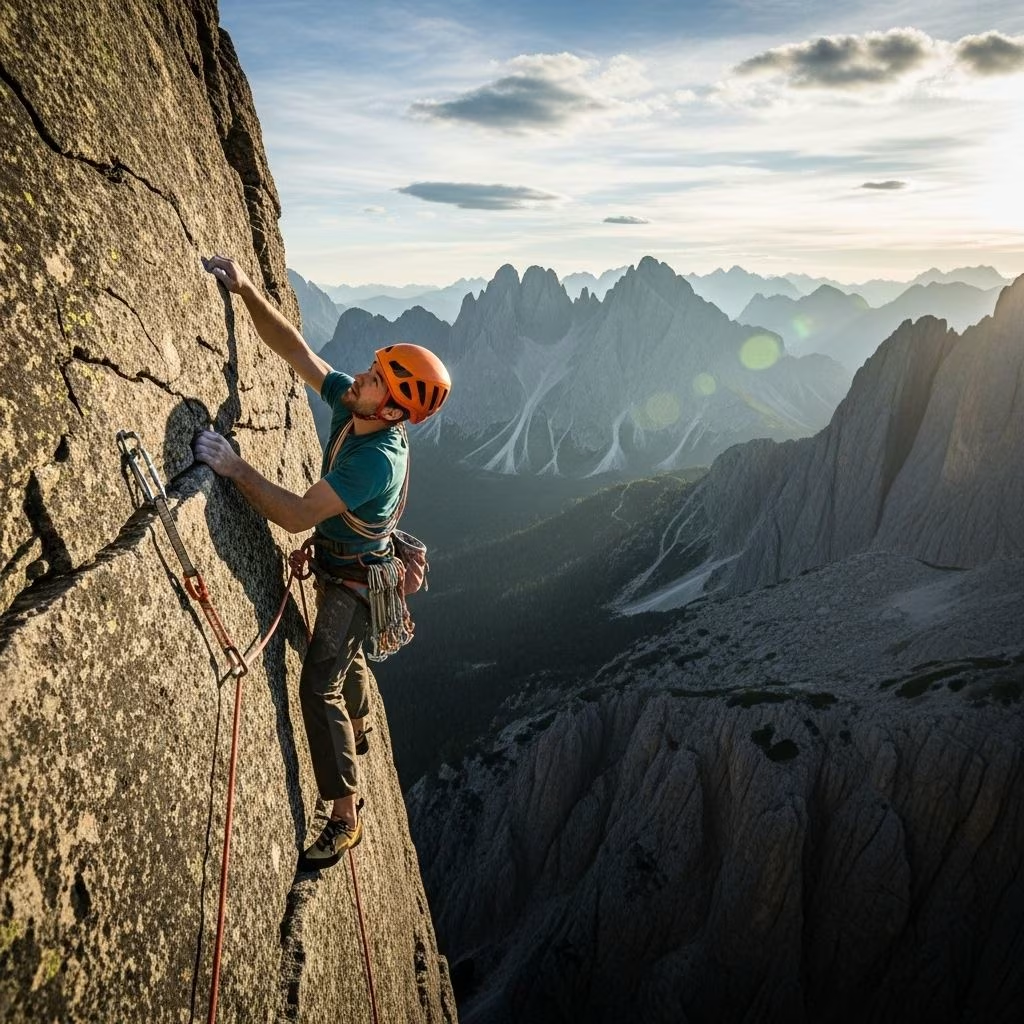
Are you constantly in search of your next big thrill? While many people enjoy a bit of excitement now and then, there’s a difference between occasional thrill-seeking and living for the adrenaline rush. Adrenaline junkies are drawn to activities that push the envelope, propelling their minds and bodies into a heightened state of exhilaration—sometimes at the expense of their health, relationships, or personal safety. Understanding the signs of adrenaline addiction can help you determine if your quest for excitement is under control, or if it’s becoming a problem that needs attention.
What Is an Adrenaline Junkie?
Adrenaline junkie is a term commonly used to describe individuals who habitually seek out high-intensity, thrilling, or risky activities specifically to experience an adrenaline rush. This phrase, popularized by the 1990s extreme sports culture, celebrates bold risk-takers who crave physical and emotional excitement. However, science and psychology reveal a complex picture that extends far beyond daredevil behavior.
When an adrenaline junkie encounters danger or excitement, the adrenal glands release adrenaline (also known as epinephrine), a hormone that primes the body and mind for quick action. This results in:
- Sharpened focus and mental clarity
- Rapid heartbeat and shallow breathing
- Heightened senses
- Surges of energy
For most, this is a temporary, enjoyable high. For adrenaline junkies, it becomes an essential pursuit—a thrill they chase repeatedly, often escalating the risks over time.
The Science Behind the Rush: Why Do Some People Crave Adrenaline?
Physiologically, the desire for intense stimulation has roots in the body’s fight-or-flight response. When faced with stress, danger, or excitement, adrenaline acts as a messenger, prepping the body to react quickly. In an adrenaline rush:
- Blood pressure spikes as vessels contract and blood is funneled to the heart, lungs, and muscles
- Pupils dilate, sharpening visual awareness
- Blood sugar rises to provide swift energy
- Respiration accelerates to ensure quick oxygen uptake
This hormone cocktail creates feelings of euphoria, power, and superhuman focus. But for those who consistently seek these sensations, brain chemistry adapts. The brain’s reward circuit, driven by the neurotransmitter dopamine, begins to associate risky behaviors with rewarding pleasure. Over time, this creates a need for ever-increasing stimulation—much like drug or gambling addiction.
Characteristics and Motivations of Adrenaline Junkies
- Seeking Intensity: Often pursue activities that involve speed, risk, unpredictability, or competition.
- Escalation: Over time, previously exciting experiences may lose their appeal, leading to higher-risk pursuits for the same “high.”
- Novelty: Adrenaline junkies typically crave new experiences and situations that break the routine or norm.
- Boredom Aversion: Feelings of restlessness, agitation, or emptiness during calm or uneventful times are common.
- Low Risk Perception: May underestimate dangers or disregard warnings from others.
Motivations for this behavior can be varied:
- Desire for a sense of control or mastery
- Need for escape from stress or negative emotions
- Social recognition or identity as a “daredevil”
- Coping mechanism for underlying psychological issues
Healthy Thrill-Seeking vs. Adrenaline Addiction
There’s a critical distinction between healthy thrill-seeking and adrenaline addiction:
| Healthy Thrill-Seeking | Adrenaline Addiction |
|---|---|
| Occasional risk-taking for enjoyment | Chronic need for continual excitement |
| Balanced with routine and responsibilities | Decline or neglect in other aspects of life |
| Maintains awareness of safety | Ignores advice or warnings, underestimates risk |
| No withdrawal when excitement is absent | Restlessness, irritability, or depression in calm periods |
| No significant impact on relationships | Damaged relationships due to prioritization of thrill-seeking |
People who simply enjoy roller coasters, horror movies, or competitive sports usually fall in the “healthy” category. Those whose happiness, well-being, or daily functioning depend on risky excitement are more likely dealing with an underlying addiction.
Common Signs and Symptoms of Adrenaline Addiction
If you’re wondering whether your craving for excitement is tipping into unhealthy territory, consider these warning signs and symptoms:
- Need for increasing intensity: Activities that once felt thrilling now seem bland, prompting you to take bigger risks or push boundaries further.
- Craving excitement: Frequent, strong urges to seek out extreme or intense activities. This might involve extreme sports, high-stakes gambling, drama at work, or even picking fights just to feel the rush.
- Neglecting other interests: Loss of interest in previously enjoyable or low-stimulation activities such as hobbies, reading, or social gatherings.
- Withdrawal symptoms: Irritability, agitation, boredom, or restlessness when unable to participate in stimulating events. Some report feeling “dead inside” when life is too calm.
- Physical symptoms: Headaches, trouble relaxing, muscle tension, trouble sleeping, and even unexplained weight loss due to heightened, ongoing arousal.
- Ignoring consequences: Continuing risky activities despite negative outcomes, such as injury, legal trouble, or strained relationships.
- Relationship conflicts: Skipping obligations, lying to cover up activities, or pushing others to join in risky behaviors.
Psychological Effects and the Cycle of Adrenaline Addiction
Adrenaline addiction is not merely about the thrill—it has a deeper psychological component. Repeated exposure to high-intensity stimulation can create patterns similar to other addictions:
- Tolerance: The body adapts to regular surges of adrenaline, requiring greater risk or excitement for the same emotional payoff.
- Withdrawal: Periods without stimulation may bring on depression, anxiety, irritability, and loss of motivation.
- Behavioral reinforcement: The satisfaction and euphoria associated with each adrenaline rush “trains” the brain to seek these situations, making it harder to resist temptations in the future.
This cyclical pattern can create havoc in personal, professional, and family life, as the addict chases intensity at all costs.
Self-Assessment: Are You an Adrenaline Junkie?
Answering the following questions can help you determine whether your behaviors are in check or potentially problematic:
- Do you feel bored or edgy when life is calm or predictable?
- Have you escalated your thrill-seeking to riskier, more dangerous activities?
- Do those around you express concern about your choices or safety?
- Do you continue risky behaviors despite serious consequences?
- Do you instigate drama, fights, or conflict to create excitement when life feels “too quiet”?
If you answered “yes” to several of these, you may want to reflect on your motivations and patterns. Professional evaluation from a mental health provider could be helpful.
Risks and Consequences of Chronic Thrill-Seeking
While occasional adventure can be exhilarating and even healthy, chronic or compulsive predisposition toward high-risk activities can lead to significant problems, including:
- Physical injuries from accidents, falls, or reckless behavior
- Legal and financial trouble
- Relationship strain or loss
- Poor work or academic performance
- Chronic stress and health risks associated with prolonged high adrenaline levels, such as hypertension, insomnia, headaches, and weight loss
- Mental health disorders, including anxiety, depression, or burnout
Finding Balance: Healthy Ways to Channel Thrill-Seeking Tendencies
If you recognize signs of adrenaline addiction, know that moderation and intentionality are key to maintaining well-being. Here are strategies to keep excitement in your life while avoiding harm:
- Try new experiences in safe settings: Join structured adventure groups, try new sports, or explore artistic outlets to satisfy cravings within boundaries.
- Build awareness: Notice your triggers for seeking adrenaline and identify how you typically respond to boredom or stress.
- Practice self-care: Incorporate relaxation techniques, mindfulness practices, and healthy routines to balance high-intensity pursuits.
- Seek variety: Diversify your sources of enjoyment so that excitement is just one part of a well-rounded life.
- Reach out for professional help: Therapy or counseling can help manage compulsive behaviors, address underlying issues, and teach coping skills.
- Strengthen relationships: Prioritize connection, mutual respect, and communication with loved ones, so thrill-seeking doesn’t undermine your support network.
Frequently Asked Questions (FAQs)
What exactly is an adrenaline rush?
An adrenaline rush is a rapid release of adrenaline (epinephrine) into the bloodstream, usually triggered by excitement, stress, or danger. It causes symptoms like rapid heart rate, increased blood pressure, heightened awareness, and a surge of energy.
Is being an adrenaline junkie dangerous?
While occasional thrill-seeking can be safe, chronic or compulsive thrill-seeking increases the risk of physical injuries, mental health issues, and disruption to relationships and responsibilities.
Can people be addicted to their own adrenaline?
Yes, some individuals become psychologically dependent on the high that adrenaline provides. This can affect their judgment, behaviors, and ability to find satisfaction in everyday activities.
Are there healthy ways to satisfy the urge for excitement?
Yes. Participating in organized sports, challenging personal goals, creative pursuits, and learning new skills can all provide excitement without excessive risk. Mindful awareness of one’s motives and boundaries is crucial.
When should someone seek professional help?
If thrill-seeking interferes with daily functioning, relationships, or safety—or if there are withdrawal symptoms during calm periods—it may be wise to consult a mental health professional.
Additional Resources
- Mental Health America: Information on adrenaline and its effects
- Canadian Centre for Addictions: Resources on addiction treatment and recovery
- Ashwood Recovery: Guidance on recognizing and overcoming adrenaline addiction
- Healthline: Practical advice about understanding thrill-seeking tendencies
Living life to the fullest doesn’t have to mean living on the edge. Understanding your motivations and being honest about your patterns is the first step toward excitement that energizes—rather than endangers—your mind, body, and relationships.
References
- https://mhanational.org/resources/what-is-adrenaline/
- https://canadiancentreforaddictions.org/adrenaline-junkie-addiction/
- https://www.ashwoodrecovery.com/blog/the-signs-and-symptoms-of-adrenaline-addiction/
- https://www.tablegroup.com/the-painful-reality-of-adrenaline-addiction/
- https://www.medicalnewstoday.com/articles/adrenaline-junkie
- https://olympicbehavioralhealth.com/rehab-blog/adrenaline-in-addiction/
- https://www.healthline.com/health/adrenaline-junkie
- https://rosglasrecovery.com/adrenaline-addiction-101/


