


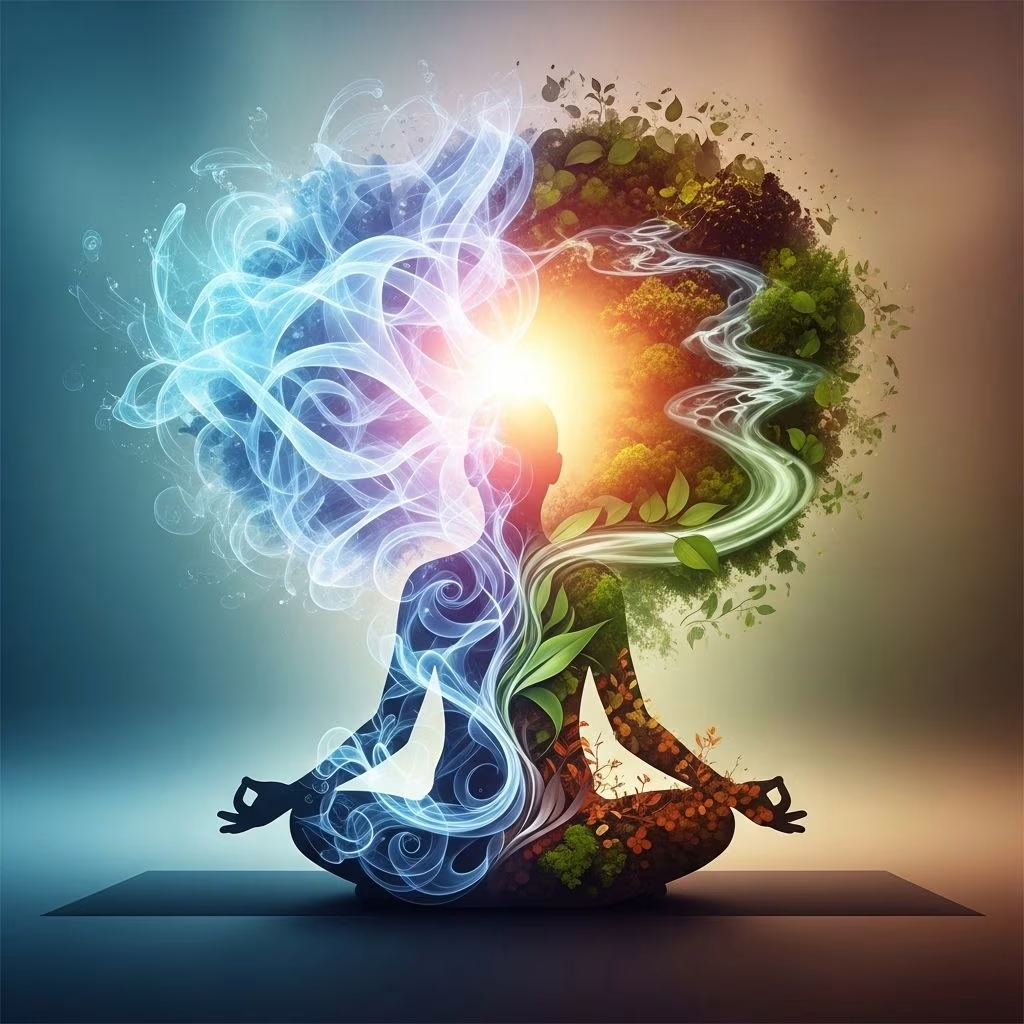
Taking an active role in your own healing journey can have profound effects on your overall well-being. Self-healing techniques empower individuals to foster resilience, address emotional wounds, and nurture both physical and mental health. This guide explores integrative approaches, evidence-based strategies, and answers to common questions about self-healing.
What Is Self-Healing?
Self-healing refers to intentional practices and internal resources that individuals use to restore emotional, mental, and physical balance. While self-healing does not replace professional medical or psychological care for serious or persistent issues, it can play a valuable role in managing everyday stress, fostering resilience, and encouraging personal growth.
The Science and Principles Behind Self-Healing
Research suggests that self-healing leverages the body’s natural ability to recover and adapt. Practices such as mindfulness, movement, and emotional processing have been shown to support physiological regulation, stress reduction, and improved mood. Self-healing works on the principle that mind, body, and spirit are interconnected; caring for one domain positively influences the others.
- Neuroplasticity: The brain’s ability to reorganize and form new connections in response to experience, including healing practices like meditation and cognitive restructuring.
- Homeostasis: The body’s tendency to self-regulate, maintain internal balance, and recover from stress.
- Resilience: Building adaptive coping strategies enhances the capacity to recover from challenges.
Benefits of Practicing Self-Healing Techniques
- Increases self-awareness and emotional intelligence
- Reduces the physiological impact of stress
- Supports healthy coping with trauma and grief
- Promotes mental clarity and focus
- Strengthens the sense of empowerment and control
- Enhances mood and overall well-being
Integrative Approaches to Self-Healing
An effective self-healing practice addresses physical, emotional, and spiritual needs. Integrative strategies draw from multiple disciplines and include:
1. Mindfulness and Meditation
- Mindfulness Meditation: Focuses on present-moment awareness and non-judgmental observation of thoughts and feelings, decreasing rumination and anxiety.
- Loving-Kindness Meditation (Metta): Cultivates compassion for oneself and others, reducing self-criticism and fostering forgiveness.
- Guided Visualization: Uses mental imagery to promote relaxation and healing.
- Gratitude Practice: Regular reflection on things you are grateful for amplifies positive emotions and resilience.
2. Movement and Somatic Practices
- Yoga: Combines movement, breathwork, and mindfulness for holistic well-being.
- Walking and Gentle Physical Activity: Engaging in mindful walking or stretching helps release built-up tension and regulate the nervous system.
- Progressive Muscle Relaxation: Tensing and then relaxing major muscle groups to reduce physical stress responses.
3. Emotional Regulation and Processing
- Breathwork: Techniques such as diaphragmatic breathing calm the stress response and help manage anxiety.
- Journaling: Writing about thoughts and feelings can promote clarity, emotional release, and insight.
- Self-Compassion Exercises: Treating oneself with kindness during times of difficulty or failure.
- Emotional Freedom Technique (EFT): Tapping on acupuncture points while voicing specific concerns, aimed at reducing distress.
4. Lifestyle and Self-Care Strategies
- Sleep Hygiene: Prioritizing regular sleep routines supports cognitive, physical, and emotional health.
- Nutrition: Consuming a balanced diet provides the foundation for healing; staying hydrated is also crucial.
- Digital Detox: Taking breaks from screens and social media fosters mental rest and clarity.
- Time in Nature: Natural environments enhance relaxation and reduce symptoms of stress.
5. Spiritual and Reflective Practices
- Prayer or Spiritual Reflection: Connecting with a higher sense of purpose or meaning.
- Solitude and Silence: Making time for personal reflection and stillness encourages self-discovery.
10 Practical Self-Healing Techniques to Try
- Mindful Breathing: Pause daily to take slow, deep breaths, focusing attention solely on your breath to center the mind.
- Body Scan Meditation: Tune in to sensations in each part of the body, from head to toe, noticing areas of tension and releasing them.
- Daily Journaling: Spend five minutes each day detailing your experiences, feelings, and things you’ve learned.
- Forest Bathing: Experience the healing effect of being immersed in a natural setting, with all senses engaged.
- Gratitude List: Write down three things you’re grateful for daily, cultivating a positive outlook.
- Self-Compassion Statements: Practice repeating affirming sentences, such as “May I be kind to myself in this moment.”
- Gentle Exercise: Engage in low-impact activities like yoga or tai chi to foster mind-body connection and return to balance.
- Creative Expression: Use art, music, or movement as an outlet for processing emotions.
- Reflective Reading: Read literature, poetry, or spiritual texts that inspire self-growth and resilience.
- Digital Boundaries: Set specific times to disconnect from devices to support rest and present-moment engagement.
Why Self-Healing Matters
Building a regular self-healing practice enables you to:
- Respond to life’s challenges with greater flexibility and calm
- Break the cycle of chronic stress and emotional pain
- Actively participate in your own wellness journey
- Develop deeper insight into your values, needs, and purpose
Self-healing is not a quick fix but a commitment to ongoing self-care and growth.
How to Create a Personalized Self-Healing Routine
Every individual’s self-healing journey is unique. To make lasting progress, tailor your routine to your lifestyle, values, and current needs:
- Start Small: Choose one or two techniques you feel drawn to and practice consistently.
- Notice What Works: Track your feelings or symptoms before and after trying a method.
- Be Patient: Personal change takes time; celebrate small milestones along the way.
- Adjust as Needed: If something isn’t helpful, switch to another approach without judgment.
| Technique | Main Benefit | How to Start |
|---|---|---|
| Mindfulness Meditation | Reduces stress, improves focus | Dedicate 5-10 minutes daily to notice breath and thoughts nonjudgmentally |
| Yoga | Enhances flexibility, mind-body connection | Follow beginner routines online or join a local class |
| Journaling | Clarifies emotions, encourages insight | Write honestly about daily experiences and feelings |
| Self-Compassion Practice | Builds resilience, reduces self-criticism | Use affirmations or guided meditations for self-kindness |
| Progressive Muscle Relaxation | Releases tension, calms nervous system | Systematically tense and relax each muscle group during a quiet moment |
Common Challenges to Self-Healing
- Self-Doubt: Uncertainty about whether self-healing can really help. Overcome by starting with small practices and noticing impact over time.
- Lack of Time: Even brief practices (like a two-minute breathing exercise) can be effective.
- Emotional Discomfort: Healing can bring up difficult emotions. Acknowledge these feelings and seek support when needed.
- Expecting Immediate Results: Self-healing is gradual, and sustained benefits grow with regular practice.
When to Seek Professional Help
While self-healing offers many benefits, it is important to recognize its limits. Consult a trained healthcare or mental health professional if you experience:
- Persistent feelings of depression or anxiety
- Difficulty functioning in daily life
- Thoughts of self-harm or suicide
- Unresolved trauma that feels overwhelming
- Physical symptoms that do not improve with self-care
Integrating self-healing techniques alongside therapeutic guidance can provide a comprehensive and supportive path to wellness.
Frequently Asked Questions (FAQs) About Self-Healing
Can self-healing techniques replace medical or psychological treatment?
No, self-healing is a complementary approach meant to support overall wellness. It is not a substitute for professional care for severe or persistent mental health or medical conditions.
How long does it take to notice benefits from self-healing practices?
The timeline varies by individual and practice. Some people may feel calmer or more centered after a single session, while lasting change often develops with consistent effort over weeks or months.
Do I need special equipment or training to start self-healing?
Most self-healing techniques require little to no equipment. Meditation, breathing exercises, and gratitude journaling can be practiced anywhere. However, some structured techniques (such as yoga or tai chi) may benefit from instruction, whether through online tutorials or classes.
Is it normal to feel uncomfortable or emotional during self-healing?
Yes, self-healing may surface challenging thoughts and feelings. This is a natural part of the healing process. Be gentle with yourself and seek support from friends, loved ones, or a professional if needed.
What if my healing journey feels overwhelming or slow?
Healing is not linear and can involve setbacks and progress. Honor your pace, focus on small steps, and remember that every effort contributes to your well-being.
Key Takeaways for Your Self-Healing Journey
- Self-healing is about actively caring for your mind, body, and spirit through accessible daily practices.
- Integrative techniques, such as mindfulness, movement, self-compassion, and creative expression, support comprehensive wellness.
- Consistency, patience, and reflection help you discover the most effective tools for your unique needs.
- Recognize when to seek professional help and use self-healing as a complement, not a replacement, for qualified care.
Empower yourself to take small, meaningful steps each day and shape a healing journey that honors your resilience, needs, and growth.
References
- https://scottjeffrey.com/self-healing-techniques/
- https://www.barnesandnoble.com/w/self-healing-techniques-lee-sarah/1143072765
- https://letsreachsuccess.com/self-healing/
- https://abbymedcalf.com/reclaiming-yourself-a-step-by-step-guide-to-self-healing-and-reparenting-yourself/
- https://www.discoverasr.com/en/destinations/indonesia/jakarta/how-to-self-healing


