


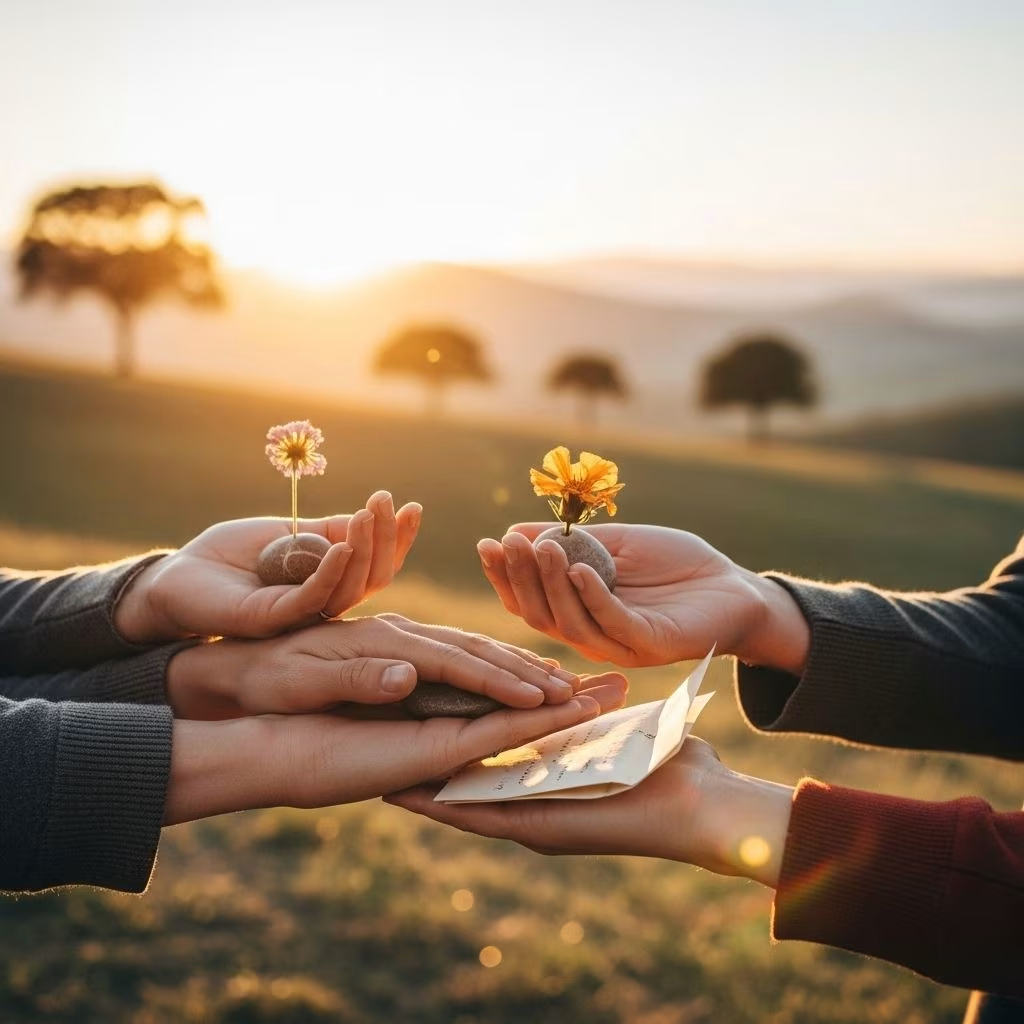
What Is Gratitude?
Gratitude is more than simply saying thanks—it’s a profound appreciation and recognition of the positive aspects of life, whether those are due to external sources such as other people, nature, or fate, or an internal awareness of good circumstances. Psychologists and positive psychology researchers define gratitude as a warm sense of thankfulness toward the world—or specific individuals—for the gifts, support, or kindness we receive. This feeling can be spontaneous, but increasingly, research shows gratitude can be cultivated deliberately as a practice.
The Science of Gratitude
Gratitude has been extensively studied in psychological research, revealing a range of benefits for mental and physical health. Studies demonstrate that grateful people enjoy higher levels of happiness and life satisfaction while reporting lower levels of depression, anxiety, and stress. These effects are observed not only as a result of personality traits but also as outcomes of regularly engaging in gratitude practices.
- Enhances overall well-being: Multiple studies suggest that expressing gratitude increases positive emotions, leading to greater well-being and satisfaction with life .
- Reduces negative emotions: Practicing gratitude curbs expressions of envy, resentment, and anger, helping shift focus away from negative emotions and reducing rumination—a key factor in depression .
- Implements physical health: Research links gratitude to better sleep, healthier immune function, and reduced pain .
- Strengthens relationships: Gratitude fosters social bonds by making others feel appreciated and valued, which in turn enhances relationship quality .
Gratitude and Your Brain
Neuroscientific studies have found that practicing gratitude stimulates specific brain regions such as the prefrontal cortex—the area responsible for decision-making, rational thought, and emotional regulation. Expressions of gratitude also activate the brain’s reward pathways and promote the release of neurotransmitters associated with bonding and pleasure. These brain changes help explain the connection between gratitude and improved mood, better decision-making, and greater resilience .
Examples of Gratitude
Gratitude can be expressed in various forms, from a heartfelt thank-you note to a simple moment of silent appreciation. Some common examples include:
- Thanking a friend or colleague for their support, kindness, or help.
- Reflecting on a positive experience at the end of each day and acknowledging the people or circumstances that made it possible.
- Appreciating nature’s beauty and feeling grateful for a sunny day, a fresh breeze, or a walk in the park.
- Expressing thanks for one’s own resilience or accomplishments.
- Gratitude for small pleasures—a delicious meal, a good book, a comforting routine.
Types of Gratitude
- Interpersonal Gratitude: Thanking others for actions, support, or encouragement.
- Existential Gratitude: Appreciation for life itself, nature, or the universe.
- Gratitude Toward Oneself: Recognizing and valuing one’s own efforts and achievements.
The Benefits of Practicing Gratitude
Building gratitude into your daily life can bring an array of benefits. Researchers have discovered that gratitude is linked to:
- Greater happiness: Those who practice gratitude report higher happiness and life satisfaction .
- Improved physical health: Grateful individuals tend to exercise more, eat healthier, and visit the doctor less often .
- Better sleep: Keeping a gratitude journal is linked to falling asleep more easily and enjoying longer, better-quality sleep .
- Stronger relationships: Expressed gratitude helps form new friendships, strengthens existing relationships, and makes social connections more positive .
- Increased resilience: Grateful people cope better with stress, trauma, and adversity. Gratitude can foster hope and optimism, even during challenging times .
- Reduced stress and depression: Daily gratitude practice is linked to lower levels of stress hormones such as cortisol, as well as decreased symptoms of depression and anxiety .
Physical and Emotional Benefits Table
| Benefit | Physical Health | Mental & Emotional Health |
|---|---|---|
| Improved Sleep | Better and longer rest | Reduced stress before bed |
| Immune System | Enhanced immune response | Lowered inflammation |
| Reduced Pain | Less physical discomfort | Greater pain tolerance |
| Happiness | More physical activity | Increased life satisfaction |
| Social Bonds | Healthier relationships | Stronger social connections |
Ways to Practice Gratitude
Gratitude is a skill that grows stronger with intentional practice. Even setting aside a few minutes each day can foster a lasting grateful mindset. Here are several evidence-based strategies:
- Keep a gratitude journal: Write down two to five things you’re grateful for each day, no matter how small. Focusing on specific events or people increases the practice’s effectiveness .
- Express appreciation to others: Tell friends, family, or colleagues how much you value them or acknowledge their kindness.
- Write gratitude letters: Compose a letter to someone you appreciate, even if you don’t send it. The process benefits both the writer and, if shared, the recipient .
- Mental thank-you notes: If you’re short on time, simply pause and think about someone or something you’re grateful for.
- Mindfulness meditation: Focus on the present moment and bring to mind aspects of your life for which you feel thankful.
- Acts of kindness: Doing something nice for others can increase your own gratitude. Volunteering, helping a neighbor, or giving compliments boosts feelings of connection and appreciation .
- Engage with nature: Spend time outdoors and actively notice elements that inspire gratitude, such as trees, sky, or birdsong .
Tips for Building a Gratitude Habit
- Start small: Aim for one moment of gratitude each day.
- Be consistent: Try to write, reflect, or express gratitude at the same time each day—perhaps in the morning or before bed.
- Focus on the details: Be specific about what you’re grateful for and why.
- Don’t force it: Gratitude should feel authentic; reflecting on small, everyday positives can be powerful.
- Share with others: Involving friends or family in gratitude practices can amplify the benefits.
Challenges and Limitations of Gratitude
While gratitude brings many advantages, it doesn’t automatically erase life’s difficulties or negative emotions. In some circumstances—such as when dealing with trauma, grief, or chronic mental health issues—it may be challenging to feel authentically grateful. Here are some important considerations:
- Balance authenticity and positivity: Gratitude should not be used to ignore or suppress difficult emotions, but rather to add perspective when you’re ready.
- Cultural and individual differences: Not everyone experiences or expresses gratitude in the same way. Cultural, familial, and personal backgrounds can shape how gratitude is perceived and practiced.
- Misconceptions: Gratitude is not about minimizing suffering or pretending to be happy—it’s about finding appreciation even amidst hardship where possible.
Experts emphasize that practice makes gratitude easier, and persistence is key. Over time, consciously focusing on gratitude can rewire patterns of thought, making positivity and appreciation more habitual .
How to Start a Gratitude Practice
Starting a gratitude habit doesn’t need to be complicated. Consistency is more valuable than extensive effort, and even brief, daily moments of gratitude can build lasting change.
- Decide on a daily time—morning, during lunch, or before bed—to reflect on a few things you’re grateful for.
- Record your thoughts in a notebook, a gratitude journal, or a digital note.
- If you prefer, simply focus your thoughts on gratitude during your commute, a shower, or a short walk.
- Make it social by sharing gratitude with your partner, family, or a close friend each day.
Gradually, this small practice can transform how you perceive and experience life—helping you handle stress, build stronger connections, and foster a sense of meaning and optimism.
Frequently Asked Questions (FAQs)
Q: Can gratitude help with anxiety or depression?
A: Yes. Numerous studies show that gratitude practices help reduce the symptoms of both anxiety and depression by shifting attention away from negative emotions and promoting positive thought patterns .
Q: Is gratitude something you’re born with, or can it be learned?
A: While some individuals may be naturally more prone to gratitude, research shows that anyone can strengthen their sense of gratitude through consistent practice and intention.
Q: What should I do if I find it hard to feel grateful?
A: Start with small, specific things. Gratitude may feel unnatural during tough times, but recognizing even mundane positives—a warm beverage, a kind gesture, fresh air—can trigger authentic feelings over time. Be patient and allow yourself to feel all emotions without pressure.
Q: How long does it take to see the benefits of a gratitude practice?
A: Some people notice benefits within a few days, but most research suggests that regular gratitude practice (several times a week) for at least three weeks can yield significant improvements in mood and well-being.
Summary
Gratitude is a powerful tool for enhancing mental, emotional, and physical health. By intentionally recognizing and appreciating the positives in daily life, individuals can experience lasting benefits—including greater happiness, resilience, and improved relationships. Cultivating gratitude is a practice anyone can begin, regardless of life circumstances or personality. Start with small reflections, express thanks when possible, and with time, gratitude can become a transformative habit.
References
- https://www.utmb.edu/pedi/categories-tags/2023/12/01/toxic-stress-and-the-long-term-effects
- https://www.youtube.com/watch?v=LG0COiQBjXA
- https://genesight.com/blog/the-impact-of-gratitude-on-depression-and-anxiety/
- https://langlade.crediblemind.com/podcasts/20-friday-fix-how-to-use-gratitude-to-build-mental-strength-fast


