


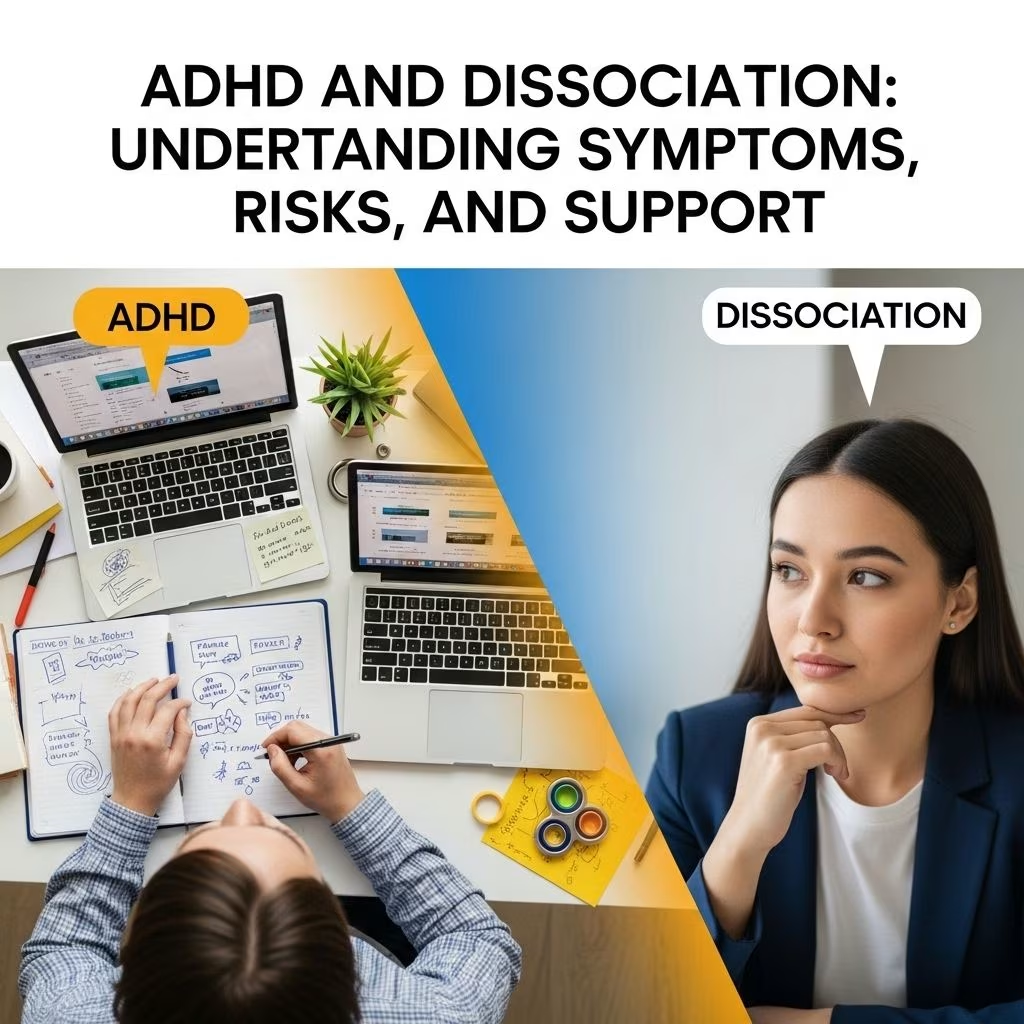
ADHD Symptom Spotlight: Dissociation
While Attention-Deficit/Hyperactivity Disorder (ADHD) is often associated with inattentiveness, hyperactivity, and impulsivity, less commonly discussed is its connection to dissociation. This phenomenon can significantly impact day-to-day functioning, mental health, and sense of self, especially in individuals with ADHD who have experienced trauma or chronic stress.
What Is Dissociation?
Dissociation refers to a disconnection or separation from aspects of reality, identity, thoughts, memories, or the environment. It can present as a brief lapse in attention or, in more severe cases, involve significant gaps in awareness, memory, emotional numbness, or a detachment from one’s own body or identity.
- Mild dissociation: Daydreaming, zoning out, intense absorption in books or films.
- Severe dissociation: Emotional numbness, out-of-body experiences, gaps in memory, altered sense of self.
According to the American Psychiatric Association (APA), mild dissociation is common, but severe forms often relate to trauma and may be diagnosed as dissociative disorders.
The Link Between ADHD and Dissociation
Research suggests individuals with ADHD are at higher risk for dissociation, especially if they have experienced childhood trauma or notable stressors.
- Developmental issues: People with ADHD often have different responses to stressful life events, which may lead to dissociation.
- Overlap of symptoms: Both ADHD and dissociation can feature memory problems and emotional dysregulation.
- Trauma: Studies indicate a higher likelihood of children with ADHD encountering traumatic events, which in turn increases chances of dissociation in adulthood.
How Dissociation Manifests in ADHD
- Emotional numbing: Absence of emotional response to upsetting or traumatic events.
- Out-of-body experiences: Feeling detached or viewing oneself as if in a movie.
- Sudden, unexplainable emotions: Strong emotions that seem disconnected from current circumstances.
- Compelled actions: Engaging in abnormal behavior with little sense of control.
- Memory gaps: Inability to recall periods, events, or people.
- Loss of sense of self: Feeling unfamiliar or disconnected from personal identity.
These symptoms can occur sporadically or persistently, depending on the severity and underlying cause.
Symptoms and Signs of Dissociation in ADHD
| Symptom | Explanation |
|---|---|
| Emotional Numbness | Little to no emotional response about distressing events. |
| Depersonalization | Feeling like a stranger to oneself or detached from own body. |
| Derealization | Sensing the world as dreamlike or unreal. |
| Memory Problems | Significant gaps in recollection related to time, people, or events. |
| Out-of-Body Experiences | Feeling as though watching oneself perform actions from a distance. |
| Anxiety and Depression | Frequent co-occurring mood disorders and suicidal thoughts. |
| Lack of Self-Identity | Feeling unfamiliar or confused about personal identity. |
ADHD Subtypes and Dissociation
- Predominantly inattentive: Trouble focusing, frequent zoning out, increased risk for dissociative symptoms.
- Predominantly hyperactive-impulsive: Restlessness and impulsivity may mask or compound emotional disconnect.
- Combined presentation: Both sets of symptoms appearing together can intensify overall distress and dissociative episodes.
Causes and Risk Factors
The connection between ADHD and dissociation is multifactorial, involving neurological, psychological, and environmental elements.
- Neurological factors: Brain networks affected by ADHD may predispose individuals to become disconnected from the present moment, contributing to episodes of dissociation.
- Childhood trauma and PTSD: Dissociation is commonly linked to early trauma; people with ADHD often report higher rates of such experiences.
- Environment and lifestyle: Stressful, disrupted routines or chaotic environments may heighten dissociative episodes.
Developmental Factors
Early exposure to trauma and adverse childhood experiences can shape how individuals respond to stress, further entrenching dissociative tendencies.
Diagnosis and When to Seek Help
Mild, occasional dissociation—such as daydreaming or zoning out—is normal. Persistent, severe, or distressing symptoms may warrant evaluation by a healthcare professional.
- Assessment: Doctors or mental health specialists will review symptoms and personal history, often using criteria from the Diagnostic and Statistical Manual of Mental Disorders (DSM-5-TR) to guide diagnosis.
- Ruling out other conditions: Professionals may test for anxiety, depression, trauma-related disorders, or medical conditions that could cause similar symptoms.
Treatment and Support Strategies
There is no single medication to treat dissociation directly; however, a combination of therapies and targeted medication for co-occurring conditions can be effective.
Psychotherapy
- Cognitive Behavioral Therapy (CBT): Helps identify and change negative patterns of thinking and behavior.
- Dialectical Behavioral Therapy (DBT): Teaches skills for emotional regulation and coping with distress.
- Phasic Trauma Treatment: Focuses on stopping self-destructive behavior, processing traumatic memories, and reintegrating identities if needed.
- Hypnotherapy: Utilized by trained professionals to access and process memories or identities in a safe, relaxed state.
- Family Therapy: Engages loved ones for support and improved relational dynamics.
- Eye Movement Desensitization and Reprocessing (EMDR): Uses bilateral stimulation to help resolve symptoms related to trauma/PTSD, including dissociation.
Treatment goals often revolve around regaining control, managing symptoms, and integrating multiple identity states if present.
Medication
- Antidepressants and mood stabilizers: Address coexisting depression, anxiety, or mood disturbances.
- Medications for ADHD symptoms: Can help reduce impulsivity or inattention that exacerbate dissociation.
- Sleep aids or antipsychotics: Used when symptoms are severe or due to other mental health disorders.
Lifestyle Modifications and Self-Management
- Structured routines: Keeping a predictable schedule can reduce triggers for dissociation.
- Mindfulness and grounding techniques: Practices such as meditation, breathing exercises, or physical sensations can anchor awareness in the present moment.
- Support systems: Connecting with family, friends, or mental health communities for encouragement and validation.
- Stress reduction: Identifying and minimizing environmental or emotional stressors to lower risk of dissociative episodes.
Early intervention and ongoing support can make a substantial difference in managing symptoms and improving quality of life.
ADHD and Dissociative Identity Disorder (DID)
In rarer cases, individuals with ADHD who have experienced significant trauma may develop Dissociative Identity Disorder (DID), previously known as multiple personality disorder.
- DID symptoms: Presence of two or more distinct identities, memory gaps, shifts in behavior and temperament.
- Origins: Typically arises from severe or repeated trauma during childhood.
- Treatment: Long-term psychotherapy aimed at integration or collaboration among identities, with periodic hospitalization if needed for safety.
DID is diagnosed only after thorough evaluation; many people with ADHD and dissociative symptoms do not experience full DID.
Living With ADHD and Dissociation: Practical Tips
- Monitor symptoms and track triggers using a journal or app.
- Communicate clearly with healthcare providers about all changes in mood, memory, or identity.
- Practice grounding exercises: e.g., focus on physical sensations, name five objects you see, use tactile items like textured fabrics.
- Educate close friends and family about ADHD and dissociation to build empathy and support.
Empowerment through education, understanding, and tailored support is central to living well with ADHD and dissociation.
Frequently Asked Questions (FAQ)
Can people with ADHD experience dissociation without trauma?
Yes. Dissociative symptoms can occur due to neurological factors or chronic stress associated with ADHD, even in the absence of trauma. However, trauma often increases the risk and severity.
What is the difference between zoning out and true dissociation?
Zoning out typically refers to a brief lapse in attention or daydreaming, which is normal and harmless. True dissociation involves deeper or longer-lasting detachment from reality, self, or memory, often causing distress or impairment.
Are dissociative episodes treatable?
With appropriate therapeutic interventions—including psychotherapy, medication for co-occurring conditions, and lifestyle support—most individuals can manage or significantly reduce dissociative episodes.
When should someone seek professional help for dissociation?
If symptoms cause distress, disruption to daily life, or involve memory gaps, identity confusion, or emotional numbness, seeking help from a doctor or mental health professional is recommended.
Does ADHD medication help with dissociation?
ADHD medication primarily addresses attention, impulsivity, and hyperactivity but may indirectly help reduce dissociative episodes by improving overall cognitive control and reducing stress.
Summary Table: ADHD and Dissociation
| Aspect | Details |
|---|---|
| Core Link | Overlapping symptoms related to attention, memory, emotional regulation. |
| Key Risk Factors | Childhood trauma, chronic stress, neural network differences. |
| Common Symptoms | Emotional numbness, memory gaps, loss of self-identity, depersonalization. |
| Diagnosis | Clinical evaluation, DSM-5-TR criteria, exclusion of other disorders. |
| Treatment | Psychotherapy, targeted medication for co-occurring conditions, lifestyle interventions. |
| Prognosis | Improvement is possible with appropriate support and intervention. |
Additional Resources
- For ongoing symptoms, reach out to a mental health specialist for personalized care.
- Support groups and therapy apps may assist with symptom tracking and emotional regulation.
- Educational materials: Seek reputable sources on ADHD, trauma, and dissociative disorders for further learning.
References
- https://www.medicalnewstoday.com/articles/adhd-dissociation
- https://www.webmd.com/mental-health/dissociation-overview
- https://psychcentral.com/disorders/adhd-dissociation
- https://www.betterhelp.com/advice/adhd/understanding-adhd-dissociation-symptoms-causes-and-coping-strategies/
- https://www.brightpoint-md.com/health-conditions/understanding-adhd-and-dissociation-symptoms-causes-and-coping-strategies-from-an-adhd-psychiatrist/
- https://my.clevelandclinic.org/health/diseases/9792-dissociative-identity-disorder-multiple-personality-disorder
- https://www.nhs.uk/mental-health/conditions/dissociative-disorders/
- https://www.psychiatry.org/patients-families/dissociative-disorders/what-are-dissociative-disorders


