


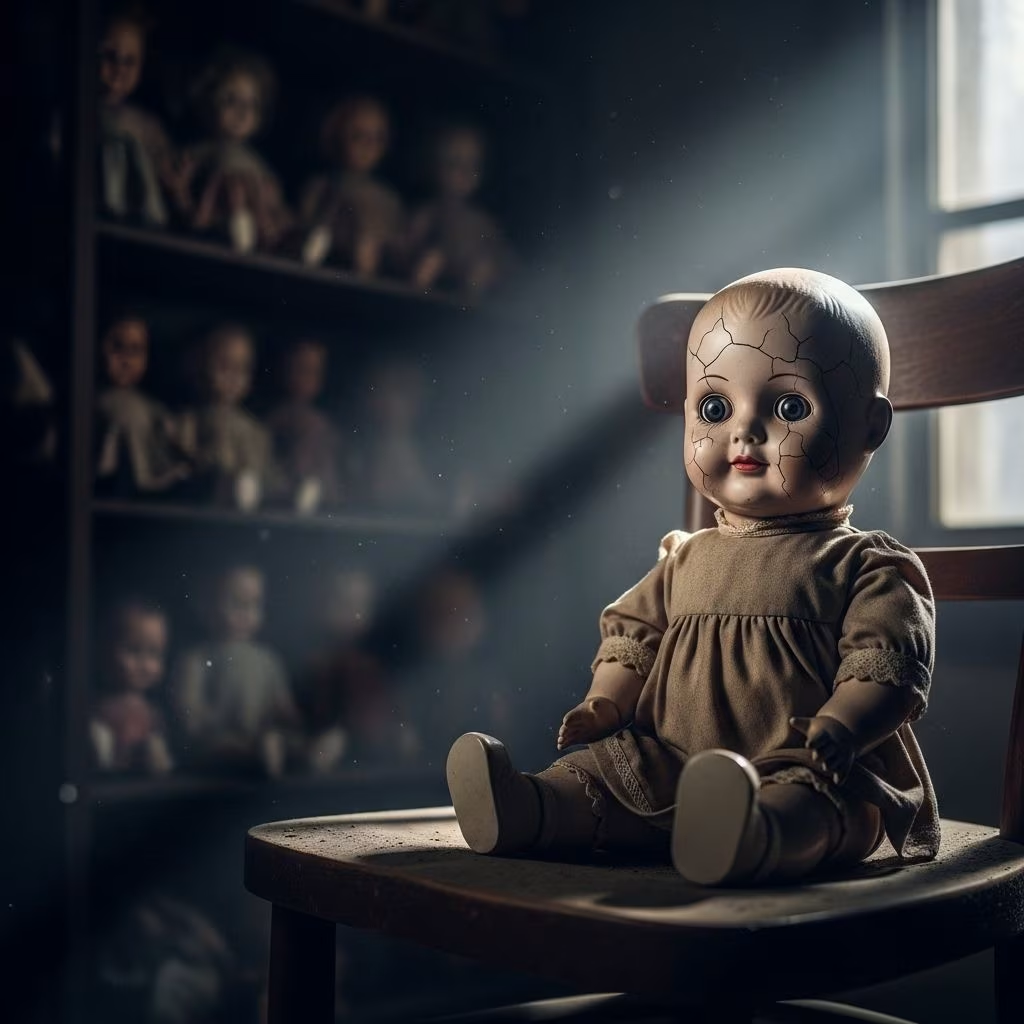
Dolls are often associated with childhood innocence and play, but for some, their presence triggers intense fear and distress. This condition, known as pediophobia, represents a specific and persistent phobia that can severely impact daily life. This article delves into the complexities of pediophobia, examining its definition, psychological roots, symptoms, causes, and the evidence-based treatments that can help sufferers reclaim their sense of control.
What Is Pediophobia?
Pediophobia is a type of specific phobia—a subtype of anxiety disorder—characterized by an irrational and persistent fear of dolls, mannequins, or other humanoid figures. Sufferers experience distress disproportionate to any actual danger posed by these objects. While most people may find certain dolls unsettling, those with pediophobia may avoid entire environments, such as toy stores, museums, or homes with decorative dolls, and even reorganize their lives to minimize potential encounters with dolls.
The intensity of the reaction can range from mild discomfort to severe panic, and individuals are often aware that their fear is irrational, yet feel powerless to control it.
- Pediophobia differs from a simple dislike of dolls due to its irrational, overwhelming, and persistent nature.
- It can extend to mannequins, humanoid robots, or any doll-like figure.
The Psychology Behind Dolls and Their Dual Nature
Dolls play a complex role in human development and psychology. Traditionally, they assist children in cultivating social skills, empathy, and creativity by representing friends and family members during play. Psychologically, dolls can evoke attachment and comfort in children and serve as a medium for processing difficult emotions and life events. However, their lifelike appearance also makes them potential sources of discomfort or fear, particularly for those with pediophobia.
Why Dolls May Feel Unsettling
- Dolls can reside in the psychological “uncanny valley,” appearing almost—but not quite—human.
- Unpredictable cultural associations, such as horror films and urban legends, can link dolls with supernatural danger or evil.
- The split-second mental processing between identifying a doll’s human-like features and realizing its artificiality can trigger an almost unconscious sense of anxiety or dread.
This paradox—where an object designed for comfort instead induces anxiety—lies at the root of the dual psychological nature of dolls. For individuals prone to anxiety disorders or with sensitive past experiences involving dolls, this discomfort can escalate into true phobia.
Symptoms of Pediophobia
Pediophobia affects both the mind and body. Symptoms may emerge upon seeing, thinking about, or even anticipating dolls. These reactions vary in intensity depending on the individual’s level of fear and exposure.
Physical Symptoms
- Rapid heartbeat or palpitations
- Sweating excessively
- Shortness of breath
- Trembling or shaking
- Chest pain or tightness
- Nausea or dizziness
- Feeling lightheaded or faint
- Panic attacks
- Distress or urge to flee
Emotional and Psychological Symptoms
- Intense fear or panic at the sight or thought of dolls
- Avoidance of places where dolls may be present
- Feeling overwhelmed, anxious, or out of control
- Nightmares or intrusive thoughts about dolls
- Difficulty rationalizing or explaining the fear
- Distress so severe it disrupts social activities and daily functioning
Children might cry, cling to caregivers, or throw tantrums when exposed to dolls, while adults may experience paralyzing anxiety or feel compelled to reorganize routines to avoid exposure.
Common Triggers of Pediophobia
Triggers for pediophobia vary, but several key factors predispose individuals to develop an intense fear of dolls:
- Disturbing childhood experiences: Negative or traumatic encounters involving dolls, such as being frightened by a lifelike doll or seeing a disturbing portrayal in media.
- The uncanny valley effect: Dolls that look almost human—but not quite—can evoke deep-seated unease or revulsion, destabilizing our ability to categorize them as either alive or inanimate.
- Media influences: Horror movies and urban legends commonly depict dolls as possessed or malevolent, perpetuating the association between dolls and supernatural danger.
- Anxiety about inanimate objects coming to life: Those with certain anxiety disorders may feel threatened by the idea of artificial objects acting autonomously.
- Cultural and social learning: Stories, pranks (like the “doll in the hall”), and repeated exposure to scary doll tropes can condition fear responses over time.
The Uncanny Valley: Why Dolls Can Seem So Creepy
The concept of the uncanny valley plays a crucial role in understanding pediophobia. First described in robotics and psychological research, the uncanny valley refers to the phenomenon whereby objects that closely resemble humans—but are not entirely lifelike—trigger discomfort, fear, or even revulsion in observers. This effect applies acutely to dolls, mannequins, and humanoid robots.
| Item | Perceived Realism | Common Emotional Reaction |
|---|---|---|
| Cute cartoon doll | Clearly artificial | Neutral or positive |
| Robotic toy with human-like eyes | Somewhat lifelike | Slight unease |
| Porcelain doll with glass eyes | Almost human-looking | Uncanny valley—unease or fear |
| Human actor | Fully lifelike | Comfortable |
Brain imaging studies confirm that recognizing nearly human but imperfect faces activates neural patterns distinct from those engaged by real human faces, supporting the neurological basis of the uncanny valley.
Diagnostic Criteria: Identifying Pediophobia
Pediophobia is clinically diagnosed as a specific phobia disorder by trained mental health professionals. A thorough assessment includes identifying triggers, evaluating the severity of symptoms, and determining the impact on daily life.
Diagnostic Criteria
- The fear of dolls is clearly out of proportion to any actual threat.
- Exposure consistently causes intense anxiety, distress, or panic attacks.
- The fear has persisted for at least six months.
- This fear and its effects cause significant impairment in daily functioning.
- Individuals might actively avoid situations or places where dolls could appear.
The assessment may include structured questionnaires, interviews, and self-report scales. Accurate diagnosis is crucial to distinguish pediophobia from general discomfort or cultural dislike of dolls.
Impact of Living With Pediophobia
Left untreated, pediophobia can lead to profound disruptions in daily life, including:
- Avoiding social locations, such as friends’ homes, stores, parties, or public events featuring dolls.
- Heightened anxiety and physiologic stress reactions.
- Isolation from social activities, exacerbating loneliness or depression.
- Comorbid with other anxiety or mood disorders, such as agoraphobia or depression.
- Reduced quality of life and physical health issues stemming from chronic anxiety.
What Causes Pediophobia?
The origins of pediophobia are multi-faceted and can be understood through several lenses:
- Traumatic events: Distressing childhood incidents or negative associations with dolls can imprint lasting fear responses.
- Observational learning: Witnessing a family member, friend, or media character express fear of dolls can reinforce and normalize this fear, especially in younger children.
- Evolutionary and cognitive theories: The uncanny valley may be evolutionarily ingrained, as humans are primed to identify and avoid entities that don’t fit familiar patterns.
- Cultural storytelling and horror narratives: Media portrayals of dolls as evil or possessed can condition anxiety and anticipation of danger.
- Personality and genetic predisposition: Individuals with heightened anxiety sensitivity, neuroticism, or genetic risk populations may be more vulnerable to developing specific phobias like pediophobia.
Treatment Options for Pediophobia
Pediophobia is highly treatable, and sufferers are encouraged to seek professional support if fear interferes with daily life. Effective interventions include:
1. Cognitive-Behavioral Therapy (CBT)
CBT is the primary, evidence-backed approach for specific phobias. Therapy focuses on challenging irrational thoughts, gradually exposing the individual to feared objects (in this case, dolls), and helping develop effective coping strategies.
- Exposure therapy—a subset of CBT—systematically and safely introduces feared stimuli, helping to desensitize the individual over time.
- Cognitive reframing techniques allow sufferers to challenge catastrophic thinking patterns and replace them with balanced, evidence-based beliefs.
2. Relaxation and Stress Management Techniques
- Controlled breathing, progressive muscle relaxation, and mindfulness can help regulate physiological arousal during fear responses.
3. Medication
- In moderate-to-severe cases, selective serotonin reuptake inhibitors (SSRIs) or short-term use of anti-anxiety medications may be prescribed to manage symptoms, though these are generally supplements to therapy, not replacements.
4. Support Groups and Psychoeducation
- Group therapy and psychoeducation help normalize experiences, reduce stigma, and offer social support.
5. Professional Consultation
- Consultation with a mental health professional (psychologist, psychiatrist, or licensed clinician) helps ensure accurate diagnosis and a tailored treatment plan.
How to Support Someone With Pediophobia
- Respect the individual’s feelings and avoid dismissing their fear as trivial.
- Help create safe environments and avoid surprising them with dolls or similar triggers.
- Encourage professional help, if avoidance is impacting their quality of life.
Frequently Asked Questions (FAQs)
What is pediophobia?
Pediophobia is an intense, irrational fear of dolls and doll-like figures, classified as a specific phobia and anxiety disorder.
What are common symptoms of pediophobia?
Symptoms include rapid heartbeat, sweating, shortness of breath, panic attacks, avoidance behavior, overwhelming anxiety, and difficulty functioning when exposed to dolls.
Why do dolls trigger such fear in some people?
Dolls can evoke the uncanny valley effect, where their near-human appearance creates unease, and they are often associated with cultural stories or traumatic experiences.
Can pediophobia be treated?
Yes, pediophobia is highly treatable, with cognitive-behavioral therapy (CBT), exposure therapy, medication (when necessary), and relaxation strategies yielding positive results for most sufferers.
Does watching scary movies about dolls cause pediophobia?
While not the sole cause, exposure to scary movies, stories, or urban legends about dolls can reinforce or trigger fear, especially in people predisposed to anxiety disorders.
How is pediophobia diagnosed?
Diagnosis is made by a mental health professional, following an assessment of symptom severity, triggers, and the impact on daily activities. The phobia must persist for six months or more and significantly disrupt functioning.
What is the difference between pediophobia and pedophobia?
Pediophobia is the fear of dolls. Pedophobia, which is entirely separate, refers to the fear of children and infants.
Summary
For individuals with pediophobia, dolls represent far more than innocuous toys, serving instead as powerful triggers for anxiety and avoidance. Recognition that this fear is both real and treatable is crucial. Through therapy, education, and support, those affected can address their symptoms and restore a sense of safety and normalcy.
References
- https://www.choosingtherapy.com/pediophobia/
- https://uncovercounseling.com/blog/pediophobia-understanding-the-fear-of-dolls-and-how-to-overcome-it/
- https://www.healthline.com/health/mental-health/pediophobia
- https://news.northeastern.edu/2025/10/07/why-are-dolls-creepy/
- https://my.clevelandclinic.org/health/diseases/22538-pedophobia-fear-of-children


