


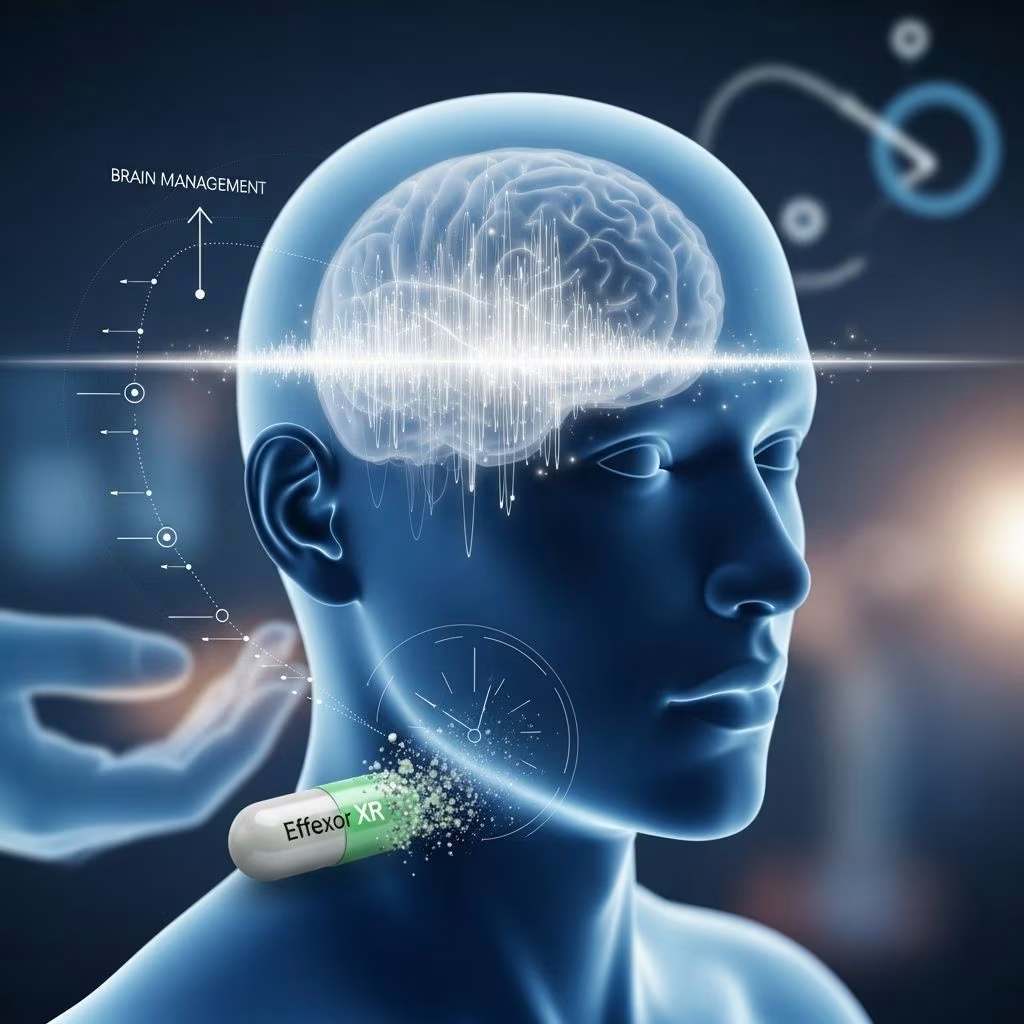
Brain Shivers and Effexor Withdrawal
Effexor (venlafaxine) is a widely prescribed antidepressant that belongs to the class of serotonin-norepinephrine reuptake inhibitors (SNRIs). While it can be highly effective in managing depression and anxiety disorders, discontinuing Effexor often leads to a cluster of withdrawal symptoms known as antidepressant discontinuation syndrome. Among these, brain shivers—also described as brain zaps or electrical sensations in the head—are particularly distressing for many individuals.
What Are Brain Shivers?
Brain shivers refer to sudden, brief sensations often described as electric shock-like feelings inside the head. Those withdrawing from Effexor commonly report these sensations, which may be triggered or worsened by rapid head movement, blinking, or changes in position. Brain shivers are not dangerous but can be alarming and uncomfortable, sometimes accompanied by other neurological symptoms.
- Sensations: Electrical bolts, zaps, buzzing, or static shock inside the head
- Duration: Lasts just a few seconds but can recur frequently
- Triggers: Head movement, sudden changes in posture, blinking
- Associated symptoms: Dizziness, confusion, headache, tinnitus
What Causes Brain Shivers During Effexor Withdrawal?
Effexor increases the levels of serotonin and norepinephrine in the brain. When the medication is suddenly reduced or stopped, the abrupt neurochemical shift can produce a range of withdrawal symptoms, brain shivers being one of the most distinctive. The precise neurological mechanism of brain shivers is not fully understood but is thought to result from rapid changes in synaptic neurotransmitter levels, especially serotonin.
- Serotonin Disruption: Sudden withdrawal disrupts serotonin transmission in nerve pathways, contributing to abnormal sensory perceptions
- Adaptation: Brain and nervous system adjust slowly to new baseline neurotransmitter levels, resulting in temporary symptoms
- Medication Half-life: Effexor’s short half-life (about 5 hours) means withdrawal effects can arise quickly after a missed dose
Other Common Effexor Withdrawal Symptoms
While brain shivers are distinctive, Effexor withdrawal is often accompanied by a broader range of symptoms that can vary in intensity and duration:
- Dizziness and lightheadedness
- Nausea and gastrointestinal upset
- Fatigue
- Headaches
- Flu-like symptoms (chills, muscle aches)
- Irritability and mood swings
- Anxiety and depressive symptoms
- Insomnia or sleep disturbances
- Visual disturbances
The severity of withdrawal symptoms is influenced by the dose, duration of use, individual physiology, and the tapering method employed.
Effexor Withdrawal Timeline: What to Expect
There is no precise withdrawal timeline, as it depends on individual factors such as dosage, duration of medication use, and personal sensitivity. Still, the typical Effexor withdrawal process tends to follow general phases:
| Phase | Duration | Typical Symptoms |
|---|---|---|
| Initial Phase | 1–2 days | Dizziness, headaches, fatigue |
| Peak Phase | 3–7 days | Brain shivers, mood swings, anxiety, nausea |
| Post-Peak | 1–2 weeks | Sleep disturbance, irritability, depression |
| Recovery Phase | 3–4 weeks or longer | Mood stabilization, gradual symptom resolution |
Most physical symptoms begin to resolve within the first few weeks, but psychological effects such as mood swings, anxiety, or depression may persist longer in some individuals.
Tapering Off Effexor: Reducing Withdrawal Risks
Experts unanimously recommend against abrupt cessation of Effexor, as this greatly increases the risk and severity of discontinuation syndrome. Instead, a supervised, gradual taper is key to minimizing symptoms.
- Medical supervision: Consult your doctor to develop an individualized tapering schedule
- Gradual dose reduction: Typically, the dose is decreased incrementally over weeks or months
- Monitor symptoms: Report significant withdrawal symptoms to your healthcare provider; adjustments may be necessary
- Supplemental medications: Some providers might use bridging medications (like fluoxetine) to ease severe symptoms
Never attempt to stop or reduce your Effexor dose without prior medical advice, as withdrawal can be unpredictable and, in some cases, debilitating.
How to Manage Effexor Withdrawal Symptoms
A combination of medical, lifestyle, and self-care approaches can help ease the discomfort of withdrawal.
- Stay well-hydrated: Drinking water alleviates dizziness, headaches, and fatigue
- Nutritious diet: Eating balanced meals supports stable energy and mood
- Gentle exercise: Walking, yoga, or stretching boosts endorphins and relieves stress
- Relaxation techniques: Meditation, deep breathing, and mindfulness can mitigate anxiety and improve sleep
- Rest and sleep: Taking time off work and obligations allows your body to heal
- Support: Lean on friends, family, or professional therapists—cognitive behavioral therapy (CBT) may be very beneficial
- Over-the-counter pain relief: If approved by your physician, non-prescription painkillers can help with headaches and muscle soreness
If symptoms are severe or prolonged, especially psychological effects, professional help may be required to ensure safety and recovery.
Long-Term Effects After Effexor Withdrawal
Most withdrawal symptoms subside within several weeks, but a minority of users report longer-term effects—known as post-acute withdrawal syndrome (PAWS). Symptoms may include mood instability, anxiety, and sleep challenges. These issues may persist for months and require medical or therapeutic intervention for management.
- Persistent mood swings
- Chronic anxiety or irritability
- Insomnia
- Cognitive effects (brain fog, memory issues)
If symptoms disrupt daily life, ongoing follow-up with mental health professionals is essential for a full recovery.
Why Are Effexor Withdrawal Symptoms So Intense?
Effexor is notable for its short half-life and strong effect on serotonin and norepinephrine, making withdrawal symptoms more acute compared to many other antidepressants. The risk of severe discontinuation syndrome is higher when Effexor is stopped suddenly, as the body does not have time to rebalance neurochemical pathways.
| Antidepressant | Typical Discontinuation Severity | Half-Life |
|---|---|---|
| Effexor (venlafaxine) | High | Short (5 hours) |
| Paroxetine (Paxil) | Moderate | Short (21 hours) |
| Fluoxetine (Prozac) | Lower | Long (4–6 days) |
| Sertraline (Zoloft) | Moderate | Moderate (~26 hours) |
This rapid drop in available serotonin and norepinephrine amplifies symptoms like brain shivers, vertigo, and emotional instability.
Practical Tips for a Smoother Effexor Withdrawal
- Consult a psychiatrist: Get expert advice before and during the taper
- Keep a symptom journal: Track changes, triggers, and severity to inform your doctor
- Educate your support network: Ensure friends and family understand the withdrawal process
- Prepare for setbacks: Accept that symptoms may wax and wane; patience is key
- Explore therapy: CBT and mindfulness approaches may help with lingering psychological effects
- Emergency plan: Have contacts and resources ready if symptoms become overwhelming
When to Seek Help During Effexor Withdrawal
While most withdrawal symptoms are temporary, some may be severe enough to endanger well-being or daily function. Seek medical attention if experiencing any of the following:
- Suicidal thoughts or severe depression
- Hallucinations or paranoia
- Panic attacks or inability to function
- Severe confusion or disorientation
- Persistent symptoms beyond 4–6 weeks
Prompt intervention by mental health professionals can prevent escalation and facilitate recovery.
Frequently Asked Questions (FAQs) About Effexor Withdrawal
Q: What are the most common symptoms experienced during Effexor withdrawal?
A: The most common symptoms include dizziness, brain zaps, fatigue, headaches, nausea, mood swings, and flu-like symptoms.
Q: How long does Effexor withdrawal typically last?
A: The duration varies between individuals but usually lasts from a few days to 2–4 weeks. Longer-term psychological effects may persist for several months.
Q: Why do brain shivers (brain zaps) happen during withdrawal?
A: Brain shivers are likely caused by abrupt changes in serotonin levels following discontinuation of Effexor. The nervous system takes time to readjust to new chemical balances.
Q: What strategies are best for tapering off Effexor safely?
A: Slow dose reduction under medical supervision, symptom monitoring, possible bridging with other medications, and lifestyle support are essential.
Q: Are there home remedies to help with withdrawal symptoms?
A: Home-based strategies include hydration, nutrition, light exercise, relaxation techniques (like yoga or meditation), and use of pain relievers for headachesConsult your healthcare provider before using any medication.
Q: Can withdrawal from Effexor be dangerous?
A: While most cases are not life-threatening, severe psychiatric symptoms or suicidal thinking require prompt medical intervention. Never stop Effexor without professional guidance.
Conclusion: Navigating Effexor Withdrawal and Brain Shivers
Effexor withdrawal, especially when accompanied by brain shivers, can be a physically and emotionally taxing process. Understanding the underlying mechanisms, common symptom timelines, and best practices for management empowers those discontinuing the medication to approach recovery safely and with confidence. Always prioritize medical guidance, self-care, and emotional support throughout the transition to protect your mental health and well-being.
References
- https://visaliarecoverycenter.com/effexor-withdrawal-managing-symptoms-and-recovery/
- https://www.talkspace.com/blog/effexor-withdrawal/
- https://relevancerecovery.com/venlafaxine-withdrawal/
- https://pmc.ncbi.nlm.nih.gov/articles/PMC1681629/
- https://www.psychiatrist.com/pcc/when-the-medication-wont-let-you-stop/
- https://medlineplus.gov/druginfo/meds/a694020.html
- https://www.evokewellnessoh.com/blog/dangers-of-effexor/
- https://my.clevelandclinic.org/health/diseases/25218-antidepressant-discontinuation-syndrome
- https://pubmed.ncbi.nlm.nih.gov/21448114/
- https://www.sprouthealthgroup.com/substances/effexor-withdrawal/


