


Introduction
Eczema, or atopic dermatitis, is a chronic skin condition characterized by red, itchy rashes. It affects millions worldwide, with a significant portion being children. While there is no cure for eczema, managing symptoms often involves a combination of topical treatments and lifestyle changes, including dietary adjustments. This article explores the roles of elimination, Paleo, and Mediterranean diets in alleviating eczema symptoms.
Understanding Eczema
Eczema is linked to an overactive immune response and skin barrier dysfunction. It often co-occurs with other allergic conditions like asthma and food allergies. Symptoms include dryness, itching, and inflammation, which can be exacerbated by environmental and dietary factors.
Connection Between Eczema and Diet
While diet is not the primary cause of eczema, certain foods can trigger flare-ups in some individuals. Foods commonly associated with eczema include dairy, eggs, soy, and fish. Identifying and avoiding these triggers can help manage eczema symptoms, making dietary modifications a valuable tool in eczema management.
Elimination Diet
An elimination diet involves systematically removing suspect foods from the diet for a period before reintroducing them to assess any changes in symptoms. This approach can help identify specific food triggers for eczema.### How to Implement an Elimination Diet1. Planning Phase: Consult with a healthcare provider to identify potential trigger foods.2. Avoidance Phase: Remove these foods from the diet for several weeks.3. Challenging Phase: Reintroduce each food one at a time, monitoring for symptom changes.4. Maintenance Phase: Adopt a diet that excludes identified triggers while ensuring nutritional balance.### Limitations and Risks- Effectiveness: While dietary elimination may slightly improve eczema symptoms, the evidence is mixed and considered low-certainty.- Risks: Elimination diets can lead to nutrient deficiencies and may increase the risk of developing food allergies if not properly managed.
Paleo Diet
The Paleo diet focuses on consuming foods that would have been available during the Paleolithic era, excluding grains, dairy, processed foods, and sugars. This diet can reduce inflammation by eliminating potential allergens and pro-inflammatory foods.### How Paleo Diet Helps with Eczema- Reduces Inflammation: By avoiding processed and high-inflammatory foods, the Paleo diet may help reduce overall body inflammation, which can improve eczema symptoms.- Eliminates Common Triggers: Foods like dairy and gluten, which are often linked to eczema, are naturally avoided in the Paleo diet.### Considerations- Nutritional Balance: Ensure adequate intake of essential nutrients like calcium and fiber, which are often derived from excluded foods.- Consultation: Recommended for individuals with severe dietary restrictions or allergies.
Mediterranean Diet
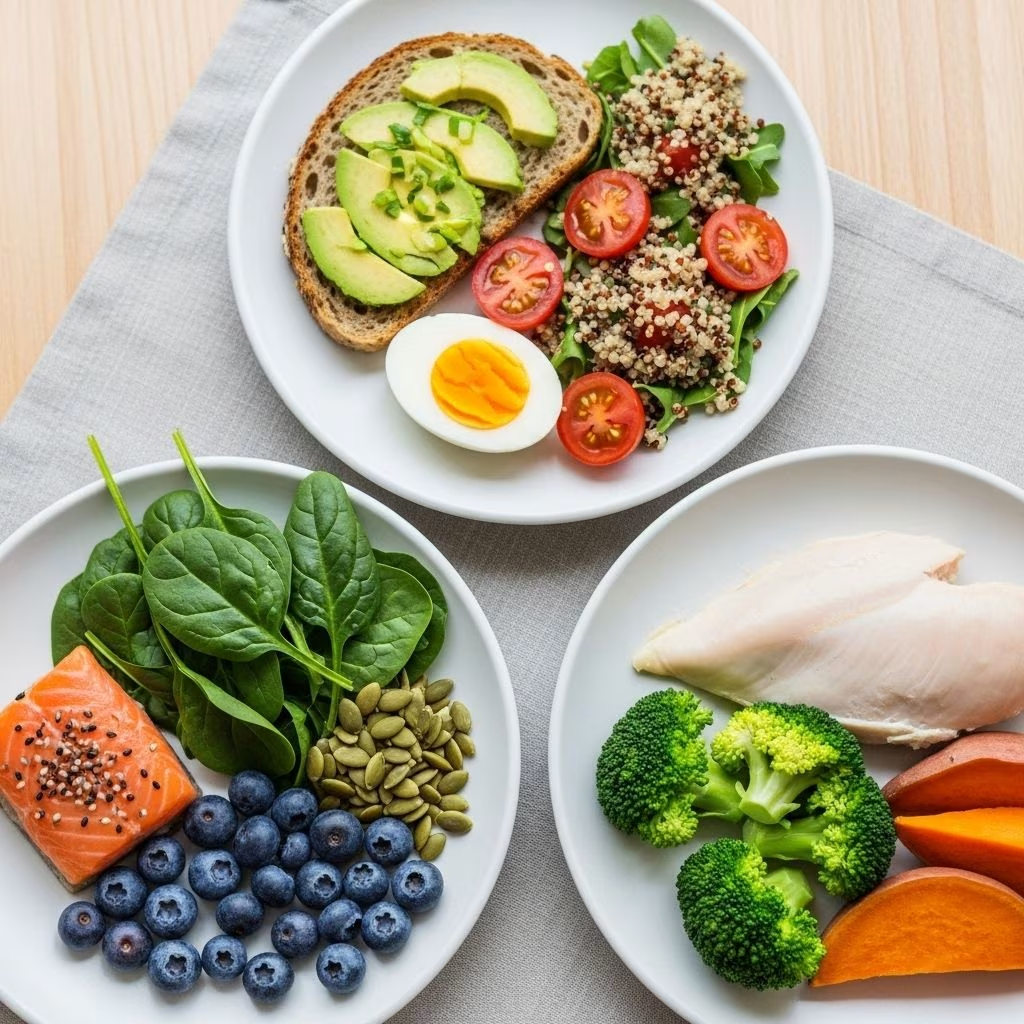
The Mediterranean diet emphasizes fruits, vegetables, whole grains, fish, and healthy fats, such as those found in olive oil. It is known for its anti-inflammatory effects and potential to improve overall health.### How Mediterranean Diet Helps with Eczema- Anti-Inflammatory Effects: High intake of omega-3 fatty acids and antioxidants can help reduce inflammation, potentially alleviating eczema symptoms.- Nutrient-Dense Foods: Includes a variety of nutrient-rich foods that support immune function and skin health.### Considerations- Flexibility: Allows for a wide range of food choices, making it easier to maintain long-term.- Overall Health: Beyond eczema, this diet supports heart health and may help manage other chronic conditions.
Frequently Asked Questions
Q: Are dietary changes effective for everyone with eczema?
A: While dietary adjustments can help some individuals manage eczema symptoms, the effectiveness varies greatly from person to person. It is essential to consult with a healthcare provider to determine the best approach.
Q: What are the common foods to avoid in an elimination diet for eczema?
A: Common foods to consider avoiding include dairy products, eggs, soy, fish, gluten, and nightshades. However, individual responses may vary, and not all these foods will trigger symptoms for everyone.
Q: How does the Paleo diet differ from the Mediterranean diet?
A: The Paleo diet excludes grains, dairy, and processed foods, focusing on foods available during the Paleolithic era. The Mediterranean diet emphasizes whole grains, fruits, vegetables, and healthy fats, like olive oil, allowing for some dairy and grains.
Q: Can elimination diets be harmful?
A: Yes, elimination diets can be harmful if not managed properly. They can lead to nutrient deficiencies and may increase the risk of developing food allergies if foods are reintroduced improperly.
Q: Is it necessary to consult a doctor before starting a diet for eczema?
A: Yes, it is highly recommended to consult with a healthcare provider before making significant dietary changes, especially if you suspect a food allergy or have severe eczema.
References
- https://resources.healthgrades.com/right-care/eczema/how-to-do-an-eczema-elimination-diet
- https://pubmed.ncbi.nlm.nih.gov/35987995/
- https://www.medicalnewstoday.com/articles/food-elimination-diet-children-eczema
- https://nationaleczema.org/eczema-management/diet-nutrition/
- https://nationaleczema.org/blog/food-elimination-diet-for-atopic-dermatitis/
- https://acaai.org/resource/my-child-has-severe-eczema-should-i-eliminate-certain-foods-from-their-diet/
- https://www.altitudedermatology.com/blog-post/diet-and-managing-eczema
- https://www.uclahealth.org/news/article/anti-inflammatory-diet-can-help-find-eczema-triggers


