


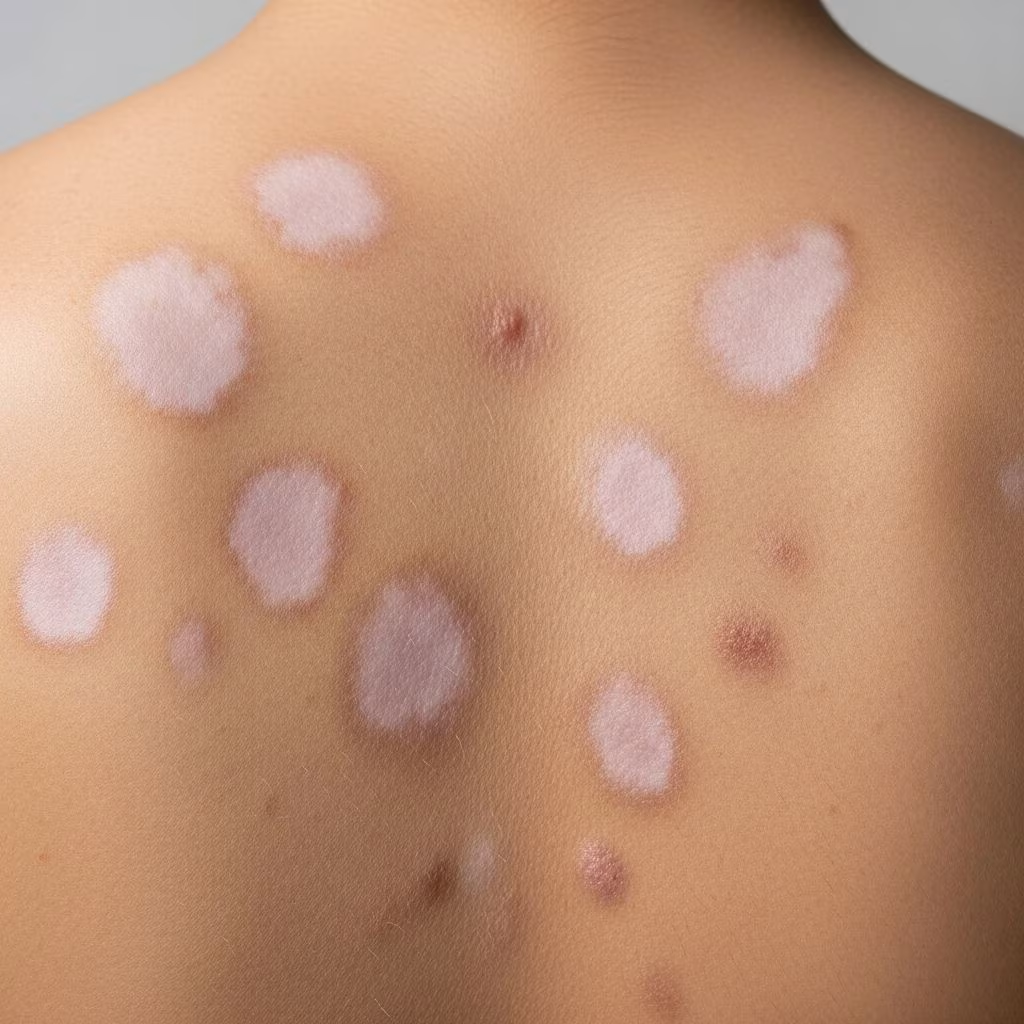
Tinea versicolor, also known as pityriasis versicolor, is a common, harmless, but often frustrating fungal skin condition. Characterized by discolored patches—often lighter or darker than the surrounding skin—it can persist for months and may significantly affect self-esteem. This detailed guide explores the intricate aspects of tinea versicolor, including its symptoms, underlying causes, advanced diagnosis, effective treatments, recurrence, prevention, and frequently asked questions.
What Is Tinea Versicolor?
Tinea versicolor is a superficial fungal infection of the skin caused by the overgrowth of a yeast called Malassezia. This yeast naturally lives on human skin, but certain conditions can cause it to multiply excessively and disrupt normal skin pigmentation. It is not contagious and affects people of all ages but is more common in adolescents and young adults, especially in warm and humid climates.
Symptoms of Tinea Versicolor
The hallmark of tinea versicolor is discolored patches on the skin. These may appear as lighter (hypopigmented) or darker (hyperpigmented) areas compared to the surrounding skin. Other symptom characteristics include:
- Patches are often pink, tan, brown, or white, and can shift in color as the condition progresses.
- The patches may merge to form larger areas and are typically seen on the chest, shoulders, back, and upper arms, but may also affect the neck and face.
- The edges are usually well-defined, with fine scaling which may become apparent when scratched gently.
- Most people do not experience itching, but mild itchiness or irritation may occur, especially in hot or humid environments.
- Tinea versicolor is more noticeable after sun exposure because the fungus prevents the affected areas from tanning normally.
Comparison Table: Characteristics of Tinea Versicolor Patches
| Characteristic | Description |
|---|---|
| Color | Pink, tan, brown, or white |
| Texture | Fine, powdery scale (not always visible) |
| Location | Trunk, shoulders, neck, face, upper arms |
| Itchiness | Usually none; mild in some cases |
| Sun response | Does not tan, therefore patches become more noticeable |
Causes and Risk Factors
The primary cause of tinea versicolor is an overgrowth of Malassezia yeast—a normal inhabitant of human skin. Certain factors can disrupt the balance and trigger overgrowth, including:
- Oily skin or use of oily lotions and products
- Hot, humid, or tropical climates
- Excessive sweating (during exercise, sports, or hot weather)
- Hormonal changes (adolescence, pregnancy, or hormonal medications)
- Weakened immune system (due to illness, medications, or certain chronic diseases)
- Genetic susceptibility (family history)
Tinea versicolor is not contagious, meaning it cannot be spread from person to person through direct contact or shared objects.
How Is Tinea Versicolor Diagnosed?
Diagnosis is usually straightforward based on the appearance and location of the patches. Dermatologists may employ additional diagnostic tools to confirm tinea versicolor and rule out similar skin conditions:
- Clinical examination: Visual inspection by a healthcare provider, looking for typical features.
- Wood lamp (black light) examination: A specialized ultraviolet light may cause affected areas to fluoresce a yellowish-green or coppery orange color, which is characteristic of tinea versicolor.
- Microscopy (Potassium Hydroxide/KOH preparation): Scrapings of the affected skin are examined under a microscope after application of KOH to identify yeast and hyphae (described as “spaghetti and meatballs” appearance).
- Skin biopsy: Rarely needed, but may be performed if the diagnosis is unclear.
Treatment Options
Prompt treatment is crucial to halt the spread, restore skin appearance, and reduce the psychosocial impact of tinea versicolor. The main treatment goals are to eradicate the overgrown yeast and manage pigmentation changes.
Topical Treatments (First-line)
- Topical antifungal agents are the most common and effective initial therapy for mild and moderate cases:
- Ketoconazole (2% shampoo or cream): Typically applied for 1–3 days, or as per physician’s directions.
- Selenium sulfide (2.25%–2.5% lotion or shampoo): Applied daily for about 10 minutes for 1 week.
- Clotrimazole, miconazole, terbinafine, ciclopirox, or zinc pyrithione: Available over-the-counter or by prescription.
- Application tips: Apply to clean, dry skin. Leave on for directed period before rinsing, especially with shampoos or lotions used as body washes.
- Availability: Many products are available as creams, foams, solutions, or medicated soaps.
Oral Antifungal Therapy
- Reserved for:
- Extensive or severe infections
- Recurrent tinea versicolor
- Cases unresponsive to topical therapy
- Common oral medications:
- Itraconazole (200 mg/day typically for 5–7 days)
- Fluconazole (300 mg once weekly for 2 weeks)
- Oral ketoconazole is generally avoided due to risk of serious liver toxicity.
- Periodic blood monitoring may be needed, and drug interactions should be reviewed before starting oral antifungals.
Natural and Home Remedies
Some people explore natural options, such as diluted apple cider vinegar, coconut oil, or tea tree oil. However, these are not supported by robust scientific evidence and are generally less effective than antifungal medications. Always consult a healthcare provider before pursuing alternative treatments.
Healing and Recovery Timeline
- Scaly, raised patches generally smooth out and disappear within 2–4 weeks after starting treatment.
- Skin discoloration—whether lighter or darker—often persists for several months even after the fungus is eradicated. It may take 6–12 months for skin color to normalize completely.
- Persistent pigment changes are not a sign of treatment failure, but of underlying inflammation and the time it takes for the skin’s pigment-producing cells to recover.
- Recurrence is common, especially in warm, humid climates, or in those with a predisposition to oily skin.
Prevention Strategies
- Minimize exposure to heat and humidity whenever possible. Stay in cool, dry environments during peak heat.
- Limit sun exposure and avoid tanning beds, which can accentuate patches.
- Wear breathable, loose-fitting clothing made of natural fibers or moisture-wicking material to reduce sweating and friction.
- Choose oil-free or non-comedogenic skin products.
- Use antifungal creams or shampoos prophylactically (once per month during high-risk seasons) as directed by a dermatologist for people prone to recurrences.
- Bathe regularly and keep skin clean and dry.
Self-care Tips for Preventing Tinea Versicolor
- Shower soon after heavy sweating or exercise.
- Do not share towels or clothing with others to avoid spreading other potential skin infections.
- Watch for early signs (small patches) and seek prompt treatment.
Recurrence and Long-Term Management
Recurrence is common, particularly among individuals living in humid climates or those with persistent predisposing factors. Repeat or ongoing prophylactic (preventive) therapy is often needed. Options include:
- Monthly topical therapy: Application of selenium sulfide 2.5% or ketoconazole 2% shampoo or lotion to the entire body for 10 minutes, once a month.
- Oral preventive therapy: Itraconazole 200 mg taken twice in a single day, once monthly, may help prevent recurrences in those with repeated relapses (under physician supervision).
- Long-term skin care: Adhering to lifestyle measures and prompt self-treatment at the first sign of recurrence can help manage the condition.
Frequently Asked Questions (FAQs)
Q: Can tinea versicolor affect my face?
A: Yes, tinea versicolor can affect the face, often presenting as patches near the hairline, cheeks, or neck. Dermatologists may recommend gentler treatments for this sensitive area.
Q: Is tinea versicolor contagious?
A: No, tinea versicolor is not contagious and cannot be caught from another person. The yeast that causes it is naturally found on most skin.
Q: Will my skin return to normal after treatment?
A: With effective treatment, the yeast is eliminated within weeks, but it can take several months for discoloration to fade as the skin’s pigment-producing cells recover.
Q: Can I speed up recovery with natural remedies?
A: While some home remedies may offer relief, proven and reliable results are only achieved with clinically tested antifungal medications.
Q: What should I do if my tinea versicolor keeps returning?
A: Consult your dermatologist about preventive antifungal therapies and lifestyle adjustments, especially during warm or humid weather when recurrences are common.
Q: How can I tell tinea versicolor apart from other skin conditions?
A: Diagnosis can sometimes be challenging. Patch location, color, scale, and response to antifungal treatment help distinguish it from other conditions like vitiligo, eczema, or post-inflammatory hypopigmentation. Your doctor may use a Wood lamp or skin scraping for confirmation.
When to See a Doctor
- Patches continue to spread or fail to improve despite using over-the-counter antifungals.
- Significant emotional distress or self-consciousness due to the skin appearance.
- Recurrent infections that disrupt daily life or confidence.
- Uncertainty of diagnosis—if there is a doubt whether the patches are due to tinea versicolor or another skin disorder.
Prompt dermatological assessment ensures accurate diagnosis and enables access to the most effective treatments. With consistent management and prevention, tinea versicolor can be controlled, helping restore healthy, even-toned skin and self-confidence.
References
- https://www.webmd.com/skin-problems-and-treatments/tinea-versicolor-cause-symptoms-treatments
- https://www.advanceddermnco.com/conditions/tinea-versicolor
- https://www.ncbi.nlm.nih.gov/books/NBK482500/
- https://my.clevelandclinic.org/health/diseases/17719-tinea-versicolor
- https://www.mayoclinic.org/diseases-conditions/tinea-versicolor/diagnosis-treatment/drc-20378390
- https://www.mayoclinic.org/diseases-conditions/tinea-versicolor/symptoms-causes/syc-20378385
- https://www.cedars-sinai.org/health-library/diseases-and-conditions/t/tinea-versicolor-pityriasis-versicolor.html


