


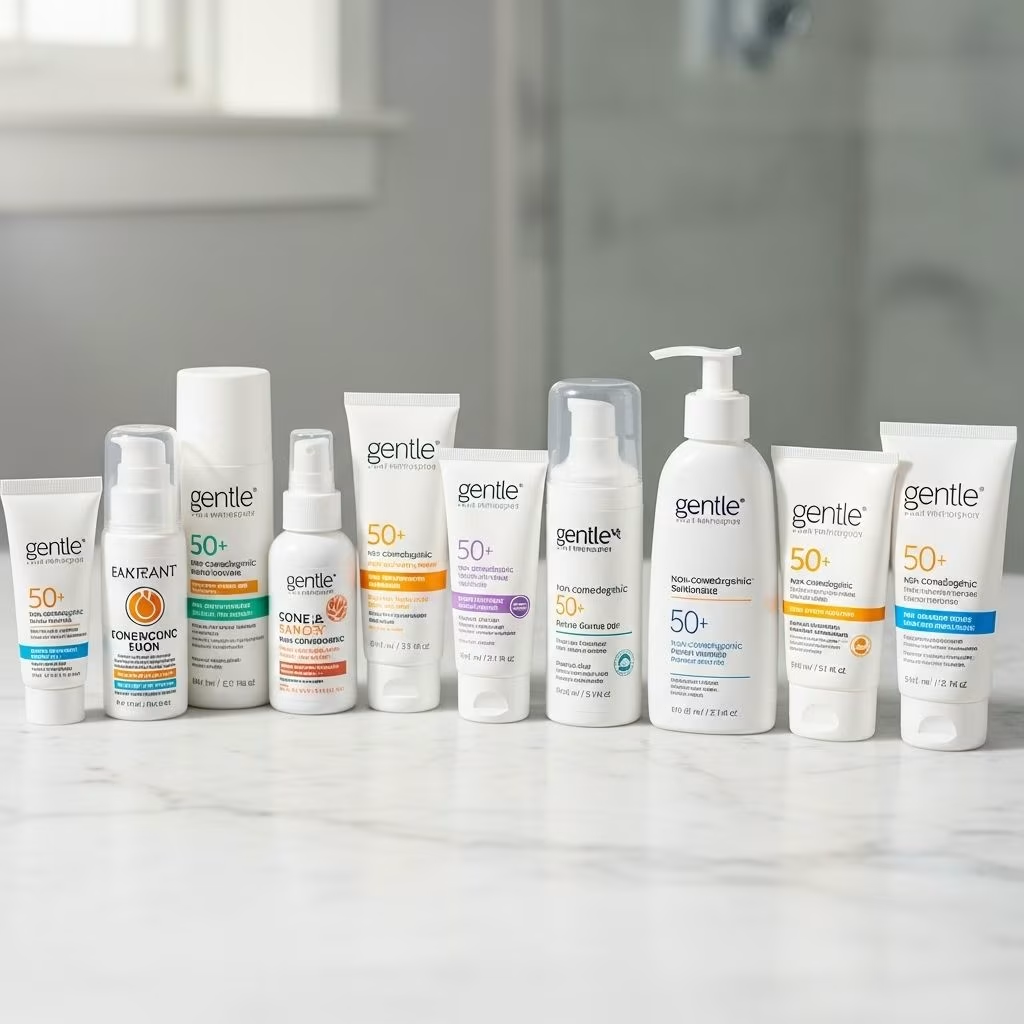
Sun protection is essential for healthy skin, but those with acne-prone skin often hesitate to apply sunscreen for fear of clogged pores and breakouts. Thankfully, non-comedogenic sunscreens have evolved significantly, providing powerful protection without the risk of worsening acne. This comprehensive guide explores the best non-comedogenic sunscreens for acne, their most effective ingredients, and expert-backed selection and application tips for 2025.
Why Acne-Prone Skin Needs Sunscreen
Any skin, especially acne-prone skin, requires consistent sun protection. UV exposure not only increases the risk of skin cancer but can also worsen pigmentation from past breakouts, trigger redness, and slow the healing of acne lesions. Ironically, those with oily or breakout-prone skin sometimes skip sunscreen, fearing heavier formulations might lead to further clogging. Fortunately, non-comedogenic sunscreens are engineered to address these concerns, making daily SPF use a must for clear, healthy skin.
What Does ‘Non-Comedogenic’ Really Mean?
A non-comedogenic product is formulated not to block pores. Comedones are blocked hair follicles that can become blackheads, whiteheads, or acne. The term non-comedogenic indicates the absence of ingredients that have been shown to aggravate or cause breakouts.
However, skin reactions are highly individual, and a product labeled non-comedogenic might not be suitable for every skin type. Therefore, always monitor your skin for reactions when trying new products.
Key Sunscreen Ingredients for Acne-Prone Skin
Understanding ingredients is crucial in choosing the right sunscreen for acne-prone skin. Here’s what matters most:
- Zinc Oxide and Titanium Dioxide: Mineral sunscreens that offer broad-spectrum protection and generally do not clog pores. They also have anti-inflammatory properties beneficial for sensitive or acne-prone skin.
- Niacinamide (Vitamin B3): Calms inflammation, controls sebum production, and supports the skin barrier. A frequent add-in for modern non-comedogenic SPFs.
- Hyaluronic Acid: A hydrating ingredient that does not congest pores and helps maintain moisture balance, preventing the skin from producing excess oil.
- Lightweight Emollients: Ingredients like dimethicone provide a smoothing effect without being heavy or occlusive.
- Oil-Free or Matte Finishes: Help absorb excess sebum throughout the day and prevent extra shine, a boon for those with oily or combination skin.
What Ingredients to Avoid
- Heavy Oils and Waxes: Such as coconut oil, lanolin, or beeswax.
- Silicones: While often included for slip and matte finish, some may find these can occasionally exacerbate breakouts.
- Fragrance and Alcohol: May increase irritation, especially on sensitive or inflamed skin.
Top Non-Comedogenic Sunscreens for Acne (2025)
The best sunscreens for acne-prone skin combine effective UV protection with skin-calming, non-pore-clogging formulas. Below are the leading expert-recommended options in 2025, categorized for different needs and skin types.
Best Overall Non-Comedogenic Sunscreens for Acne
| Sunscreen | Type | SPF | Key Ingredients | Best For | Finish |
|---|---|---|---|---|---|
| La Roche-Posay Anthelios UVMune Invisible Fluid Sensitive SPF50 | Chemical | 50 | Mexoryl 400, Tinosorb S | Normal-Combination | Semi-matte, no white cast |
| La Roche-Posay Anthelios UVMune Oil Control SPF50 | Chemical | 50 | Mexoryl 400, Tinosorb S | Oily | Very matte |
| EltaMD UV Clear Broad-Spectrum SPF 46 | Hybrid (Mineral/Chemical) | 46 | Zinc Oxide, Niacinamide, Hyaluronic Acid | Sensitive, Acne-prone, Redness | Lightweight, no residue |
| SkinMedica Essential Defense Everyday Clear SPF 47 | Hybrid | 47 | Zinc Oxide, Chemical filters | Oily-Combination | Sheer, fast-absorbing |
| Beauty of Joseon Relief Sun: Rice & Probiotics SPF50+ | Chemical | 50 | Rice Extract, Probiotics, Uvinul A Plus, Tinosorb S | Normal-Dry | Dewy |
| DRMTLGY Broad Spectrum SPF 45 | Mineral & Chemical | 45 | Niacinamide, Hyaluronic Acid | All (Acne-prone) | Sheer, doubles as primer |
| Avene Mineral Sunscreen Multi-Defense Fluid SPF 50+ | Mineral | 50+ | Zinc Oxide, Titanium Dioxide | Sensitive | Sheer, lightweight |
| Sun Bum Face SPF 50 | Chemical | 50 | Antioxidants, Vitamin E | All | Glowy |
| CeraVe Hydrating Sheer Sunscreen SPF 30 | Hybrid | 30 | Ceramides, Hyaluronic Acid | Dry-Sensitive | Sheer, lightweight |
Quick Summaries of Top Picks
- La Roche-Posay Anthelios UVMune Invisible Fluid & Oil Control: Reliable, broad-spectrum formulas with innovative chemical filters. The Oil Control version is excellent for oily skin, offering a long-lasting matte finish with no white cast.
- EltaMD UV Clear SPF 46: A dermatologist favorite, this hybrid SPF combines mineral and chemical filters with niacinamide and hyaluronic acid for hydration and redness reduction.
- DRMTLGY Broad Spectrum SPF 45: Award-winning for acne-prone skin, this SPF contains soothing ingredients and doubles as a makeup primer.
- Avene Mineral Sunscreen Multi-Defense Fluid: For those seeking a pure mineral solution, Avene delivers a light, non-comedogenic formula safe for sensitive and reactive skin.
- CeraVe Hydrating Sheer Sunscreen: Combines lightweight moisture with ceramides and hyaluronic acid, supporting the skin barrier.
How to Choose the Right Sunscreen for Your Skin Type
Skin types and needs vary, even among acne-prone individuals. Consider these factors for a perfect match:
- Oily Skin: Look for oil-free, mattifying formulations. Gel or fluid textures work best as they absorb quickly and control excess shine.
- Dry Skin: Opt for sunscreens with hydrating agents like hyaluronic acid, glycerin, or ceramides. Dewy and moisturizing SPFs can replace an extra moisturizer.
- Combination Skin: Choose balanced formulas labeled as semi-matte, or tailor application to different zones of your face.
- Sensitive or Rosacea-Prone: Lean toward fragrance-free, mineral-based sunscreens that offer both sun protection and anti-inflammatory benefits. Niacinamide and zinc oxide are excellent choices.
- Fungal Acne-Prone: Check for fungal-acne-safe ingredients, avoiding esters and oils that can exacerbate outbreaks.
Testing Tip
Always conduct a patch test when introducing a new sunscreen to avoid full-face breakouts. Apply a small amount to your jawline for a few days and monitor for reactions.
Application Tips: How to Use Sunscreen Without Breaking Out
- Apply sunscreen as the final step in your morning skincare routine—after moisturizer, before makeup.
- Use enough: A nickel-sized dollop for the face and additional product for the neck and ears.
- Reapply every 2 hours if spending time outdoors, sweating, or after swimming.
- Cleanse gently at night to remove all sunscreen and avoid potential build-up. Consider a double cleanse if you wear water-resistant SPF.
- Avoid layering multiple thick or occlusive products under sunscreen; opt for lightweight serums instead.
- If makeup is worn over SPF, try SPF powders or mists for mid-day touch-ups.
Frequently Asked Questions (FAQs)
Q: Does sunscreen really cause acne?
A: Only certain sunscreen products containing heavy, pore-clogging ingredients are likely to trigger or worsen breakouts. True non-comedogenic sunscreens formulated for acne-prone skin are designed specifically to avoid this problem.
Q: Are mineral or chemical sunscreens better for acne?
A: Both can be suitable, provided they’re labeled non-comedogenic. Mineral (physical) sunscreens with zinc oxide or titanium dioxide tend to be better tolerated by sensitive and reactive skin types. Some chemical filters, such as Tinosorb S or Mexoryl 400, are now formulated to be lightweight and non-irritating.
Q: Can sunscreen lighten acne scars?
A: While sunscreen doesn’t actively lighten scars, regular, diligent SPF use prevents further darkening and helps pigmented marks fade faster by blocking UV-triggered melanin production.
Q: What should I do if my sunscreen breaks me out?
A: Discontinue use immediately, gently cleanse the skin, and revert to products that have worked for you in the past. Try patch testing and look for an alternative with different ingredients.
Q: Can I skip moisturizer if my sunscreen is hydrating?
A: If your skin is oily or you use a richly moisturizing sunscreen (like Beauty of Joseon Relief Sun), you may be able to skip a separate moisturizer. Dry or combination skin types may still benefit from a lightweight moisturizer applied before SPF.
References
- Notes by Alice. My top 8 SPFs for acne-prone skin
- Exclusive Beauty Club. 7 Best Sunscreens for Acne Prone Skin in 2025
- Cosmopolitan. 11 Best Noncomedogenic Sunscreens That Won’t Cause Breakouts
- Eucerin. Non-Comedogenic Sunscreen for Oily and Acne-Prone Skin
- Skin Type Solutions. Noncomedogenic Sunscreens
For lasting clear and healthy skin, incorporating a broad-spectrum, non-comedogenic sunscreen into your daily regimen is non-negotiable. With a spectrum of scientifically formulated options now available, acne-prone skin can enjoy robust UV protection free from the worry of clogged pores or unwanted breakouts.
References
- https://notesbyalice.co.uk/top-spf-acne-prone-skin/
- https://exclusivebeautyclub.com/blogs/exclusive-beauty-blog/7-best-sunscreens-for-acne-prone-skin-in-2025
- https://www.cosmopolitan.com/style-beauty/beauty/g60572511/best-non-comedogenic-sunscreens/
- https://www.sephora.com/buy/non-comedogenic-sunscreen
- https://skintypesolutions.com/collections/noncomedogenic-sunscreens
- https://www.eucerinus.com/skin-care-101/sun-protection/sunscreen-for-oily-acne-prone-skin
- https://natalieoneilll.com/best-sunscreens-clog-prone-skin/
- https://www.target.com/c/face-sunscreen-sun-tanning-skin-care-beauty/non-comedogenic/-/N-vv9fjZ29vhf


