


Introduction
Hair loss can significantly impact an individual’s self-confidence and quality of life. Two popular treatments for addressing hair loss are hair transplantation and platelet-rich plasma (PRP) therapy. Both methods have gained popularity due to their effectiveness in restoring hair, but they differ in how they work and the types of results they provide. This article will delve into the specifics of each treatment, helping you decide which one is best for your needs.
1. Hair Transplant
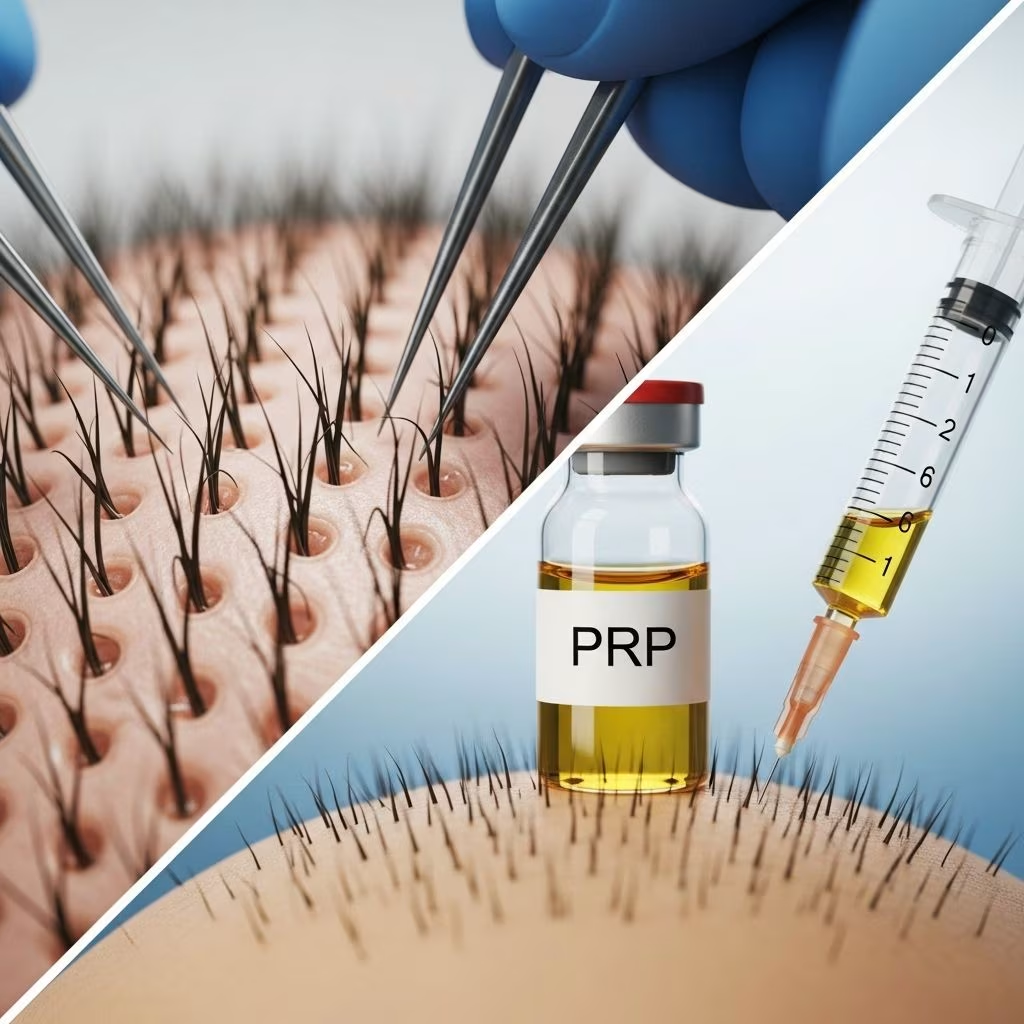
A hair transplant is a surgical procedure aimed at restoring hair in areas where it has been lost. The process involves removing hair follicles from a donor area on the scalp and transplanting them to the balding or thinning regions. There are two primary methods for hair transplantation: Strip Harvesting (also known as FUT) and Follicular Unit Extraction (FUE). FUE is considered more modern and minimally invasive.
Advantages of Hair Transplants:
- Permanent Results: Hair transplants provide a long-lasting solution to hair loss, as the transplanted hair grows naturally over time.
- Comprehensive Solution: Ideal for those with extensive hair loss, offering a broader coverage area.
- Immediate Visible Results: Although the initial recovery period can be lengthy, visible hair growth becomes apparent within a few months.
Disadvantages of Hair Transplants:
- Surgical Invasiveness: Requires a surgical procedure, which can be daunting for some individuals.
- Recovery Time: The recovery period is longer compared to non-surgical treatments like PRP.
- Higher Initial Cost: The upfront cost is higher, although it is a one-time investment.
2. PRP Therapy
PRP, or platelet-rich plasma therapy, is a non-surgical treatment that utilizes a patient’s own blood to stimulate hair growth. The process involves drawing blood, isolating the platelet-rich plasma through centrifugation, and then injecting it into the scalp where hair thinning occurs. This method leverages the growth factors present in platelets to enhance hair follicle health and promote new hair growth.
Advantages of PRP Therapy:
- Non-Invasive: No surgery or incisions are required, making it a safer option with minimal downtime.
- Natural Treatment: Uses the body’s own growth factors to stimulate hair growth.
- Multiple Applications: Suitable for a wide range of hair loss stages, often used in conjunction with other treatments.
Disadvantages of PRP Therapy:
- Repetitive Treatment Sessions: Requires multiple sessions spaced several weeks apart to achieve noticeable results.
- Gradual Improvement: Results are not immediate, taking several months to become apparent.
- Cumulative Cost Over Time: While less expensive per session, repeated treatments can add up in cost.
3. Key Differences Between Hair Transplant and PRP
When deciding between a hair transplant and PRP therapy, it’s crucial to consider several key differences:
1. Surgical vs. Non-Surgical
Hair transplantation is a surgical procedure, whereas PRP therapy is non-invasive.
2. Longevity of Results
Hair transplants offer more permanent results, while PRP requires ongoing maintenance treatments to sustain hair growth.
3. Cost Structure
Although the initial cost of a hair transplant is higher, it is typically a one-time expense. PRP therapy, while less expensive per session, can become more costly over time due to the need for repeated treatments.
4. Suitability
Hair transplants are generally recommended for individuals with more advanced hair loss, providing a comprehensive solution. PRP therapy is ideal for those with early-stage hair thinning or mild hair loss, offering a natural and non-invasive option.
| Treatment Option | Procedure Type | Recovery Time | Longevity of Results | Cost Structure | Suitability |
|---|---|---|---|---|---|
| Hair Transplant | Surgical | Several weeks | Permanent | Higher upfront cost | Advanced hair loss |
| PRP Therapy | Non-surgical | Minimal | Temporary, requires maintenance | Lower per session, cumulative cost over time | Early-stage hair loss, mild to moderate |
4. Frequently Asked Questions (FAQs)
Q: Is PRP therapy safe?
A: Yes, PRP therapy is generally considered safe as it uses the patient’s own blood components, which reduces the risk of adverse reactions.
Q: How long does it take to see results from PRP therapy?
A: Results from PRP therapy are gradual and may take several months to become noticeable, often requiring multiple treatment sessions.
Q: Is a hair transplant painful?
A: While a hair transplant is a surgical procedure, it is typically performed under local anesthesia to minimize discomfort. Some individuals may experience mild pain during the recovery period.
Q: Can I use PRP therapy if I have had a previous hair transplant?
A: Yes, PRP can be used as a complementary treatment to enhance the results of a previous hair transplant by stimulating hair growth in the transplanted area.
Conclusion
Both hair transplants and PRP therapy offer effective solutions for hair restoration, catering to different needs and preferences. The choice between these treatments depends on the severity of hair loss, the desired outcome, and personal comfort with surgical procedures. Consulting with a healthcare professional can help determine which option is most suitable for your specific situation.
References
- https://willow-aesthetics.com/blog/hair-restoration-with-prp-vs-hair-transplant/
- https://www.oafacialplastics.com/blog/y2pn03doyzavxccpt1d2vgogssz862
- https://aventusclinic.com/fue-hair-transplant-vs-prp-hair-treatment/
- https://molechex.com.au/2024/09/29/prp-vs-hair-transplant-understanding-the-differences/
- https://www.serotonincenters.com/blog/prp-hair-restoration-or-hair-transplant-which-should-you-choose/
- https://www.hairdoc.com/blog/hair-transplant-vs-prp-therapy-which-is-right-for-me
- https://laserskinmedspa.com/platelet-rich-plasma/comparing-hair-restoration-techniques-prp-vs-hair-transplants/


