


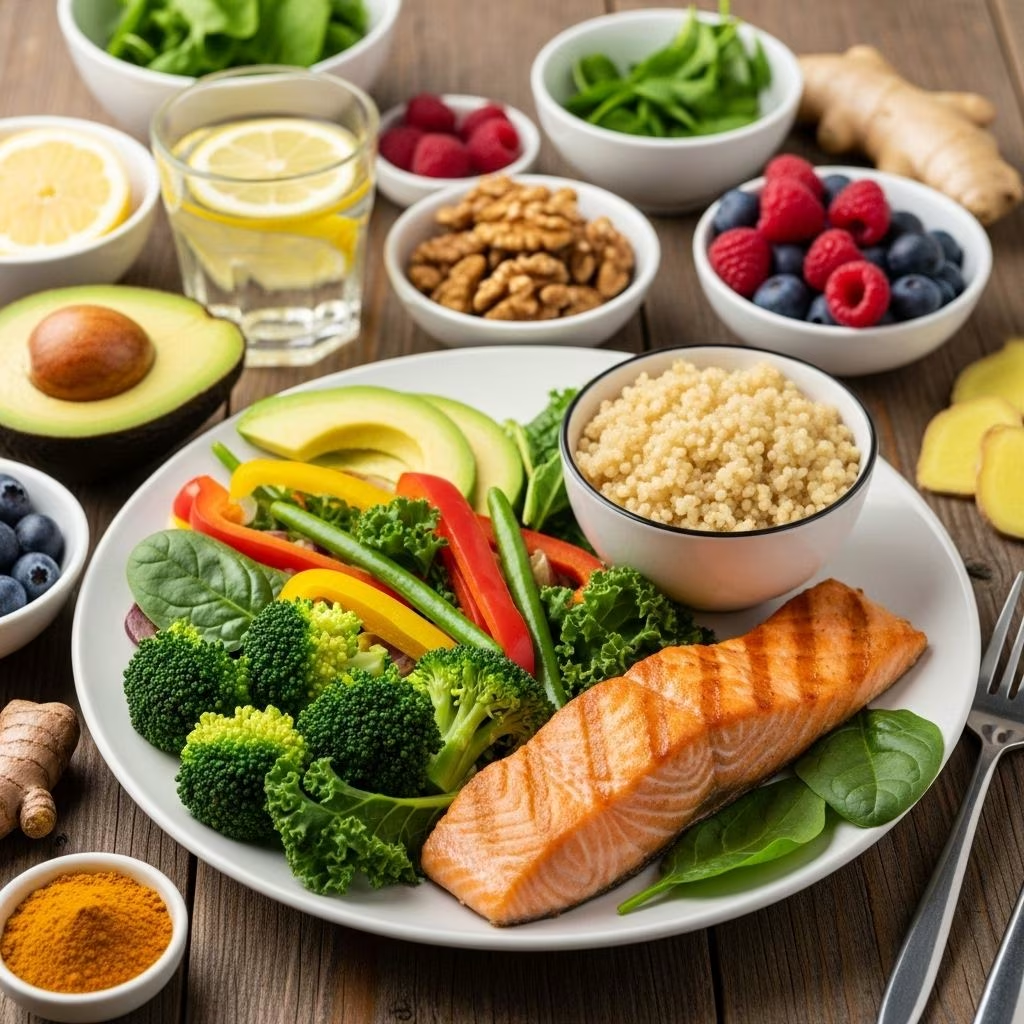
Understanding Hidradenitis Suppurativa and Diet Connection
Hidradenitis suppurativa (HS) is a chronic inflammatory skin condition that affects millions of people worldwide, causing painful, recurrent lesions typically in areas where skin rubs together. While conventional medical treatments remain essential, emerging research reveals that dietary modifications can play a significant role in managing HS symptoms and reducing inflammation.
The connection between diet and HS lies in the body’s inflammatory response. Certain foods can trigger or exacerbate systemic inflammation, potentially worsening HS symptoms, while others possess anti-inflammatory properties that may help reduce flare-ups and promote healing. Understanding this relationship empowers individuals with HS to make informed dietary choices that complement their medical treatment plan.
Research indicates that HS patients often have higher rates of metabolic dysfunction, insulin resistance, and chronic inflammation compared to the general population. These conditions can be influenced by dietary choices, making nutrition a crucial component of comprehensive HS management. A balanced, nutrient-dense diet supports immune system function and helps combat the chronic inflammation associated with HS.
The Anti-Inflammatory Diet Approach
An anti-inflammatory diet forms the foundation of dietary management for hidradenitis suppurativa. This approach focuses on consuming foods rich in antioxidants, omega-3 fatty acids, and phytonutrients while minimizing processed foods, refined sugars, and pro-inflammatory ingredients.
Core Principles of Anti-Inflammatory Eating
The anti-inflammatory diet emphasizes whole, unprocessed foods that naturally contain compounds known to reduce inflammation in the body. These foods work by neutralizing free radicals, modulating immune responses, and supporting the body’s natural healing processes. Key principles include prioritizing colorful fruits and vegetables, choosing lean proteins, incorporating healthy fats, and selecting complex carbohydrates over refined options.
Antioxidant-rich foods are particularly beneficial for HS management. These include berries, leafy greens, colorful vegetables, and herbs and spices like turmeric and ginger. These foods help combat oxidative stress, which can contribute to inflammatory processes in the body.
Mediterranean Diet for HS Management
The Mediterranean diet has emerged as one of the most promising dietary approaches for managing hidradenitis suppurativa. Research suggests that adherence to Mediterranean dietary patterns may help reduce HS severity and improve overall disease management.
A 2019 study demonstrated that following a Mediterranean diet can improve disease severity in people with hidradenitis suppurativa. This diet emphasizes the consumption of fruits, vegetables, fish, nuts, and healthy oils, while limiting red meat, dairy, and alcohol consumption.
Key Components of the Mediterranean Diet
The Mediterranean diet centers around fresh, whole foods that have been staples of Mediterranean cultures for centuries. Primary components include abundant fresh vegetables and fruits, whole grains, legumes, nuts, seeds, fish, seafood, and extra virgin olive oil as the primary fat source. Red meat consumption is limited to occasional servings, while processed foods are virtually eliminated.
This dietary pattern naturally reduces inflammation through several mechanisms. The high content of omega-3 fatty acids from fish and nuts helps balance inflammatory processes, while the abundance of antioxidants from colorful produce neutralizes harmful free radicals. The emphasis on complex carbohydrates helps maintain stable blood sugar levels, reducing inflammatory spikes associated with refined carbohydrate consumption.
Foods to Include in Your HS Diet
Fiber-Rich Foods
High-fiber foods play a crucial role in HS management by helping balance blood sugar and hormone levels while supporting healthy digestion and weight management. These foods include fresh and frozen fruits and vegetables, beans and legumes, whole grains like brown rice, barley, oats, couscous, and quinoa.
Fiber helps regulate insulin levels and promotes satiety, which can be particularly beneficial for individuals with HS who may need to manage their weight as part of their treatment plan. Additionally, fiber supports gut health, which is increasingly recognized as important for overall immune function and inflammation control.
Omega-3 Rich Foods
Omega-3 fatty acids are powerful anti-inflammatory compounds that may help reduce HS symptoms. Research shows that these healthy fats can help lower overall inflammation in the body, potentially preventing or soothing inflamed lesions characteristic of HS.
Excellent sources of omega-3 fatty acids include fatty fish like salmon, sardines, mackerel, and herring. Plant-based sources include walnuts, flaxseeds and flaxseed oil, chia seeds, hemp seeds, and avocados. Aim to include omega-3 rich foods in your diet several times per week for optimal anti-inflammatory benefits.
Antioxidant-Rich Vegetables and Fruits
Colorful fruits and vegetables provide essential antioxidants, vitamins, and minerals that support immune function and help combat inflammation. Focus on consuming a variety of colors to ensure a diverse range of beneficial compounds.
Particularly beneficial options include leafy greens like spinach, kale, and arugula; colorful berries such as blueberries, strawberries, and blackberries; cruciferous vegetables like broccoli, cauliflower, and Brussels sprouts; and orange and red vegetables like carrots, sweet potatoes, and bell peppers.
Lean Protein Sources
High-quality protein is essential for tissue repair and immune function. Choose lean protein sources such as fish, poultry, eggs, legumes, nuts, and seeds. These proteins provide essential amino acids without the potential inflammatory effects associated with processed meats or high-fat animal products.
Foods to Avoid or Limit
Refined Sugars and Simple Carbohydrates
Refined sugars and simple carbohydrates can trigger inflammatory responses and contribute to insulin resistance, potentially worsening HS symptoms. These foods cause rapid spikes in blood sugar and insulin levels, promoting inflammatory pathways in the body.
Foods to limit or avoid include sugary drinks, candy, pastries, white bread, white rice, and processed snacks. Instead, focus on complex carbohydrates that provide sustained energy and stable blood sugar levels.
Dairy Products
Many individuals with HS report improvement in symptoms when reducing or eliminating dairy products from their diet. Dairy, particularly high-fat dairy products, may promote inflammation in some people and has been associated with hormonal fluctuations that could potentially influence HS symptoms.
Common dairy products to consider limiting include milk, cheese, butter, ice cream, and yogurt. If you choose to eliminate dairy, ensure adequate calcium and vitamin D intake through alternative sources or supplements.
Processed and Ultra-Processed Foods
Highly processed foods often contain inflammatory additives, preservatives, and trans fats that can exacerbate HS symptoms. These foods also typically lack the beneficial nutrients found in whole foods that support immune function and reduce inflammation.
Examples of processed foods to limit include packaged snacks, fast food, processed meats like bacon and deli meats, sugary cereals, and convenience meals. Focus on preparing meals from whole, unprocessed ingredients whenever possible.
Brewer’s Yeast and Alcohol
Some HS patients report symptom improvement when avoiding brewer’s yeast and alcohol. These substances may contribute to inflammation and can interfere with immune function, potentially triggering HS flares in sensitive individuals.
Weight Management and HS
Weight management plays a crucial role in HS management, as excess weight can worsen symptoms and increase the frequency of flares. Research shows that weight loss can significantly improve HS symptoms, particularly in the early stages of the condition.
In small studies, patients who lost 15% or more of their body weight experienced notable benefits, with nearly 50% seeing their HS clear and 20% having fewer lesions. Weight loss appears to be most effective in early-stage HS when painful lumps are present but tunnels beneath the skin have not yet formed.
Strategies for Healthy Weight Loss
Effective weight management for HS patients involves creating a sustainable caloric deficit while maintaining adequate nutrition. Focus on portion control, regular physical activity as tolerated, and choosing nutrient-dense, low-calorie foods that promote satiety.
The anti-inflammatory dietary approach naturally supports weight management by emphasizing whole foods that are naturally lower in calories and higher in nutrients compared to processed alternatives. Fiber-rich foods promote feelings of fullness, while protein helps maintain muscle mass during weight loss.
Elimination Diet Protocol
An elimination diet can be a valuable tool for identifying specific food triggers that may worsen HS symptoms. This systematic approach involves temporarily removing suspected trigger foods from the diet, then gradually reintroducing them to observe any changes in symptoms.
How to Implement an Elimination Diet
Begin by eliminating common trigger foods for a minimum of two to four weeks. Common foods to eliminate include gluten, dairy products, refined sugars, processed foods, brewer’s yeast, and alcohol. During this elimination phase, maintain a detailed food and symptom diary to track any changes in your HS symptoms.
After the elimination period, gradually reintroduce one food group at a time, spacing reintroductions by several days to a week. Monitor your symptoms carefully during each reintroduction phase, noting any changes in lesion activity, pain levels, or inflammation.
Working with Healthcare Professionals
Consider working with a registered dietitian or healthcare provider when implementing an elimination diet, especially if you have other health conditions or take medications. Professional guidance can help ensure nutritional adequacy while safely identifying food triggers.
Nutritional Supplements for HS
Certain nutritional supplements may benefit individuals with hidradenitis suppurativa, particularly those with documented deficiencies. Research has shown that people with HS are more likely to have low blood levels of specific nutrients.
Key Supplements to Consider
Zinc supplementation may be beneficial for HS patients, as research demonstrates that individuals with HS often have lower zinc levels compared to healthy controls. Zinc plays important roles in immune function, wound healing, and inflammation regulation.
Vitamin D deficiency is also common among HS patients. Adequate vitamin D levels are crucial for immune function and may help reduce inflammation. Consider having your vitamin D status assessed and supplementing as recommended by your healthcare provider.
Omega-3 fatty acid supplements can provide additional anti-inflammatory benefits, particularly for individuals who don’t consume adequate amounts of fatty fish. High-quality fish oil or algae-based omega-3 supplements may help reduce overall inflammation.
Practical Meal Planning Strategies
Weekly Meal Planning
Successful dietary management of HS requires consistent planning and preparation. Start by creating weekly meal plans that incorporate anti-inflammatory foods while avoiding identified triggers. Focus on simple, nutritious meals that can be prepared in advance.
Batch cooking can be particularly helpful, allowing you to prepare large quantities of HS-friendly meals that can be portioned and frozen for convenient future meals. Consider preparing staples like cooked quinoa, roasted vegetables, and grilled proteins that can be mixed and matched throughout the week.
Sample Daily Menu
A typical anti-inflammatory day might include oatmeal topped with berries and walnuts for breakfast, a large salad with grilled salmon and olive oil dressing for lunch, and baked cod with roasted vegetables and quinoa for dinner. Snacks could include fresh fruit with almond butter or raw vegetables with hummus.
Additional Lifestyle Factors
Stress Management
Chronic stress can exacerbate inflammatory conditions like HS, making stress management an important complement to dietary interventions. Consider incorporating stress-reduction techniques such as meditation, yoga, regular exercise, or counseling as part of your comprehensive HS management plan.
Sleep Quality
Adequate sleep is crucial for immune function and inflammation regulation. Poor sleep quality can worsen inflammatory conditions and may interfere with the body’s ability to heal and recover. Aim for 7-9 hours of quality sleep per night and maintain consistent sleep schedules.
Hydration
Proper hydration supports overall health and may help with inflammation control. Aim to drink adequate water throughout the day, and consider anti-inflammatory beverages like green tea, which contains beneficial antioxidants.
Frequently Asked Questions
Q: How long does it take to see improvements in HS symptoms with dietary changes?
A: Individual responses vary, but many people notice improvements within 2-8 weeks of implementing consistent dietary changes. Some may see benefits sooner, while others may require longer periods to observe significant changes.
Q: Can diet alone cure hidradenitis suppurativa?
A: While diet can significantly help manage HS symptoms and reduce inflammation, it’s not typically a cure on its own. Dietary modifications work best when combined with appropriate medical treatments and lifestyle changes.
Q: Should I avoid all dairy products if I have HS?
A: Not everyone with HS needs to avoid dairy completely. Consider implementing an elimination diet to determine if dairy products trigger your symptoms. Some people may tolerate certain dairy products better than others.
Q: Are there any specific foods that definitively cause HS flares?
A: Food triggers are highly individual, and there’s no single food that causes flares in all HS patients. Common triggers include dairy, refined sugars, processed foods, and brewer’s yeast, but individual responses vary significantly.
Q: How important is weight loss for HS management?
A: Weight loss can be very beneficial for HS management, particularly in overweight or obese individuals. Studies show that losing 15% or more of body weight can lead to significant improvements in HS symptoms, especially in early-stage disease.
Q: Can I follow a vegetarian or vegan diet while managing HS?
A: Yes, well-planned vegetarian and vegan diets can be effective for HS management. Focus on anti-inflammatory plant foods, ensure adequate protein intake, and consider supplementation for nutrients like vitamin B12, iron, and omega-3 fatty acids.
References
- https://hsfoundation.ca/diet-in-hidradenitis-suppurativa-to-manage-hs/
- https://www.healthline.com/health/hidradenitis-suppurativa-diet
- https://pmc.ncbi.nlm.nih.gov/articles/PMC10689602/
- https://www.aad.org/public/diseases/a-z/hidradenitis-suppurativa-diet
- https://health.clevelandclinic.org/hidradenitis-suppurativa-diet
- https://www.skincareresearch.org/2024/02/diet-and-lifestyle-management-for-hidradenitis-suppurativa/
- https://onlinelibrary.wiley.com/doi/10.1111/ijd.17101


