


What is PCOS?
Polycystic Ovary Syndrome (PCOS) is a hormonal disorder affecting up to 10% of women of reproductive age. Characterized by irregular menstrual cycles, ovarian cysts, and elevated androgens, PCOS has extensive impacts on multiple body systems, including dermatological health. The etiology is multifactorial, involving genetic, hormonal, and environmental contributors. Insulin resistance and increased androgen production are central to PCOS pathophysiology, directly impacting skin health.
The Relationship Between Skin and PCOS
PCOS disrupts hormonal balance, particularly increasing testosterone and dehydroepiandrosterone (DHEA), which act on skin’s oil glands and hair follicles. These changes often manifest as noticeable cutaneous signs, such as persistent acne, excessive hair growth, and abnormal pigmentation. Insulin resistance, commonly seen in PCOS, further exacerbates skin concerns, especially pigmentation disorders.
Main Dermatological Conditions Associated with PCOS
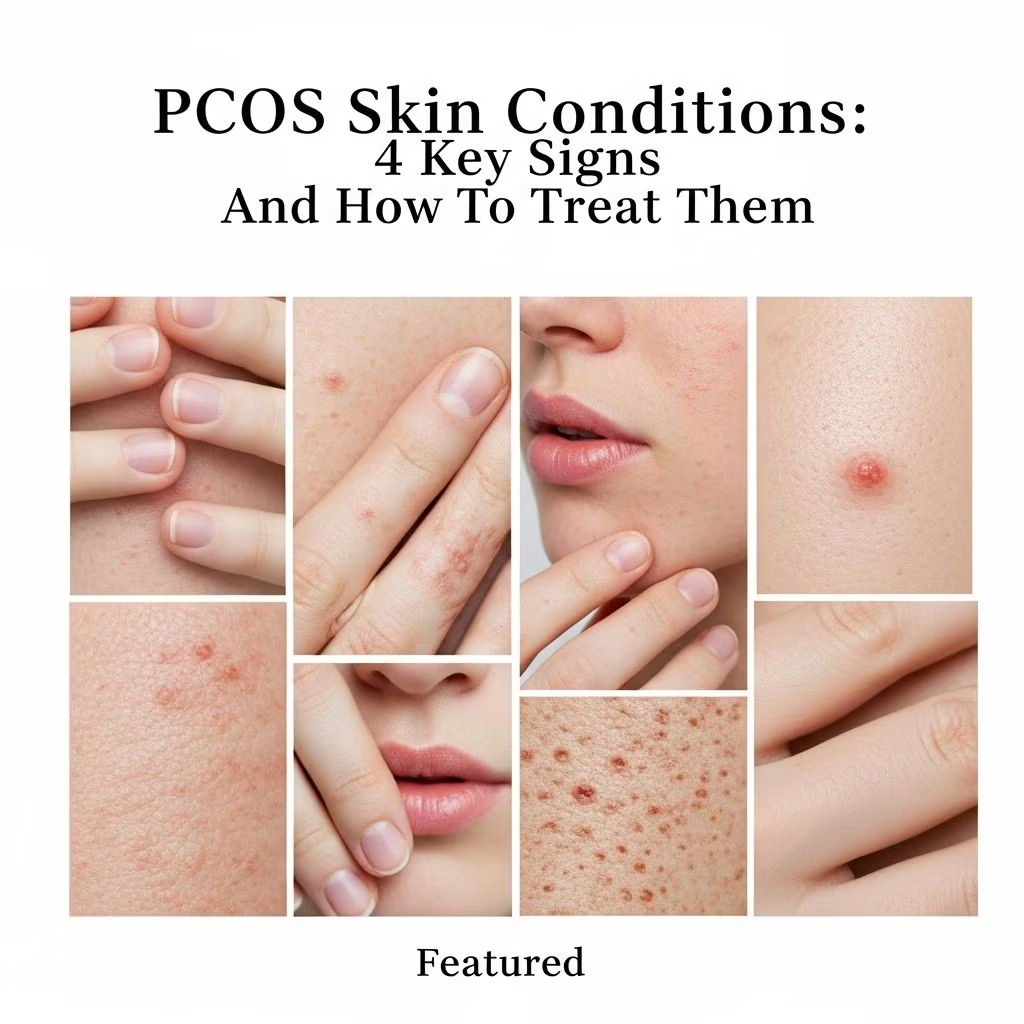
The most common skin disorders linked to PCOS include acne, hirsutism, hair loss or thinning, and acanthosis nigricans. Each presents distinct diagnostic and management challenges.
Acne
- Appears as large, deep, and cystic lesions, especially along the jawline, chin, and neck
- Is triggered and worsened by hormonal fluctuations, notably before or during menstruation
- Persists beyond teenage years and can be particularly resistant to standard acne treatments
The heightened levels of androgens stimulate sebaceous gland activity and slow skin turnover, increasing oil and clogging pores, resulting in breakouts.
| Feature | PCOS Acne | Typical Adolescent Acne |
|---|---|---|
| Location | Jawline, chin, neck | Forehead, cheeks, nose |
| Type | Cystic, nodular, inflammatory | Papular, pustular, comedonal |
| Response to Treatment | Often resistant | Usually responsive |
First-line topical treatments such as retinoids and benzoyl peroxide may be insufficient; prescription-strength therapies and hormone regulation are often necessary.
Hirsutism
Hirsutism refers to excessive growth of thick, dark hair in areas where women normally have minimal hair, such as:
- Face (upper lip, chin, cheeks)
- Chest
- Back
- Abdomen
Up to 70% of women with PCOS experience hirsutism, directly related to elevated androgens. The emotional and social impact can be substantial. While shaving, waxing, or depilatory creams offer temporary relief, longer-term solutions include intense pulsed light (IPL) and laser therapies.
Hair Loss and Thinning
Hair thinning in PCOS usually follows a male-pattern distribution—along the top and front of the scalp (androgenic alopecia). Androgen excess not only stimulates unwanted hair growth elsewhere but paradoxically compromises scalp hair follicle health. Women may notice widening hair parts, receding hairlines, or overall reduced volume.
- Thinning typically affects scalp and crown regions
- Associated with increased shedding and brittle texture
Therapeutic strategies range from topical minoxidil to oral agents and procedural options like platelet-rich plasma injections.
Acanthosis Nigricans
Acanthosis nigricans features velvety, hyperpigmented, thickened patches, mostly in regions where skin folds—neck, armpits, groin, inner thighs. It is most often associated with increased insulin levels and resistance, commonly observed in women with PCOS.
- Patches may feel rough or look “dirty”
- Improvement typically coincides with better insulin management
- May require biopsy to confirm etiology if diagnosis is unclear
Other Skin Changes Associated with PCOS
While less common, some women with PCOS also report:
- Skin tags: Small, soft, benign growths linked to insulin resistance
- Dry, dull complexion: May result from hormonal imbalance or medication side effects
- Changes in skin texture: Increased oiliness, comedone formation, or sensitivity
The constellation of symptoms underscores the systemic nature of PCOS and its influence on skin homeostasis.
Diagnosis and Assessment of PCOS-Related Skin Conditions
Diagnosis begins with a clinical evaluation, targeted history (menstrual irregularities, weight changes, family history), and physical examination of skin and hair. Key diagnostic tools may include:
- Hormonal blood tests: testosterone, DHEA, LH, FSH
- Evaluation of insulin sensitivity
- Ultrasound for ovarian morphology
- Dermatological assessments: photography, dermoscopy, possibly biopsy (e.g., for acanthosis nigricans)
- Standardized scoring for hirsutism (Ferriman-Gallwey score)
It is critical to differentiate PCOS-related skin findings from other potential causes such as thyroid dysfunction or adrenal disorders.
Treatment Strategies for PCOS-Related Skin Disorders
No single treatment addresses all PCOS manifestations. A combination of medical therapy, local dermatological interventions, and lifestyle changes yields best outcomes.
Hormonal Therapies
- Oral Contraceptives: Regulate cycles and reduce androgen levels, helping both acne and hirsutism.
- Spironolactone: Blocks androgen effects on skin, reducing acne and excessive hair growth.
- Finasteride/Dutasteride: Also androgen receptor blockers, sometimes used for severe cases.
Insulin Sensitivity Improvement
- Metformin: Commonly prescribed to reduce insulin resistance, positively influencing acanthosis nigricans and hirsutism.
- Weight Management: Losing weight can decrease androgen levels and dramatically improve skin symptoms.
Local Dermatological Treatments
- Prescription Retinoids (oral and topical): For resistant acne.
- Benzoyl Peroxide and Antibiotics: As adjuncts for moderate inflammatory acne.
- Eflornithine Creams: Specifically target unwanted facial hair growth; results in 6-8 weeks.
- Laser Hair and IPL Therapy: Long-term management for hirsutism, pigmentation issues.
- Minoxidil: Stimulates hair regrowth for scalp thinning, topical or oral use.
- Platelet-Rich Plasma (PRP) and Low-Level Laser Therapy: Used in select cases of hair loss.
| Condition | Main Treatments |
|---|---|
| Acne | Hormonal therapy, retinoids, antibiotics, benzoyl peroxide |
| Hirsutism | Hormonal therapy, eflornithine, IPL/laser hair removal |
| Hair Loss | Minoxidil, PRP, hormonal therapy |
| Acanthosis Nigricans | Insulin-lowering medications, laser therapy, weight management |
Lifestyle Interventions
- Nutritious, balanced diet to improve insulin sensitivity
- Regular physical activity
- Stress reduction techniques
A comprehensive treatment plan tailored by both endocrinologist and dermatologist often yields the best cosmetic and medical results.
Dermatologist-Recommended Skincare Routine for PCOS
- Use gentle cleansers to avoid aggravating sensitive acne-prone or hormonally imbalanced skin
- Opt for non-comedogenic moisturizers to help retain hydration without clogging pores
- Apply sunscreen daily, especially on areas affected by pigmentation changes or undergoing laser treatments
- Consider prescription creams or serums for targeted issues (acne, hirsutism, pigmentation)
- Consult with a dermatologist for personalized treatment plans and product suggestions; avoid harsh or irritating over-the-counter regimens especially without medical guidance
Consistency and patience are crucial—most skin benefits from PCOS therapies are seen after several months of routine management and follow-up.
Frequently Asked Questions (FAQs)
Q: Can PCOS skin symptoms be completely cured?
A: While there is no cure for PCOS, most skin symptoms—acne, hirsutism, hair thinning, and pigmentation changes—can be significantly managed and improved with medical and dermatological treatments.
Q: How long does it take for treatments to work?
A: Topical and hormonal treatments usually need several months for optimal results; consistency and medical supervision are key.
Q: What should I avoid in my skincare if I have PCOS?
A: Avoid harsh scrubs, overuse of OTC retinoids, and heavily fragranced products. Always consult a dermatologist for product recommendations.
Q: Does treating the underlying PCOS improve skin symptoms?
A: Yes. Managing PCOS with hormonal regulation, weight loss, and insulin control reduces the severity of skin symptoms.
Q: Can men have PCOS-related skin conditions?
A: PCOS is a condition unique to women due to ovarian involvement but some skin findings—like androgenic acne or hair thinning—may also appear with hormonal imbalances in men (from other causes).
Key Takeaways
- PCOS affects skin health through hormone and metabolic disruption, causing acne, hirsutism, hair loss, and pigmentation changes.
- Individualized medical and skincare approaches are essential for effective symptom management.
- Early interdisciplinary intervention involving endocrinologists and dermatologists improves physical and psychological well-being for women with PCOS.
References
- https://www.usdermatologypartners.com/blog/understanding-and-managing-pcos-related-skin-symptoms/
- https://www.orlandodermatologycenter.com/post/3-ways-pcos-can-affect-your-skin-and-how-we-can-help
- https://health.clevelandclinic.org/pcos-acne
- https://my.clevelandclinic.org/health/diseases/8316-polycystic-ovary-syndrome-pcos
- https://www.mayoclinic.org/diseases-conditions/pcos/diagnosis-treatment/drc-20353443
- https://www.healthline.com/health/pcos-acne
- https://www.nhs.uk/conditions/polycystic-ovary-syndrome-pcos/
- https://www.nichd.nih.gov/health/topics/pcos/conditioninfo/treatments


