


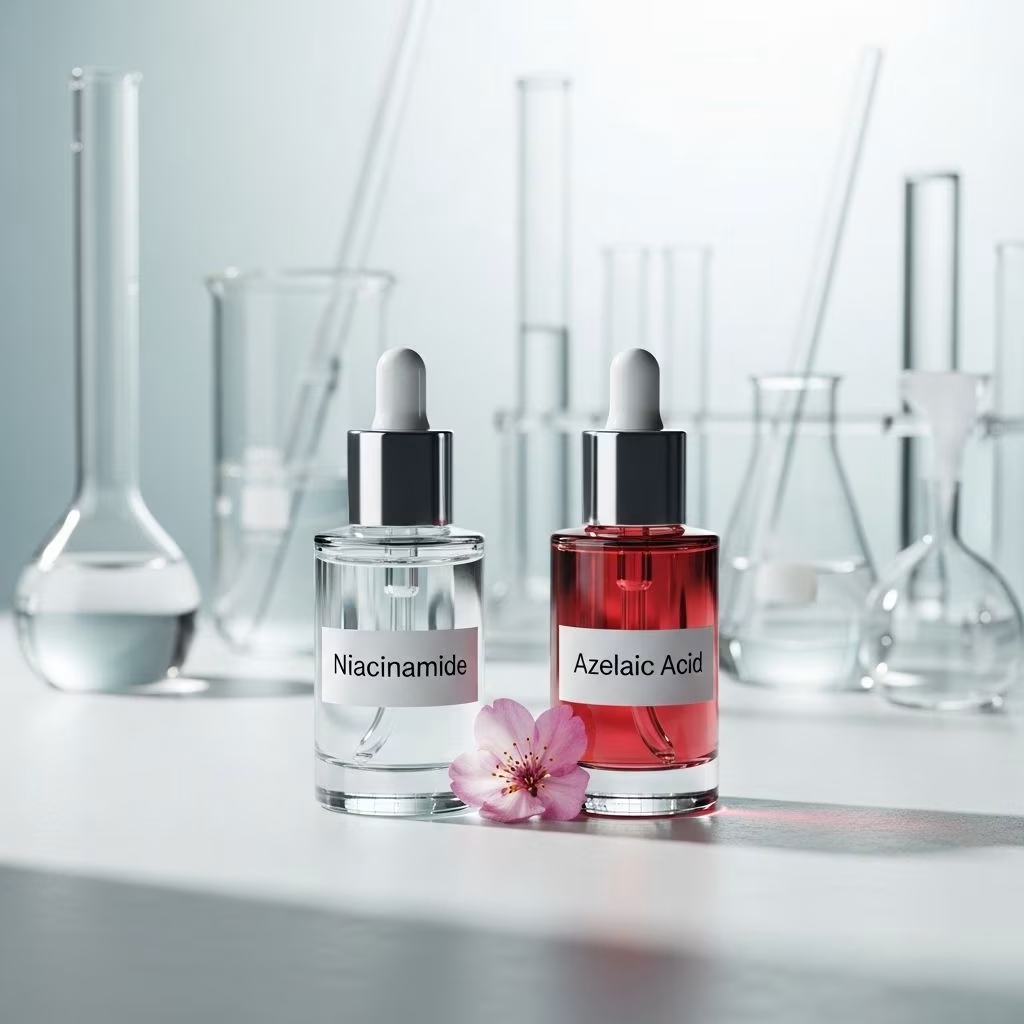
Niacinamide vs. Azelaic Acid for PIH Efficacy
Post-inflammatory hyperpigmentation (PIH) is a challenging skin concern that emerges after inflammatory conditions such as acne, eczema, or injury. Two of the most researched and recommended topical ingredients for the management of PIH are niacinamide and azelaic acid. This article presents an in-depth comparative analysis of these ingredients, exploring mechanisms, clinical results, side effects, and the potential for combination therapies to achieve optimal outcomes in PIH management.
Understanding Post-Inflammatory Hyperpigmentation
Post-inflammatory hyperpigmentation (PIH) refers to areas of increased pigmentation that arise following skin inflammation or injury. Common causes include acne, eczema, burns, and cosmetic procedures. PIH is characterized by flat, brown patches and affects individuals of all skin types but is most prevalent and persistent in those with darker complexions. Effective treatment requires non-irritating, pigment-regulating ingredients with proven efficacy and minimal adverse effects.
Niacinamide: Overview, Mechanisms, and Benefits
What Is Niacinamide?
Niacinamide (vitamin B3) is a water-soluble vitamin acclaimed for its versatility in skin care. It plays a role in energy metabolism, cell repair, and maintaining moisture levels. Topical niacinamide is most commonly offered in serums and lotions at concentrations ranging from 2% to 10%.
Mechanisms of Action
- Inhibits melanosome transfer: Niacinamide reduces the movement of melanin-laden melanosomes from melanocytes to keratinocytes, thereby lightening areas of excess pigmentation.
- Anti-inflammatory: Niacinamide calms inflammatory processes, reducing skin redness and subsequent hyperpigmentation.
- Skin barrier enhancement: Improves ceramide levels and hydration in the epidermis, optimizing skin function and resilience.
- Sebum regulation: Reduces oiliness, indirectly aiding in acne management.
Clinical Benefits in PIH
- Brightens uneven skin tone and improves PIH, especially mild forms.
- Effective for gentle, gradual reduction in pigment production.
- Minimizes irritation and risk of further darkening, making it ideal for sensitive skin.
- Supports barrier repair, reducing the risk of PIH recurrence.
Common Uses
- Mild to moderate hyperpigmentation.
- General skin brightening and texture improvement.
- Supportive care in acne-prone and sensitive skin types.
Azelaic Acid: Overview, Mechanisms, and Benefits
What Is Azelaic Acid?
Azelaic acid is a dicarboxylic acid derived from grains such as wheat, rye, and barley. Used topically as cream or gel (usually 10-20% concentration), it possesses multiple pharmacological properties targeting pigmentation and acne.
Mechanisms of Action
- Tyrosinase inhibition: Azelaic acid suppresses the enzyme tyrosinase, directly decreasing melanin production and melanocyte proliferation.
- Anti-inflammatory: Reduces neutrophil and cytokine activity, lowering redness and swelling.
- Antibacterial effects: Inhibits growth of Propionibacterium acnes, making it highly effective for acne-associated PIH.
- Keratin regulation: Promotes gentle exfoliation, clearing clogged pores and preventing both acne and pigmented spots.
Clinical Benefits in PIH
- Strong pigment-fading action, useful for darker, stubborn PIH and melasma.
- Effective in moderate to severe hyperpigmentation concerns.
- Excellent adjunct for acne and rosacea management.
- Some users may experience mild irritation, especially at higher concentrations.
Common Uses
- Moderate to severe PIH, melasma, and acne scars.
- Rosacea control and reduction of redness.
- Adjunct for combination therapies in resistant cases.
Clinical Efficacy: Evidence and Case Studies
Scientific Research and Case Studies
| Ingredient | Setting | Results in PIH | Comments |
|---|---|---|---|
| Azelaic Acid (20%) | Monotherapy (10 weeks) | 50% improvement in PIH; 70% reduction in acne lesions | Well tolerated, moderate irritation at start |
| Azelaic Acid (15%) + Doxycycline | Combination (6 months) | 60% PIH improvement; 75% fewer acne lesions | Significant glow, texture improvement |
| Azelaic Acid + Fractional Laser | Combination (multiple sessions) | 60% PIH reduction | Marked scar improvement with minimal discomfort |
| Niacinamide (5%) + Azelaic Acid (20%) | Combination (16 weeks) | 85% improvement in PIH; 75% reduction in acne lesions | Highly effective, well tolerated, minimal side effects |
| Niacinamide (various %) + Salicylic Acid, Benzoyl Peroxide, Hyaluronic Acid, Vitamin C | Various combinations (10-16 weeks) | 50-85% improvement in PIH | Enhanced results and barrier support |
Comparative Summary
- Azelaic acid demonstrates substantial PIH reduction in moderate to severe cases, especially in combination with other active ingredients or procedures.
- Niacinamide excels in mild to moderate PIH and generally boosts skin barrier recovery, improving tolerance and reducing the risk of further pigmentation or irritation.
- Combination therapies (niacinamide + azelaic acid) yield the highest efficacy rates, with improvements up to 85% in PIH reduction, indicating synergistic mechanisms and improved safety profiles.
Guidelines Based on Severity
- Mild PIH & general brightening: Start with niacinamide.
- Stubborn or deep PIH/melasma: Begin with azelaic acid; intensify with combination therapies for resistant cases.
Safety and Side Effects
Niacinamide
- Extremely low irritation profile; well tolerated by all skin types including sensitive, reactive, and ethnic skin.
- Rarely causes redness, peeling, or burning sensation even at higher concentrations.
- Safe for prolonged, daily use; suitable for use with most active ingredients.
Azelaic Acid
- Usually well tolerated; irritation most common at higher concentrations or with initial use.
- Potential side effects: mild stinging, dryness, pruritus (itching), redness—these usually subside with regular use.
- Risk reduction: Begin with lower concentrations, increase gradually, and combine with barrier support ingredients (e.g., niacinamide or hyaluronic acid).
Combination Approaches
When targeting persistent or widespread PIH, combining niacinamide with azelaic acid and other barrier-enhancing ingredients can substantially amplify treatment outcomes. Research indicates that this approach maximizes pigment suppression while minimizing irritation, especially in sensitive or ethnic skin.
- Niacinamide + Azelaic acid: Maximizes anti-inflammatory and pigment-blocking effects, broadens efficacy for both acne and PIH, and enhances skin tolerance.
- Combination with vitamin C, hyaluronic acid, and tranexamic acid can further intensify results—with tranexamic acid offering rapid pigment reduction and vitamin C boosting antioxidant defense.
- For acne-prone or oily skin, niacinamide + salicylic acid or benzoyl peroxide may be preferred, with azelaic acid included as tolerated.
Best Practices
- Introduce one new active ingredient at a time to avoid irritation.
- Start with lower concentrations (e.g., azelaic acid 10% and niacinamide 5%), and increase as skin tolerates.
- Apply niacinamide and azelaic acid in the same routine or alternating days as recommended by a dermatologist.
- Always use broad-spectrum sunscreen daily to prevent further PIH formation.
Frequently Asked Questions (FAQs)
Q: Can azelaic acid and niacinamide be used together for PIH?
A: Yes, combining azelaic acid and niacinamide is supported by clinical cases and studies showing enhanced PIH reduction, lower irritation, and improved overall skin texture.
Q: Which ingredient is preferred for deep, stubborn PIH?
A: Azelaic acid typically works best for stubborn or deeper pigmentation (including melasma), whereas niacinamide excels at early-stage PIH and general brightening.
Q: How long does it take to see results from treatment?
A: Noticeable improvement in PIH is generally seen within 8–16 weeks of consistent use, with combination approaches yielding results closer to the 12-week mark.
Q: What concentration of niacinamide and azelaic acid is best?
- Niacinamide: 5–10% serum for daily use.
- Azelaic acid: 10–20% cream or gel, starting lower and escalating as tolerated.
Q: Are there any skin types that should avoid these ingredients?
A: Both ingredients are suitable for most skin types. Individuals with extreme sensitivity should patch test, introduce actives slowly, and consult with a dermatologist if adverse reactions occur.
Conclusion
Niacinamide and azelaic acid stand as two of the most effective topical agents for managing post-inflammatory hyperpigmentation. While azelaic acid offers robust results for deeper, stubborn pigment and active acne, niacinamide provides gentle, broad-spectrum barrier support and pigment inhibition ideal for early-stage PIH and sensitive skin. The most substantial clinical improvements occur when these ingredients are used in combination or alongside other targeted actives. Treatment should be tailored to individual severity, skin type, and tolerance, always accompanied by daily sunscreen for optimal and sustained results.
References
- https://cosmoderma.org/clinical-approaches-in-vogue-for-combination-therapies-for-acne-and-post-inflammatory-hyperpigmentation-a-comprehensive-review/
- https://pmc.ncbi.nlm.nih.gov/articles/PMC10199364/
- https://www.clinikally.com/blogs/news/azelaic-acid-vs-niacinamide-the-ultimate-face-off-for-your-best-skin-yet
- https://foundationskincare.com/blogs/articles/niacinamide-lotion-vs-azelaic-acid-cream-benefits-and-which-is-right-for-you
- https://naturalimageskincenter.com/post-inflammatory-erythema-vs-post-inflammatory-hyperpigmentation/
- https://www.thepinkfoundry.com/blogs/news/azelaic-acid-and-niacinamide
- https://www.learnskin.com/articles/ingredients-to-treat-post-inflammatory-hyperpigmentation-in-acne/


