


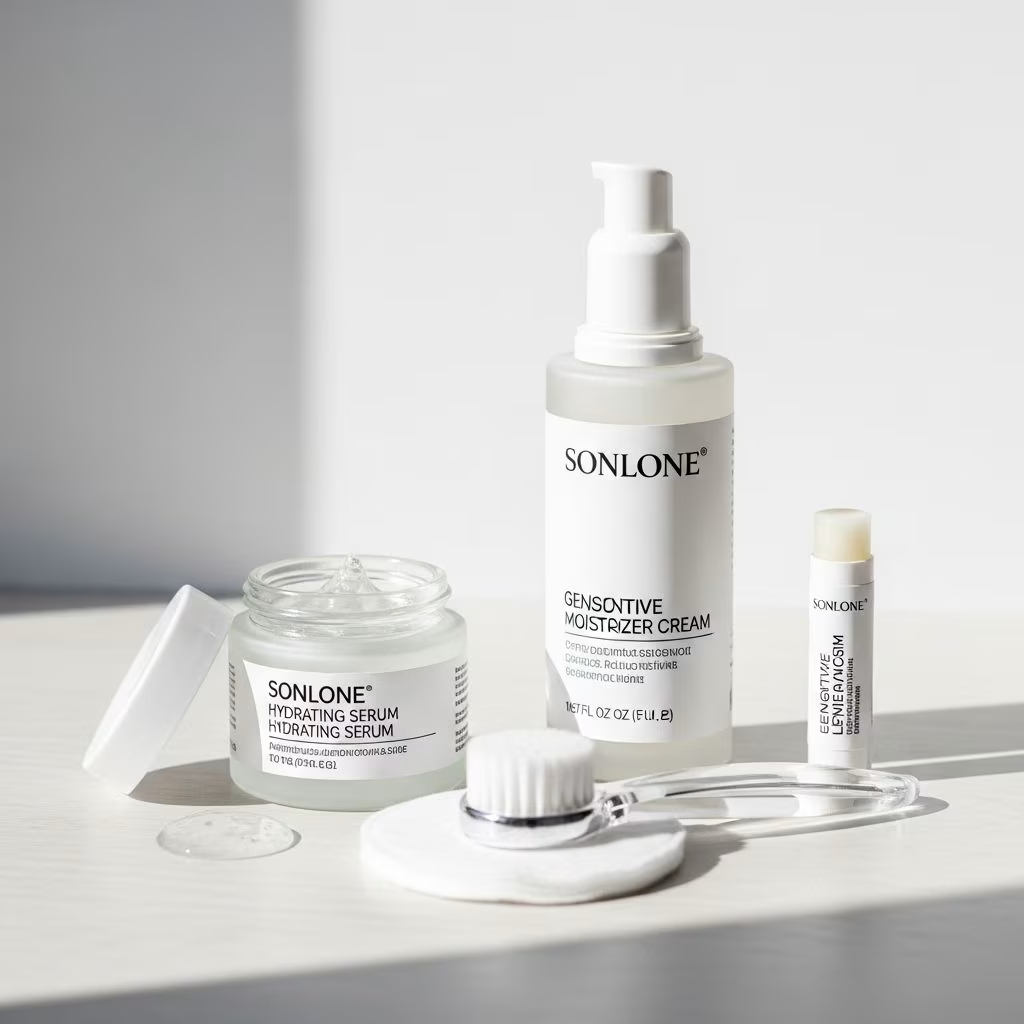
Introduction to Isotretinoin
Isotretinoin, commonly known by its brand name Accutane or Roaccutane, is a powerful medication used to treat severe cases of acne. It works by reducing the size of the sebaceous glands, which in turn reduces oil production and helps clear acne lesions. However, isotretinoin can have significant side effects on the skin, including dryness, sensitivity, and increased sun sensitivity. It is crucial to adopt a gentle and protective skincare routine while undergoing isotretinoin treatment.
Understanding Isotretinoin’s Impact on Skin
Isotretinoin’s mechanism of action involves altering the skin’s natural barrier function, leading to increased dryness and sensitivity. This means that the skin is more prone to irritation and requires careful management to prevent excessive dryness and irritation.
Common Side Effects:
- Dry Skin: A common side effect that can lead to flakiness and irritation if not managed properly.
- Increased Sensitivity: The skin may become more sensitive to the sun, wind, and other environmental factors.
- Lip Dryness: Dry, cracked lips are a frequent complaint among isotretinoin users.
Skincare Routine While on Isotretinoin
During isotretinoin treatment, it’s essential to maintain a simple yet effective skincare routine that focuses on hydration and protection. Avoid using harsh or exfoliating products that can exacerbate side effects.
Gentle Cleanser
Choose a mild, minimally-foaming cleanser that won’t strip your skin of its natural oils. Look for cleansers that are free from added fragrances and denatured alcohol to minimize irritation.
Hydrating Moisturizer
Use a rich, hydrating moisturizer to lock in moisture and protect the skin barrier. Products like Cetaphil Cream and LRP Toleriane Double Repair are recommended for their gentle, non-comedogenic properties.
Sunscreen
Apply a broad-spectrum sunscreen with a high SPF (at least 50) daily. Look for products that are anti-shine, oil-free, and non-comedogenic to prevent clogged pores.
Lip Care
Regular use of a thick, long-lasting lip balm without fragrances or artificial flavors is crucial. Look for products like Cicaplast Lips for effective lip care.
Products to Avoid
While on isotretinoin, it’s important to avoid using other vitamin A or retinol products, chemical peels, or physical exfoliants, as these can enhance photo sensitivity and irritation.
Prohibited Procedures
Refrain from procedures like waxing, ear piercing, or chemical peels, as they can cause further irritation and potential scarring.
Skincare Routine After Completing Isotretinoin
After finishing isotretinoin treatment, allow your skin time to recover. Initially, continue with a gentle routine, and gradually introduce active ingredients if necessary.
Recommendations:
- Gentle Cleanser: Use a non-comedogenic, pH-balanced cleanser that can be gentle on recovering skin.
- Moisturizer: Stick to a hydrating gel or lotion-based moisturizer to maintain skin hydration.
- Active Ingredients: Gradually reintroduce active ingredients like salicylic acid or benzoyl peroxide if needed, under the guidance of a dermatologist.
- Retinoid Treatments: Consider retinoid-based treatments twice weekly for problematic areas, as prescribed by your doctor.
Implementing a Personalized Skincare Plan
Consult with a dermatologist to tailor your skincare routine according to your skin type and needs. They can help adjust product choices and dosing strategies to minimize side effects while maximizing the efficacy of isotretinoin treatment.
Frequently Asked Questions (FAQs)
Q: How long does it take for skin dryness to improve after stopping isotretinoin?
A: Skin dryness, redness, and sensitivity should start to improve soon after stopping isotretinoin.
Q: Can I use other skincare products while on isotretinoin?
A: It’s generally advised to keep skincare routines simple and avoid using other retinoids, exfoliants, or irritating products.
Q: How do I manage dry lips while on isotretinoin?
A: Use a thick, long-lasting lip balm without fragrances or artificial flavors to manage dry lips effectively.
Conclusion
Managing skincare during isotretinoin treatment requires a gentle, hydrating approach to minimize side effects while maintaining effective acne treatment. By choosing the right products and avoiding irritating practices, you can support your skin’s health throughout the treatment period.
References
- https://apothecarygroup.com/the-essential-guide-to-skincare-while-taking-isotretinoin/
- https://www.ruh.nhs.uk/patients/patient_information/DER016_Advice_following_Isotretinoin_treatment.pdf
- https://www.laroche-posay.co.uk/en_GB/skincare-while-using-acne-medications.html
- https://curology.com/blog/how-to-take-care-of-your-skin-while-using-accutane/
- https://www.midlandskin.co.uk/conditions/isotretinoin/
- https://clearstem.com/blogs/skin-care-learning-center/accutane-skincare-routine-tips
- https://www.aad.org/diseases/acne/isotretinoin-patient-safety


