


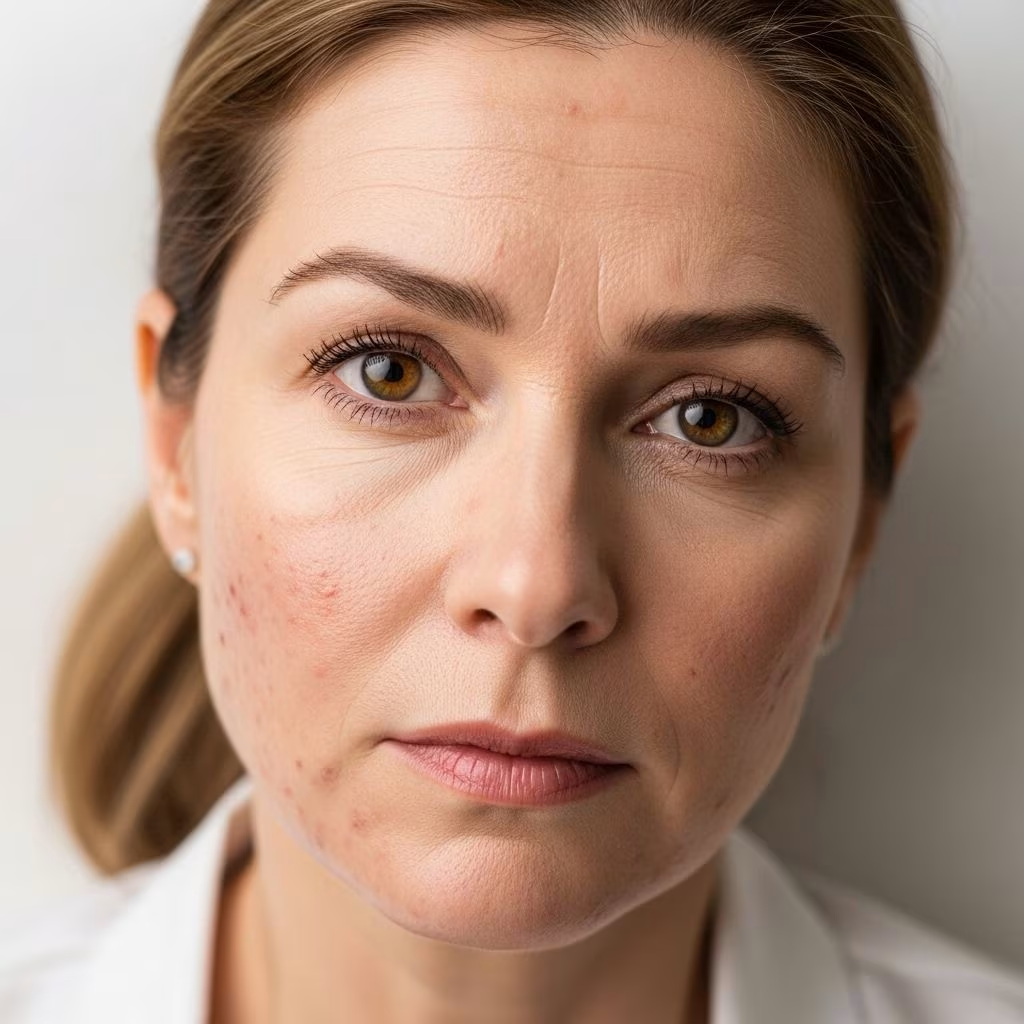
- Understanding Acne on Mature Skin
- Causes of Acne on Mature Skin
- Treatment Options for Acne on Mature Skin
- Anti-Aging Solutions for Acne-Prone Skin
- Frequently Asked Questions
Understanding Acne on Mature Skin
Acne is often associated with adolescence, but it can persist or even first appear in adulthood. Adult-onset acne is common, especially among women, and can be influenced by various factors such as hormonal changes, stress, and lifestyle habits.
Acne on mature skin presents unique challenges due to the combination of acne and aging concerns. While acne causes breakouts, aging skin can lead to wrinkles, fine lines, and loss of skin elasticity. Effective management requires addressing both these issues.
Causes of Acne on Mature Skin
The primary causes of acne include excess oil production, clogged pores due to “sticky” skin cells, bacteria (notably *Propionibacterium acnes*), and inflammation. Additional factors such as hormonal imbalances, certain medications, dietary choices, and environmental exposures can exacerbate acne.
- Hormonal Imbalances: Changes in hormone levels, such as those experienced during pregnancy or menopause, can lead to increased sebum production and acne.
- Medications: Certain drugs like corticosteroids, anabolic steroids, and lithium can induce acne.
- Lifestyle Factors: Stress, smoking, and poor diet have been linked to acne.
- Genetic Predisposition: Family history can play a role in acne susceptibility.
Treatment Options for Acne on Mature Skin
Treating acne on mature skin involves a combination of topical treatments, oral medications, and lifestyle adjustments. It is crucial to choose treatments that not only address acne but are also gentle on aging skin.
- Topical Treatments: Benzoyl peroxide and retinoids are commonly used for their effectiveness in reducing acne and promoting skin renewal.
- Oral Medications: Antibiotics may be prescribed to reduce bacterial growth and inflammation.
- Hormonal Treatments: Birth control pills or spironolactone can help manage hormonal acne.
- Lifestyle Changes: Maintaining a healthy diet, managing stress, and avoiding harsh skincare products can support acne management.
Light Therapy and Chemical Peels
In-office procedures like light therapy and chemical peels can offer additional benefits by reducing inflammation, bacteria, and hyperpigmentation.
Anti-Aging Solutions for Acne-Prone Skin
Anti-aging treatments for acne-prone skin should focus on gentle yet effective methods to address both concerns.
- Retinoids: Excellent for promoting cell turnover and reducing fine lines without irritating the skin.
- Salicylic Acid and Glycolic Acid Peels: Help exfoliate the skin, unclog pores, and improve skin texture without causing irritation.
- Moisturizers with Hyaluronic Acid: Hydrate the skin without clogging pores, which is essential for mature skin that may be prone to dryness.
Frequently Asked Questions
Q: What is the most common cause of acne in adults?
A: The most common causes include hormonal fluctuations, stress, and lifestyle factors such as diet and smoking.
Q: Can acne on mature skin be treated with over-the-counter products?
A: Yes, many over-the-counter treatments such as benzoyl peroxide and salicylic acid can be effective for mild to moderate acne.
Q: How do I prevent acne on mature skin while using anti-aging treatments?
A: Use gentle, non-comedogenic products and avoid excessive exfoliation that can irritate the skin.
References
- https://www.health.harvard.edu/blog/adult-acne-understanding-underlying-causes-and-banishing-breakouts-2019092117816
- https://pmc.ncbi.nlm.nih.gov/articles/PMC6360964/
- https://www.tuftsmedicine.org/about-us/news/adult-acne-age-30
- https://my.clevelandclinic.org/health/diseases/21792-hormonal-acne
- https://www.aad.org/public/diseases/acne/diy/adult-acne-treatment
- https://darabidermatology.com/lets-talk-about-adult-acne-causes-treatments-and-what-actually-works/
- https://my.clevelandclinic.org/health/diseases/12233-acne
- https://www.paulaschoice.com/expert-advice/skincare-advice/acne-and-breakouts/acne-and-aging-skin.html


