


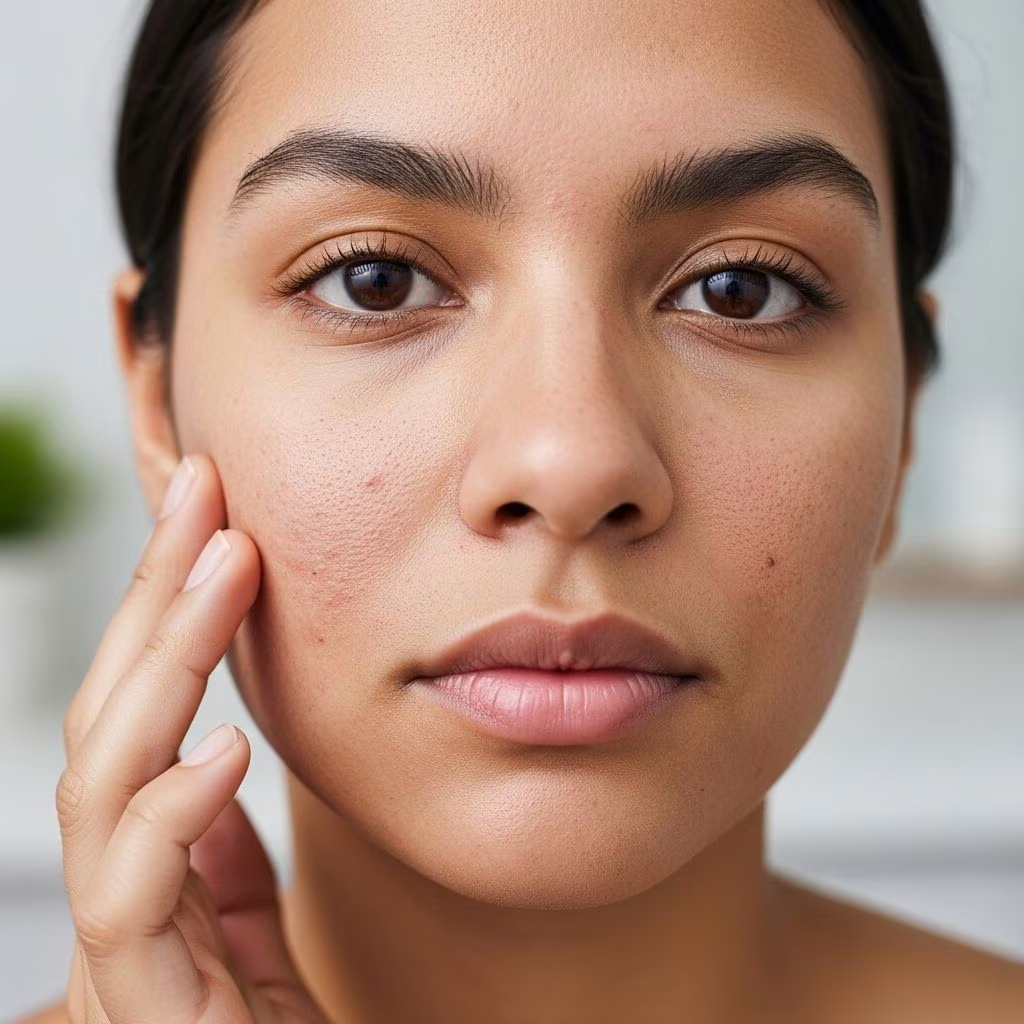
Skin Purging Every Time? Troubleshooting Common Pitfalls and Solutions
If you’re experiencing repeated skin purging with nearly every new skincare product or routine adjustment, you’re not alone. Many individuals, from skincare novices to enthusiasts, encounter cycles of breakouts, irritation, and confusion when striving for clear, healthy skin. This guide provides an in-depth look at skin purging—what it is, why it happens chronically, how to differentiate it from typical breakouts, and actionable strategies for troubleshooting and prevention.
What is Skin Purging?
Skin purging refers to an accelerated skin renewal process triggered by active ingredients in skincare products, such as retinol, alpha and beta hydroxy acids (AHAs/BHAs), and exfoliants. These ingredients increase cell turnover, causing “debris”—including dead skin cells, oil, and clogged pores—to surface at a faster rate. This leads to a temporary flare-up of blemishes and imperfections, often resembling acne or breakouts.
Purging is generally a sign that a product is working as intended to promote faster skin shedding and renewal.
- Active ingredients involved: Retinoids, salicylic acid, glycolic acid, lactic acid, vitamin C, and other chemical exfoliants.
- Typical presentation: Sudden appearance of whiteheads, blackheads, papules (small bumps), pustules, and microcomedones (early acne lesions).
Skin Purging vs. Breakouts: Key Differences
| Feature | Skin Purging | Breakout / Acne |
|---|---|---|
| Cause | Active ingredients speeding up cell turnover; pushing out pre-existing blockages | Hormones, stress, diet, comedogenic ingredients, allergic reactions, poor hygiene |
| Onset | Shortly after starting a new exfoliant or active skincare product | Variable; can happen at any time due to unrelated triggers |
| Location | Areas where you usually break out | Can occur anywhere—including new areas |
| Duration | 4–6 weeks (typically less than regular acne) | May persist longer or recur in waves |
| Outcome | Usually leads to clearer, smoother skin after initial flare | May not improve unless the trigger is removed |
Recognizing these distinctions helps in determining if your reaction is a normal purge, a sign of product unsuitability, or a classic breakout.
Why Does Skin Purging Happen?
The underlying mechanism of skin purging is accelerated skin cell turnover. Ingredients that promote exfoliation and regeneration cause the skin to shed dead cells and push out internal congestion more rapidly, exposing new, healthy skin cells. Before improvement is visible, this acceleration often manifests as increased breakouts.
- Cell turnover cycle: The skin’s natural renewal process (usually 28–40 days) is shortened, resulting in rapid exposure of pre-existing microcomedones and blockages.
- Impurities: Debris and oils emerge from deeper layers, appearing as pimples, whiteheads, or blackheads.
- Healing phase: Once impurities are expelled and skin adapts, clearer and more radiant skin should follow.
Common Triggers of Persistent Skin Purging
Repeated skin purging with each new product can occur for several reasons. Understanding these triggers helps pinpoint why your skin is stuck in a purging loop:
- Frequent product changes: Switching between multiple new active ingredients or routines without allowing adjustment time can constantly “reset” the skin’s renewal process, causing repeated purges.
- High-potency exfoliants: Overuse or high concentrations of chemical exfoliants may overstimulate the skin, keeping it in a perpetual purging state instead of letting it recover.
- Layering too many actives: Using several products with ingredients like retinoids, AHAs, BHAs, or vitamin C increases risk for ongoing irritation.
- Underlying skin conditions: Issues such as chronic acne, rosacea, or sensitivity may exaggerate purging or turn an otherwise short process into an ongoing struggle.
- Incompatible formulations: Comedogenic (pore-clogging) bases or harsh ingredients may worsen breakouts instead of facilitating clean purging.
- Lack of moisturization: Overly drying routines compromise the skin barrier, aggravating sensitivity and prolonging purging.
Symptoms and Duration of Purging
Skin purging often resembles classic acne but has unique characteristics:
- Clusters of whiteheads, blackheads, or pimples on regular breakout zones (forehead, chin, nose)
- Dryness, peeling, and tenderness
- Usually appears 2–4 days to a week after starting a new product
- Typically resolves in 4–6 weeks as impurities clear and new skin emerges
If purging continues beyond 6 weeks or spreads to areas you don’t normally break out, a deeper issue may be present.
Troubleshooting Repeat Purging
Persistent purging is not only frustrating but can hinder long-term skin improvement. Here’s a systematic troubleshooting approach to address chronic purging:
- Assess Product Ingredients:
Identify all active ingredients and their concentrations. Minimize overlap and redundancy. Only one active exfoliant at a time is usually sufficient. - Review Usage Frequency:
Using actives daily may be too harsh. Try reducing to 2–3 times a week and monitor response. - Patch Testing:
Introduce new products via patch test—apply to a small area first to gauge sensitivity and reaction. - Gradual Introduction:
Introduce new actives slowly, spacing out additions by 2–4 weeks. - Strengthen Skin Barrier:
Incorporate hydrating serums, ceramides, and gentle moisturizers to support the skin barrier during purging. - Monitor Patterns:
Keep a skincare journal to identify triggers, improvements, or setbacks related to specific products or routines. - Discontinue Harsh Products:
If purging persists excessively, stop using high-strength exfoliants or switch to milder alternatives. - Consult a Dermatologist:
For chronic, painful, or spreading breakouts, seek professional advice to rule out allergic reactions, hormonal acne, or other skin conditions.
Prevention and Care Strategies
Preventing repeat purging requires careful routine management, ingredient awareness, and patient monitoring:
- Start one new product at a time, ideally in the evening when skin repairs itself.
- Choose formulations labeled “non-comedogenic” to minimize clogged pores.
- Use gentle cleansers and avoid overwashing—harsh soaps worsen irritation.
- Moisturize consistently; barrier-supporting creams help reduce dryness and redness.
- Apply sunscreen daily to protect sensitive, purging skin from UV damage and hyperpigmentation.
- Avoid picking or squeezing blemishes, as this increases inflammation and potential for scarring.
- Maintain realistic expectations—purging is temporary and part of the skin’s renewal process.
Sample Balanced Skincare Routine During Purging
- Morning:
- Gentle, hydrating cleanser
- Alcohol-free toner (optional)
- Lightweight, non-comedogenic moisturizer
- Broad-spectrum sunscreen (SPF 30+)
- Evening:
- Oil-free or gentle cleanser
- Targeted treatment with active ingredient (retinol/BHA/AHA—on alternate nights only)
- Hydrating serum or essence
- Barrier-repair moisturizer
Monitor for signs of excessive dryness, redness, or pain; if present, scale back actives and prioritize soothing products.
Expert Advice When Purging Won’t Quit
Board-certified dermatologists and skincare experts recommend the following for chronic purging issues:
- Implement a “reset period:” Stop all actives and use only gentle, barrier-supporting products for two weeks before restarting one active at a time.
- Use prescription-strength alternatives only under medical supervision—these may require specific strategies for adaptation.
- Look out for signs of true allergic reaction, such as intense itching, burning, swelling, or hives; discontinue and consult a doctor immediately.
- For hormonal or stress-triggered breakouts, additional lifestyle factors (diet, stress management, sleep) may also be key to resolution.
If you’re unsure about the source, duration, or severity of skin changes, professional evaluation offers peace of mind and tailored solutions.
Frequently Asked Questions (FAQs)
Q: How long does skin purging typically last?
A: Most purging experiences resolve within four to six weeks, coinciding with the skin’s renewal cycle. If it persists beyond this window, reassess your routine.
Q: Can I speed up the purging process?
A: Avoid increasing product application, which may worsen irritation. Gentle care, hydration, and sunscreen are the best accelerators for safe recovery.
Q: What’s the fastest way to tell if I’m purging or breaking out?
A: If blemishes appear soon after introducing a new, active product and in frequent breakout zones, it’s likely purging. If you haven’t added any new products, it’s probably a breakout due to other causes.
Q: Is skin purging harmful or beneficial?
A: Most dermatologists agree that controlled purging indicates product activity and healthy skin renewal. However, excessive or chronic purging should be curtailed to prevent lasting skin damage.
Q: Should I stop using a product if I keep purging?
A: If purging persists for more than 6 weeks, worsens, or is accompanied by burning, swelling, or pain, discontinue immediately and consult a dermatologist for advice.
Final Thoughts
Persistent skin purging is a challenge but can be managed with patience, strategic troubleshooting, and a well-calibrated skincare routine. Understanding the root cause, differentiating purging from typical breakouts, and taking steps to support and restore the skin barrier are key to achieving long-term results. Consult a board-certified dermatologist for unresponsive or severe cases, and remember: gentle consistency is the foundation for healthy, radiant skin.
References
- https://eightsaintsskincare.com/blogs/page-eight/what-is-skin-purging-what-it-looks-like-and-why-it-s-a-good-thing
- https://www.healthline.com/health/beauty-skin-care/skin-purging
- https://www.laroche-posay.com.au/blog/skin-purging-vs-breakout-how-to-tell-the-difference.html
- https://www.webmd.com/beauty/skin-purging-causes-signs-and-treatment
- https://www.theinkeylist.com/blogs/news/what-is-skin-purging
- https://www.medicalnewstoday.com/articles/skin-purging-vs-breakout
- https://www.paulaschoice.com/expert-advice/skincare-advice/acne-and-breakouts/is-my-skin-purging-breaking-out.html
- https://www.bannerhealth.com/healthcareblog/teach-me/how-to-tell-if-your-skin-is-breaking-out-or-purging


