


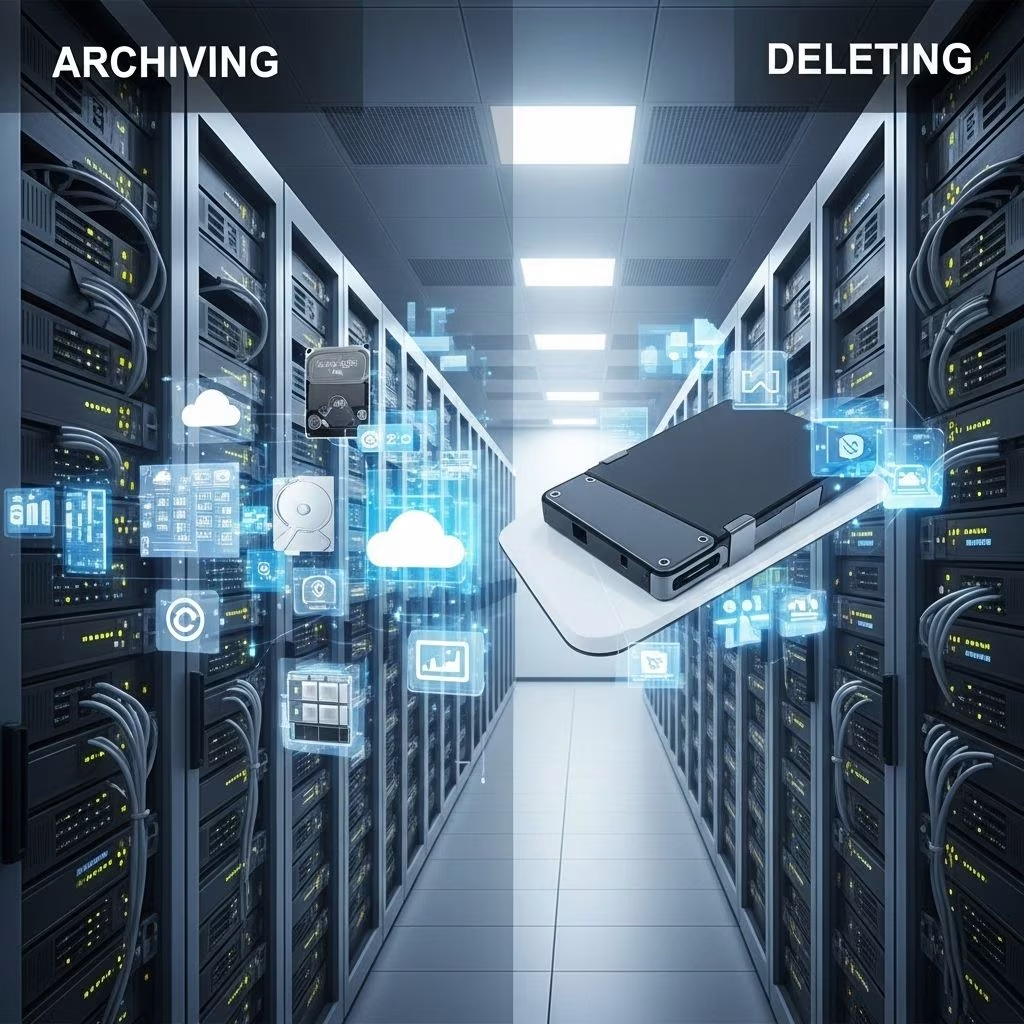
Introduction to Archiving and Deleting Digital Content
In today’s digital age, managing data effectively is crucial for businesses and individuals alike. Two key strategies for this are archiving and deleting digital content. Archiving involves storing data for long-term preservation, while deleting eliminates data deemed unnecessary. Understanding the benefits and considerations of each approach is essential for optimizing data management.
Understanding Digital Archiving
Digital archiving is a method of storing inactive data that is no longer frequently accessed but still needs to be retained for future reference, legal compliance, or historical significance. It helps organizations manage data efficiently by freeing up primary storage systems and ensuring compliance with regulatory requirements.
Benefits of Digital Archiving
- Optimized Storage: Archiving inactive data frees up space in primary storage systems, improving overall system performance and reducing operational costs.
- Regulatory Compliance: Ensures adherence to industry or government data retention regulations by securely storing data for required periods.
- Improved Accessibility: Allows for easy retrieval of stored data through indexing and metadata management.
- Cost-Effectiveness: Reduces the need for physical storage and minimizes the risk of data loss due to physical damage.
Understanding Deleting Digital Content
Deleting digital content involves removing data that is deemed unnecessary or obsolete. This approach is useful for maintaining a streamlined workflow and reducing clutter in data management systems. However, it requires careful consideration to avoid losing valuable information.
Benefits of Deleting Digital Content
- Efficient Workflow: Reduces data clutter and improves system efficiency by eliminating unnecessary data.
- Reduced Costs: Saves on storage costs by removing unused data from storage systems.
- Security Enhancement: Removes potential security vulnerabilities by eliminating unused data that could be accessed unauthorizedly.
- Environmental Benefits: Reduces energy consumption by minimizing data storage needs.
Archiving vs. Deleting: Key Considerations
When deciding between archiving and deleting digital content, several factors come into play. These include the relevance of the data, regulatory compliance requirements, and the potential future utility of the content.
Factors to Consider
- Relevance and Utility: Assess whether the data has historical significance or potential future use.
- Regulatory Compliance: Ensure that deletion or archiving complies with legal retention requirements.
- Storage Costs: Evaluate the cost implications of storing vs. deleting data.
- Security and Access Control: Consider the security risks associated with retaining or removing sensitive data.
Benefits of Combining Archiving and Backup
Combining archiving with regular backups provides comprehensive data protection and management. Archiving ensures long-term storage for compliance and historical purposes, while backups allow for rapid recovery of recent data in case of loss.
Benefits of Combined Strategy
- Comprehensive Data Management: Ensures both short-term data protection and long-term preservation.
- Operational Continuity: Minimizes downtime by enabling quick recovery of critical data.
- Cost Savings: Reduces storage costs by offloading inactive data to cheaper archiving solutions.
Tools and Technologies for Archiving and Deleting
Various tools and technologies support archiving and deleting digital content. These include digital asset management (DAM) systems, cloud storage solutions, and specialized archiving software.
Key Tools
- Digital Asset Management (DAM) Systems: Provide robust features for organizing and accessing digital assets, including version control and metadata management.
- Cloud Storage Solutions: Offer scalable storage options with enhanced security and accessibility features.
- Archiving Software: Specialized software designed to manage and preserve digital archives securely.
Frequently Asked Questions
Q: What is the primary purpose of digital archiving?
A: Digital archiving is primarily used for long-term preservation of inactive data, ensuring compliance and historical record-keeping.
Q: When should digital content be deleted?
A: Digital content should be deleted when it is no longer relevant or useful, provided that such deletion does not violate regulatory requirements.
Q: How does combining archiving and backup benefit data management?
A: Combining archiving and backup ensures both short-term data recovery and long-term preservation, providing comprehensive data protection and management.
Conclusion
In conclusion, both archiving and deleting digital content have their benefits and are crucial components of a well-rounded data management strategy. By understanding when to apply each approach, organizations can optimize their data systems, ensure compliance, and maintain efficient workflows.
References
- https://documentmountain.com/industryarticles/digital-archiving-vs-document-backup
- https://andersonarchival.com/blog/its-time-to-archive-all-your-documents-digitally/
- https://go.photoshelter.com/ask-photoshelter/should-you-delete-or-archive-old-content/
- https://n2ws.com/blog/data-archiving
- https://thedeletist.com/archiving-vs-deleting/
- https://blog.intermedia.com/should-you-delete-or-archive-customer-data/
- https://blogs.opentext.com/archiving-everything-adds-more-risks-than-benefits/
- https://jatheon.com/blog/should-you-delete-or-archive-email/
- https://www.novabackup.com/blog/data-retention-archive-or-delete


