


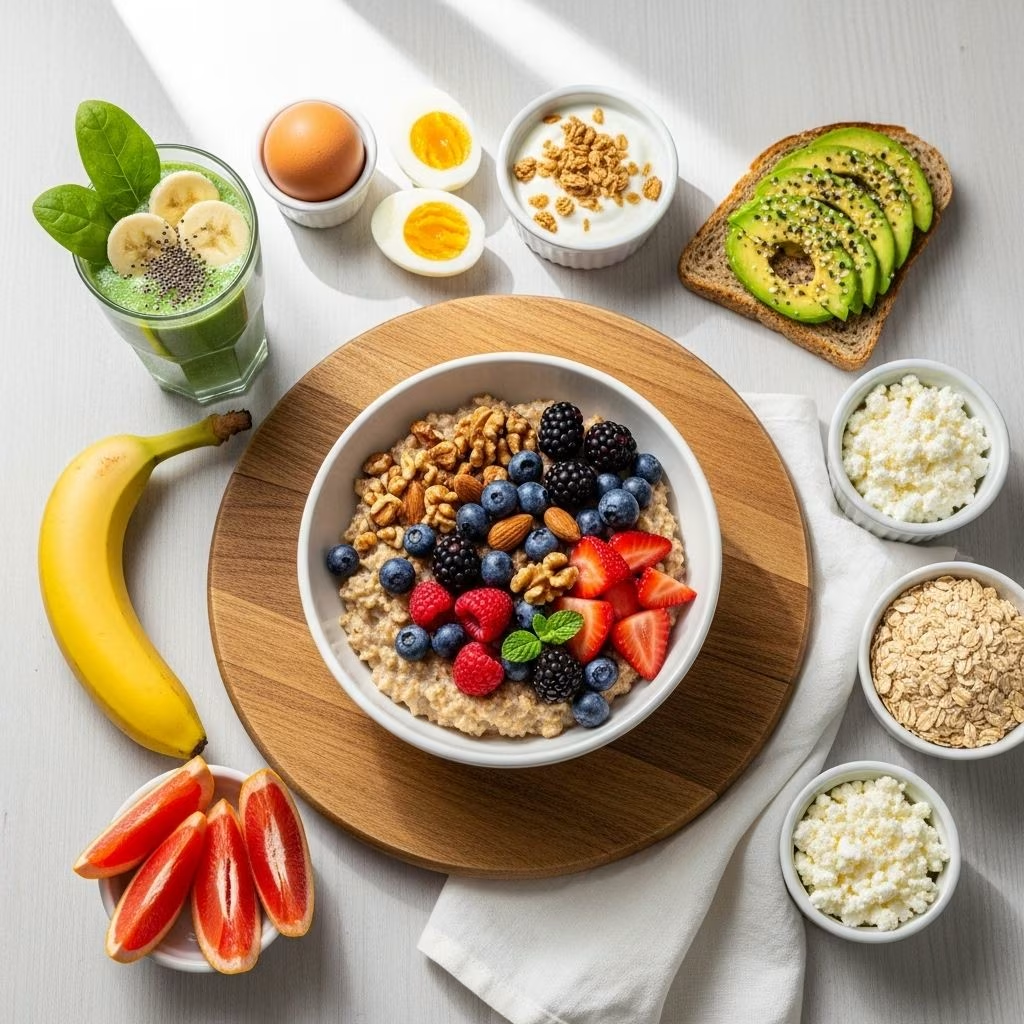
Do you wake up feeling sluggish or drained halfway through the morning? The foods you choose at breakfast—and your broader morning nutrition habits—play a crucial role in setting your energy levels for the day ahead. This comprehensive guide dives deep into the science, strategy, and practical tips for building a morning routine packed with the best foods for energy, making it easier than ever to start your day focused and vibrant.
Why Energy Matters in the Morning
After a night of fasting, your body’s stores of energy (primarily glucose) are depleted. Breakfast literally “breaks the fast,” providing essential fuel that recharges your brain and muscles for mental clarity, stamina, and mood stability. Skipping or choosing the wrong foods can lead to mid-morning crashes, irritability, and poor performance—both mentally and physically . Thus, your morning nutrition choices set the tone for your entire day.
The Science Behind Nutrition and Energy
The energy you feel (or don’t feel) throughout the morning is tightly linked to the nutrients you start your day with. Here’s why:
- Carbohydrates are your body’s primary energy source, but complex carbs (like oats or whole grains) release energy slowly, compared to the rapid (but fleeting) spike from simple sugars.
- Protein helps stabilize blood sugar, preserves muscle mass, and supports neurotransmitters that keep your brain alert .
- Healthy fats slow down digestion, helping energy last longer and supporting hormone function .
- Fiber from whole foods extends satiety and smooths out blood sugar.
- Micronutrients like iron, B vitamins, magnesium, and zinc support cellular energy production and prevent fatigue .
The key is balance: combining protein, complex carbs, healthy fats, and fiber for a steady energy supply that doesn’t spike and crash.
Best Morning Foods for Sustained Energy
Let’s break down the standout foods and ingredients for a powerful, lasting morning energy boost, according to nutrition experts, research, and tradition.
1. Green Vegetables
Foods like kale, spinach, broccoli, and arugula are rich in fiber, antioxidant phytochemicals, vitamin C, magnesium, and plant-based iron. Greens support oxygen transport, fight inflammation, and encourage a feeling of vitality and endurance .
- Add to omelets, smoothies, or sauté with eggs.
- Try an arugula salad with olive oil and lemon for a morning kick.
2. Beans and Lentils
Legumes like lentils, black beans, and chickpeas are complex carbohydrates, loaded with protein and fiber (lentils, for example, have about 9g protein and 8g fiber per cooked half-cup). They digest slowly, supporting steady blood sugar and warding off mid-morning hunger .
- Enjoy as a savory breakfast in recipes like lentil soup or roasted chickpea bowls.
- Add black beans to breakfast burritos or wraps.
3. Whole Grains and Oatmeal
Oats (especially steel-cut), quinoa, buckwheat, barley, and whole-wheat bread or wraps are top picks for their fiber, B vitamins, and magnesium content . Complex carbs from whole grains offer slow, lasting fuel for mental and physical activity.
- Start with overnight oats, porridge, or whole-grain toasts.
- Top with seeds, fruit, and Greek yogurt for a balanced bowl.
4. Eggs
Eggs are a protein powerhouse (about 6g/egg) and packed with nutrients like choline, vitamin D, and iron, supporting energy metabolism and brain health. Eggs are versatile—scrambled, boiled, poached, or as part of veggie-loaded omelets .
5. Greek Yogurt
High in protein and probiotics, Greek yogurt stabilizes blood sugar, aids digestion, and provides calcium and B vitamins. Pair with berries and nuts for extra antioxidants and healthy fats .
6. Fresh Fruits
Bananas, berries, oranges, and apples offer natural sugars, lots of fiber, vitamin C, and key minerals like potassium. Bananas, in particular, provide an almost immediate energy bump, plus vitamin B6, which helps your body release and use energy .
- Sliced fruit in oatmeal or yogurt bowls.
- Frozen berries in smoothies for an antioxidant hit.
7. Nuts and Seeds
Almonds, walnuts, flaxseeds, hemp seeds, pumpkin and sunflower seeds deliver a mix of healthy fats, plant-based protein, fiber, and essential minerals. These ingredients help with satiety, brain function, and steady energy output .
- Sprinkle on cereal, oatmeal, toast, or salads.
- Blend into shakes for creamy texture and omega-3s.
8. Avocado
Rich in heart-healthy monounsaturated fats, fiber, and micronutrients, avocado helps stabilize blood sugar and supports absorption of fat-soluble vitamins. When paired with whole-grain toast and eggs, it’s the foundation of a perfect energy breakfast .
9. Water and Hydrating Foods
Hydration is essential. Even mild dehydration causes fatigue and poor focus. Water-rich foods like cucumber and oranges add extra hydration. Aim for at least 2-3 cups of water in the morning after waking .
| Food | Main Benefits | How to Enjoy |
|---|---|---|
| Oats/Whole Grains | Slow-release carbs, fiber, B vitamins | Bowl, porridge, toast, wrap |
| Eggs | Protein, choline, vitamin D | Omelet, scramble, poached, sandwiches |
| Greek Yogurt | Protein, probiotics, calcium | Bowl with fruit/nuts, smoothie |
| Bananas/Berries | Vitamin C, natural sugar, fiber | Snacks, smoothie, oatmeal topping |
| Avocado | Healthy fats, fiber, potassium | Toast, egg combo, salads |
| Nuts & Seeds | Healthy fats, protein, minerals | Sprinkled, butter, smoothie |
| Beans & Lentils | Protein, iron, fiber | Burrito, breakfast bowl, salad |
| Leafy Greens | Iron, magnesium, antioxidants | Omelet, smoothie, salad |
How to Build the Perfect Morning Energy Meal
Follow this simple formula to build a breakfast that delivers hours of steady energy:
- 1/2 plate complex carbs (oats, whole-grain bread, sweet potato, cooked grains)
- 1/4 plate protein (eggs, yogurt, tofu, legumes, protein shake)
- 1/4 plate healthy fats (avocado, nuts and seeds, olive oil, nut butter)
- Include greens or colorful veggies where possible
- Hydration: two cups of water alongside your meal
Always aim for variety. This ensures you get a spectrum of vitamins, minerals, and phytonutrients and prevents breakfast boredom.
The Role of Hydration in Morning Energy
Sleeping dehydrates the body. Even a 1-2% drop in hydration may impact your mental and physical performance . Start your day with a full glass (about 300-500ml) of water, and consider water-rich foods (fruits such as oranges, berries, watermelon, or cucumber slices).
- Tip: Add a pinch of salt and a squeeze of lemon for natural electrolyte support after sleep.
Supplements and Natural Boosters
While whole foods should form the core of your energy routine, a few supplements or functional foods can offer extra support:
- CoQ10 (Ubiquinol): Supports mitochondrial energy production and stamina, especially useful for adults over 30 or those feeling excessive fatigue .
- Maca Root: Known for boosting mood and stamina, assisting hormonal balance, and enhancing resilience to stress, all without overstimulation .
- Vitamin B12: Essential for energy, especially vital for vegetarians and vegans.
- Magnesium: If you wake up tired, check your intake—this mineral has a proven role in natural energy metabolism .
Always consult a healthcare provider before adding supplements to your daily routine, particularly if you have underlying health issues.
Sample Breakfasts & Meal Ideas for Energy
- High-Protein Avocado Toast: Whole-grain toast topped with mashed avocado, poached eggs, and seeds. Add side salad greens .
- Lentil & Veggie Breakfast Bowl: Roasted lentils, sautéed greens, soft-boiled eggs, and a tahini drizzle.
- Greek Yogurt Power Bowl: Greek yogurt, oats or granola, mixed berries, nuts, and hemp/flax seeds.
- Classic Oatmeal: Steel-cut oats topped with banana, berries, almond butter, and cinnamon.
- Savory Chickpea Pancakes: Made from chickpea flour with spinach and herbs; served with salsa and fresh veggies.
- Plant-Based Breakfast Wrap: Scrambled tofu or eggs, black beans, sautéed peppers and onions, leafy greens in a whole-grain wrap .
- Protein Smoothie: Blend frozen banana, spinach, protein powder, flaxseed, Greek yogurt, and unsweetened plant milk.
Timing and Other Morning Nutrition Tactics
- Eat within an hour of waking to restore blood sugar, jumpstart metabolism, and ward off sluggishness.
- Don’t overload on sugar or refined carbs. These lead to a rapid spike—and inevitable crash—a few hours later .
- Include protein in every breakfast. Even 10-15g (from eggs, yogurt, nuts, or legumes) can stabilize energy, improve focus, and prolong satiety .
- Batch prep. Prepare overnight oats, pre-chop fruits, or hard-boil eggs ahead of time for quick assembly.
- Make water your first drink before caffeine for optimal hydration .
Frequently Asked Questions (FAQs)
Q: I don’t feel hungry in the morning. Should I force myself to eat?
A: It’s best to listen to your body. If you’re not hungry, start with something light (fruit, smoothie, or yogurt) and gradually build up to a full meal as your system adjusts. Always hydrate upon waking.
Q: What should I avoid eating in the morning for better energy?
A: Avoid sugary cereals, pastries, or refined white breads. These spike blood sugar rapidly but leave you drained shortly after. Also, too much caffeine without food can lead to jitters and an energy crash .
Q: Are plant-based breakfasts sufficient for energy?
A: Absolutely! Legumes, whole grains, nuts, seeds, plant-based milks, and fruits all combine to deliver balanced macronutrients. Ensure you’re including both protein and healthy fats in your plant-based meal .
Q: Can hydration alone improve morning energy?
A: While water doesn’t contain calories, it is vital for all bodily processes. Even minor dehydration impairs mood, focus, and physical performance, so make it a priority .
Q: How can I sustain my energy through the morning if I work out early?
A: If you exercise on an empty stomach (fasted), follow up your workout with a nourishing breakfast that combines protein, complex carbs, and healthy fats. Pre-workout, a banana or half a granola bar can add quick, digestible energy .
Q: Is coffee bad for morning energy?
A: Coffee in moderation can boost alertness, but its energizing effect is maximized when paired with food and proper hydration. Too much caffeine without breakfast may lead to jitters and later crashes.
Key Takeaways & Final Morning Energy Tips
- Anchor your breakfast around whole, minimally processed foods.
- Mix protein, complex carbs, healthy fats, and fiber for the best energy balance.
- Start with water every morning; hydrate before, during, and after breakfast.
- Experiment with meal types (sweet and savory) to find what fuels you best.
- Consider targeted supplements like magnesium or CoQ10 only if needed, after consulting a nutrition professional.
A mindful, nutrient-rich morning routine is your secret weapon for tackling each day with clarity, strength, and motivation. Power up with the foods and strategies above, and set the stage for an energetic, productive day—every single morning.
References
- https://www.onepeloton.com/blog/foods-for-energy
- https://linwoodshealthfoods.com/morning-routines-to-improve-energy/
- https://cafely.com/blogs/info/morning-routines-for-energy
- https://www.healthline.com/health/food-nutrition/foods-that-beat-fatigue
- https://time.com/7309345/what-food-to-eat-energy/
- https://www.youtube.com/watch?v=73hyhysHS8I
- https://indianexpress.com/article/lifestyle/health/ranveer-allahbadia-daily-morning-ritual-meals-simple-fuels-energy-focus-10280084/


