


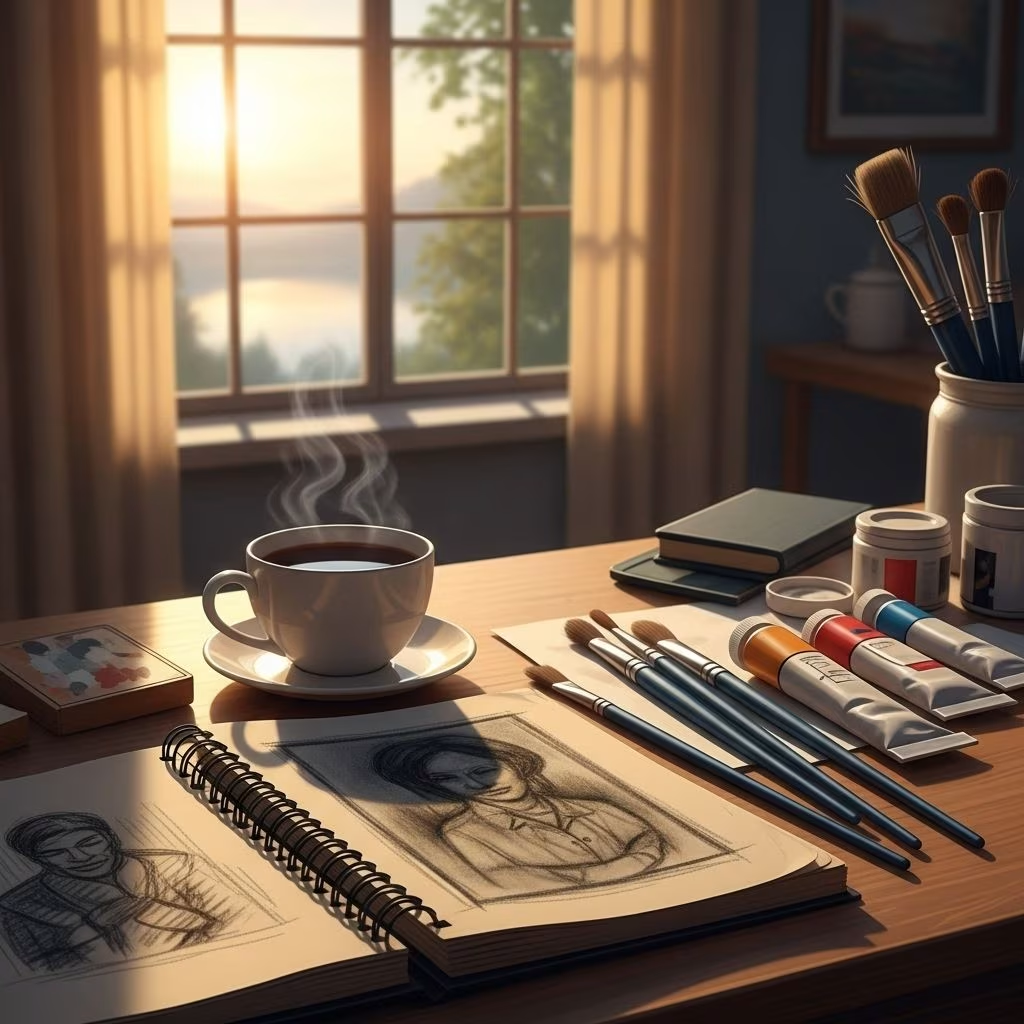
Morning Routine for Artists: Unlocking Creative Flow
For artists, each day presents a new canvas—not just of work, but of possibility. The first hours after waking are crucial: they set the rhythm, mood, and momentum for creative breakthroughs and sustained productivity. This guide explores how purposefully designed morning rituals empower artists of every discipline to unlock creative flow and nurture emotional well-being, resulting in more inspired, consistent artistic output.
Why Morning Routines Matter for Artists
An intentional morning routine is more than a productivity hack—it’s a foundational habit for artists craving deeper creative engagement. Morning rituals offer:
- Enhanced creativity: They provide dedicated time for experimentation, ideation, and unstructured play, vital for artistic breakthroughs.
- Productivity boost: Structured mornings help avoid procrastination and mental blocks, making creative work a daily priority.
- Mental preparation: Rituals such as meditation, journaling, and gentle stretching prime your mind for focused creation.
- Emotional stability: Early creative engagement can reduce stress, support self-awareness, and lay the foundation for a grounded, productive day.
- Consistent growth: Regular morning practice fosters skill improvement, artistic development, and long-term growth.
The Science of Creativity and Flow
Psychologists have long examined the concept of flow—a state of deep immersion and energized focus. For artists, flow is where masterpieces are born, and time disappears. But flow rarely strikes by accident: it emerges when environment, mindset, and ritual align.
- Steven Kotler, a leading flow researcher, advocates spending up to 90 minutes each morning on meaningful, creative tasks, maximizing potential for entering flow states.
- Stanford research highlights the value of gentle exercise in the morning for boosting creative thinking and releasing endorphins, which foster productive moods and readiness for art.
- Journaling and “stream-of-consciousness” writing act as a creative warm-up, decluttering the mind and opening channels for imaginative thought.
Cornerstones of an Effective Artist’s Morning
Through qualitative research and interviews with working artists, several keystones emerge in effective routines:
| Component | Purpose | Example |
|---|---|---|
| Dedicated space | Minimizes distraction, nurtures sacred feeling | Natural light, organized tools |
| Gentle movement | Boosts energy, activates creativity | Stretching or yoga |
| Mindful art practice | Connects artist to emotion, intuition | Sketching, color exploration |
| Journaling/Intention-setting | Clarifies goals, unlocks ideas | Morning pages, written affirmations |
| Consistency | Forms lasting habits, supports skill growth | Same time daily, prepped materials |
Elements of Inspiring Morning Rituals
Transforming a typical morning into an energizing artistic ritual involves blending practical strategies with mindful practices:
1. Creating a Dedicated Art Space
Environment influences attention, mood, and output. Artists benefit immensely from beginning their day in a space that’s both inviting and organized.
- Choose a location with natural light, minimal clutter, and readily available art supplies.
- Add elements that stimulate inspiration: favorite objects, plants, color swatches, or mood boards.
- Store sketchbooks, pens, paints, and music within easy reach to reduce friction between intent and action.
2. Mindful Movement and Breathwork
Gentle movement connects mind to body, invigorating physical energy and creative readiness.
- Spend 5–10 minutes on stretches, yoga, or dancing to awaken both body and imagination.
- Combine movement with breathing exercises: inhale deeply, exhale slowly, match gestures to breath, activating focus and presence.
3. Morning Art Flow Session
- Begin with a 5-minute gesture drawing, focusing on rhythm rather than precision. Let your hand mirror your breath.
- Follow with intuitive mark-making—abstract lines, color plays, textural experiments—without expectations or judgment.
- Finish by creating a single intentional line or shape that represents your goal or mood for the day.
4. Journaling and Creative Writing
- Practice “morning pages”—three pages of longhand writing that clear mental clutter and spark new ideas.
- Try stream-of-consciousness journaling or gratitude lists to set a positive, open mindset.
- Note dreams, fleeting thoughts, or scribble poems to loosen creative inhibitions.
5. Setting Creative Intentions and Visualizing Goals
- Begin with a brief meditation or visualization, picturing successful artistic achievement for the day.
- Write a clear, simple intention (“Today I experiment freely” or “I finish my first draft”) to anchor focus and motivation.
6. Embracing Play, Exploration, and Mixed Media
- Set aside time for “creative play”—try out new techniques, combine materials, or make art solely for self-enjoyment.
- Use natural materials, collage, or unconventional tools to express emotion and encourage exploration.
Real Morning Routines from Famous Artists
Many celebrated artists attribute their lasting impact to unique, sometimes quirky morning habits:
- Robert Rauschenberg: Started each day with espresso and visual stimulation from soap operas. He regularly consumed images from TV and media, fueling his assemblage works.
- Chris Ofili: Began mornings by making abstract marks and painting quick watercolors, loosening creative muscles and producing hundreds of works over years.
- Louise Bourgeois: Enjoyed tea with jelly and required silence for studio work—her mornings were dedicated to preparation and physical activity before diving into drawing and sculpture.
Across disciplines, structured morning habits enable artists to:
- Shake off inertia and self-doubt
- Consistently generate ideas and experiment
- Build momentum for intense and focused afternoon work
Customizing Your Own Art Morning Practice
Design a morning ritual suited to your artistic medium, personality, and life rhythm:
- Identify peak energy times: Some artists thrive pre-dawn, others post-breakfast. Test and observe when your mind is clearest.
- Choose essential components: Select two or three practices (art warms-up, journaling, movement) to embed in your routine.
- Prep materials the night before: Lay out sketchbooks, brushes, and music so you step into creation seamlessly.
- Set micro-goals: Examples include “finish one sketch,” “explore a new color palette,” or “write 500 words.”
- Track your patterns: Use a habit tracker or daily log to note progress, feelings, and creative output.
- Iterate regularly: Adapt your ritual as your needs, projects, and inspirations shift.
Sample Morning Routine for Visual Artists:
- 5 minutes: Light stretches with breathwork
- 15 minutes: Sketching or painting warm-up (free, intuitive marks)
- 10 minutes: Journaling/morning pages (ideas, intentions)
- 5 minutes: Review creative goals for the day
- Optional: Play inspiring music in background
Overcoming Common Challenges
1. Time pressures
Even 10–15 minutes matters. Short, consistent routines trump sporadic longer practices. Prioritize creative time before emails and social media to anchor your day.
2. Creative blocks
Address resistance with open-ended play (abstract sketches, stream-of-consciousness writing) and ritualize your start—lighting a candle, playing music, or arranging your desk.
3. Perfectionism
Morning rituals are for process, not final products. Focus on expression and discovery, not results.
4. Maintaining consistency
- Prepare supplies in advance
- Schedule routines as appointments
- Share intentions with peers or mentors for accountability
Frequently Asked Questions (FAQs)
Q: How long should an artist’s morning routine last?
A: Experts suggest 20–30 minutes for major benefit, but even 10 minutes helps. Consistency is the most important factor.
Q: What if I am not a morning person?
A: You can adapt the principles to your natural peak energy times. The goal is regular, ritualized creative practice, whatever your schedule.
Q: Which activities are best for unlocking creative flow?
A: Mindful sketching, journaling, gentle movement, intention-setting, and playful experimentation all prime the mind for creative flow.
Q: How do famous artists structure their mornings?
A: Structures vary—some embrace healthy breakfasts, others silence, visual stimulation, or quick art warm-ups. The key is ritual and intention.
Q: What if I struggle with creative block during my morning routine?
A: Engage in free-form, non-judgmental play; focus on process over outcome. Use rituals such as music, lighting, or movement to break inertia.
References and Resources
- Reaching My Dreams: Mindful Art Morning Rituals
- ModusFlow: Creative Flow and Morning Routines
- Artsy: Morning Routines of Famous Artists
- TheArtGorgeous: Creative Morning Practices
- DoodleWash: Practical Creativity Habits
References
- https://reachingmydreams.com/designing-your-morning-ritual-with-mindful-art/
- https://modusflow.com/mastering-your-creative-flow-the-power-of-a-morning-routine-for-artists-songwriters-and-producers/
- https://www.artsy.net/article/artsy-editorial-morning-routines-famous-artists-andy-warhol-louise-bourgeois
- https://theartgorgeous.com/the-ultimate-morning-routine-for-artists/
- https://doodlewash.com/how-to-awaken-creative-flow-when-time-is-tight/
- https://unmistakablecreative.com/morning-routine/
- https://thecreativelife.net/get-into-flow/


