


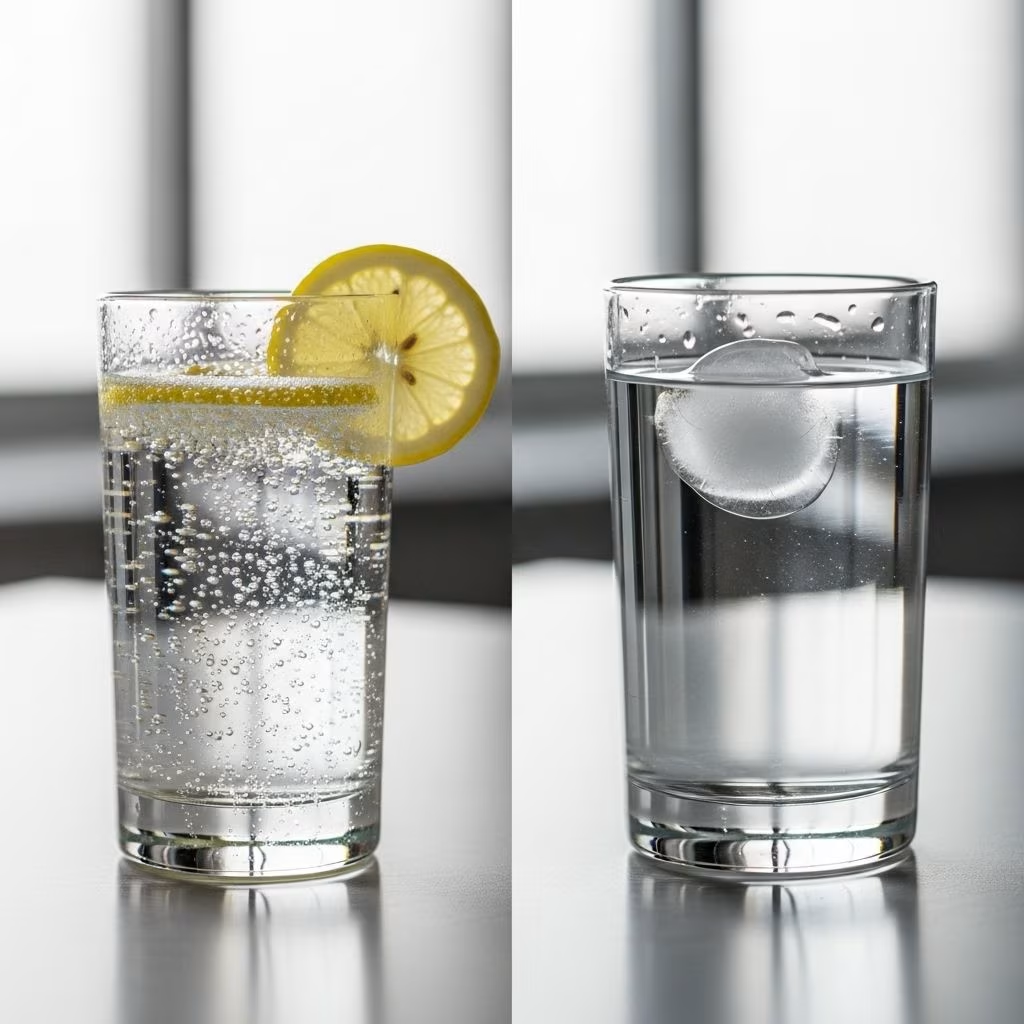
Sparkling vs. Still Water: Which Hydrates You Better?
Water is essential for life, and we encounter it in many forms. From classic tap water to trendy mineral seltzers, hydration habits have evolved, and so have questions about their effectiveness. Today, one of the more popular debates surrounds sparkling water—does it hydrate as well as classic still water? This comprehensive guide examines the latest research, scientific findings, health considerations, and practical advice to help you make the best choice for your hydration needs.
Introduction: Hydration and Health
Proper hydration is vital for energy, cognitive function, metabolism, and overall health. While the body relies on water from foods and beverages, most people achieve hydration through direct water consumption. As beverage trends have shifted, sparkling water has emerged as a popular alternative to sodas and sugar-laden drinks, promising refreshment and, according to some, equally effective hydration.
This article dives into the science of hydration and examines the differences and similarities between sparkling (carbonated) and still (non-carbonated) water, using peer-reviewed studies, expert commentary, and practical health advice.
Definitions: What Is Sparkling Water? What Is Still Water?
- Still Water: Generally refers to water in its natural, non-carbonated form. It is often found in tap, filtered, or bottled water and is the most common beverage for hydration worldwide.
- Sparkling Water: Also known as carbonated water or seltzer, this category includes any water infused with carbon dioxide gas under pressure, creating bubbles and a fizzy sensation. Subtypes include naturally carbonated mineral waters and artificially carbonated varieties. Some sparkling waters contain added minerals, flavors, or sweeteners.
Important subtypes of sparkling water include:
- Sparkling (Seltzer) Water: Carbonated and generally unflavored.
- Mineral Water: Contains natural minerals, with carbonation from the source or added during bottling.
- Soda Water: Carbonated with added sodium bicarbonate or other compounds.
- Tonic Water: Contains quinine, often sweetened and used in cocktails. Not recommended for hydration due to sugar content.
The Science of Hydration: Core Principles
Hydration refers to the body’s ability to absorb and use water to maintain essential physiological processes. To assess a beverage’s hydrating power, researchers consider the beverage hydration index (BHI), urine output after consumption, and mineral content. The most authoritative studies use comparison groups to test the effects of various beverages—including water, sparkling water, milk, and sugary drinks—on hydration status.
- Beverage Hydration Index (BHI): Measures fluid retention by comparing urine output after consuming a beverage to that after drinking still water.
- USDA Water Recommendations: Suggest men should intake about 125 ounces (3.7 liters) and women 91 ounces (2.7 liters) total water per day, from all sources.
Hydration Comparison: Sparkling vs. Still Water
1. Scientific Studies – What Do They Say?
Multiple controlled studies have concluded that sparkling water hydrates just as effectively as still water. In one influential study, participants were given a liter of regular water, sparkling water, or other beverages. Urine output after four hours showed no statistically significant difference in hydration levels between sparkling and still water.
- Key Finding: Ounce for ounce, sparkling and still water are equally hydrating. The carbonation, or presence of dissolved carbon dioxide, has no measurable impact on how your body absorbs or retains fluids.
- Mineral Content: If the sparkling water contains high levels of minerals (e.g., sodium), it could theoretically influence hydration. However, typical products on the market are negligible in this aspect for daily consumption.
- Hydration in Physical Activity: Some studies recommend avoiding carbonated water during intense sports or exercise, as the fizziness may lead to bloating or discomfort, impeding performance despite similar hydration benefits.
2. Expert Statements
- “Sparkling water is as hydrating as regular water, so drinking it may help you reach your daily water goals.” (Healthline)
- “Both sparkling and regular water are equally hydrating and can contribute to daily hydration needs.” (Soda Sense)
Mineral Content and Added Ingredients – Does It Matter?
Not all carbonated waters are identical. The composition, particularly added minerals, flavors, and sugars, can affect overall health (but not basic hydration):
- Plain Sparkling Water: Contains only water and dissolved CO2. As hydrating as still water.
- Flavored Sparkling Water: May include sugars, artificial sweeteners, citric acid, or natural flavors. While still hydrating, added sugars and acids can reduce oral health or increase calorie intake, which is not ideal for daily use.
- Mineral Content: High sodium or potassium levels may impact hydration for those on restricted diets (e.g., hypertension). For the general population, these minerals in moderate amounts do not negatively impact hydration, and may actually enhance fluid retention slightly.
- Tonic Water and Sodas: Not recommended for hydration due to added sugars and quinine, which may contribute to dehydration or added health risks.
Common Myths and Misconceptions
- Myth 1: Sparkling water is less hydrating than still water. Research shows they hydrate equally well.
- Myth 2: Sparkling water damages teeth. Plain sparkling water is slightly acidic but poses minimal risk to dental health. Flavored or sweetened sparkling waters, especially with citric acid or sugar, can cause enamel erosion if consumed frequently.
- Myth 3: Carbonation impedes absorption. No reputable studies show carbon dioxide slows absorption or utilization for hydration.
- Myth 4: Sparkling water lowers bone density. No scientific evidence supports a link between plain carbonated water and bone health risks; cola beverages (with phosphoric acid) are more concerning than sparkling water.
Health Impacts Beyond Hydration
- Digestive Aid: Some individuals find sparkling water helps with digestion, alleviates mild indigestion, or reduces feelings of nausea.
- Satiety: The fizzy sensation can promote feelings of fullness, potentially supporting weight management for some individuals.
- Oral Health: Plain sparkling water poses minimal risk, but avoid those with sugar or acidic flavors for dental health. The American Dental Association supports plain sparkling water as a safe alternative to sodas.
- Dietary Restrictions: Those needing to monitor sodium or mineral intake should check labels carefully.
For physical activity, particularly high-intensity workouts, it may be wise to stick with still water due to reduced risk of gastric discomfort or bloating caused by carbonation.
Choosing the Right Water: Individual Preferences and Needs
- Taste Preference: If the fizziness increases your water intake, sparkling water may be preferable.
- Dietary Concerns: Individuals with hypertension or renal concerns should monitor mineral content in sparkling water.
- Oral Health: For those susceptible to dental issues, plain water or non-acidic sparkling water is best.
- Digestive Comfort: Those prone to bloating or indigestion may prefer still water, especially during meals or activity.
- Flavor Variety: Both water types offer flavored variations, but added sugars or acids in sparkling waters should be consumed in moderation.
Quick Comparison Table: Sparkling vs. Still Water
| Feature | Sparkling Water | Still Water |
|---|---|---|
| Hydration Effect | Equally hydrating | Equally hydrating |
| Taste | Fizzy, slightly acidic | Neutral |
| Mineral Content | Often variable (check labels) | Variable, typically low |
| Potential Additives | Flavors, sweeteners, sodium | Rarely added; pure water |
| Oral Health Impact | Minimal (if plain); caution for flavored types | Safe |
| Digestive Effects | May cause bloating/gas for some | Rarely causes discomfort |
Frequently Asked Questions (FAQs)
Q: Does sparkling water hydrate as well as still water?
A: Yes. Multiple studies confirm that sparkling water is just as hydrating as still water for healthy adults.
Q: Can I drink sparkling water instead of still water every day?
A: Yes. As long as it’s plain sparkling water (without sugar or excessive sodium), it can fully contribute to daily hydration needs. Diversifying water sources based on preference is perfectly healthy for most.
Q: Is sparkling water bad for my teeth?
A: Plain sparkling water poses minimal risk to dental enamel. Flavored types with citric acid or sugars can promote dental erosion with excessive consumption.
Q: Does carbonated water cause bloating?
A: For some individuals, carbonation can cause gas, bloating, or mild discomfort. If this happens frequently, consider limiting sparkling water or avoiding it around meals and workouts.
Q: Is there a difference between mineral water, soda water, and tonic water?
A: Yes. Mineral water is naturally carbonated with minerals; soda water has added sodium bicarbonate; tonic water includes quinine and sugar—not recommended for hydration.
Tips for Staying Hydrated
- Choose water (sparkling or still) with no added sugar or artificial sweeteners for optimal health.
- If you prefer fizz, include sparkling water in your daily hydration routine.
- Monitor sodium and mineral content if you have specific health restrictions.
- During strenuous exercise, prioritize still water to avoid stomach discomfort.
- Check ingredient lists—especially for flavored varieties—to avoid high sugar or citric acid levels.
- Listen to your body: If bubbly drinks cause discomfort, switch to still water.
Conclusion: Which Water Should You Drink?
Both sparkling and still water are equally effective in hydrating the body. The choice comes down to your taste, dietary preferences, and any personal health considerations. As long as you choose plain varieties, sparkling water is a legitimate, healthy way to meet your hydration goals, debunking the myth that still water is superior in this regard. Stay mindful of added sugars or acids in some sparkling waters, and use your favorite water to maintain optimal hydration each day.
References
- https://sodasense.com/blogs/bubbly-blog/does-sparkling-water-hydrate-you
- https://www.healthline.com/nutrition/does-sparkling-water-hydrate-you
- https://fitwell.recreation.ucla.edu/file/27a0358b-896a-4c8e-bab9-30b5ad4e51a9
- https://science.drinklmnt.com/did-you-know/sparkling-vs-still-water
- https://www.ncbi.nlm.nih.gov/search/research-news/8115


