


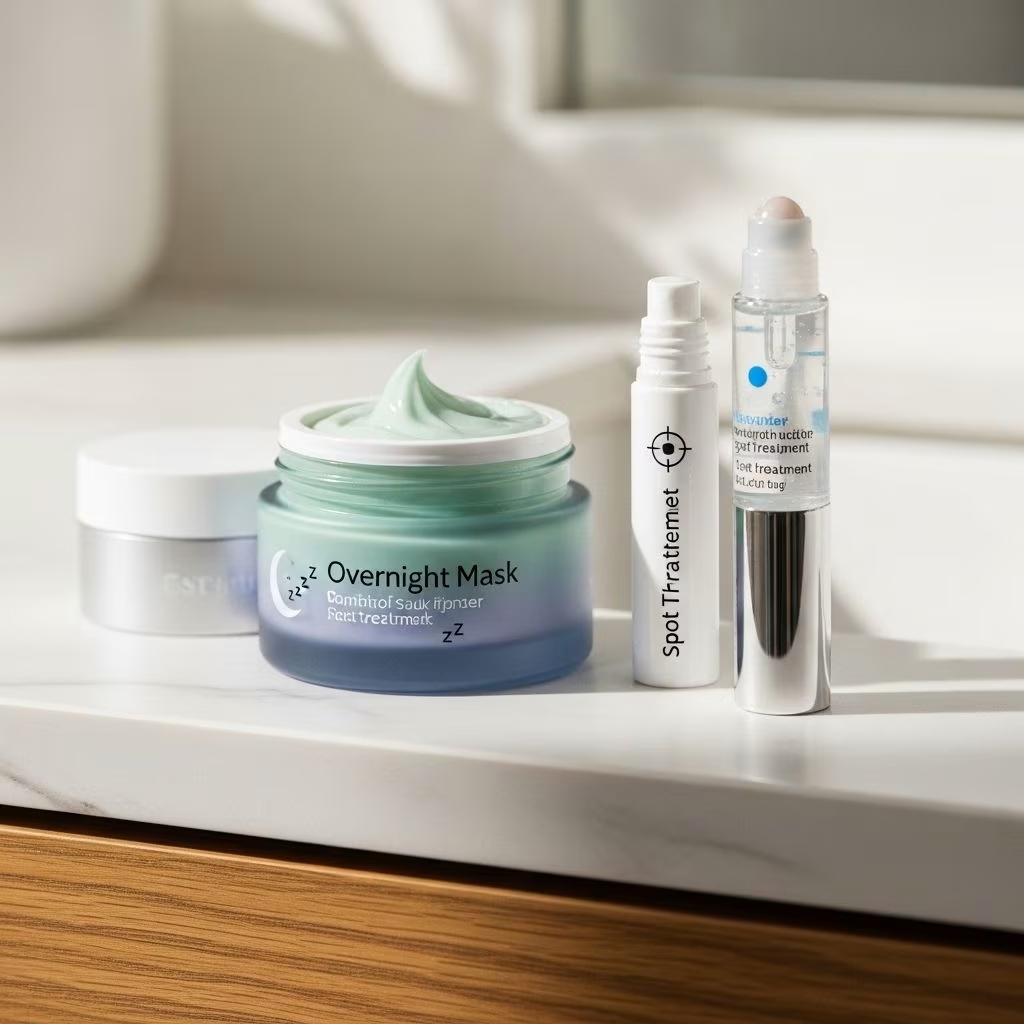
Overnight Mask vs. Spot Treatment: An In-Depth Skincare Comparison
Choosing between an overnight mask and a spot treatment is a pivotal decision for anyone seeking optimal skin health. Both approaches harness unique formulations and target different skincare needs, yet selecting the most suitable option—whether for holistic skin rejuvenation or precise blemish correction—requires understanding their ingredients, benefits, and practical applications.
Introduction
Modern skincare offers myriad solutions for persistent concerns such as dryness, acne, uneven texture, and sensitivity. Two highly effective options often recommended by dermatologists and skincare experts are overnight masks—formulated for intensive, full-face repair—and spot treatments, designed to address localized blemishes.
Understanding how—and when—to use these methods can dramatically improve your complexion, accelerate healing, and optimize overall skin health.
What Is an Overnight Mask?
An overnight mask, also called a sleeping mask or pack, is a topical treatment applied before bedtime. Unlike traditional rinse-off masks, overnight masks remain on your skin for several hours, utilizing deep-penetrating ingredients to hydrate, repair, and rejuvenate while you sleep.
They cater to various concerns, including intense dehydration, loss of firmness, dullness, irritation, and overall skin renewal.
See how different ingredients and mask types affect results:
- Hydrating Agents: Hyaluronic acid, glycerin, squalane for deep replenishment.
- Barrier Support: Ceramides, peptides for repair and firmness.
- Antioxidants: Vitamin C, niacinamide for brightening and protection.
- Soothers: Centella asiatica, aloe vera for calming irritation and redness.
Overnight masks are best suited for full-face application and deliver results quickly—limited only by your skin’s ability to absorb and respond to active ingredients overnight.
Those with dry, dehydrated, or sensitive skin typically benefit most from these treatments, but new formulations allow use for most skin types.
What Is a Spot Treatment?
A spot treatment is a potent topical solution designed to target—and accelerate the healing of—individual blemishes, pimples, or problematic areas such as dark spots or post-acne marks.
Used in small amounts, these products deliver higher concentrations of active ingredients to a specific location, minimizing widespread irritation and maximizing efficacy for quick results.
Spot treatments are essential for:
- Active Breakouts: Acne, whiteheads, or inflamed pustules.
- Hyperpigmentation: Dark spots or scars healing after breakouts.
- Occasional Flare-Ups: Sudden, localized skin irritation.
Typical ingredients include sulfur, benzoyl peroxide, salicylic acid, retinol, and niacinamide, providing targeted action against bacteria, inflammation, or pigment production.
Overnight Mask vs. Spot Treatment: Key Differences
| Feature | Overnight Mask | Spot Treatment |
|---|---|---|
| Application Area | Full face | Localized (only affected spots) |
| Main Purpose | Intensive hydration, barrier repair, skin renewal | Reduce/acne, fade dark spots, minimize inflammation |
| Frequency of Use | 1–3 times a week | Nightly on affected spots, as needed |
| Texture | Gel, cream, jelly (usually lightweight) | Gel, cream, ointment (often thicker, occlusive) |
| Best For | Dry, sensitive, dull, dehydrated skin | Oily, acne-prone, or those with occasional breakouts |
| Primary Ingredients | Hydrators, peptides, antioxidants | Sulfur, salicylic acid, benzoyl peroxide, retinol |
| Efficacy Window | Over several hours (overnight) | Hours to days, focused on individual lesions |
Benefits and Ideal Uses
Benefits of Overnight Masks
- Intense Hydration: Surge of moisture to repair dry or dehydrated skin.
- Barrier Strengthening: Peptides and ceramides restore skin’s natural defenses overnight.
- Cell Renewal: Gentle exfoliants and rejuvenators promote fresher skin by morning.
- Calming and Soothing: Natural extracts reduce irritation and redness.
- Temporary Plumping: Skin appears smoother and more supple for events or post-travel.
A study found overnight masks with hyaluronic acid increased skin hydration by 35% in a single use. Peptide-based masks were shown to reduce fine lines with weekly use over four weeks. Soothing formulas diminished redness by 30% in sensitive skin.
Benefits of Spot Treatments
- Focused Action: Delivers potent actives directly to affected areas for rapid results.
- Blemish Control: Dries out pimples, reduces inflammation, and prevents new breakouts.
- Hyperpigmentation Reduction: Fades dark spots and acne scars over time.
- Minimal Irritation: Less risk to healthy skin; suitable for most skin types.
Spot treatments allow those with busy lifestyles and sporadic breakouts to efficiently minimize flare-ups while avoiding unnecessary exposure of actives to unaffected areas.
Ingredients Breakdown: What’s Inside?
| Category | Overnight Mask | Spot Treatment |
|---|---|---|
| Hydration | Hyaluronic acid, glycerin | Occasional (if calming) |
| Barrier Repair | Ceramides, peptides, vitamin E | Rare |
| Antioxidants | Vitamin C, niacinamide | Niacinamide, retinol |
| Acne-Fighting | Rare | Sulfur, benzoyl peroxide, salicylic acid |
| Soothing Agents | Aloe vera, centella asiatica | Zinc, tea tree oil |
Some products, such as the Farmacy 10% Niacinamide Night Mask and Sunday Riley Saturn Sulfur Spot Treatment, contain overlapping ingredients like niacinamide and vitamin E, supporting anti-inflammatory and barrier functions, which means targeted and comprehensive care are possible depending on chosen products.
How to Choose: Overnight Mask vs. Spot Treatment
Personalization is key. The best method depends on skin type, concerns, frequency, and routine preferences.
- Choose an Overnight Mask If:
- Your skin is dehydrated, dull, or stressed.
- You want enhanced hydration and renewal, especially after travel or exposure.
- You have sensitive skin needing soothing relief.
- You seek a special spa-like treatment weekly.
- Choose a Spot Treatment If:
- You experience occasional or persistent breakouts.
- You need rapid, targeted action on blemishes.
- You want to minimize product use for sensitive areas.
Experts recommend using overnight masks for overall skin repair periodically, while spot treatments serve best for targeted correction and management.
Best Practices for Application
Applying an Overnight Mask
- Thoroughly cleanse and dry your skin to remove makeup and impurities.
- Apply serums as usual.
- Apply a generous layer of overnight mask as the final step in your nighttime routine.
- Leave the mask on while you sleep.
- Rinse off gently with lukewarm water in the morning.
For oily or combination skin, skip heavy moisturizers underneath or use the mask only once a week.
For dry or sensitive skin, apply after your moisturizer.
Applying a Spot Treatment
- Cleanse the skin to eliminate oil and dirt.
- Dispense a small amount of spot treatment (gel, cream, ointment).
- Apply directly on the blemish, avoiding surrounding skin if possible.
- Let it absorb; do not rub or spread excessively.
- Use nightly until spot improves; avoid layering with potent actives to minimize irritation.
For best results, apply spot treatments after moisturizer to buffer irritation, especially for sensitive skin.
Can You Use Both?
Yes! Combining an overnight mask and a spot treatment allows you to address multiple concerns simultaneously:
- Apply the spot treatment on active blemishes after moisturizer.
- Follow with an overnight mask across the rest of your face (avoiding treated spots).
This dual approach offers targeted correction and full-face renewal—balancing hydration and blemish control while preventing unnecessary irritation.
Popular Products: Ingredient & Benefit Comparison
| Product | Main Actives | Best For | Application |
|---|---|---|---|
| Farmacy 10% Niacinamide Night Mask | Niacinamide, Vitamin E, Hyaluronic Acid | Dry, dull, sensitive skin; anti-aging; pore minimization | Full face, 1–2 times/week |
| Sunday Riley Saturn Sulfur Spot Treatment | Sulfur, Niacinamide, Tea Tree Oil | Acne-prone skin; blemish control; inflammation | Apply directly to spots nightly |
Both products are free from common allergens, parabens, silicones, and sulfates and are suitable for sensitive skin.
They also share niacinamide, known for its anti-inflammatory and brightening properties, making them versatile across different skin concerns.
Frequently Asked Questions (FAQs)
Q: Can I use an overnight mask and spot treatment together?
A: Yes, experts agree that you can apply a spot treatment directly on blemishes and use an overnight mask on the rest of your face when your skin needs both targeted correction and hydration boost.
Q: How often should I use an overnight mask?
A: 1-3 times per week is recommended depending on skin type and concerns. Overuse may cause congestion for oily or acne-prone skin.
Q: Will a spot treatment dry out my skin?
A: Some spot treatments contain drying ingredients such as sulfur or benzoyl peroxide. Buffering with moisturizer and using them only on affected spots can reduce dryness and irritation.
Q: What’s the best overnight mask ingredient for sensitive skin?
A: Look for masks with centella asiatica, aloe vera, hyaluronic acid, or ceramides—they deliver hydration and soothing effects without aggravating sensitivity.
Q: Is a spot treatment effective against dark spots?
A: Yes, with consistent use of actives like niacinamide or retinol, spot treatments can fade dark spots and help even out skin tone over time.
Conclusion
Both overnight masks and spot treatments are indispensable components of a complete skincare regimen. Overnight masks replenish skin on a macro level, deeply hydrating and renewing your complexion, while spot treatments deliver potent, localized healing against blemishes and discoloration.
The expert recommendation is to personalize your approach—use overnight masks weekly for overall repair and spot treatments nightly for acute correction. Combined wisely, these methods unlock balanced, radiant, and healthy skin tailored to your unique needs.
References
- https://glowfullyskin.com/blogs/glow-news/spot-treatment-vs-full-face-mask-which-approach-is-right-for-you
- https://www.dotandkey.com/blogs/skin-care/sleeping-masks-vs-night-moisturizers
- https://www.clinikally.com/blogs/news/sleeping-masks-vs-night-creams
- https://silvermirror.com/the-ultimate-guide-to-face-masks-for-every-occasion/
- https://skinsort.com/compare/farmacy-10-niacinamide-night-mask-vs-sunday-riley-saturn-sulfur-spot-treatment
- https://www.skincare.com/expert-advice/ask-the-expert/night-creams-vs-night-masks
- https://www.paulaschoice.com/expert-advice/skincare-advice/skin-care-how-tos/when-to-use-face-masks.html
- https://drsabrina.com/blogs/skin-care/skin-care-routine-order-morning-vs-night
- https://skinandtonics.com/skin-care-routine-part-3-masks-spot-remedies-weekly-treatments/


