


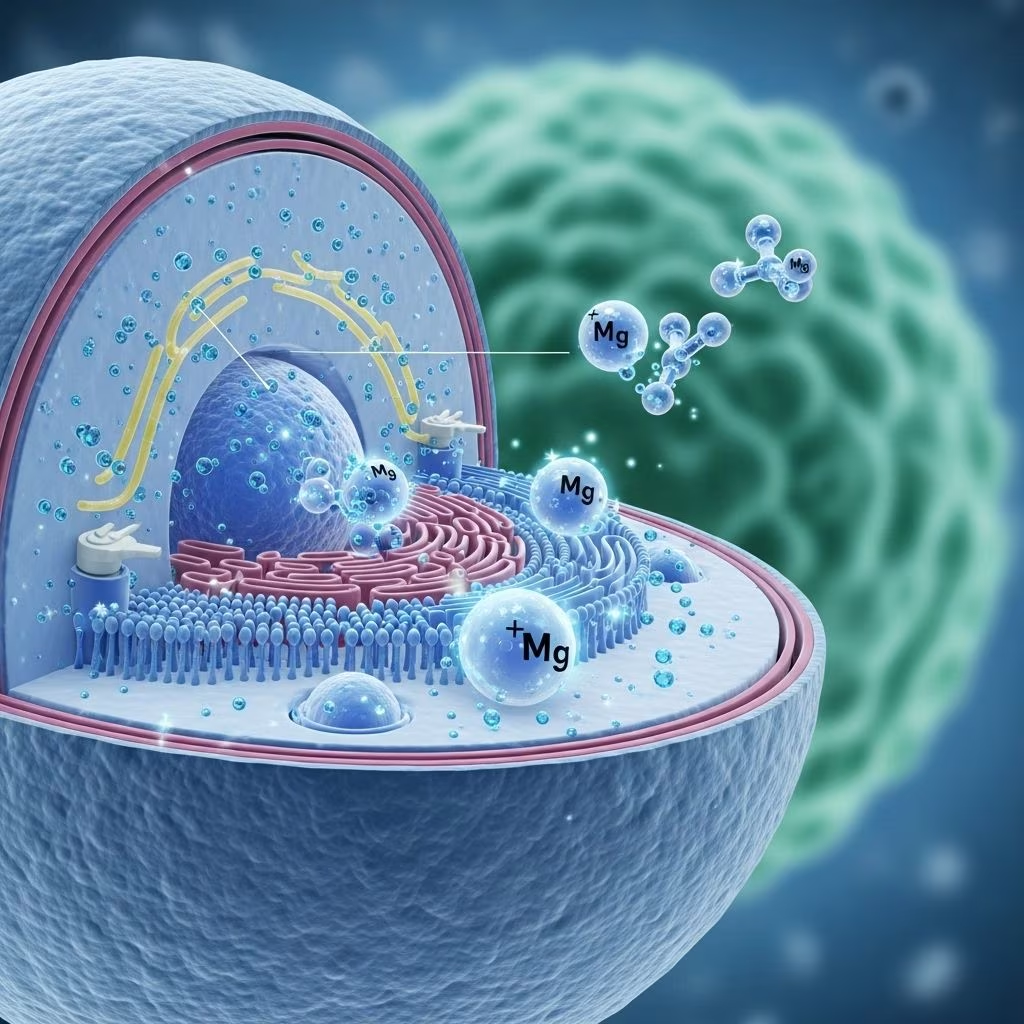
Magnesium stands as one of the most essential minerals for human health, serving crucial functions in hundreds of enzymatic reactions, energy production, nerve transmission, muscle contraction, and most notably, in maintaining cellular hydration. This article explores the multifaceted role of magnesium in cellular fluid regulation, its underlying physiological mechanisms, implications of deficiency, dietary sources, supplementation, and frequently asked questions to help you understand why magnesium is fundamental for optimal health.
Understanding Magnesium and Cellular Hydration
Magnesium is the fourth most abundant mineral in the human body and the second most prevalent intracellular cation after potassium. About 60% of body magnesium resides in bone, 39% in inside cells (mainly muscle and other soft tissues), and about 1% in the extracellular fluid including blood plasma.
Cellular hydration refers to the state of adequate water content inside cells, a prerequisite for proper cell function. Electrolytes such as magnesium, sodium, potassium, and calcium govern how water moves into, within, and out of cells. Proper balance of these ions ensures that our tissues remain hydrated, metabolic reactions proceed efficiently, and organs such as the brain, heart, kidneys, and muscles operate optimally.
Key Physiological Functions of Magnesium
- Enzymatic Reactions: Serves as a cofactor in over 300 enzyme systems, notably those involved in ATP metabolism and nucleic acid synthesis.
- Ion Transport: Essential for the active transport of ions like potassium and calcium across cell membranes.
- Cell Structure: Stabilizes DNA, RNA, ribosomes, and intracellular proteins.
- Calcium Antagonism: Modulates calcium-dependent processes, acting as a natural calcium blocker.
- Muscle & Nerve Function: Crucial for nerve transmission, muscle contraction/relaxation, and neurotransmitter release.
- Regulation of Blood Pressure and Glucose: Influences cardiovascular health and insulin signaling.
Magnesium’s Role in Cellular Hydration and Fluid Balance
Magnesium’s participation in cellular hydration is both direct and indirect. It is a principal electrolyte within cells, working alongside potassium, sodium, and calcium to maintain fluid equilibrium.
The following features summarize magnesium’s influence on hydration:
- Regulates Water Channels (Aquaporins): Magnesium controls aquaporin function—these membrane proteins expedite water movement across cell barriers, ensuring efficient cellular hydration.
- Manages Electrolyte Balance: By facilitating sodium, potassium, and calcium movement in and out of cells, magnesium preserves the osmotic gradient necessary for proper water distribution.
- Supports Kidney Function: Adequate magnesium ensures kidneys maintain solute and water balance, preventing excessive fluid loss and dehydration.
- Stabilizes Cell Membranes: Maintains membrane fluidity and structural integrity, reducing cellular vulnerability to dehydration.
Magnesium vs. Other Electrolytes: Comparative Roles in Hydration
| Electrolyte | Main Functions in Cellular Hydration | Other Physiological Roles |
|---|---|---|
| Magnesium (Mg2+) | Regulates water channel (aquaporin) activity, balances fluid transfer in/out of cells | ATP metabolism, nerve transmission, protein synthesis |
| Sodium (Na+) | Primary extracellular cation, pulls water into vessels (osmosis) | Action potential generation, blood pressure regulation |
| Potassium (K+) | Main intracellular cation, counters sodium, maintains osmotic pressure | Muscle contraction, heart rhythm |
| Calcium (Ca2+) | Less direct influence; interacts with magnesium for membrane stability | Bone health, neurotransmitter release, muscle contraction |
Biological Mechanisms Underpinning Magnesium-Mediated Hydration
Achieving and maintaining optimal intracellular water levels involves a dynamic network of channel proteins, ion pumps, exchangers, and signaling molecules. Magnesium is intricately tied into every stage:
- Regulation of Aquaporins: Magnesium can modulate the structure and opening/closing of aquaporins (water channels), thus dictating cellular water inflow and efflux.
- Ion Transport Systems: Specialized channels and antiporters (like TRPM6/7 and CNNM4) in renal and intestinal cells finely regulate magnesium entry and retention, which in turn modulates intracellular water due to osmotic effects.
- Sodium-Magnesium Antiport: Cells export magnesium in exchange for sodium influx, with this exchange linked to cell volume regulation. When intracellular magnesium is high, the antiporter extrudes it—helping maintain ionic and osmotic balance.
- Stabilization of Proteins and Membranes: By binding to structural macromolecules, magnesium not only ensures enzyme and membrane protein function, but also prevents unwanted leakage of water or solutes.
Moreover, the intracellular pool of magnesium is tightly regulated and not readily depleted, even during prolonged dietary magnesium deficiency, highlighting its biological importance.
Molecular Insights: The Magnesium Hydration Shell
On a molecular level, magnesium ions are surrounded by a tightly bound shell of water molecules known as the first hydration shell, which influences how it interacts with channel proteins and affects ion conduction across membranes. This unique property allows magnesium to modulate both which solutes and how much water move through specialized pores—critical in cell volume maintenance and signal conduction.
Magnesium Deficiency: Causes, Symptoms, and Impact on Hydration
Despite its importance, many people worldwide fail to meet the recommended magnesium intake, with subclinical deficiency particularly common among those with high perspiration (athletes), poor diets, gastrointestinal disorders, diabetes, or increased losses (diuretics, alcohol use).
Common Causes of Magnesium Deficiency
- Inadequate dietary intake (processed foods lacking whole grains, nuts, green veggies)
- Gastrointestinal losses (malabsorption, chronic diarrhea, Crohn’s disease)
- Renal wasting (certain medications, diabetes, genetic kidney conditions)
- Chronic alcoholism
- Endocrine disturbances (e.g., hyperaldosteronism)
Symptoms Linked to Cellular Dehydration Due to Low Magnesium
- Muscle cramps, spasms, or weakness
- Fatigue and lethargy
- Neurological symptoms: numbness, tingling
- Confusion, irritability
- Headaches or migraines
- In severe cases: cardiac arrhythmias, seizures
Since magnesium controls water entry and electrolyte transport, deficiency impairs cellular rehydration, hampers physical performance, triggers cramps, and may precipitate cardiovascular and neurological issues.
Dietary Sources and Absorption of Magnesium
Absorption: Only about 30% of dietary magnesium is absorbed—mainly in the small intestine through passive and active mechanisms. Uptake is greater when intake is low, but the body is limited in increasing absorption beyond a certain point.
Top Food Sources:
- Green leafy vegetables (spinach, chard, kale)
- Nuts and seeds (almonds, cashews, pumpkin seeds)
- Whole grains (brown rice, oats, quinoa)
- Legumes (black beans, lentils)
- Dark chocolate
- Avocados
- Tofu
Highly processed diets are typically low in magnesium, as refining grains removes much of their mineral content. Ensuring a varied, plant-rich diet is crucial for maintaining healthy magnesium status and supporting optimal cell hydration.
Magnesium Supplementation and Hydration: What Does Science Say?
Supplements are sometimes necessary when dietary intake is insufficient or absorption impaired. Research shows that oral magnesium supplementation can help improve muscle function, decrease cramping, and optimize cell hydration—especially in athletes, the elderly, and individuals with specific health conditions.
Supplement forms include magnesium citrate, glycinate, oxide, chloride, and malate, mixed with other electrolytes as in many rehydration solutions. However, dosages should be carefully managed, as excessive magnesium (especially from supplements) may cause gastrointestinal upset or, rarely, more serious complications in those with compromised kidney function.
Benefits of Maintaining Optimal Magnesium Levels for Hydration
- Enhanced cellular rehydration during and after physical exertion
- Improved muscle contractility and reduced risk of cramps or spasms
- Stabilized mood, cognition, and nervous system operation
- Cardiovascular protection and blood pressure regulation
- Improved glycemic control and metabolic health
Frequently Asked Questions (FAQs)
Q: How does magnesium deficiency lead to dehydration?
Magnesium deficiency impairs the activity of aquaporins and undermines the regulation of essential electrolytes, both of which reduce cell water retention and can lead to symptoms such as muscle cramps, fatigue, and dry skin.
Q: Is magnesium supplementation necessary for everyone?
Most people can meet daily requirements through a balanced diet, but those with absorption issues, increased needs, or high losses (such as athletes) may benefit from supplements. Consultation with a healthcare provider is advised for individualized assessment.
Q: Which form of magnesium is best for improving hydration?
Magnesium citrate and glycinate are generally well-absorbed and effective. For those with specific clinical needs, forms may be tailored under medical supervision. Effective hydration also requires adequate intake of water and other electrolytes.
Q: Can too much magnesium be harmful?
Excessive magnesium, mainly from supplements or medications, can lead to digestive upset and, in rare situations, serious complications such as hypotension or cardiac disturbances, particularly in individuals with renal impairment.
Q: How can I tell if I’m magnesium deficient?
Symptoms of deficiency can include muscle cramping, fatigue, poor concentration, heart palpitations, and irritability. Blood tests do not always detect intracellular deficiency, so a thorough health assessment may be needed.
Conclusion and Practical Recommendations
Magnesium is pivotal in maintaining robust cellular hydration, supporting muscle and nerve health, regulating fluid and electrolyte equilibrium, and promoting overall vitality. Deficiency disrupts these processes and can lead to systemic imbalances. Emphasizing whole, unprocessed foods rich in magnesium—coupled with periodic assessment for those at risk—remains the cornerstone of preserving cellular hydration and health. In certain cases, responsible supplementation can be an effective adjunct to dietary measures for sustaining hydration and optimal physiological function.
References
- https://derangedphysiology.com/main/cicm-primary-exam/body-fluids-and-electrolytes/Chapter-1217/distribution-and-regulation-magnesium-body-fluids
- https://www.upgradedformulas.com/blogs/news/the-link-between-magnesium-deficiency-and-hydration-levels
- https://www.pnas.org/doi/10.1073/pnas.1319054111
- https://pmc.ncbi.nlm.nih.gov/articles/PMC4455825/
- https://www.ncbi.nlm.nih.gov/books/NBK507258/
- https://lpi.oregonstate.edu/mic/minerals/magnesium
- https://pubs.acs.org/doi/10.1021/acs.jpcc.1c01470


