


What Is Acne?
Acne is a common inflammatory skin condition caused by clogged pores filled with oil and dead skin cells. Bacteria thrive in these environments, leading to red, swollen bumps—commonly referred to as pimples or blemishes. While most prevalent during adolescence, acne can affect people of all ages and is influenced by hormones, genetics, diet, stress, and even certain skincare or cosmetic products.
What Are Spot Treatments?
Spot treatments are highly targeted products designed to combat individual blemishes as they appear. These treatments are typically applied directly to active pimples to reduce redness, swelling, and inflammation, often delivering noticeable results in a short period.
- Purpose: Treat existing breakouts, not prevent them.
- Application: Dab a small amount onto the blemish—not the entire face.
- Key Ingredients: Often include benzoyl peroxide, salicylic acid, or sulfur to kill bacteria and dry out the pimple.
- Best For: Occasional breakouts, minor to moderate acne.
- Limitations: Less effective for severe or cystic acne; overuse can cause dryness or irritation.
What Are Serums?
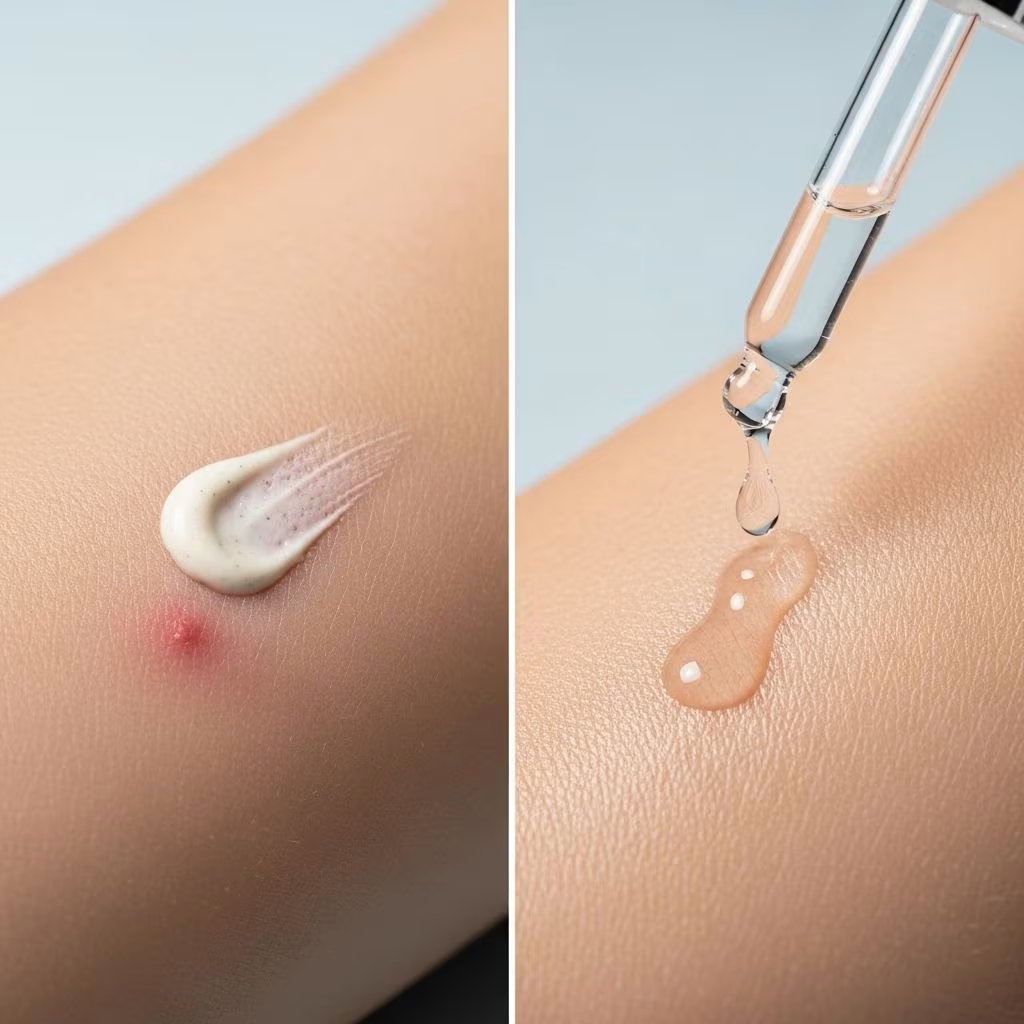
Serums are lightweight, fast-absorbing liquids packed with high concentrations of active ingredients. Unlike spot treatments, serums are applied to the entire face and work beneath the skin’s surface to address underlying causes of acne, prevent future breakouts, and improve overall skin health.
- Purpose: Preventative care, targeting root causes of acne and improving skin texture.
- Application: Apply a few drops to the entire face after cleansing and before moisturizing.
- Key Ingredients: Retinoids, niacinamide, salicylic acid, antioxidants, and vitamin C for cell turnover, oil control, and anti-inflammation.
- Best For: Preventive skincare, addressing multiple concerns at once (e.g., acne, aging, dullness).
- Limitations: Results take time; some serums can be expensive or irritate sensitive skin.
Key Differences Between Spot Treatments and Serums
| Feature | Spot Treatment | Serum |
|---|---|---|
| Target Area | Individual blemishes | Entire face |
| Purpose | Treat existing acne | Prevent acne and improve skin health |
| Texture | Often thicker, creamy, or gel-like | Lightweight, fast-absorbing liquid |
| Application | Directly on the blemish | All over the face |
| Key Ingredients | Benzoyl peroxide, salicylic acid, sulfur | Retinoids, niacinamide, antioxidants |
| Results | Fast, targeted improvement | Gradual, comprehensive benefits |
| Best For | Occasional breakouts | Preventive care, holistic skin health |
How to Use Spot Treatments and Serums
Using Spot Treatments
- Cleanse your face with a gentle cleanser to remove dirt and oil.
- Apply a small amount of spot treatment directly to the blemish using a clean fingertip or cotton swab.
- Avoid using on large areas to prevent dryness or irritation.
- Use once daily, preferably at night, to minimize potential sun sensitivity.
Using Serums
- Apply after cleansing and toning, but before moisturizing.
- Dispense a few drops and gently press into the skin, covering the entire face.
- Allow to absorb for 30 seconds before applying the next product.
- Use morning and/or night, depending on the serum’s ingredients and your skin’s tolerance.
Pros and Cons of Each
Spot Treatments: Pros and Cons
- Pros: Fast, targeted action; reduces inflammation and redness quickly; easy to use for occasional breakouts.
- Cons: Not preventive; can cause dryness, peeling, or irritation if overused; less effective for severe acne.
Serums: Pros and Cons
- Pros: Preventive; addresses multiple skin concerns; improves overall skin tone and texture; can be layered with other products.
- Cons: Results take time to appear; can be expensive; may cause irritation, especially with potent actives.
Can You Use Both in Your Routine?
Yes, you can incorporate both spot treatments and serums into your skincare routine, but it’s important to do so carefully. Spot treatments are best for emergent blemishes, while serums provide ongoing prevention and skin health benefits. However, combining multiple active ingredients increases the risk of irritation, dryness, or sensitivity, so monitor your skin’s response and adjust usage accordingly. Always apply spot treatment after your serum if you use both at the same time.
Choosing the Right Product for Your Skin
Your choice between a spot treatment and a serum—or both—depends on your skin type, concerns, and goals.
- For occasional breakouts: A spot treatment may be all you need to manage flare-ups.
- For acne-prone or problem skin: A daily serum can help prevent breakouts and improve skin health over time.
- For sensitive skin: Start with one product at a time, patch test, and introduce actives gradually.
- For severe or persistent acne: Consult a dermatologist for a comprehensive treatment plan.
Ingredients to Look For
In Spot Treatments
- Benzoyl peroxide: Kills acne-causing bacteria and reduces oil.
- Salicylic acid: Exfoliates and unclogs pores.
- Sulfur: Dries out pimples and soothes inflammation.
In Serums
- Retinoids/Retinol: Accelerate cell turnover and prevent clogged pores.
- Niacinamide: Reduces inflammation and balances oil production.
- Antioxidants (Vitamin C, Green Tea Extract): Protect against environmental damage and brighten skin.
- Salicylic Acid: Gently exfoliates and keeps pores clear.
Frequently Asked Questions
Q: Can I use a spot treatment and a serum together?
Yes, but monitor your skin for irritation. Apply the serum first, let it absorb, then dab spot treatment on active blemishes.
Q: Which is better for acne, a spot treatment or a serum?
Spot treatments are best for existing pimples, while serums help prevent future breakouts and improve overall skin health. For best results, consider using both if your skin can tolerate it.
Q: How often should I use a spot treatment?
Once daily is usually sufficient. Overuse can lead to dryness or irritation.
Q: Can serums replace moisturizers?
No, serums and moisturizers serve different purposes. Serums deliver active ingredients, while moisturizers hydrate and protect the skin’s surface. Use both for optimal results.
Q: Are serums only for acne-prone skin?
No, serums can address various concerns, including aging, dullness, and hydration, depending on their ingredients.
Q: What if my skin reacts badly to a spot treatment or serum?
Discontinue use and consult a dermatologist. Patch testing new products is always recommended.
Conclusion
Spot treatments and serums are both valuable tools in the fight against acne, but they serve distinct roles. Spot treatments deliver targeted relief for existing blemishes, while serums work preventively to keep skin clear and healthy over time. Understanding the differences, ingredients, and proper usage can help you build a skincare routine that addresses your unique concerns and supports your skin’s long-term health.
References
- https://theskincareculture.com/the-differences-between-acne-spot-treatment-and-acne-serum/
- https://villagedermatology.net/what-is-the-difference-between-a-serum-and-a-cream/
- https://www.healthline.com/health/beauty-skin-care/order-of-skin-care
- https://www.100percentpure.com/blogs/feed/the-difference-between-spot-treating-and-overall-blemish-control
- https://theordinary.com/en-us/blog/understanding-spot-solutions.html
- https://www.paulaschoice-eu.com/boosters-serums-treatments-what-is-the-difference
- https://www.louis-widmer.com/skin-consultancy/skin-topics/correct-order-of-your-skincare-routine.html
- https://asianbeautyessentials.com/blogs/the-idol-beauty-blog/essence-vs-toners-vs-serums
- https://drsabrina.com/blogs/skin-care/skin-care-routine-order-morning-vs-night


