


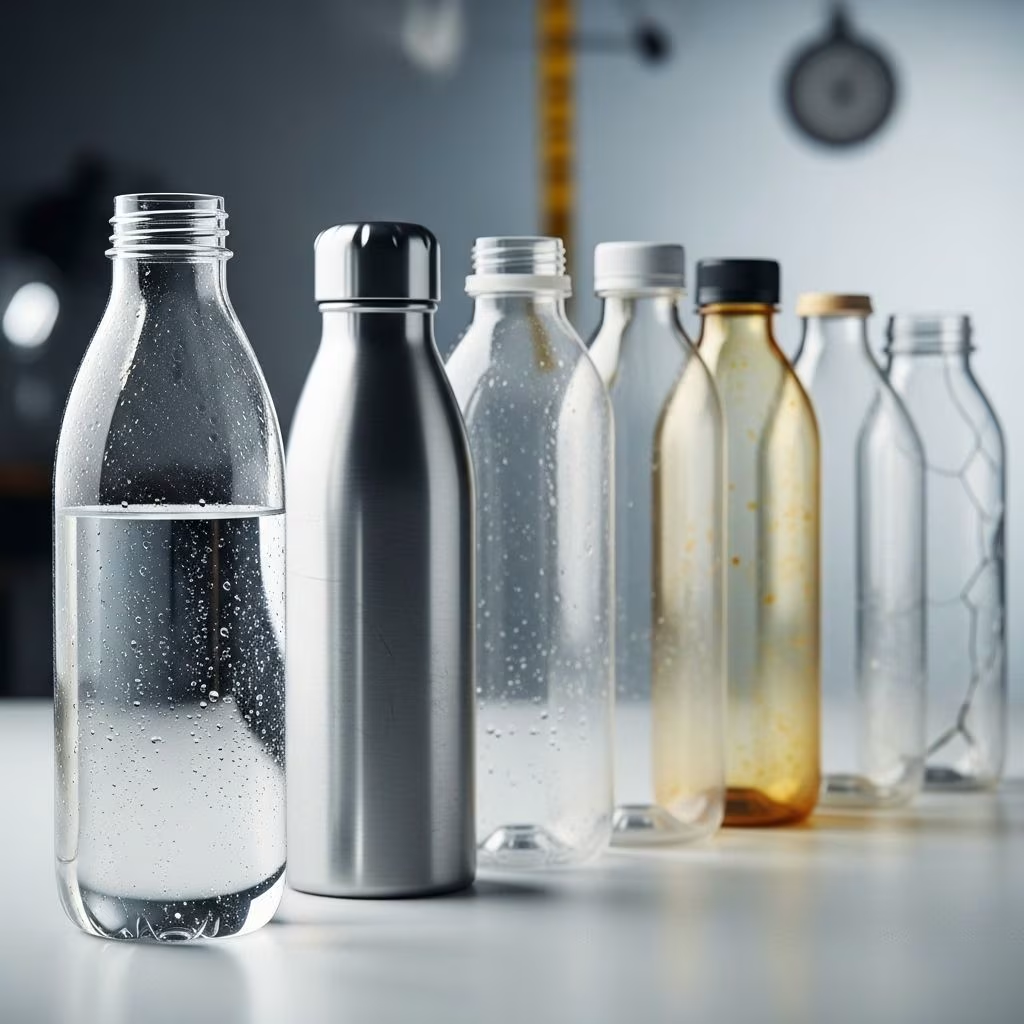
Lifespan of a Water Bottle: When to Replace
Reusable water bottles have become a staple for health-conscious individuals and environmental advocates alike. But just like any frequently used item, water bottles have a finite lifespan. Knowing when to replace your water bottle isn’t just about convenience—it’s a matter of hygiene, safety, and the continued enjoyment of your drinks. This guide explores factors that determine the lifespan of various bottle types, clear signs you need a new one, maintenance tips to maximize usability, and answers to frequently asked questions about water bottle replacement.
Introduction
Water bottles are essential for staying hydrated throughout the day. While reusable bottles help reduce plastic waste and save money, they aren’t designed to last forever. Material degradation can pose health risks, and daily wear exposes bottles to bacteria, impacts insulation, and affects taste. Understanding how long your bottle should last and knowing the signs of aging ensure your hydration routine remains safe and enjoyable.
Why Do Water Bottles Need Replacement?
Water bottles come into regular contact with liquids, hands, mouths, and the environment. Over time, this exposure leads to visible and invisible changes in the bottle. Repeated washing, physical stress, and chemical interaction degrade the material, potentially increasing the risk of contamination. Key reasons for replacement include:
- Material breakdown: Plastic, glass, and metals can develop cracks, chips, or rust.
- Bacterial growth: Moist interiors, especially in bottles not dried thoroughly, can foster bacteria and mold.
- Leaching of chemicals: Structural compromise may allow chemicals—like BPA in older plastics—to leach into drinks.
- Loss of insulation: For metal bottles, insulation is crucial for temperature retention. Performance drops when seals degrade.
Types of Water Bottles and Their Lifespans
The longevity of your water bottle depends largely on its material and the quality of manufacturing. Here’s a breakdown of common types and typical lifespans:
| Material Type | Estimated Lifespan | Key Replacement Indicators |
|---|---|---|
| Plastic (hard/BPA-free) | 12 months | Cracks, odors, discoloration, taste changes |
| Glass | 2–3 years (can last longer if undamaged) | Chips, cracks, loose lids, compromised seals |
| Stainless Steel/Metal | 3–12 years (with high-quality bottles at the upper end) | Rust, loss of insulation, persistent tastes/odors, dents/structural damage |
| Hydrogen Water Bottles | 1.5–3 years | Reduction in hydrogen output, longer cycles, wear of internal parts |
Note: Glass can technically last indefinitely if not damaged, but breakage risk and worn seals may shorten its useful life. Higher-end stainless steel bottles can last a decade or more, but only if protected against corrosion and physical damage.
Manufacturer Recommendations
Many brands provide their own guidance regarding product lifespan. Always consult manufacturer care instructions to determine the recommended replacement interval for your specific bottle.
Key Signs It’s Time to Replace Your Water Bottle
Don’t wait for catastrophic failure or obvious hazards. Regular inspection helps catch issues early and maintain bottle safety. Pay attention to these signs:
- Visible Wear and Tear: Scratches, dents, and cracks might seem minor, but any feature that can’t be fully cleaned harbors bacteria and weakens structural integrity. Focus on hidden areas like the cap, mouthpiece, and threads.
- Persistent Odors or Tastes: If your bottle consistently smells “off” or imparts a strange taste despite thorough cleaning, bacteria likely invaded the material. Lingering odors/tastes are a clear signal for replacement.
- Discoloration/Stains: Unremovable stains and discoloration (rust for metals; yellowing for plastics; dark spots for glass) suggest deep-seated contamination or oxidation. These changes can worsen over time.
- Loss of Insulation: Metal bottles rely on a vacuum seal for insulation. If hot/cold retention fails or condensation appears, internal technology has likely degraded.
- Mold Growth: Any sign of mold—often appearing as fuzz, slimy spots, or dark growths inside or on caps—requires immediate response. Mold is notoriously difficult to eliminate once embedded.
- Material Feel Changes: If the bottle feels softer, harder, or “off” compared to its original texture, chemical or physical breakdown may have occurred.
- Loose/Faulty Fittings: Lids that no longer seal tightly, degraded gaskets, or loose mouthpieces can allow contaminants in, or cause leaks.
- Manufacturer Expiry Notices: Some brands include “best before” or expiry markers on bottles or packaging. Respect these recommendations for optimal safety.
- Post-Illness Concerns: After an illness, disinfection is mandatory; but if your bottle can’t be thoroughly sanitized, replacement is the safest option to avoid reinfection.
Risks of Ignoring Replacement Signs
Neglecting the warning signs can have real health and performance implications:
- Bacterial/Fungal Infection: Cracks, chips, and persistent odors are breeding grounds for bacteria and mold, leading to digestive issues or worse.
- Chemical Exposure: Damaged plastics (especially non-BPA-free kinds) can leach toxins into beverages, posing long-term health risks.
- Compromised Safety: Chips or cracks in glass may break further during use; corroded metals can release particles into your water.
- Ineffective Hydration: Diminished insulation or broken seals means drinks spoil faster, get warm, or leak, defeating the bottle’s purpose.
Maintenance Tips to Extend Lifespan
With routine care, you can prolong your bottle’s functionality, although all bottles eventually require replacement. Try these best practices:
- Hand wash bottles regularly with hot water and mild soap. Use a bottle brush for thorough cleaning, especially in hard-to-reach places.
- Disinfect periodically by soaking in diluted vinegar or using specialty cleaning tablets, then rinse with hot water.
- Let bottles air dry completely before replacing the lid or storing. Moisture left inside accelerates bacterial growth.
- Avoid leaving sugary drinks or acidic liquids (e.g., juice, soda, sports drinks) in the bottle for long periods. These accelerate degradation and promote mold.
- Don’t freeze full bottles, expose them to microwaves, or subject them to extreme temperature changes unless they are rated as safe for those processes.
- If cleaning doesn’t entirely remove taste, odor, or stains, or if physical damage appears, opt for a new bottle.
Regular Inspection Checklist
- Check for cracks (inside and out), especially around the lid and mouthpiece.
- Inspect for stains/discoloration after each wash.
- Smell test before refilling; fresh bottles shouldn’t have a persistent odor.
- Test lid fit and gasket integrity monthly.
- Review manufacturer advice on product lifespan periodically.
Frequently Asked Questions (FAQs)
Q1: How often should I replace my plastic water bottle?
A: Most experts recommend replacing plastic water bottles every 12 months. Sooner if you notice cracks, odors, discoloration, or taste changes.
Q2: Can glass water bottles last forever?
A: Technically, yes—if not chipped, cracked, or exposed to seal degradation. However, most users find functional lifespan is about 2–3 years.
Q3: What’s the lifespan of stainless steel bottles?
A: Quality stainless steel bottles can last from 3 up to 12 years, though insulation and appearance may wane after several years.
Q4: Do odors/tastes mean my bottle is unsafe?
A: Persistent odors or tastes, especially after cleaning, may signal irreversible bacterial/fungal colonization, or chemical/material breakdown. Replacement is recommended in such cases.
Q5: Is it safe to keep using my old bottle if I disinfect it?
A: If cracks, rust, persistent taste/odor, or loss of insulation are present, disinfection alone can’t restore safety or performance. Replacement is advised.
Q6: What can happen if I ignore replacement signs?
A: Risks include infection, chemical leaching, leaks, breakage, and loss of proper temperature retention.
Q7: How can I extend the lifespan of my bottle?
A: Regular cleaning, gentle handling to avoid drops and dents, and avoiding storage of sugary/acidic liquids help enlarge the functional lifespan of most bottles.
Q8: Are there environmentally friendly disposal options for my old bottle?
A: Many municipalities accept stainless steel or glass bottles in recycling programs, while some brands offer take-back or repurposing initiatives. Check local guidelines or company websites for details.
Q9: Is it necessary to replace the bottle after recovering from illness?
A: Consider replacing your bottle if thorough disinfection isn’t possible, especially after a contagious illness.
Conclusion
Water bottle replacement is not just about aesthetics or preference; it’s a crucial practice for health, safety, and performance. By recognizing the key signs—be they physical, sensory, or functional—you ensure your hydration habits support your well-being. Careful maintenance extends longevity, but all bottles, no matter the material, will eventually reach a point where replacement is the best option. Stay vigilant, inspect your bottles regularly, and enjoy safe hydration every day.
References
- https://www.mentalfloss.com/when-to-replace-water-bottles
- https://bros.com.my/blogs/news/when-is-it-a-good-time-to-change-your-water-bottle
- https://drwater.store/blogs/news/replace-reusable-water-bottle-frequency
- https://dualdrinks.com/blogs/guides/how-often-should-you-replace-your-metal-water-bottle-signs-its-time-for-a-new-one
- https://www.campmor.com/blogs/campmor-insider/when-should-i-buy-a-new-water-bottle
- https://thehotwaterbottlecompany.com/blogs/toasty-toes-blog/when-should-i-replace-my-hot-water-bottle


