


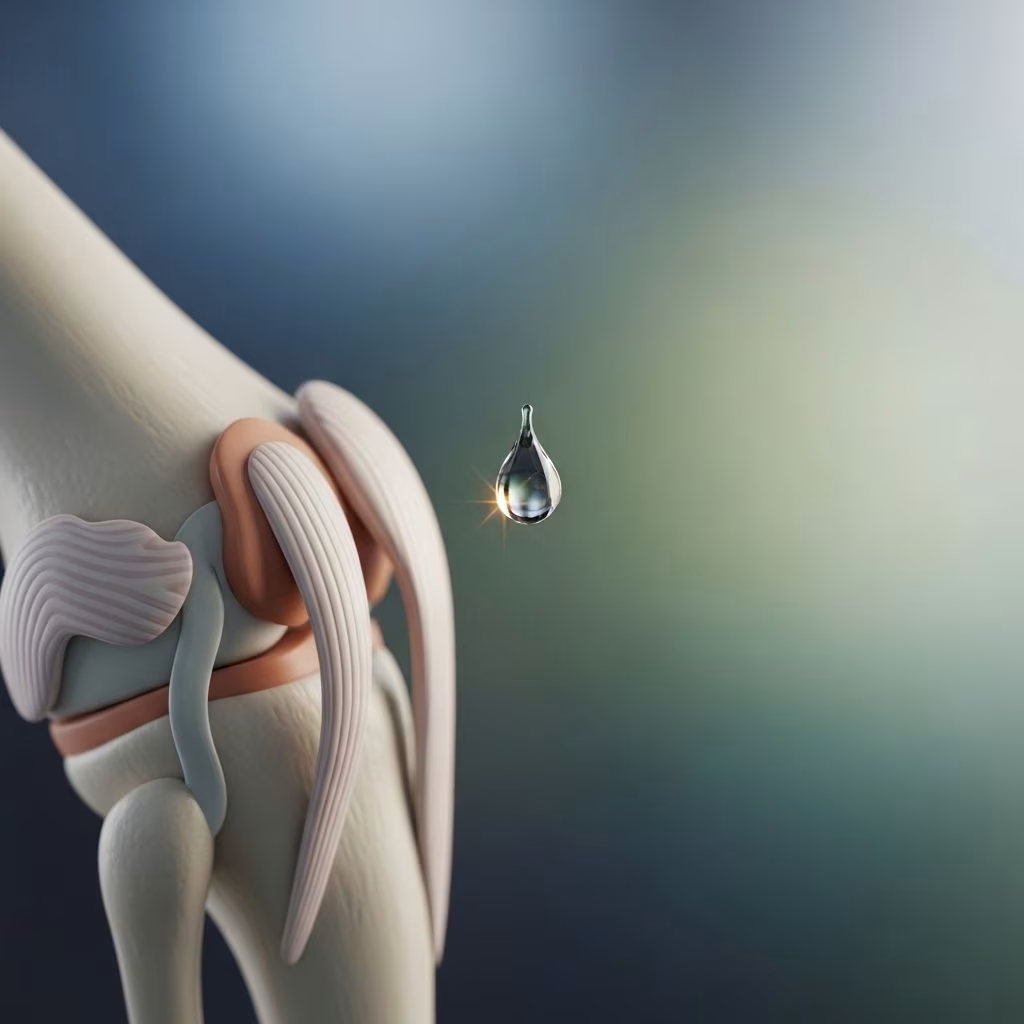
Hydration for Joint Health and Lubrication: Science, Strategies, and Solutions
Water is fundamental to human wellness, but nowhere is its impact more evident than in joint health. Maintaining a hydrated body is a critical and often overlooked element in keeping our joints pain-free, mobile, and resilient. This article explores the link between hydration, joint lubrication, cartilage preservation, and inflammation, offering evidence-based strategies for supporting your joints through everyday hydration practices.
Introduction: Why Joint Health Needs Hydration
Joint discomfort, stiffness, and pain affect people of all ages. While many focus on supplements or medications, water consumption is a simple, powerful, and highly effective tool for maintaining joint lubrication, minimizing pain, and supporting long-term joint health. Just as oil lubricates a machine, water keeps our joints running smoothly, reducing friction and wear over time .
Joint Anatomy and the Role of Water
Understanding joints requires us to look at their structural components and the ways hydration influences each:
- Cartilage: The primary tissue cushioning joints, composed of 65–80% water. This high water content maintains its spongy, shock-absorbing qualities .
- Synovial fluid: Lubricates and nourishes joints; its volume and viscosity depend on water intake .
- Joint capsule and ligaments: Also require healthy hydration for flexibility and resilience.
If hydration is disrupted, cartilage can stiffen, synovial fluid decreases, friction increases, and the joint is prone to pain, inflammation, and injury.
Hydration and Joint Lubrication
The smooth movement of joints depends substantially on effective lubrication. Synovial fluid, the joint’s lubricant, is largely composed of water and enables bones to glide over one another with minimal friction .
- Well-hydrated joints: Synovial fluid is abundant, viscous, and effective, reducing pain and enabling fluid movements.
- Dehydrated joints: Synovial fluid decreases in quantity and quality, causing increased friction, stiffness, and pain.
Hydration even supports a “boundary lubrication” system within cartilage, where water molecules maintain space between joint surfaces—reducing direct contact, wear, and damage.
A Comparison: Hydrated vs. Dehydrated Joint Function
| Hydrated Joints | Dehydrated Joints |
|---|---|
| Ample synovial fluid Smooth, pain-free motion Increased shock absorption Lower risk of friction/injury | Reduced synovial fluid Stiffness, pain with movement Weakened shock absorption Higher risk of cartilage damage |
Hydration for Cartilage Preservation
Cartilage acts as a cushion, absorbing impact and preventing bones from grinding against each other. This tissue is highly water-dependent, with up to 80% of the cartilage matrix being water .
Hydration ensures cartilage remains:
- Flexible and spongy
- Resistant to wear and tear
- Effective in maintaining joint space
A dehydrated cartilage loses elasticity, thins, and cracks, leading to increased pain, swelling, and joint degeneration over time.
Hydration and Inflammation Reduction
Dehydration has a direct link to increased inflammation—a major contributor to joint pain and arthritis . Chronic inflammation causes redness, swelling, and pain in affected joints. Water mitigates inflammation by:
- Flushing out inflammatory metabolites and toxins
- Facilitating cellular repair and immune regulation
- Reducing the risk and severity of arthritis flares
Individuals with conditions like rheumatoid arthritis, gout, or psoriatic arthritis especially benefit from optimized hydration for inflammation control.
A functional medicine approach may tailor hydration strategies, including electrolyte balance and water-rich foods, to maximize anti-inflammatory effects.
Water’s Role in Nutrient Transport and Toxin Removal
Water underpins two crucial joint-supporting functions:
- Nutrient delivery: Cartilage receives nutrients through the surrounding fluid since it lacks its own blood supply. Hydration ensures nutrients such as electrolytes, vitamins, and minerals reach cartilage efficiently .
- Toxin removal: Metabolic waste produced in joints must be cleared. Adequate hydration supports the removal of these wastes, reducing joint toxicity and minimizing pain.
Failing to drink enough water compromises both of these processes, contributing to chronic pain and promoting joint degeneration.
Effective Hydration Strategies for Joint Health
A well-rounded approach to hydration considers quantity, quality, timing, and foods that contribute to fluid intake. Here are science-backed recommendations for joint health:
- Drink water regularly throughout the day—not just when thirsty.
- Target 8–10 glasses (2–2.5 liters) for most adults, more if physically active or exposed to high temperatures.
- Monitor signs of dehydration: Dry mouth, fatigue, joint stiffness, dark urine, or headache indicate a need for more fluids.
- Limit dehydrating beverages: Minimize sodas, alcohol, and high-caffeine drinks.
- Include water-rich foods: Watermelon, cucumber, tomatoes, oranges, leafy greens, and berries can boost hydration.
- Balance with electrolytes: For athletes or in heat, include minerals like sodium, potassium, and magnesium.
Personalized hydration plans are effective, especially for those with underlying joint conditions, older adults, or athletes.
Sample Hydration Plan for Joint Health
| Time | Action |
|---|---|
| 7:00 am | Begin day with a glass of water |
| Mid-morning | Eat hydrating fruit or vegetables |
| Lunch | Drink water; include leafy greens |
| Afternoon | Aim for another glass; hydrate after any exercise |
| Dinner | Include soup or salad; finish with water |
Hydration Needs in Arthritis, Athletes, and Aging
- Those with arthritis: Require vigilant hydration due to increased risk of inflammation and cartilage deterioration .
- Athletes: Experience higher fluid loss through sweat; joint lubrication can be quickly compromised, so increased intake is vital.
- Older adults: Have a decreased sensation of thirst and are at elevated risk for dehydration-related joint pain.
For all these groups, prioritizing hydration reduces joint pain, inflammation, and injury risk while promoting long-term mobility and comfort.
Frequently Asked Questions (FAQs)
Q: How much water should I drink for healthy joints?
A: Aim for eight to ten glasses (about 2–2.5 liters) daily for optimal joint lubrication, adjusting for activity and climate.
Q: Can dehydration cause joint pain?
A: Yes. Dehydration reduces synovial fluid, stiffens cartilage, and can worsen inflammation, directly causing joint pain and discomfort A: Water-rich fruits and vegetables contribute to overall fluid intake and provide additional nutrients that support joint health. A: Adequate hydration reduces inflammation, provides joint cushioning, preserves cartilage, and improves pain tolerance in people with arthritis. A: Consistent hydration throughout the day is more effective than large amounts at one time. Hydrate before, during, and after physical activity or exposure to heat. Maintaining hydration is one of the simplest, most effective commitments you can make to protect your joints, reduce pain, and enhance overall mobility throughout life.Q: Are water-rich foods as effective as drinking water?
Q: How does hydration affect arthritis pain?
Q: Is there a “best time” to hydrate for joint health?
Key Takeaways
References


