


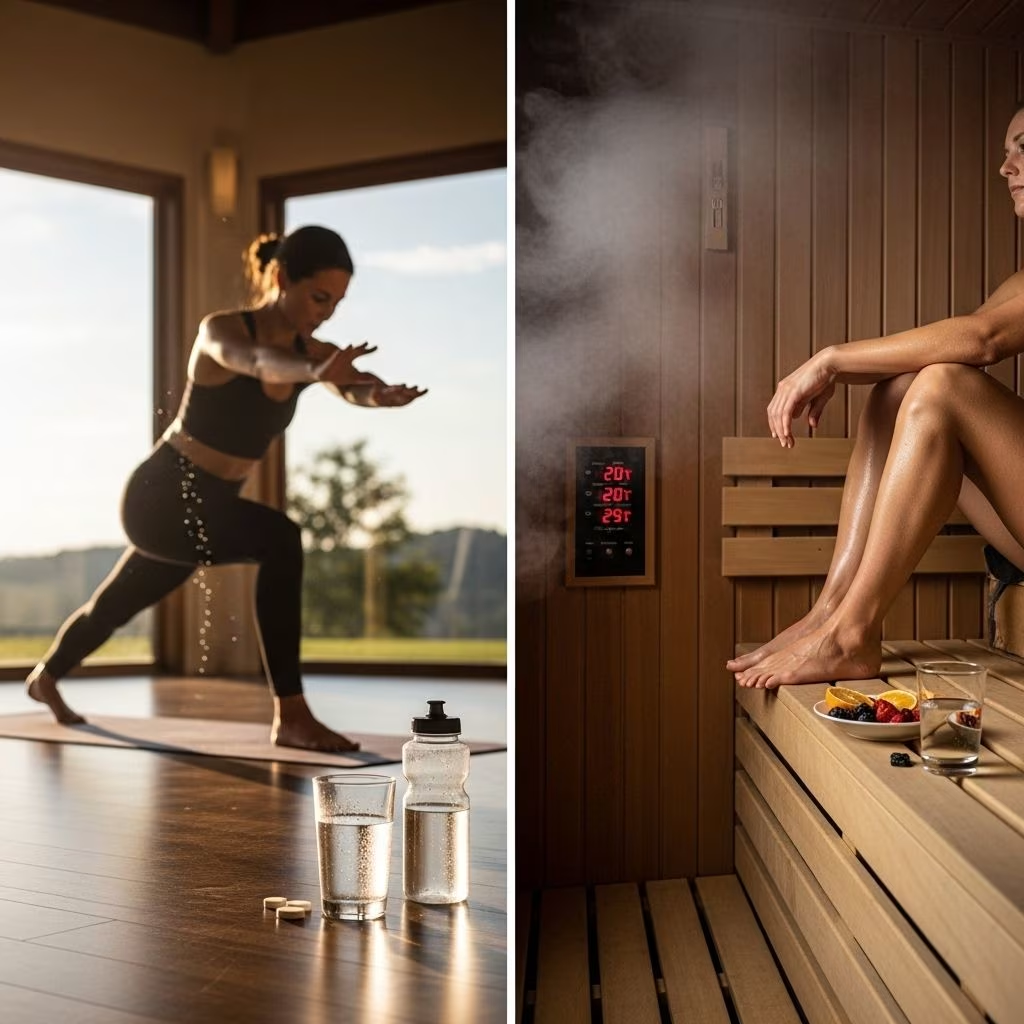
Heat-based practices such as hot yoga and sauna sessions have surged in popularity, praised for their benefits on flexibility, detoxification, cardiovascular health, and mental clarity. Yet, these intense environments significantly elevate sweat rates, making electrolyte balance and hydration strategies foundational to safe and effective practice. This article presents an in-depth, evidence-based exploration of how these activities influence body fluids, electrolytes, and physiological adaptation, along with actionable guidance for participants.
Overview: Hot Yoga & Sauna Practices
Hot yoga, particularly modalities like Bikram yoga, involves practicing in rooms heated up to 105°F (40°C) with high humidity for extended periods. Saunas expose the body to dry or humid heat, often exceeding 160°F (70°C), usually for 10–30 minutes. The resulting intense physical and thermal stress increases sweat production dramatically.
- Bikram Yoga: 90-minute session at 105°F, 40% humidity.
- Traditional Sauna: Dry heat, much higher temperatures, duration varies.
- Both promote profound sweating, physiological stress adaptation, and unique recovery demands.
Mechanisms of Sweating and Heat Exposure
The body maintains temperature homeostasis by promoting sweat secretion from the skin when exposed to elevated heat. Sweat is composed primarily of water, but also contains key electrolytes (sodium, potassium, magnesium, chloride). The following mechanisms are activated during hot yoga and sauna:
- Thermogenesis: High temperatures trigger cutaneous blood flow, dilate vessels, and activate sweat glands.
- Evaporative Cooling: Sweat evaporates to cool the body, but with significant fluid and electrolyte loss.
- Neuroendocrine Response: Heat exposure stimulates aldosterone and antidiuretic hormone (ADH) release, enhancing sodium reabsorption and water retention.
Volume and Rate of Sweat Loss
Activities like hot yoga and sauna sessions can produce sweat rates ranging from 0.5–2 liters per hour depending on intensity, environment, and individual physiology. For instance, Bikram yoga participants lost an average of 1.54 ± 0.65 liters in one session.
What’s In Sweat?
| Component | Typical Concentration in Sweat | Physiological Role |
|---|---|---|
| Water | 95–99% | Thermoregulation, carrier for solutes |
| Sodium (Na+) | 40–80 mmol/L | Fluid balance, nerve transmission |
| Potassium (K+) | 4–8 mmol/L | Muscle contraction, cardiac rhythm |
| Chloride (Cl–) | 30–60 mmol/L | Osmotic balance, acid-base equilibrium |
| Magnesium (Mg2+) | Trace | Enzymatic reactions, muscle recovery |
Electrolyte Loss: Science and Quantification
Sweat loss during heat exposure leads to direct depletion of key electrolytes, impacting cellular function, muscle contraction, and neurological health:
- Sodium Loss: Bikram yoga produces approximately 6.8 ± 2.1 grams of sodium chloride loss per session. Sodium is the main cation of extracellular fluid and is critical for fluid distribution.
- Potassium and Magnesium: Though lost in lower amounts, both minerals play crucial roles in muscular and neurological function.
- Electrolyte depletion can occur faster than water depletion, especially during repeated or extended sessions without strategic replenishment.
A unique physiological phenomenon observed is the preferential loss of extracellular fluid, causing volume depletion rather than hyperosmotic dehydration. Notably, serum sodium and osmolality may not dramatically change immediately after a session due to compensatory hormonal mechanisms (such as increased aldosterone which promotes sodium retention in kidneys).
Hydration and Electrolyte Replenishment Strategies
Hydration is far more than simply drinking water; it involves conscious management of fluid and electrolyte intake before, during, and after sessions. Scientific strategies include:
Pre-Session Preparation
- Hydrate Early: Begin drinking water at least several hours before the session.
- Electrolyte Loading: Consider light snacks containing sodium and potassium, such as bananas, oranges, cucumbers, or electrolyte drinks to prime cellular stores.
- Monitor Baseline Intake: Avoid excessive caffeine or alcohol, both of which may dehydrate or increase electrolyte clearance.
During the Session
- Avoid Overconsumption: Sip water or electrolyte beverages in small amounts as needed; excessive intake may dilute serum sodium and risk hyponatremia.
- Self-Monitor: Listen to thirst cues, but also proactively rehydrate especially in lengthy or double sessions.
Post-Session Recovery
- Rehydration Formula: For every kilogram (approx. 2.2 lbs) lost during sessions, drink at least 1–1.5 liters of water with balanced electrolytes.
- Optimal Electrolyte Ratio: Combine sodium, potassium, and a modest amount of magnesium in food or drinks (e.g., coconut water, oral rehydration solution, fruit mixed with nuts).
- Cool Down: A cool shower can help lower body temperature, reducing further fluid loss and promoting rehydration.
Short-Term and Long-Term Physiological Effects
Multiple systems are impacted by hot yoga and sauna practices:
- Detoxification: Accelerated sweating promotes elimination of toxins and heavy metals.
- Flexibility Improvement: Heat supports increased joint and muscle pliability, enabling deeper stretches and alignment.
- Cardiovascular Adaptations: Heat stress increases heart rate and blood flow, strengthening cardiovascular function over time.
- Cellular Repair: Heat exposure triggers repair pathways and mild hormesis, encouraging resilience at a cellular level.
- Neuroendocrine Responses: Endorphins and relaxation hormones spike, lowering anxiety and promoting well-being.
- Electrolyte Compensation: Hormonal changes (notably aldosterone) help mitigate acute drift in serum sodium by boosting reabsorption and balancing water.
Risks, Symptoms, and Individual Considerations
Despite many benefits, improper management of hydration and electrolyte levels can cause symptoms and risks:
| Potential Risk | Symptoms | Prevention / Management |
|---|---|---|
| Dehydration | Dry mouth, fatigue, dizziness, headache | Hydrate before, during, after; monitor weight changes |
| Electrolyte Imbalance | Muscle cramps, irregular heartbeat, confusion | Supplement with balanced electrolytes; avoid excess plain water |
| Heat Exhaustion | Heavy sweating, weakness, rapid pulse | Limit session time; cool down properly |
| Hyponatremia | Nausea, swelling, impaired consciousness | Avoid overconsumption of water without electrolytes |
| Low Blood Pressure | Lightheadedness, fainting | Practice caution, especially for individuals with cardiovascular conditions |
Who Should Exercise Caution?
- Elderly individuals and those with kidney, heart, or blood pressure disorders.
- People with a history of electrolyte imbalance, on diuretic or blood pressure medication.
- Pregnant individuals should consult a healthcare provider prior to heat-based practices.
Best Practices: Preparation, Recovery, and Monitoring
Professional bodies and exercise physiologists recommend structured approaches for safety and peak performance:
- Weigh Yourself: Pre- and post-session body weight changes (1 kg lost ≈ 1 L sweat) offer simple sweat loss benchmarks.
- Track Hydration: Monitor thirst, urine color (pale straw preferred), and fatigue levels.
- Choose Balanced Drinks: Select hydration options that provide sodium, potassium, and magnesium, especially for sessions over 60 minutes. Avoid high-sugar commercial drinks; focus on natural sources or customized formulas.
- Integrate Recovery Nutrition: Support muscle repair and electrolyte restoration with post-session snacks: fruit (potassium), lightly salted nuts (sodium, magnesium), and lean protein.
- Rest Adequately: Schedule sufficient recovery time and avoid back-to-back heat-intensive sessions to allow homeostatic reset.
Frequently Asked Questions (FAQs)
Q: How much water and electrolytes should I consume after a hot yoga or sauna session?
A: For each kilogram (2.2 lbs) lost, consume 1–1.5 liters of fluid with electrolytes, ideally split between water and oral rehydration solutions. Add foods rich in sodium and potassium for optimal recovery.
Q: Can plain water cause problems if I drink too much after sweating?
A: Yes. Excessive water intake (without electrolytes) after intense sweating may dilute serum sodium levels, risking hyponatremia. Ensure your drinks contain sodium and potassium, especially after heavy sweat loss.
Q: Do these practices detoxify the body?
A: Intense sweating in hot yoga and sauna supports elimination of some toxins and heavy metals, and may stimulate repair at a cellular level, but hydration status is crucial to support these benefits.
Q: Is it safe to do hot yoga or exercise in a sauna if I have low blood pressure?
A: Individuals with low blood pressure should exercise caution. Heat causes blood vessels to dilate, possibly lowering pressure further and increasing fainting risk. Consult a medical professional before engaging.
Q: What are the main signs of heat exhaustion or severe electrolyte imbalance in these practices?
A: Warning signs include extreme fatigue, muscle cramps, nausea, rapid heartbeat, and mental confusion. Immediately stop, rehydrate with electrolyte drinks, and seek medical attention if symptoms persist.
Concluding Insights
Successfully balancing hydration and electrolytes during hot yoga and sauna sessions supports safe, effective, and enjoyable practice. Use science-backed strategies for preparation and recovery, listen to your body, and personalize fluid/electrolyte intake for your unique needs. Always prioritize safety and consult health professionals for personalized advice if you have medical conditions or specific risk factors.
References
- https://primalharvest.com/blogs/news/how-much-water-and-electrolytes-for-workouts-hot-yoga-and-sauna-sessions
- https://pubmed.ncbi.nlm.nih.gov/33230967/
- https://www.innovativesnc.com/blog/2023/5/25/saunas-and-hot-yoga-a-detailed-exploration
- https://pmc.ncbi.nlm.nih.gov/articles/PMC7683807/
- https://www.news-medical.net/health/What-Saunas-Really-Do-to-Your-Brain-and-Body.aspx
- https://iglucraft.com/es/blog/should-you-exercise-in-the-sauna
- https://www.hotasanayogastudio.com/blog/sweatbenefits


