


Introduction
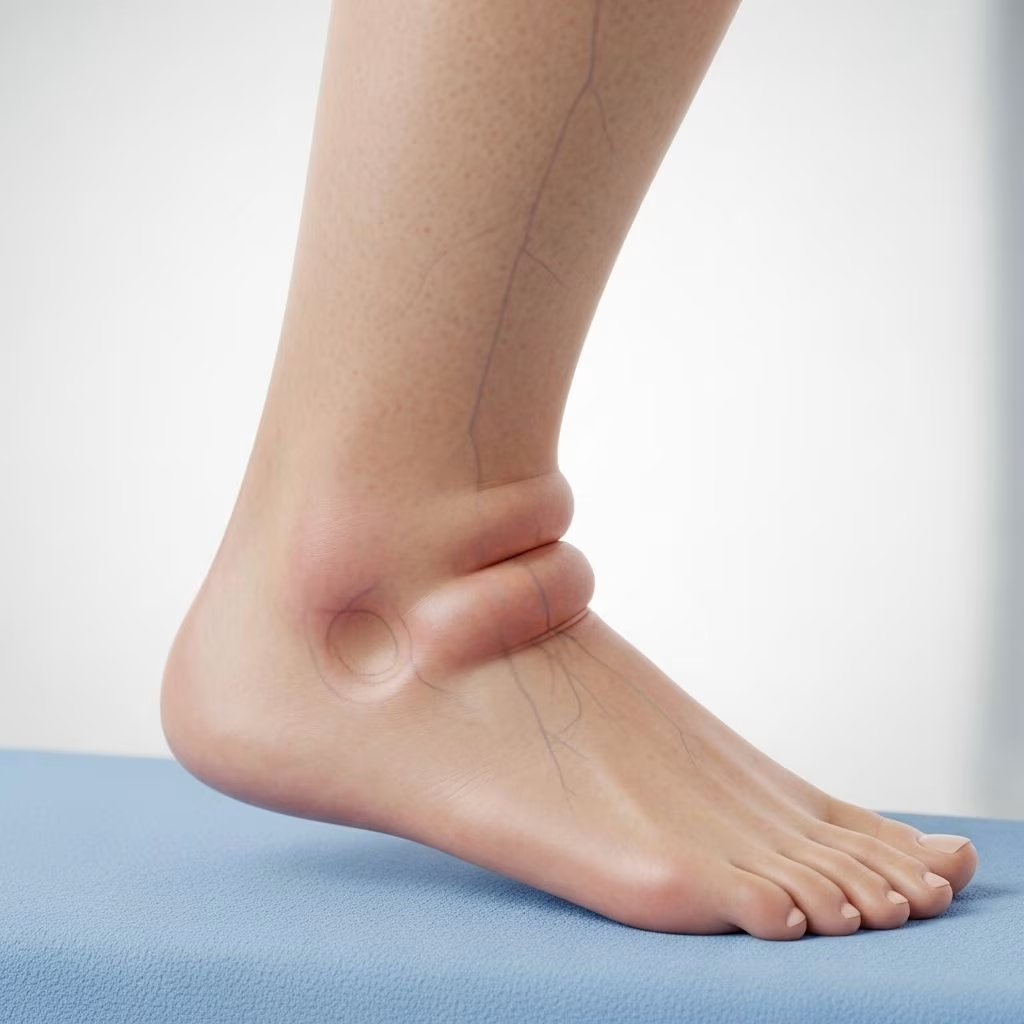
Edema, or fluid retention, is a condition characterized by the accumulation of excess fluid within the tissues of the body. This condition can affect various parts of the body, including the legs, feet, arms, hands, and face, and can be caused by a range of factors, from lifestyle choices to serious medical conditions. Understanding edema is crucial for managing its symptoms and addressing underlying causes.
Understanding Edema
Edema occurs when the balance between fluid entering and leaving the body’s tissues is disrupted. This imbalance can result from various factors, including changes in hydrostatic pressure, reduced oncotic pressure, increased tissue oncotic pressure, increased blood vessel permeability, lymphatic system obstruction, or changes in tissue water-retaining properties. The Starling equation explains how these factors contribute to fluid distribution between blood vessels and tissues.
Causes of Edema
Edema can be caused by several conditions and factors:
- Heart Failure: When the heart fails to pump efficiently, it can lead to fluid buildup in the body, especially in the legs and lungs.
- Kidney Disease: Conditions like nephrotic syndrome can impair the kidneys’ ability to filter fluid, causing edema.
- Liver Disease: Cirrhosis can lead to fluid retention due to liver scarring and malfunction.
- Chronic Lung Diseases: These can strain the heart, leading to fluid retention.
- Thyroid Disorders: Hypothyroidism can cause fluid retention.
- Autoimmune Diseases: Conditions such as lupus can cause edema.
- Medications: Certain drugs, like steroids and NSAIDs, can contribute to fluid retention.
- Menstrual Cycle: Hormonal changes can lead to temporary fluid retention.
- Climate: Hot weather can cause fluid retention due to increased fluid intake and body temperature.
Symptoms of Edema
The primary symptom of edema is swelling, which can be accompanied by discomfort or pain. Depending on the severity and location, edema can impair mobility and affect quality of life.
Treatment of Edema
Treatment for edema focuses on addressing the underlying cause. Common treatments include:
- Diuretics: To reduce fluid retention by increasing urine production.
- Elevation of Affected Areas: Helps reduce swelling by improving blood flow.
- Compression Stockings: Used to prevent fluid accumulation in the legs.
- Limiting Sodium Intake: Reduces fluid retention by decreasing water absorption.
- Medications for Underlying Conditions: Treating diseases like heart failure or kidney disease.
Management Strategies
Several strategies can help manage edema:
- Hydration Management: Drinking enough water to help the body flush out excess fluids.
- Exercise: Regular physical activity improves circulation and reduces swelling.
- Dietary Changes: Reducing sodium intake and eating foods rich in potassium can help manage fluid retention.
- Rest and Elevation: Resting and elevating the affected limbs can reduce swelling.
Frequently Asked Questions (FAQs)
Q: What is edema?
A: Edema is the accumulation of fluid in the body’s tissues, leading to swelling and discomfort.
Q: How is edema treated?
A: Treatment involves addressing the underlying cause, using diuretics, and implementing lifestyle changes like limiting sodium intake and elevating affected limbs.
Q: Can edema be prevented?
A: While some causes are unavoidable, reducing sodium intake and staying hydrated can help manage edema.
Understanding edema is crucial for effective management and treatment. By recognizing its causes and symptoms, individuals can take proactive steps to prevent and alleviate this condition.
References
- https://en.wikipedia.org/wiki/Edema
- https://www.betterhealth.vic.gov.au/health/conditionsandtreatments/Fluid-retention-oedema
- https://www.medicalnewstoday.com/articles/187978
- https://my.clevelandclinic.org/health/diseases/12564-edema
- https://www.ncbi.nlm.nih.gov/books/NBK279409/
- https://tactilemedical.com/what-is-edema/
- https://www.health.harvard.edu/diseases-and-conditions/edema-a-to-z
- https://medlineplus.gov/edema.html
- https://www.kidneyfund.org/all-about-kidneys/signs-and-symptoms/edema


