


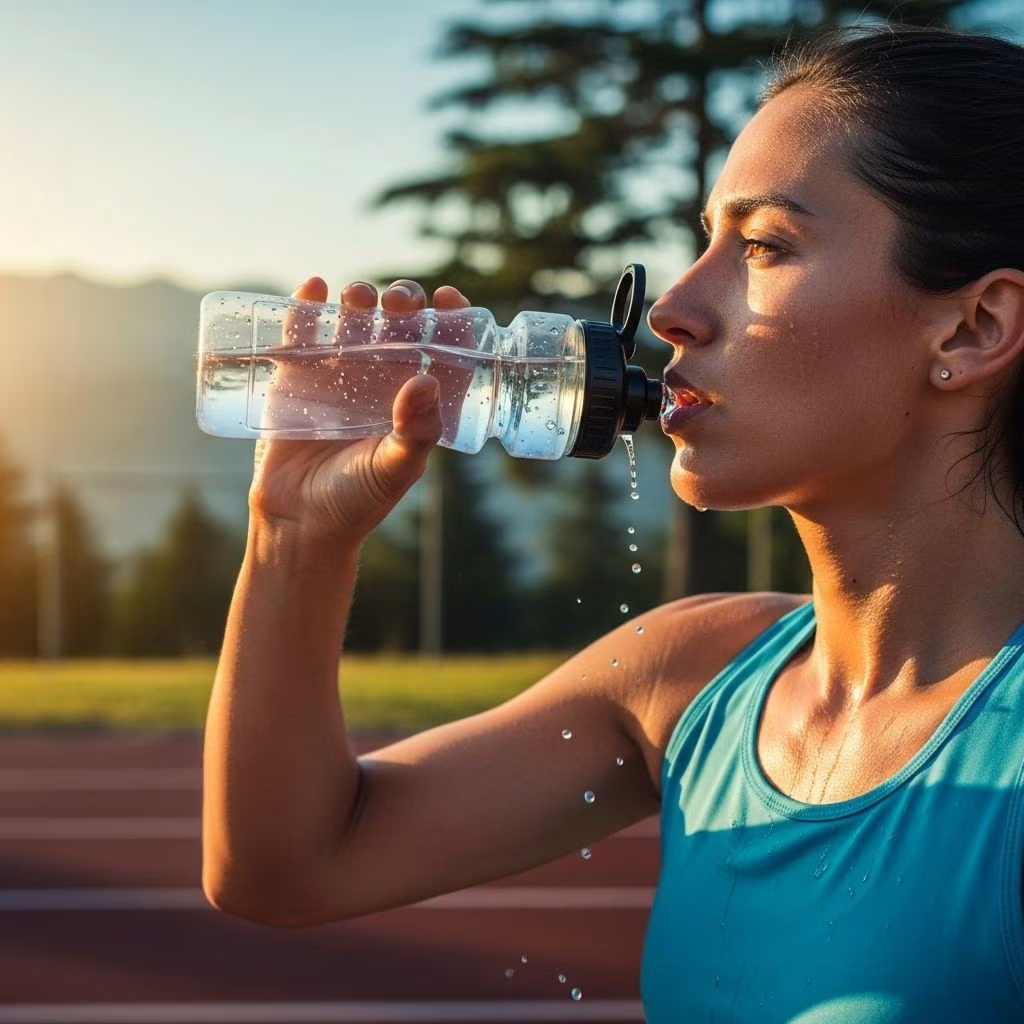
Hydration is a cornerstone of athletic performance, influencing everything from endurance to cognitive function, and even recovery. Regardless of your sport or training intensity, effective hydration planning can make the difference between personal bests and underwhelming results. This comprehensive guide provides actionable, science-backed recommendations for building a customized hydration plan that supports you before, during, and after both training and competition.
Why Hydration Matters in Athletics
Hydration directly impacts an athlete’s physical and mental performance. Even mild dehydration—defined as a fluid loss of as little as 2% of body weight—can cause a measurable decline in strength, speed, endurance, coordination, decision-making, and recovery. More severe dehydration can threaten health, increase the risk of heat-related illnesses, and impair cardiovascular and thermoregulatory function. Staying hydrated reduces fatigue, preserves muscle function, supports optimal metabolism, and accelerates post-activity recovery .
Fundamentals of Hydration
Proper hydration is a dynamic process that involves both fluid and electrolyte balance. Sweating during exercise leads to substantial fluid and mineral losses that must be replaced for optimal performance. Key fundamentals include:
- Fluid Intake: Water is essential for every physiological function, including temperature regulation, nutrient transport, and waste removal.
- Electrolyte Balance: Electrolytes (notably sodium, chloride, potassium, and calcium) are lost through sweat and must be replenished to maintain nerve function, muscle contraction, and cell hydration .
- Individual Variability: Sweat rates and electrolyte losses vary widely based on genetics, environment, exercise intensity, and acclimatization.
Pre-Exercise Hydration: Laying the Foundation
Starting exercise when already well-hydrated is a proven strategy for enhancing performance. The primary goals are:
- Maximize fluid availability before exertion.
- Top up electrolyte stores if necessary (especially in hot conditions or for athletes prone to heavy sweating).
Pre-Exercise Hydration Guidelines
| Timing | Fluids | Notes |
|---|---|---|
| 2–3 hours before | 500–600 ml (16–20 fl oz) water or sports drink | Ensures a baseline of hydration |
| 10–20 minutes before | 200–300 ml (7–10 fl oz) water or sports drink | Final top-up before exercise |
Tip: Include electrolytes in your pre-exercise drink if training or competing in the heat, or if you are prone to heavy sweating .
Hydration During Exercise and Competition
During activity, you must balance fluid replacement with preventing overhydration. Individualized intake is best, but general guidelines help establish a starting point.
General Recommendations
- Frequency: Drink every 10–20 minutes during prolonged activity.
- Quantity: 6–12 fl oz (200–350 ml) every 10–20 minutes (older adolescents/adults); 3–5 fl oz (90–150 ml) for ages 9–12 .
- Hourly Intake:
- Hot weather: up to 750 ml/hour
- Temperate/normal: ~500 ml/hour
- Cold weather: ~250 ml/hour
- Drink to Thirst: For most athletes in familiar settings, responding to thirst is an effective approach, but this should be informed by experience and monitored for high-intensity or long-duration sessions .
Important Nuances
- Never exceed fluid intakes that result in weight gain. Too much water can dilute blood sodium and trigger hyponatremia, a dangerous condition.
- Use a personalized approach based on sweat rate for optimal results. Monitoring weight pre- and post-exercise is key (see below).
- For events longer than 60 minutes or in high temperatures, use sports drinks containing electrolytes .
Post-Exercise and Recovery Hydration
Recovery hydration aims to restore all fluids and electrolytes lost during exercise. Rapid and complete rehydration supports faster recovery, reduces muscle soreness, and prepares the athlete for the next session.
Post-Exercise Hydration Guidelines
- Weigh yourself before and after exercise to estimate fluid loss (1 kg = ~1 liter fluid lost).
- For each 1 pound (0.45 kg) lost, drink 16–24 fl oz (475–700 ml) of water (ideally with electrolytes) within 2 hours, and continue sipping until full rehydration within 6 hours .
- Check urine: Urine should return to a pale yellow or clear color, indicating hydration.
- Rehydrate with meals rich in sodium and potassium to aid fluid retention .
The Critical Role of Electrolytes
Electrolytes—including sodium, potassium, calcium, and magnesium—regulate muscle contractions, nerve impulses, and balance fluids across cell membranes. Electrolyte loss through sweat increases with exercise intensity and temperature.
Why Not Just Water?
- Sodium: Vital for fluid balance and stimulates thirst; lost most heavily during sweating.
- Potassium: Supports muscle and cardiac function.
- Calcium & Magnesium: Key roles in muscle contraction and recovery.
If you only replace lost sweat with water and not electrolytes, you risk hyponatremia (water intoxication)—which can be serious or fatal .
How to Replenish Electrolytes
- Sports drinks with sodium and potassium for sessions or events over an hour.
- Electrolyte tablets/powders for tailored replenishment in long or hot sessions.
- Include sodium-rich foods (broth, salted pretzels, pickles) in post-workout meals .
Personalizing Your Hydration Plan
While general guidelines provide a starting point, optimal hydration is highly individualized. Creating a tailored plan involves:
Step-by-Step Personalization
- Calculate Your Sweat Rate: Weigh yourself before and after exercise (with minimal clothing, after emptying bladder). Each kilogram lost approximates 1 liter fluid lost .
- Adjust for Conditions: Increase intake for hot/humid environments and during high-intensity sessions. Experiment in training before competitions.
- Monitor Recovery: Check body weight, urine color, and thirst post-activity.
- Test and Adjust: Use performance and recovery markers to adjust your intake. There’s no substitute for direct, repeated feedback.
Common Hydration Pitfalls
- Relying solely on thirst: During intense or prolonged exercise, thirst may be an unreliable indicator, particularly in youth or when distracted by competition.
- Overhydration: Drinking too much can cause dangerous low blood sodium (hyponatremia). Always match fluid intake to sweat rate, not more .
- Inadequate salt/electrolyte replacement: Especially risky in hot conditions or with high sweat rates.
- Failing to adapt for environment or session intensity: Adjust your plan for heat, humidity, altitude, or length/toughness of workout.
- Poor preparation before training or competition: Beginning activity already dehydrated is a common, avoidable performance-limiting error.
Monitoring Hydration Status
- Body Mass: The most practical tool—track pre- and post-exercise weight for understanding sweat loss and optimizing subsequent fluid replacement .
- Urine Color: Pale straw-color generally indicates adequate hydration; dark urine suggests dehydration.
- Thirst: Should be respected, especially outside of high-risk environments.
- Other Biomarkers: For elite athletes, urine specific gravity and plasma osmolality can offer further insight but are rarely necessary for non-professionals .
Frequently Asked Questions
Q: Should I use water or a sports drink during competition?
A: Water is sufficient for low to moderate intensity or short duration (less than 60 minutes). For events exceeding an hour, or if you are a heavy/salty sweater, a sports drink containing sodium and potassium is recommended to replenish lost electrolytes and maintain performance .
Q: Can I overhydrate?
A: Yes. Overconsumption of water without adequate electrolytes can dilute blood sodium (hyponatremia), which is potentially life-threatening. Always match fluid intake to your sweat rates and do not drink more than you lose .
Q: How do I know if I’m hydrated before starting exercise?
A: Begin with pale yellow urine, no signs of thirst, and no more than 1% weight loss compared to your typical baseline. Consuming the recommended fluids 2–3 hours and 10–20 minutes prior to activity is generally sufficient .
Q: What’s the best way to calculate my sweat rate?
A: Weigh yourself nude before and after an hour of typical exercise in the conditions you’ll compete. The weight lost (in kg or pounds) equals roughly the volume of fluid lost (in liters or ounces). Add back any fluid you consumed during the workout for accuracy .
Q: Are there special considerations for youth or masters athletes?
A: Yes. Youth may not recognize thirst as well and can dehydrate more rapidly; supervise and schedule drinking regularly. Older athletes may have reduced thirst sensation and slower rehydration, requiring proactive fluid management .
Q: Do I need to hydrate differently for altitude or cold environments?
A: Elevated sweat rates can occur even in cold or high-altitude conditions due to respiratory water loss, layered clothing, or increased metabolic demands. Hydration protocols should be maintained regardless of temperature .
Key Takeaways
- Hydration should be planned and practiced, not improvised, for optimal results.
- Monitor sweat losses and individual signs to fine-tune your strategy.
- Include electrolytes, particularly sodium, in any session over an hour or in hot, humid, or high-intensity efforts.
- Start every session well-hydrated, hydrate at intervals during exercise, and fully replenish after activity.
By applying these principles, athletes can train harder, compete better, recover faster, and minimize preventable performance setbacks resulting from poor hydration. Make hydration planning a consistent part of your training toolkit to optimize every aspect of your athletic journey.
References
- https://www.nata.org/sites/default/files/2025-08/hydration-guidelines_handout.pdf
- https://nduranz.com/pages/hydration-guide
- https://worldathletics.org/download/download?filename=ef30aa1b-f972-4f15-84a0-5c131e13b2c9.pdf&urlslug=Fluid+Needs+for+Training%2C+Competition%2C+and+Recovery+in+Track-and-Field+Athletes
- https://pmc.ncbi.nlm.nih.gov/articles/PMC8336541/
- https://teamready.com/blogs/news/hydration-what-you-need-to-know
- https://www.massgeneralbrigham.org/en/about/newsroom/articles/tips-for-staying-hydrated
- https://advancedorthosports.com/blog/hydration-for-athletes/
- https://moveunitedsport.org/truesport-why-your-athletes-need-a-hydration-plan/


